 Wired868 Wired868 for smart sport news and opinion
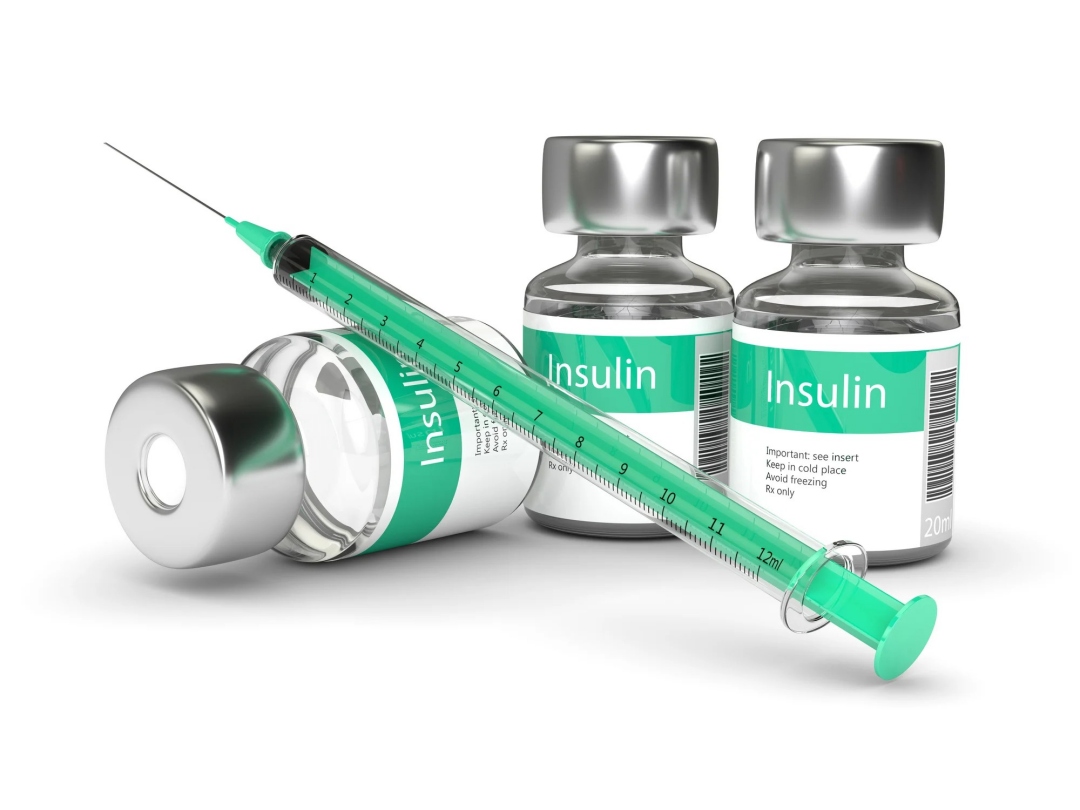
The half-used insulin vial was wrapped in a stained cloth and tucked inside a small purse. She had carried it through the sweltering heat, on a maxi and then on foot, to reach the clinic.
“Doctor, I know the sugar high,” she said. “But tell me something. Where you want me to keep this?”

Photo: Ghansham Mohammed/ Wired868.
Her refrigerator had stopped working a month before. The repair price had to compete with rent, electricity and food. On occasion, she stored her insulin in a neighbour’s refrigerator. Sometimes the gate was locked, dogs were roaming in his yard or his wife gave her dirty looks.
If the rain fell hard after dark, she decided to miss the injection. Needle phobia made the decision easier and an “extra tablet” would suffice.
Then the local hospital’s dispensary ran out of her usual insulin. She was told to try a private pharmacy but it was too expensive. She still needed syringes and glucose-testing strips.
(via Getty Images.)
So she did what patients do: she tried to make what remained last by reducing the dose herself. A little less today. None tonight.
The syringes were also being reused and wiped with some alcohol. Some of the injection sites were sore and blotchy. Her mood was gloomy and the home blood pressure monitor had also stopped working. Her neck ached and she assumed it was “high”.
On paper, she was “non-compliant”. That word has become one of medicine’s most convenient hiding places. It is merely the bias of the doctor to create a label.
The patient becomes careless, difficult and “refuses” treatment. Yet by the time an insulin dose is missed, many things may already have failed.
“Missed three evening doses because insulin was unavailable” is useful clinical information. “Unable to refrigerate insulin” identifies a problem that might be solved.
Insulin is a hormone that is vulnerable to extremes of heat and cold. Unopened insulin is generally stored in a refrigerator between 2°C and 8°C and must never be frozen. Many pens, once in use, may be kept outside a refrigerator for a limited period. The exact instructions differ by product.
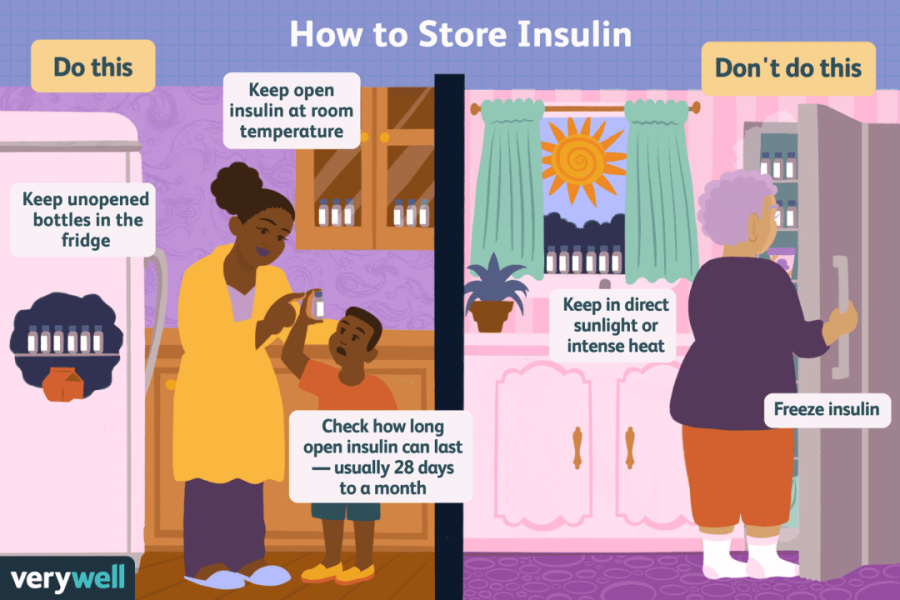
That nuance matters. “Room temperature” on a package insert is not necessarily the temperature inside a galvanised-roof home during a Caribbean afternoon. A closed room, a parked car or a handbag near a stove may become far hotter than 30°C. An ice pack pressed directly against a vial may freeze and damage it.
We rarely ask the obvious question: “Do you have a working refrigerator?”
We send the patient home carrying an invisible second prescription: reliable electricity, safe storage, transport, needles, test strips, regular meals and money to buy stocks when the system fails.
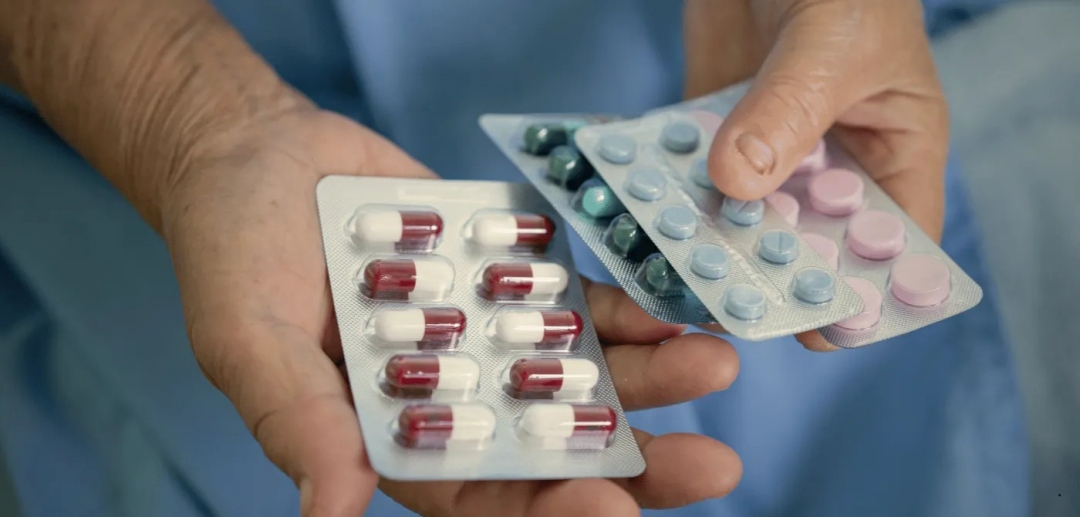
For people with type 1 diabetes, insulin is required for survival. Many people with type 2 diabetes also eventually need insulin—missed treatment can lead to damage to the eyes, kidneys, nerves, heart and feet.
A patient discharged with instructions to “check another pharmacy within the region” has been given a scavenger hunt, often while unwell, short of money and dependent on public transport.
She may be offered an odd vial or pen and be told, with the best of intentions, that it is “basically the same”. It may not be as some insulins begin working quickly and are timed around meals—others act more slowly and provide background cover for many hours. Products may also differ in concentration and delivery.
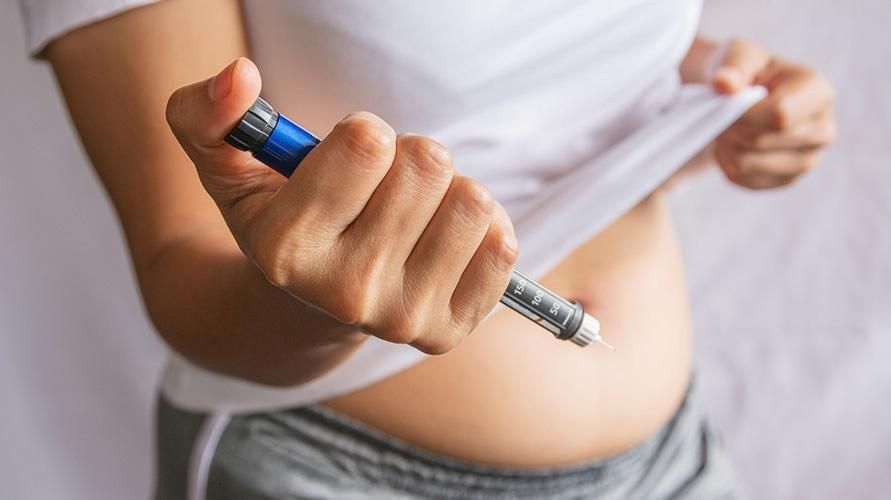
Substituting one insulin for another, continuing the old schedule without proper instructions or borrowing someone else’s supply can send glucose dangerously high or low.
When the body does not have enough insulin, it begins breaking down fat and producing substances called ketones. These can accumulate and cause diabetic ketoacidosis.
The warning signs include relentless thirst, frequent urination, nausea, vomiting, abdominal pain, deep or rapid breathing, unusual exhaustion and increasing drowsiness or confusion. The breath may even develop a strange fruity smell.
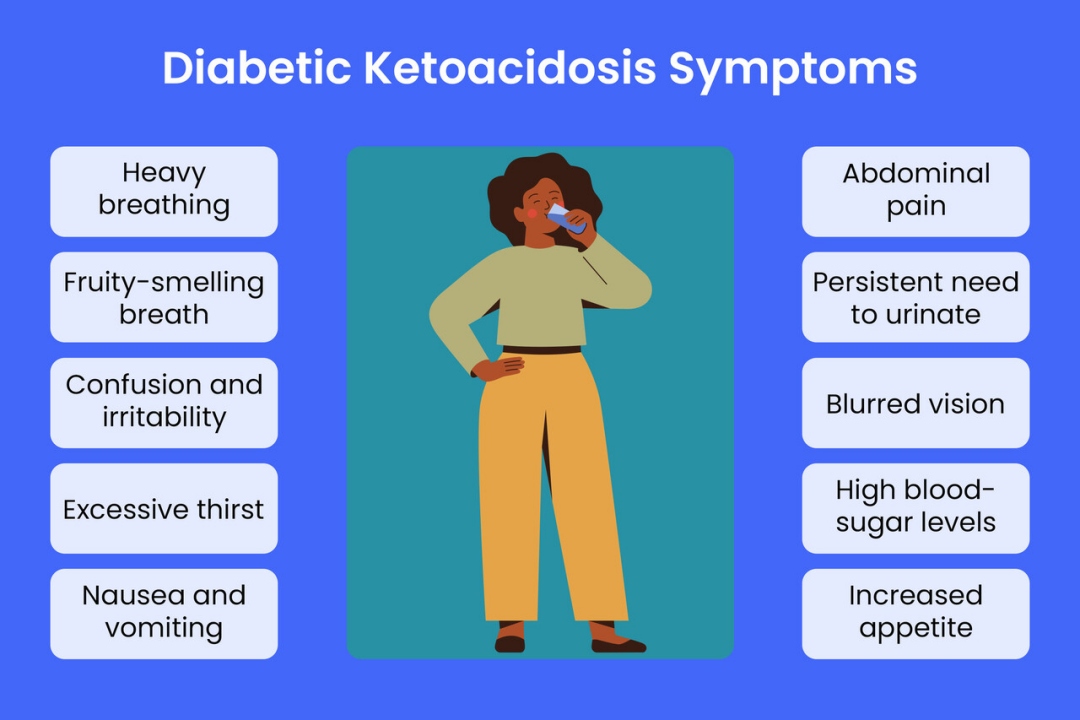
This is particularly dangerous for people with type 1 diabetes and is a true medical emergency.
Low blood sugar can be just as dangerous. A person may begin sweating, trembling or behaving irritably. As the glucose falls further, speech may become slurred, movements unsteady and thinking confused.
If the person is awake and can swallow safely, glucose tablets or another fast-acting source of sugar may help. If the person is unconscious, having a seizure or unable to swallow, nothing should be placed in the mouth. Emergency assistance is needed.
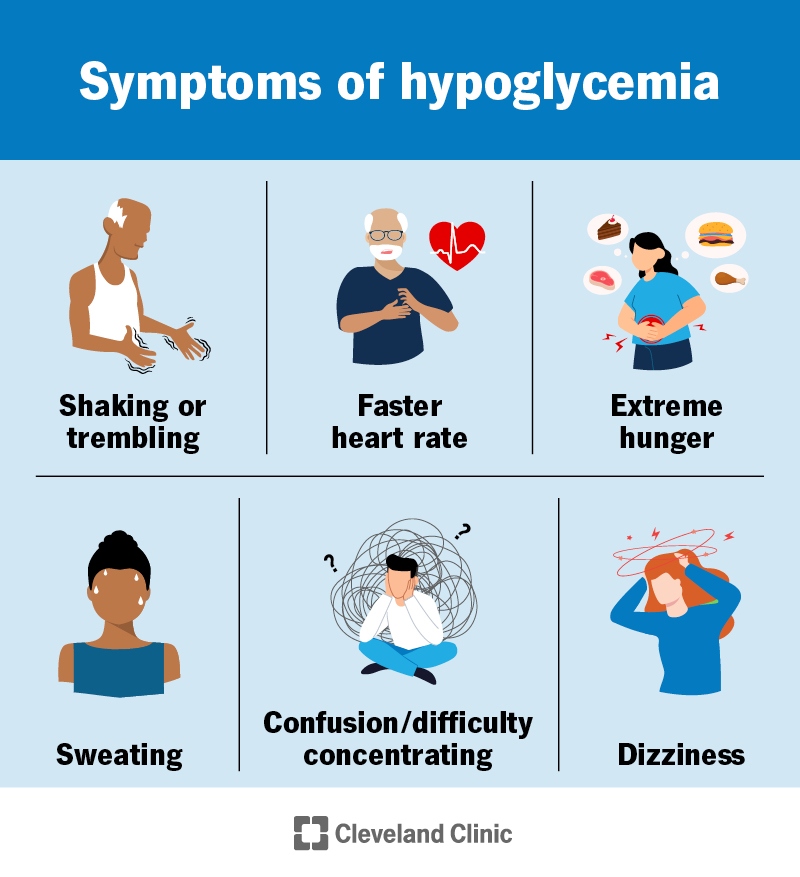
Insulin alone is not diabetes care. A vial without a syringe or pen needle is unusable. Insulin without test strips or continuous glucose monitors can turn dose adjustment into guesswork.
Insulin without education can be dangerous. Insulin without food can produce frightening episodes of low blood sugar. Newer drugs that protect organs and aid weight loss should be essential tools in the therapeutic armamentarium against the scourge of diabetes.
Our patient already understood that insulin mattered. She was the one reorganising her life around a neighbour’s refrigerator.

What she needed was a dependable supply, safe storage advice, the equipment to take it and a health system willing to see the problem before her organs paid the price.
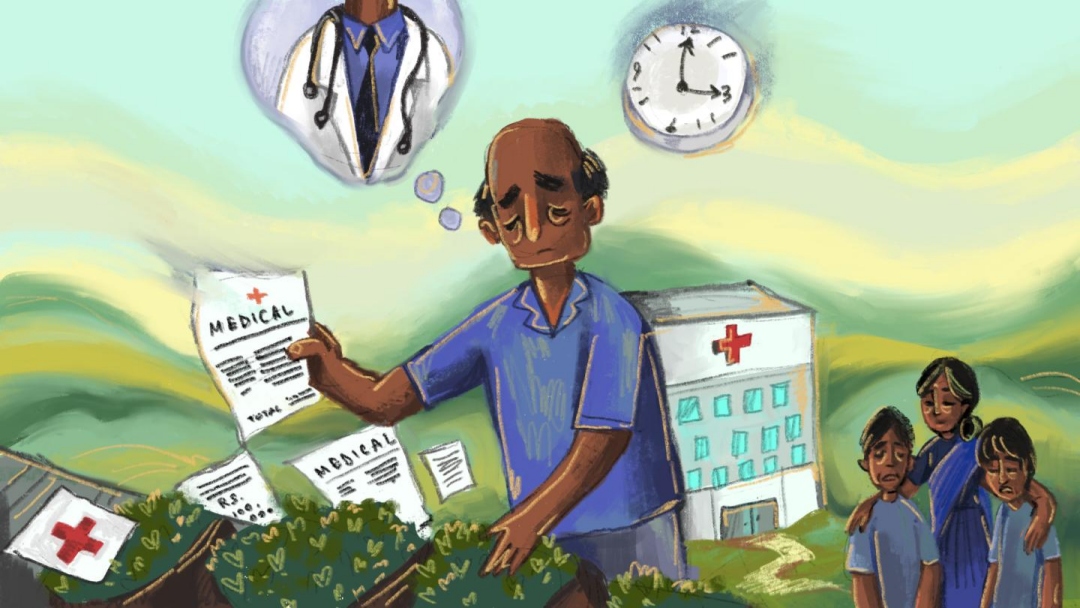
We often speak proudly of free health care in Trinidad and Tobago but a medicine is not truly free if the patient must buy it due to dwindling stocks in the hospitals. It is not accessible if obtaining it costs a day’s wages and three taxi fares.
It is not usable if its safe storage depends on borrowing space beside someone else’s groceries. And it is not compassionate care if, after all of that, we write “poor compliance” in the notes.
Of course, this is not an argument against personal responsibility, lifestyle changes or the importance of adherence. However, insulin was discovered more than a century ago and no one should still have to gamble tonight’s dose against food availability tomorrow.
Sometimes an elevated HbA1c is not evidence that education failed. Perhaps our questions were too shallow.
“Are you taking your insulin?” invites a yes or no response. “What makes it difficult to take your insulin every day?” may reveal the truth.

(via iStockphoto.)
The real issue is whether the prescription ever had a realistic chance of following her home.

As always, October looks lovely. There are pink ribbons to look at in the bank while waiting in an awfully Read more
The prescription for healthy living was flawless, if I do say so myself. Grilled fish, fresh vegetables, fruits bursting with Read more
Covid-19 was a masterclass in socioeconomic inequities but heatwaves have also ignited pervasive disparities in our society. The elderly, those Read more

World Suicide Prevention Day is observed annually on 10 September. The international theme for 2024 to 2026 is “Changing the Read more

In the days before the new academic year begins, the quest for books, uniforms and shoes continues. Health is often Read more

This Independence Day, Trinidad and Tobago turns 64. If the country were one of my patients, this would be about Read more