 Wired868 Wired868 for smart sport news and opinion
Mrs M died last year. I remember the vegetables from her husband’s garden (including my first dragonfruit) and the delicacies that she meticulously prepared.
She was a lovely woman who watched Ask the Doctor with religious fervour. She started visiting for her diabetes and I became close to her family. Her grandson recently recounted the difficulties she faced obtaining care. The troubling account haunts me.
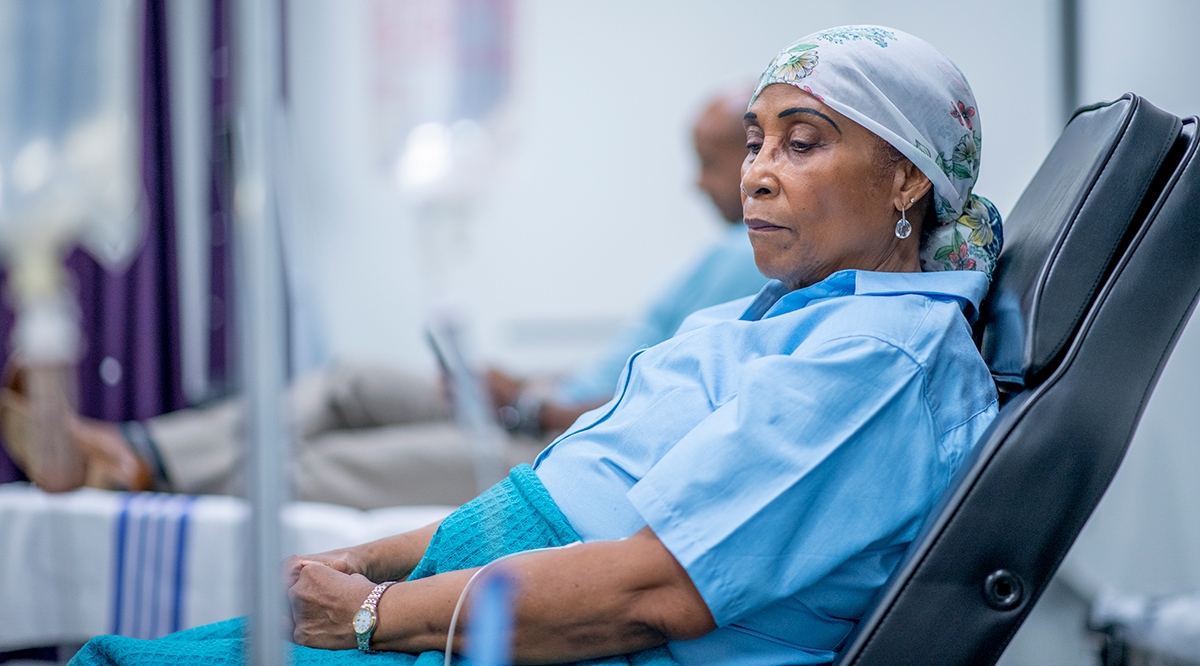
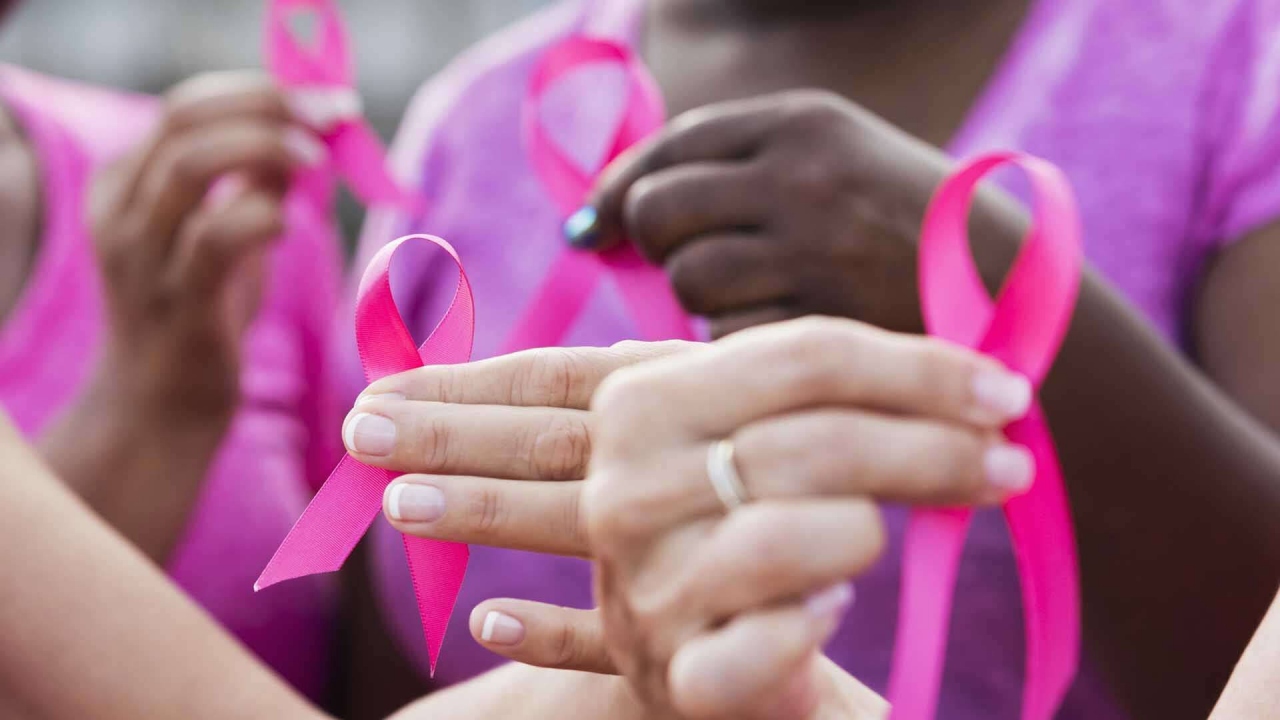
In October, we tell women to notice changes in their breasts and seek help. We repeat the message in interviews, at health fairs and beneath pink decorations.
Mrs M discovered a lump.
What followed included difficulty obtaining surgery, long waits for scans, medicines the family had to buy and periods when therapy was unavailable. We ask a woman to enter a system that is supposed to heal or help, and it failed her.
The biopsy took a few months to confirm cancer. The evolution included a fungating mass—the clinical term for a tumour that grows through the skin and creates a wound. This can bleed, discharge fluid, develop an unpleasant odour and cause pain. It affects clothing, movement, sleep, intimacy and the willingness to leave home.

A woman should never have to feel ashamed of what a tumour has done to her. Unfortunately, this happened to Mrs M. Her hair also fell out during chemotherapy although her husband assured her that the wig was perfect.
Some breast cancers need drug treatment before surgery. A woman may require further investigations, stabilisation of another illness or time to recover between treatments.
A treatment that cannot proceed because an essential service such as a CT scan is unavailable is no fault of the patient.
Families also remember how information was given. A rushed explanation can leave them terrified. A careful conversation cannot repair a broken machine but it can explain the next step, acknowledge uncertainty and establish a plan.
They are also reasons to be careful with the language of October. We call women warriors and ask them to “fight”. We even applaud their courage and some inspire us. It is normal to be tired, frightened and hurting.

Towards the end, even her pain relief depended on an erratic supply of morphine. Such feelings of hopelessness and helplessness can outlast the illness itself.
Death ends the patient’s suffering but does not necessarily end the family’s distress. Palliative care can begin alongside treatment directed at the cancer. It supports symptoms, emotional wellbeing and families.
She was turned away from an institution four times because chemotherapy was unavailable. A meeting was scheduled with a senior doctor but he didn’t bother to attend.
Her grandson described medicines she had to purchase. The family record includes the pharmacy bill, transport, dressings and the work missed to accompany someone who is ill.
The label “free healthcare” tells us little unless we also ask what patients must buy to complete their care.
Across Trinidad and Tobago, clinicians, nurses, pharmacists, radiographers and others undertake difficult work for people with cancer. They need reliable supplies, equipment and staffing. It is interesting that her favourite cancer doctor was a non-national.
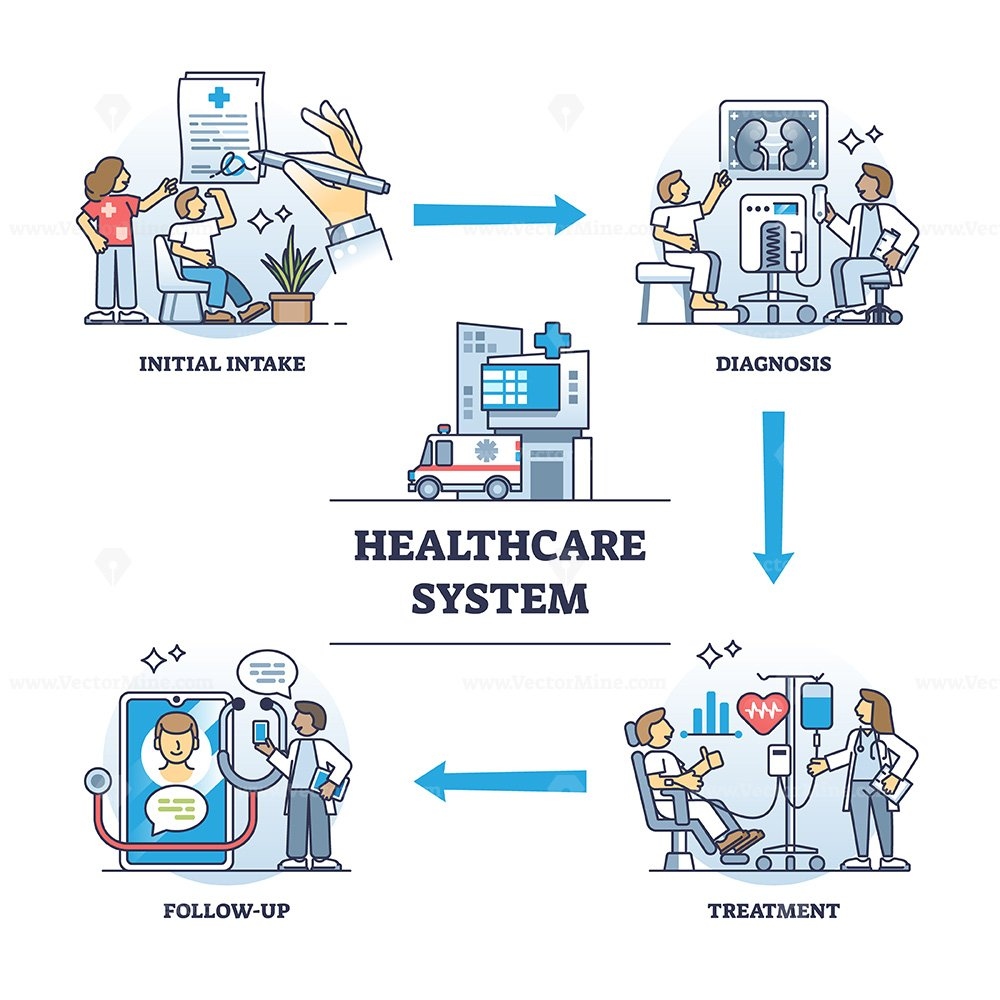
The World Health Organization’s breast cancer initiative sets a goal of completing diagnostic evaluation, imaging, tissue sampling and pathology within 60 days of first presentation to the health system.
It also calls for more than 80 per cent of patients to complete recommended multimodality treatment without abandonment. It would be interesting to see local data.
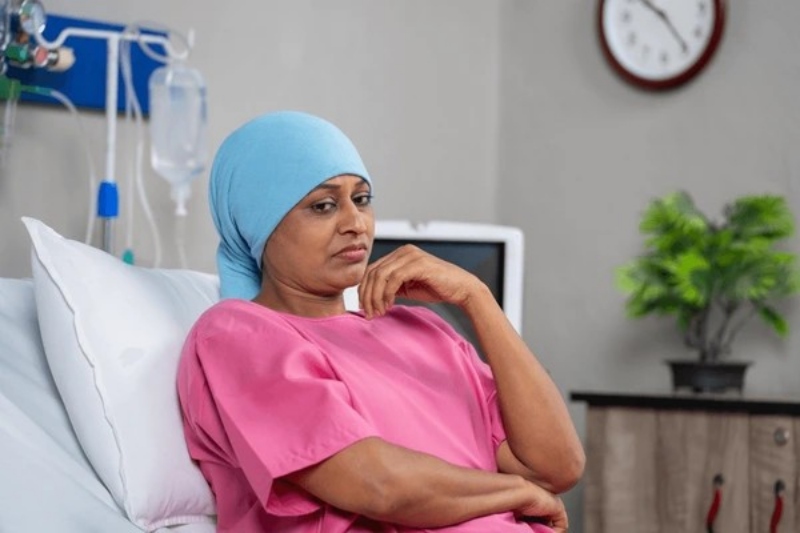
A new lump, skin dimpling, a change in breast shape, a newly inverted nipple or abnormal nipple discharge should be assessed. Most breast lumps are not cancer but evaluation is mandatory.
During the shameless “pinkwashing” advertisements and expensive “fundraisers” by corporate sponsors this month, the public ought to know what was purchased and whom it helped.
There was also the bitter experience of finding the same doctor willing to see her in a private office while she struggled to obtain the care she needed through the public system.
Mrs M died. She was weary but had so much hope of getting better. Her family continues to shed tears when we meet.
I cannot promise that timely treatment would have saved her. I can say that she deserved reliable care and relief from pain.
Her family should have been able to spend more of those precious days with fewer journeys to find a medicine, pay for a test or plead for an appointment.
Imagine her beside the hospital bed, handbag slipping off one shoulder, phone vibrating with messages from work. Her father is Read more
As always, October looks lovely. There are pink ribbons to look at in the bank while waiting in an awfully Read more
The prescription for healthy living was flawless, if I do say so myself. Grilled fish, fresh vegetables, fruits bursting with Read more
Covid-19 was a masterclass in socioeconomic inequities but heatwaves have also ignited pervasive disparities in our society. The elderly, those Read more
World Suicide Prevention Day is observed annually on 10 September. The international theme for 2024 to 2026 is “Changing the Read more

In the days before the new academic year begins, the quest for books, uniforms and shoes continues. Health is often Read more