 Wired868 Wired868 for smart sport news and opinion
“[…] Mr Devant Maharaj argues that critics of that vote treat a dictatorship as a victim. That is not the argument. The argument is that ordinary Cubans are the victims and that the measure punishing them is wrong in law and principle—and that a small state which depends on international law should not cheer when a large one ignores it…
“[…] He accuses regional leaders of condemning authoritarianism ‘only when it is convenient and distant’. The charge fits Washington far better than it fits Caricom…”
The following Letter to the Editor, which rebuts ex-UNC minister Dr Devant Maharaj’s support of the Government’s stance regarding US sanctions on Cuba, was submitted to Wired868 by Jessica Joseph, the creative director of Accela Marketing St Lucia/Canada and a human rights activist:

(Copyright Carlos Latuff.)
Let us begin where Devant Maharaj and I agree. Cuba is a one-party state. The Communist Party has governed since 1959, independent journalists have been harassed and jailed, and Cubans have no say in who rules them. Anyone who believes in democracy should say so plainly, and I do.
But that was never the question before the United Nations on 28 October. The question was whether one powerful country should keep squeezing the economy of a small Caribbean neighbour until its people give up their government. On that question, Trinidad and Tobago’s answer for more than three decades was no.
This year, alone in Caricom, we voted to let the squeeze continue.
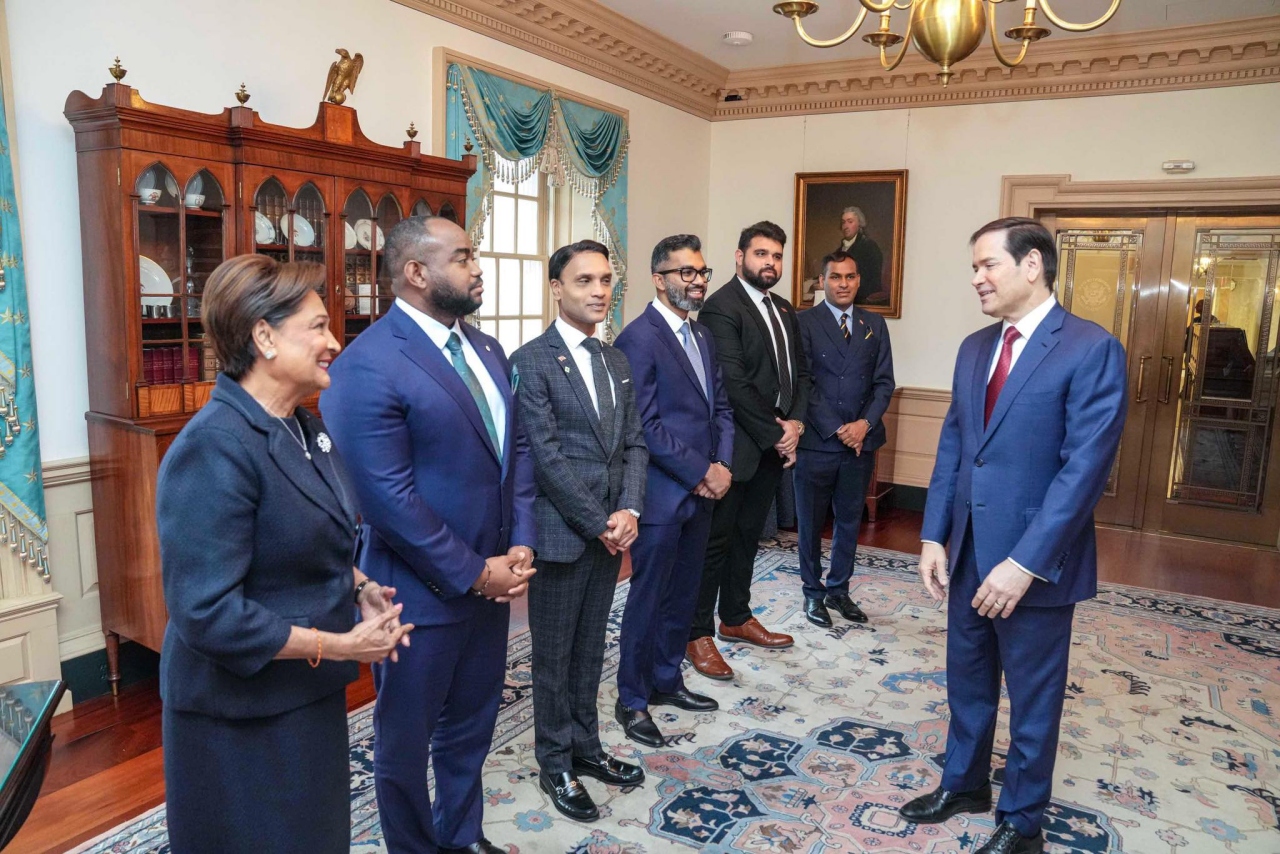
Photo: UNC.
Mr Maharaj argues that critics of that vote treat a dictatorship as a victim. That is not the argument. The argument is that ordinary Cubans are the victims and that the measure punishing them is wrong in law and principle—and that a small state which depends on international law should not cheer when a large one ignores it.
He accuses regional leaders of condemning authoritarianism “only when it is convenient and distant”. The charge fits Washington far better than it fits Caricom.
The United States did not impose the embargo because Cuba lacked elections. Cuba’s previous ruler, Fulgencio Batista, was a dictator and a US ally. Across the region, Washington backed Rafael Trujillo in the Dominican Republic and the Duvaliers in Haiti for decades.

(Copyright AP.)
In 1954, the CIA helped overthrow Guatemala’s elected president, Jacobo Árbenz. In Chile, it worked to undermine the elected Salvador Allende before the 1973 coup that brought Augusto Pinochet to power.
The USA backs dictators now. The USA has zero issues with dictators—who do what their corporations want. US policy has never been a consistent protection of democracy and human rights.
He cites Forbes Burnham’s Guyana as a dictatorship the region ignored, but he conveniently, if not dishonestly, does not mention who helped put Burnham there.

(Courtesy Guyana Graphic.)
The US State Department’s own published history records that the CIA gave Burnham’s party money and campaign expertise to defeat Cheddi Jagan, Guyana’s elected leader, in 1964. It then kept funding Burnham’s coalition and helped him win again in 1968.
US officials told the British that a Jagan victory would be “politically intolerable” because he was a democratic socialist—much like mayor Zohran Mamdani is currently.
In January 2026, a US executive order declared a national emergency over Cuba and authorised tariffs on any country that supplies it with oil. The results? Devastation!!!
People are suffering right now!!!
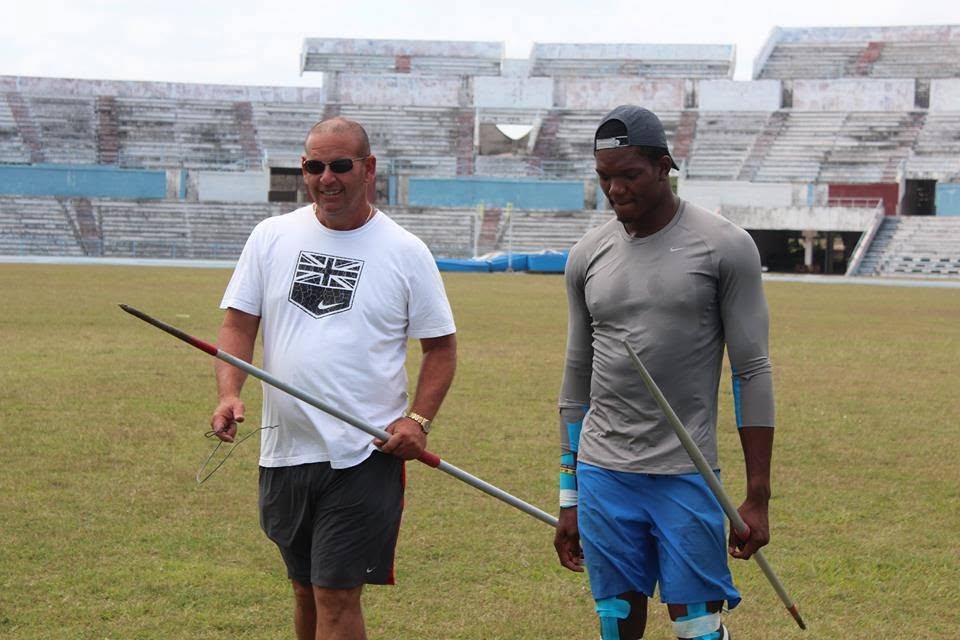
Mastrapa is one of dozens of Cubans who worked in Trinidad and Tobago, through a partnership between both governments in the fields of medicine, agriculture and sport.
UN human rights experts said the measures breach Article 2 of the UN Charter and form part of a regime-change strategy. Their warning was blunt: food, water, fuel and medicine must never be a tool of political pressure.
Is this what we would like for ourselves?
Mr Maharaj ends by asking a very childish question about why none of the vote’s critics has offered to swap passports with a Cuban. By the same logic, no one could oppose a siege anywhere without first moving into it.
People who opposed apartheid did not have to emigrate to Soweto to be right.

We can say all of this at once: Cuba should hold free elections, release political prisoners and let journalists work and the embargo is still morally wrong!
It is also morally wrong to treat a neighbour like this. A neighbour that has been nothing but good to us.
More than 20,000 Cuban specialists have served across Caricom, mainly in health and education. In 2018, about 1,300 Cubans were working in our health sectors. Five thousand, four hundred and thirty-two Caricom nationals graduated from Cuban universities, many as doctors who now staff our own hospitals.
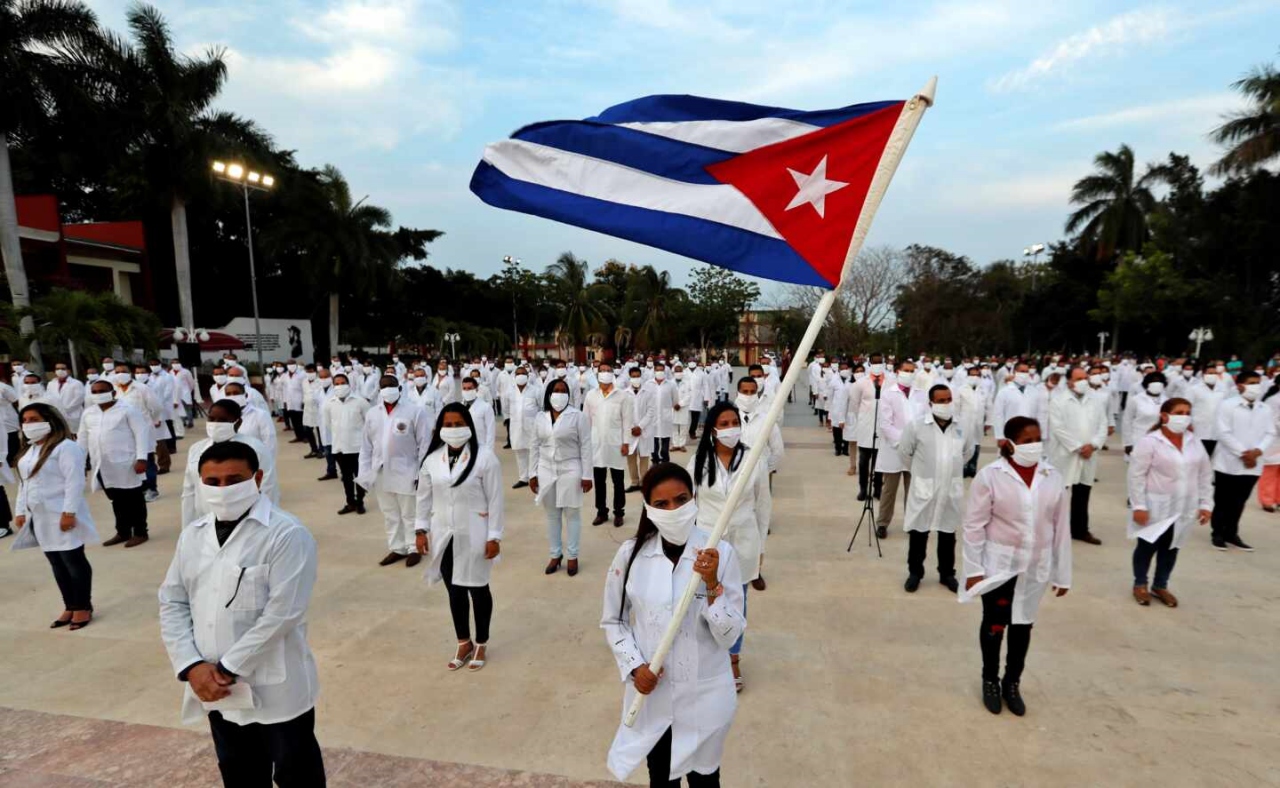
Trinidad and Tobago is among multiple Caribbean countries that benefitted directly from Cuban medical expertise.
(Copyright EPA-EFE/ Ernesto Mastrascusa.)
Cuban medical teams worked through Haiti’s 2010 earthquake and cholera outbreak, and served in several Caricom states during the Covid-19 pandemic.
A neighbour who sent doctors when we needed them deserves better than our vote for its siege.
Our security rests on the UN Charter, on sovereign equality, and on the idea that powerful countries may not starve smaller ones into submission. I guess we are saying, this is okay then?
|
Wired868 has provided readers with solid, independent journalism since 2012. If you appreciate our work, please contribute to our efforts. Support Independent Journalism |

“[…] Trinidad and Tobago’s vote on 28 October 2026 against the UN resolution on the Cuba embargo was not a Read more
I support democracy, human rights, political freedom and the right of the Cuban people to determine their own future. Those Read more

“[…] Mr Raffique Shah admired Paris students protesting fuel prices and the poor conditions of schools in their poorer districts… Read more
Once again, the calypso fraternity and the nation of Trinidad and Tobago have been plunged into mourning with the passing Read more
I am not a politician. I’m certainly not a senator. I am just a citizen who pays attention. So, when Read more

Today, Trinidad and Tobago, and indeed the Caribbean, bids farewell to a true cultural giant. With the passing of Dr Read more

Jessica Joseph is currently the Creative Director of Accela Marketing St Lucia/Canada. She is a multiple ADDY Award Winning Trinidadian national, Pop Cultural Anthropologist and Humans Rights Activist.
She blogs on Huffington Post and alieninthecaribbean.blogspot.com.