 Wired868 Wired868 for smart sport news and opinion
“[…] Trinidad and Tobago’s vote on 28 October 2026 against the UN resolution on the Cuba embargo was not a betrayal of principle. It was the first time in more than 30 years that this country refused to lend its name to a resolution that treats a military dictatorship as the injured party…”
The following Letter to the Editor, which addresses the Kamla Persad-Bissessar-led Government’s support of a US embargo on Cuba, was submitted to Wired868 by former UNC minister Dr Devant Maharaj:
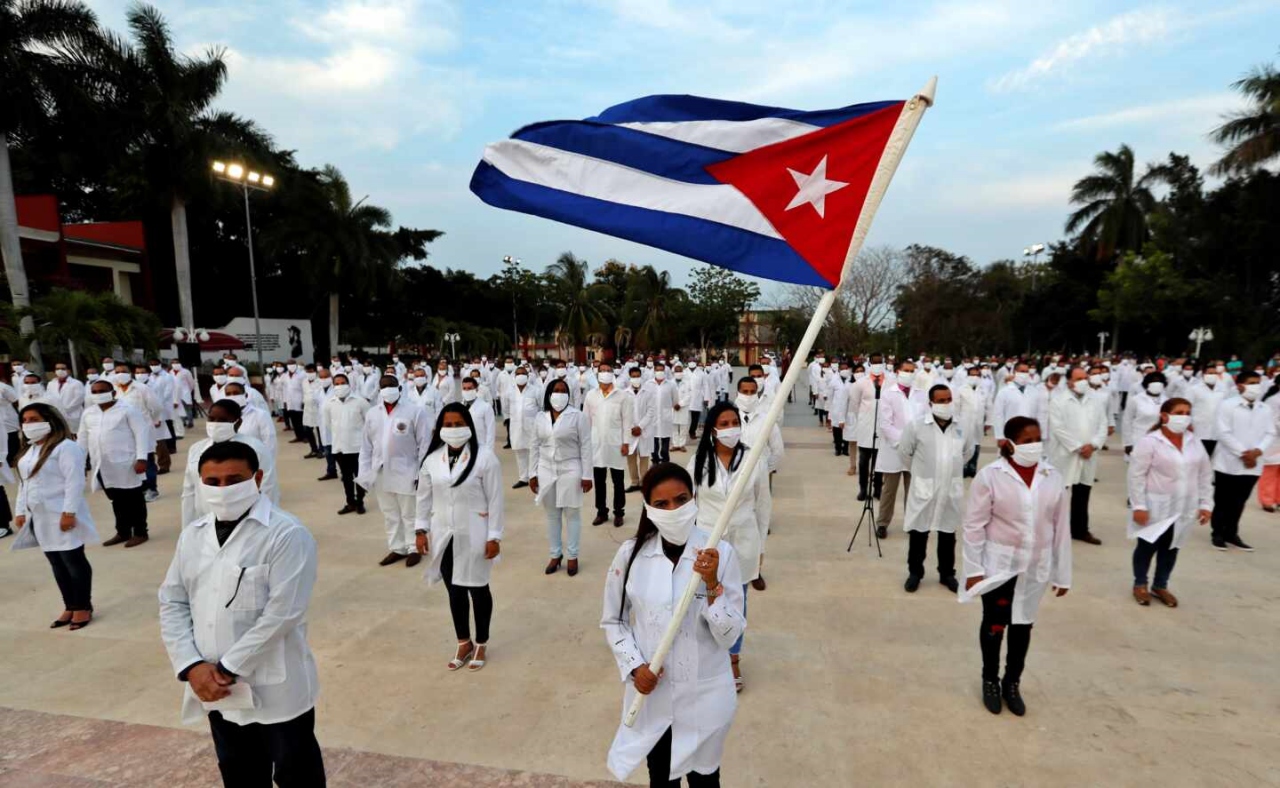
Trinidad and Tobago is among multiple Caribbean countries that benefitted directly from Cuban medical expertise.
(Copyright EPA-EFE/ Ernesto Mastrascusa.)
I have not supported the Kamla Persad-Bissessar government on many things. However, on the position of Cuba, I fully support.
Trinidad and Tobago’s vote on 28 October 2026 against the UN resolution on the Cuba embargo was not a betrayal of principle. It was the first time in more than 30 years that this country refused to lend its name to a resolution that treats a military dictatorship as the injured party.
The Government has said it supports the Cuban people and rejects the system that rules them. That is the only position consistent with freedom.
The official opposition has condemned the vote. Former Prime Minister Keith Rowley called it “shameful” and accused the Government of selling the country’s dignity to curry favour.

Photo: UNC.
Former Foreign and Caricom Affairs Minister Dr Amery Browne went further, branding it “disgraceful”, claiming it contradicts the UN Charter and international law, does not represent the views of the people of Trinidad and Tobago, and aligns the country with the “starvation of millions”.
He also said the vote confirms Trinidad and Tobago as a “vassal fringe state” that has farmed out its foreign policy. These are strong words. They are also familiar. They treat the Cuban regime as a victim of external pressure rather than the author of its own people’s hardship.
They ignore that Cubans cannot freely leave, that independent journalism is punished, and that the economy collapses under one-party rule even when oil or remittances arrive. None of those who now defend Havana has offered to trade their passport for a Cuban one. The silence is the argument.
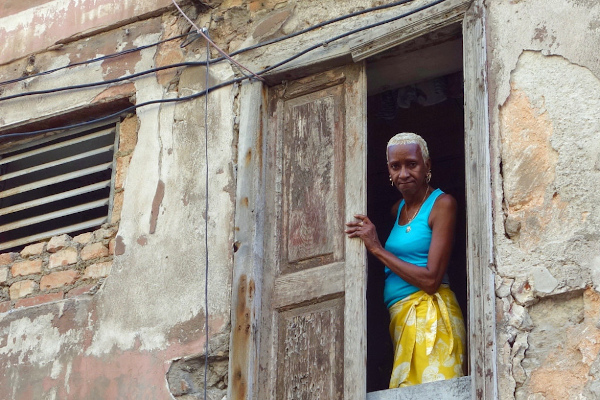
The same regional leaders who now issue statements about Cuba once watched other Caribbean dictatorships and limited themselves to talk. Maurice Bishop’s Grenada ran a one-party state until a US force removed it.
Forbes Burnham’s Guyana under cooperative socialism produced repression and economic failure while neighbor’s offered little concern. Joaquín Balaguer’s long rule in the Dominican Republic was marked by violence and control, yet Caricom statements rarely moved beyond ritual. Haiti’s suffering continues in full view.
Regional governments speak from the safety of their own democracies and then return to business as usual. Authoritarianism is condemned only when it is convenient and distant.

(Copyright AFP 2014/ Roberto Schmidt.)
Communism and military rule have failed wherever they have been tried. They produce fear, exit, and economic collapse. The Cuban people live under one-party rule that the regime itself has sustained for more than six decades. The embargo is secondary to that system.
Voting against a resolution that ignores this fact is not hostility to Cubans. It is refusal to pretend that their hardship is caused only by external pressure.
The Government’s position is clear: support the people, reject the dictatorship. Critics who defend Havana while refusing to live under it have already answered their own argument.

I support democracy, human rights, political freedom and the right of the Cuban people to determine their own future. Those Read more
Once again, the calypso fraternity and the nation of Trinidad and Tobago have been plunged into mourning with the passing Read more

I am not a politician. I’m certainly not a senator. I am just a citizen who pays attention. So, when Read more

Today, Trinidad and Tobago, and indeed the Caribbean, bids farewell to a true cultural giant. With the passing of Dr Read more
“[…] It is nothing short of amazing how this current political directorate can go from conceptualization of 30 ‘police post’ Read more
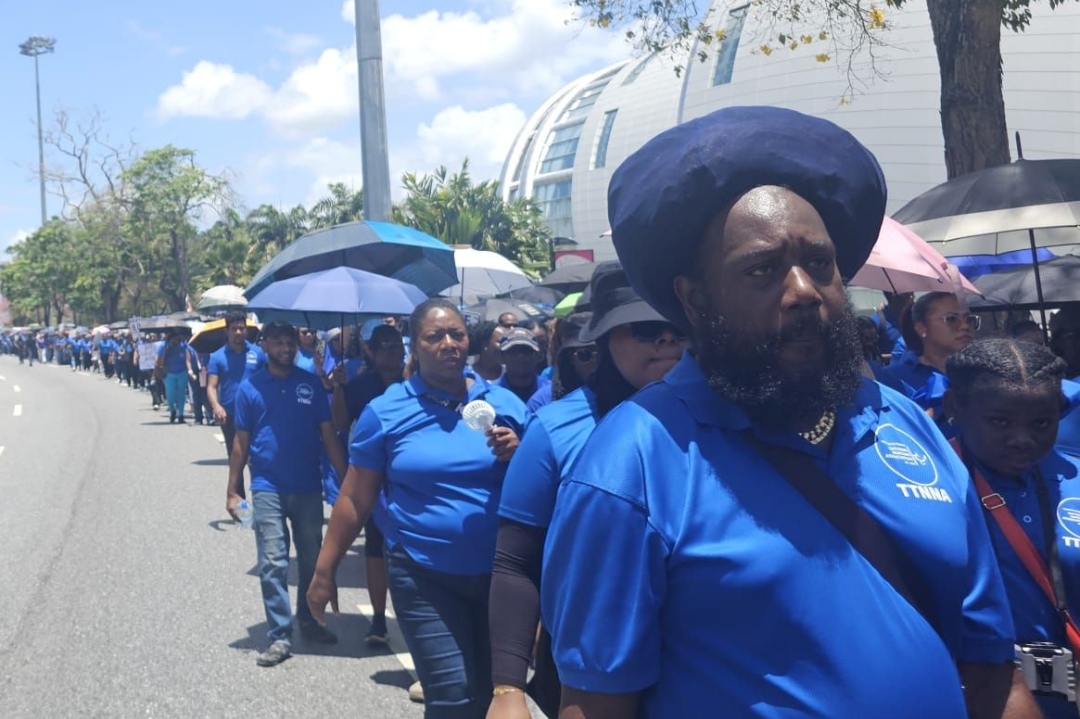
Thirteen years have passed since health care workers, Lake Asphalt employees and other workers last received a salary adjustment. In Read more

Want to share your thoughts with Wired868? Email us at editor@wired868.com.
Please keep your letter between 300 to 600 words and be sure to read it over first for typos and punctuation.
We don’t publish anonymously unless there is a good reason, such as an obvious threat of harassment or job loss.