 Wired868 Wired868 for smart sport news and opinion
Recently, I was retained to proofread a report—something I have done for decades. Academic documents, literary manuscripts, reports: a wide range of genres that were almost always interesting and enlightening. Yet, they all required careful scrutiny of grammar, spelling, facts, and other elements that skip even the most fastidious authors.
This one was different. The client had informed me that it had already been edited by AI, but still wanted a human eye to go through it.
When I got into it, I was taken aback by the absence of typos, the fluency of the sentences, and the general consistency of stylistic choices. Dates, times, titles, references; everything was remarkably aligned.
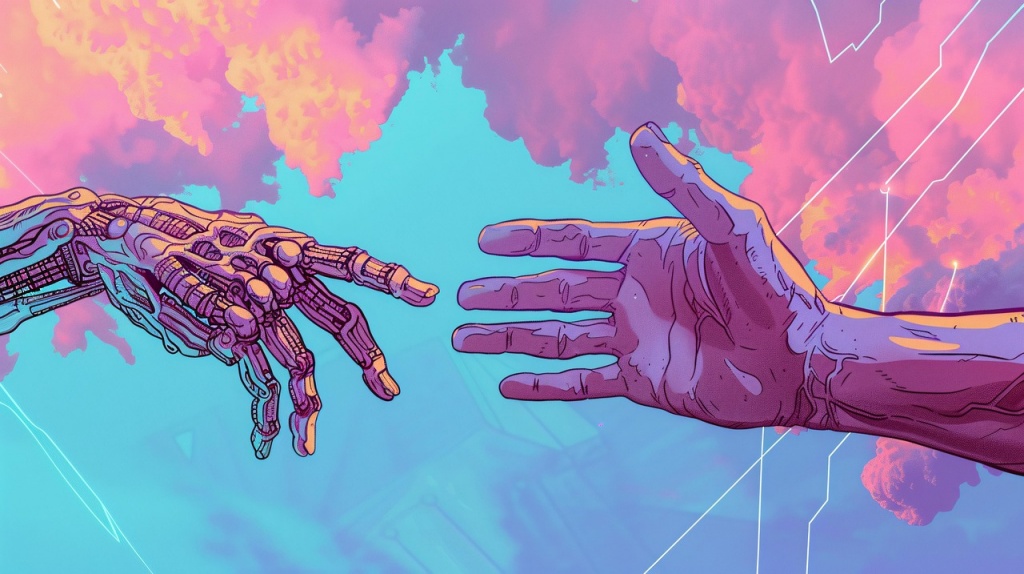
It wasn’t absolutely clean, though; there were a few instances of obvious slips, and it struck me that they were of the kind that could be missed if one didn’t have what I can only describe as a human understanding of the context.
I came away with two distinct impressions. One was a sense of marvel at the way artificial intelligence could be used, because I have never employed it in my writing, but I also felt very acutely that one of my professional skills has been made obsolete.
Knowing that it was not a flawless edit offered no solace. Those of us who have been in this business before the internet changed everything can surely relate to the forlorn feeling I describe.
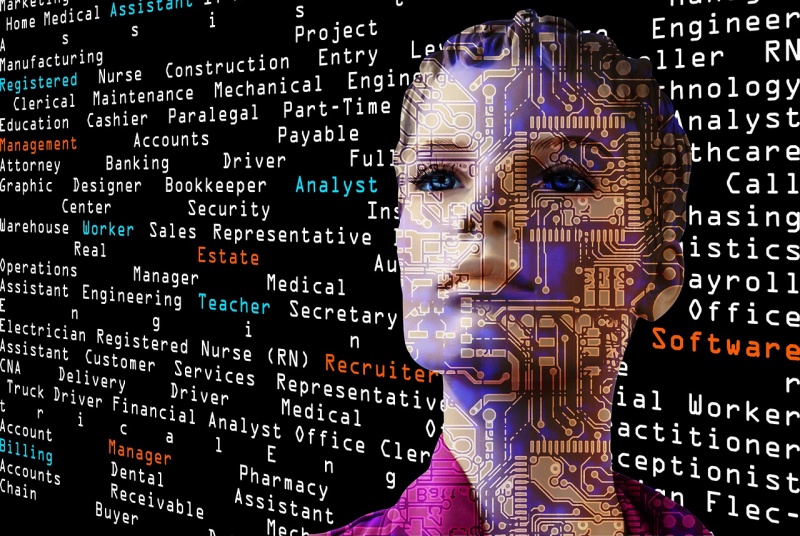
The aspects of copy-editing and fact-checking that are deeply ingrained as part of this wilting profession have been replaced by a computer’s assessment of what is good enough to pass muster. And what passes muster now is of a quality that reflects the standards that are absolutely acceptable today.
It brings me to questions I often ask myself. Who gets to decide about such things? Does it really matter if a person delegates writing and thinking and research to a system that can churn out material that can be award-winning with little input from the human receiving the plaudits?

As someone who believes that this thing we call life finds meaning through creative impulses streaming into the universe from music, art, literature, dance — all those bursts of magnificence that lift our spirits at one time or the other — I can only mourn the idea of human creativity being replaced.
It has been said that ultimately, AI has been trained by the workings of the human mind, and so what it generates has a human origin. I am not persuaded by that. I want the real thing. I want to be able to trust my source.
I think that trust has been irrevocably eroded with its proliferation. I don’t believe anything I see online unless there is meaningful corroboration. Journalism taught me scepticism, but can anyone really say they trust what they see? Fake images, fake stories — any wit who wants to play a prank or throw out a meme can create anything using AI.
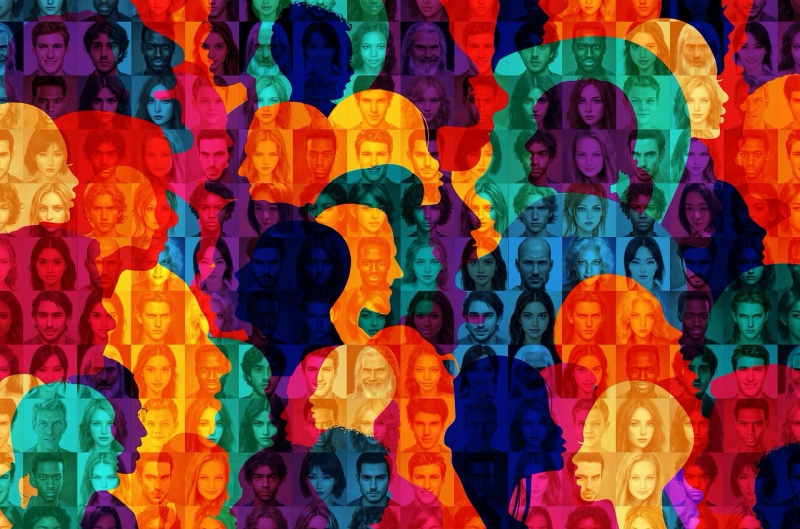
I’ve seen images of myself online, arm in arm with Lance Gibbs as if I were his spouse. That’s become so common. And people buy it because they have abandoned the idea of thinking for themselves.
A couple of years ago, in what might have been my first direct encounter, I was writing something on cricket and wanted to double-check something.
I did a Google search, and the AI overview thing provided a response that was obviously wrong. I typed that it was inaccurate, and it came back to say that this was the historical fact.
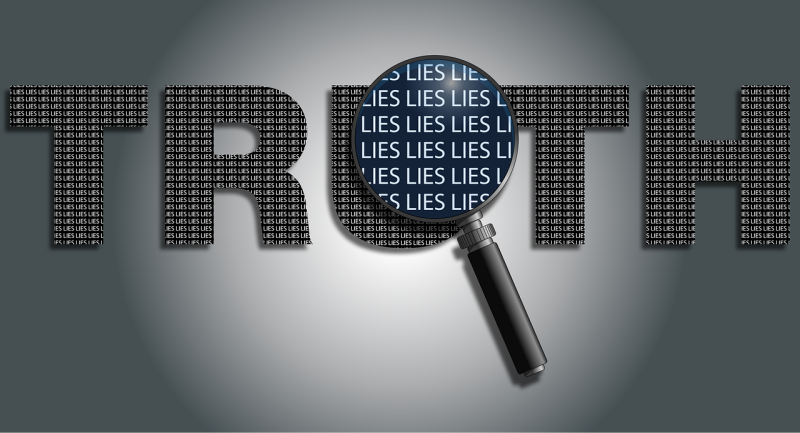
I went to my own documents and entered the accurate information. It then conceded that it had been mistaken.
Curious, I asked if future queries would now get the right response. It responded that this was only applicable to the current thread and there was no guarantee of a correct answer. “So what’s your purpose?” I asked, and closed the tab in annoyance. Had I not been aware of cricket history, I would probably have accepted the information it had proffered.
It’s one of the reasons I am not thrilled at the idea of the use of AI as a teaching mechanism for young children.
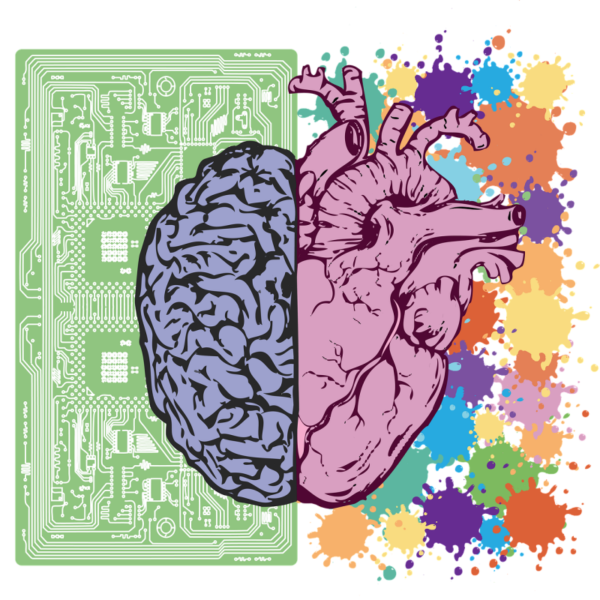
It seems to me that it is pushing them far too early into a world for which they are unprepared. I know that learning by rote has been the method forever and ever, but it has not facilitated the development of thinking.
Children who don’t know how to process information are stumped when they have to solve problems that require some logic. I keep wondering about whether the immediate future requires that capacity. I mean, if AI can do it all, what’s the point?
But I always come back to the idea that what is at stake is the loss of the qualities that make us human: quirks, flaws and all the imaginative things we come up with on our journeys through life.

I am happy that I live in an age where technology has improved so much in the quality of life, but I am wary of overwhelming dependence on it. Perhaps as its ubiquitous presence is becoming more oppressive, others feel the same way.
I wonder if the spate of cyber-attacks, mysterious malfunctions and hacks into refrigeration systems is not a warning that if everyone is inextricably connected to this online world, it follows that it might only take one glitch to bring it all crashing down.
A recent event triggered an avalanche of blocked memories. One dates back to more than 50 years ago. A man Read more

Too many things are unacceptably wrong with this brown water situation. The State tells us it is temporary, and so Read more

No matter how thrifty I am, it is a challenge to manage the high cost of living. Working from home Read more

In the days before the new academic year begins, the quest for books, uniforms and shoes continues. Health is often Read more

When I reach into the freezer for something from my hoard of cooked dishes, I am often reminded of the Read more
There is a strange irony in the national conversation now unfolding. We are being asked to consider hosting artificial intelligence Read more
Vaneisa Baksh is a columnist with the Trinidad Express, an editor and a cricket historian. She is the author of a biography of Sir Frank Worrell.