 Wired868 Wired868 for smart sport news and opinion
The announcement of a $250 monthly increase in the Senior Citizens’ Pension, effective January 2027, is welcome. However, it is difficult to celebrate this increase without questioning the glaring inequality in the retirement benefits afforded to ordinary citizens and those who serve in political office.
For thousands of citizens who spent their working lives contributing to the National Insurance Scheme, the minimum retirement pension remains TT$3,000 monthly. The newly announced $250 increase applies to the means-tested Senior Citizens’ Pension, not the NIS minimum retirement pension.
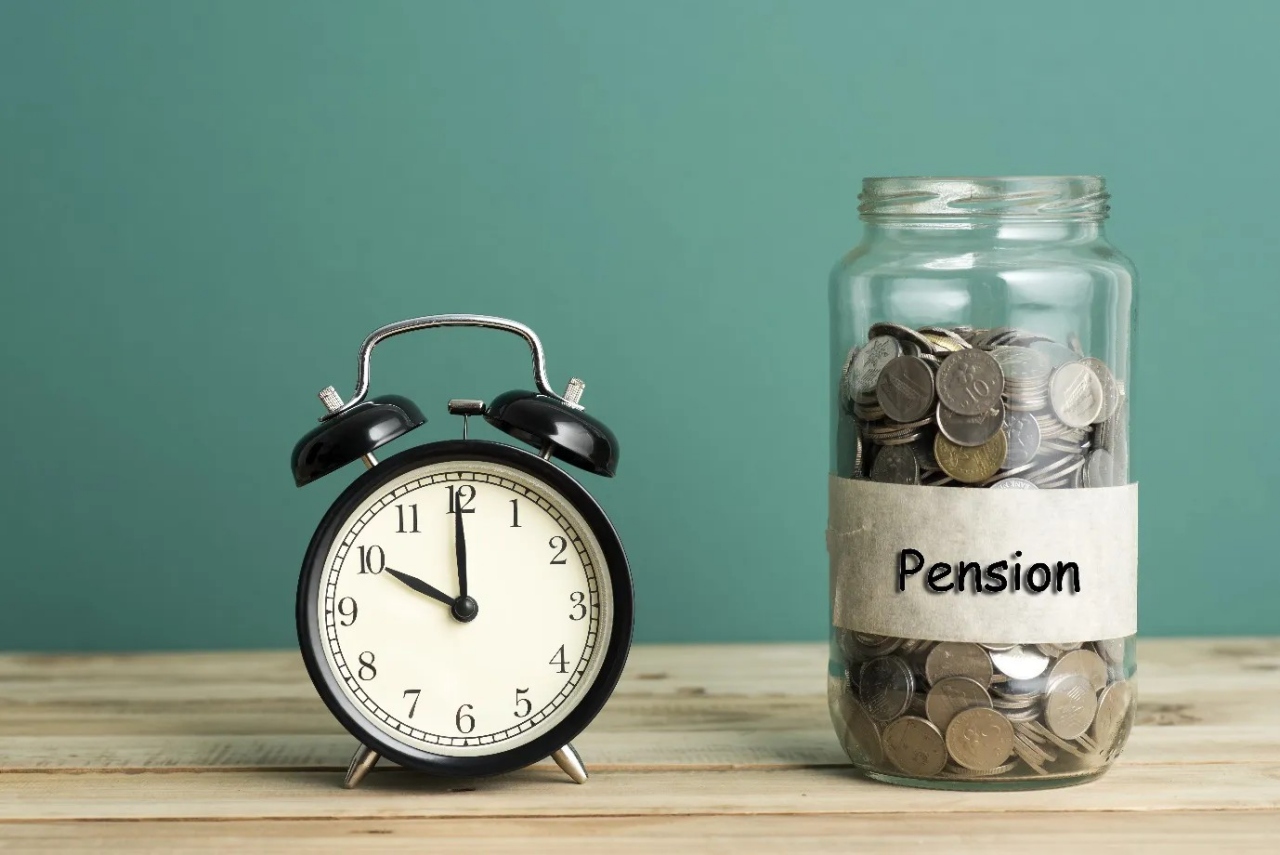
It is alarming that a retired prime minister who qualifies for the full pension can receive almost 30 times the minimum NIS pension of an ordinary working citizen. Swallow the fact that the monthly prime minister’s payment is $87,847, versus the citizen’s payment of $3,000.
When in Opposition, the prime minister considered it unacceptable for a prime minister to benefit from a substantial increase in salary that would also increase his retirement pension.
She publicly condemned the arrangement and said that the money should instead benefit public servants. Now that she is prime minister, what has changed?
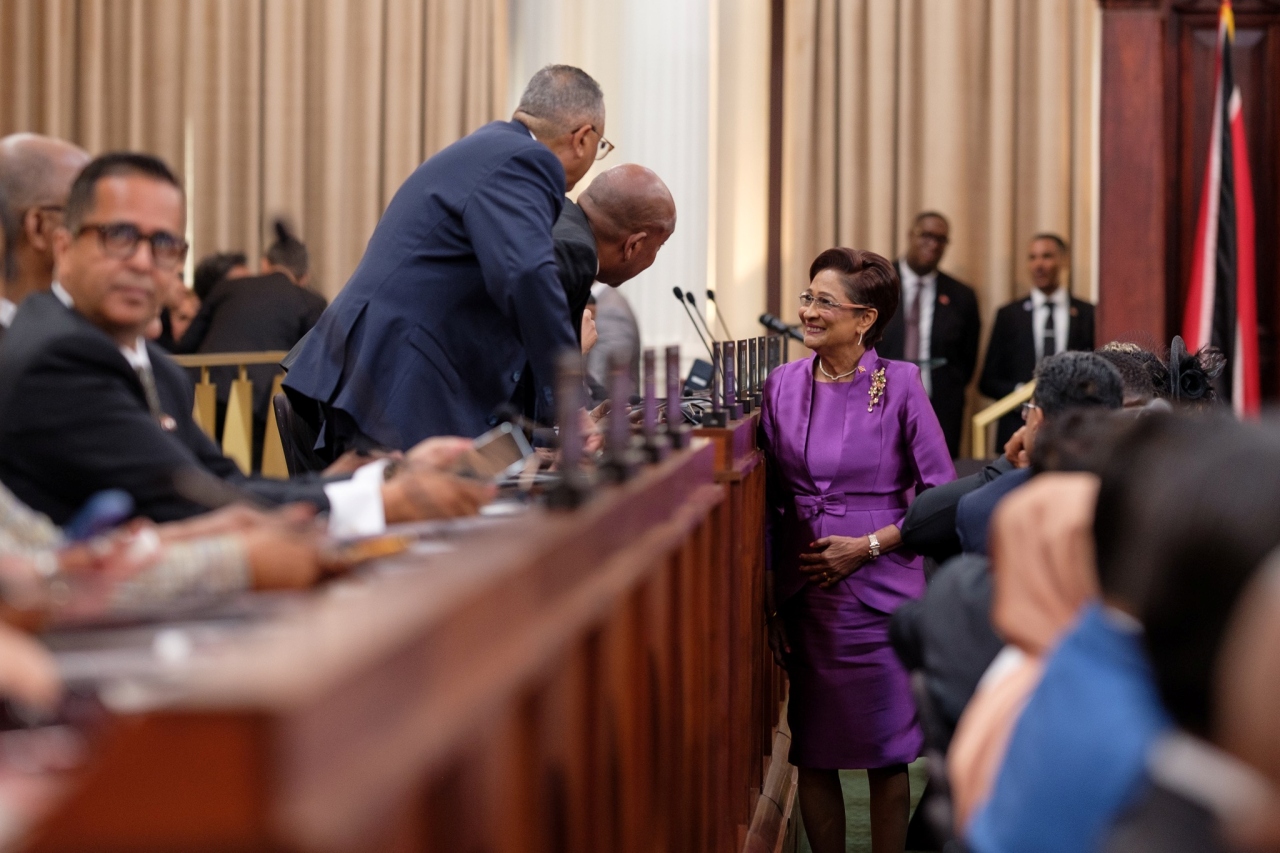
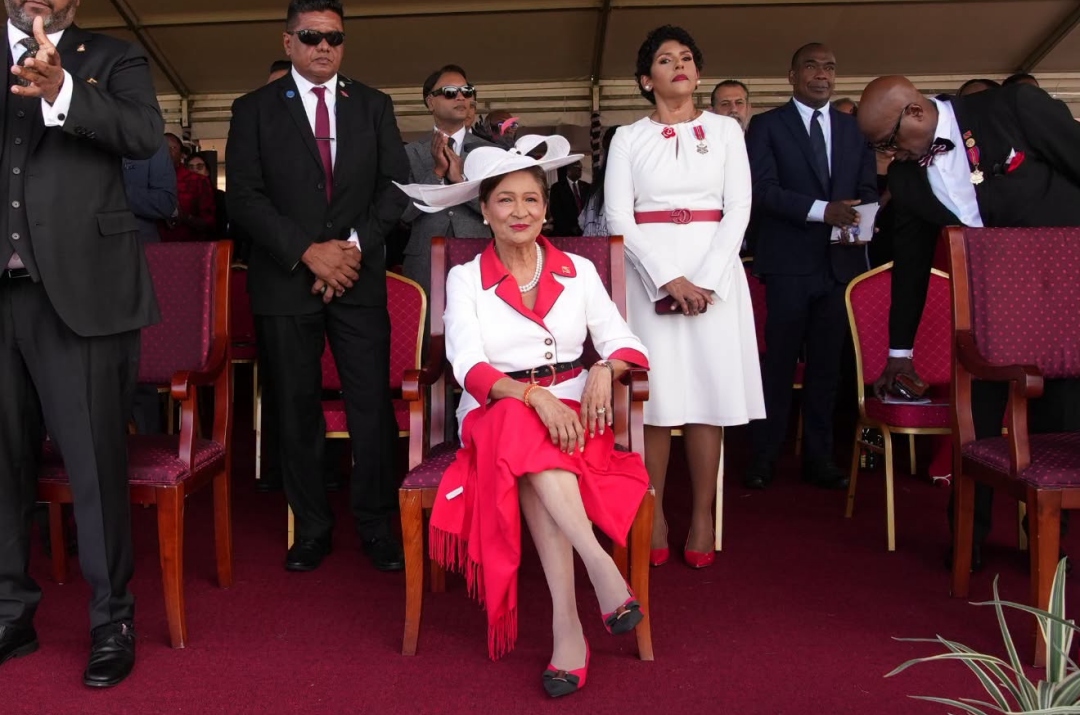
Copyright: Office of the Parliament 2025.
More importantly, why has the principle she so forcefully defended not been extended to address the enormous difference between the pensions of ordinary citizens and those of politicians?
Our Prime Minister strongly objected to the prospect of Stuart Young receiving a full prime ministerial pension of approximately $87,847, after serving for only a few weeks. She argued, quite rightly, that such an arrangement was unjustifiable.
Her government subsequently amended the legislation, introducing a minimum service requirement and a graduated pension formula. However, a prime minister serving four years or more remains entitled to a pension equivalent to the full salary of the office.
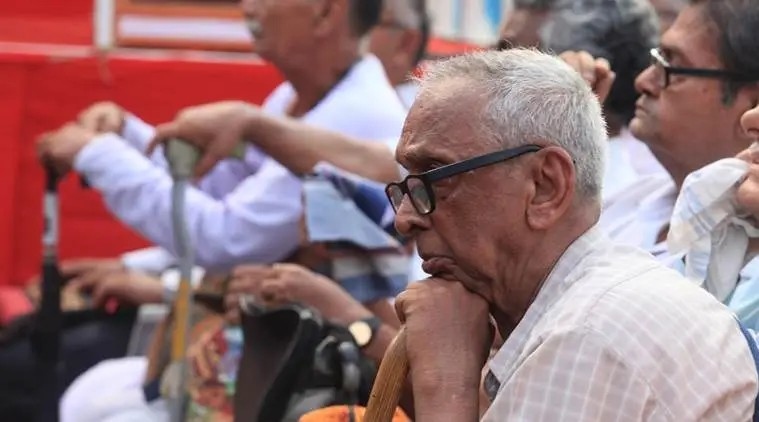
(via Indian Express.)
The bottom line is that fundamental inequality remains.
Other Caribbean countries have adopted different approaches. Barbados, for example, provides for a former prime minister’s pension of two-thirds of the highest salary earned in that office.
Surely, we can examine these arrangements and consider a more equitable approach.
The issue is not whether politicians should be compensated for their service to the country, but whether it is acceptable for those elected to serve the people to enjoy retirement pensions that are 20 to 30 times greater than those of ordinary citizens.

Copyright: Office of the Parliament 2025.
How can we defend a system in which citizens who worked and contributed throughout their lives are left struggling to meet basic needs in retirement, while those who once held political office are guaranteed such extraordinary financial security?
Surely, those who make decisions on behalf of the people should be guided by the same principles of fairness and equity that they expect citizens to uphold. Anything less is an affront to the very people they were elected to serve.
I therefore call on the Prime Minister and all Members of Parliament to demonstrate the political will to review the Prime Minister’s Pension Act and the Parliamentary Pensions arrangements.
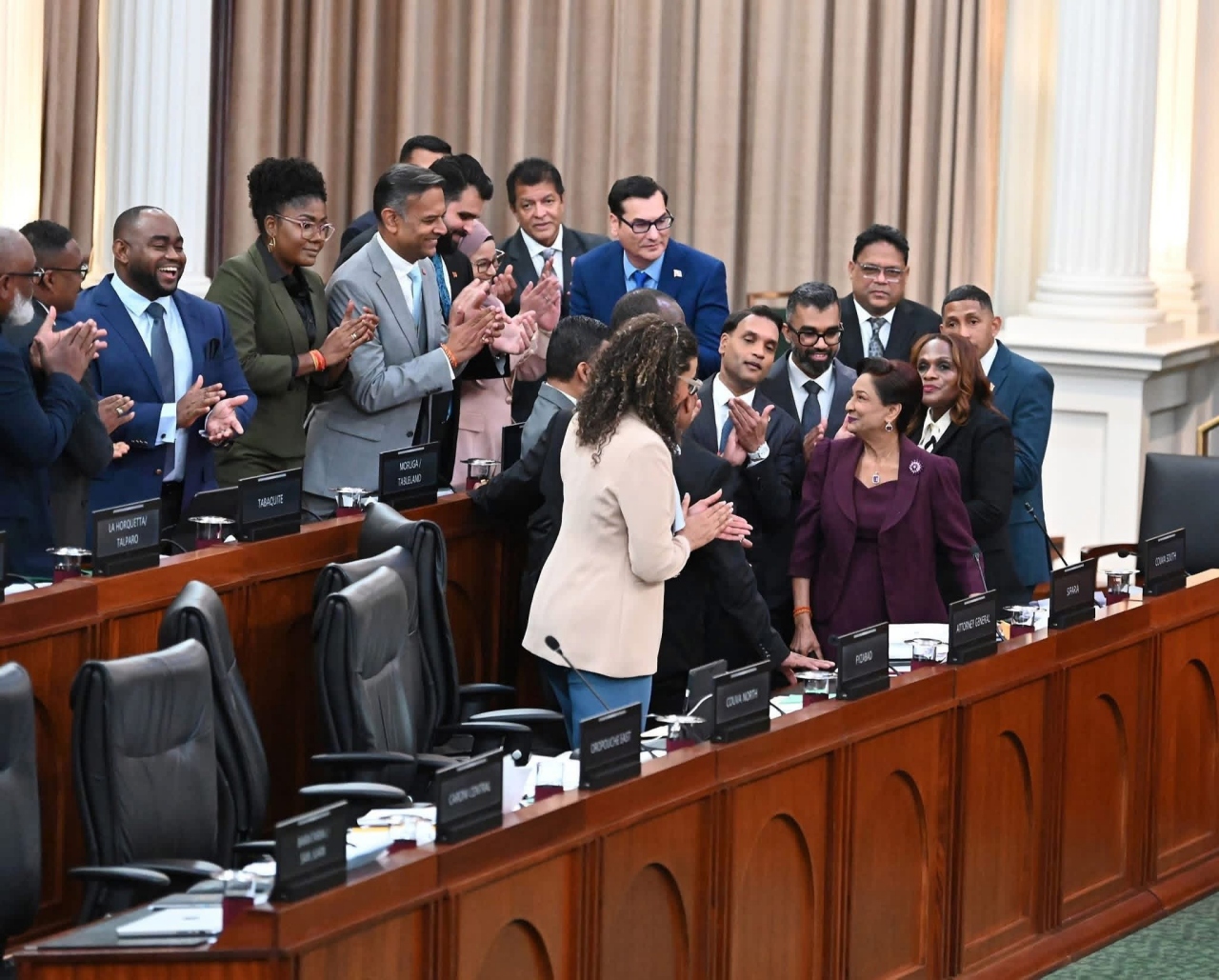
Copyright: Office of the Parliament 2026.
A $250 increase is welcome, but it does not address the fundamental injustice.
Fairness and dignity in retirement should not depend on whether one has served the country in Parliament or in the workplace.

“[…] Mr Devant Maharaj argues that critics of that vote treat a dictatorship as a victim. That is not the Read more
“[…] Trinidad and Tobago’s vote on 28 October 2026 against the UN resolution on the Cuba embargo was not a Read more
I support democracy, human rights, political freedom and the right of the Cuban people to determine their own future. Those Read more
Once again, the calypso fraternity and the nation of Trinidad and Tobago have been plunged into mourning with the passing Read more
I am not a politician. I’m certainly not a senator. I am just a citizen who pays attention. So, when Read more

Today, Trinidad and Tobago, and indeed the Caribbean, bids farewell to a true cultural giant. With the passing of Dr Read more