 Wired868 Wired868 for smart sport news and opinion
In a religiously pluralistic society like ours, it would be very easy for a malevolent, external agent, intent on causing division, to do so by creating false perceptions of double standards and favoritism in the way laws are applied to different faiths.
Trinidad and Tobago can become very divided if one group feels unfairly targeted by public policy while another group is privileged by it.
So, in order to “take in front” as we say, I would like to propose that all citizens understand and embrace a universal harm test, applied equally to every faith, that is based on rationality, evidence and science.
Something far more objective that settles such pesky arguments. But first…

Let me state that I have no horse in this race. I belong to no religion, so I have no reason to protect any one faith over another. When it comes to public policy for a diverse population, I base my views on facts, reason and, where it applies, science.
I am for all intents and purposes, in public policy and governance, a Secular Humanist. Any private spirituality I have is just that—none of your business.
I respect the Universal Declaration of Human Rights, which protects freedom of thought, conscience and religion. I have often defended non-Christian faiths against Christian bigotry. I defend Progressive Christians against Christian Nationalist Extremists.
My record as a writer on current affairs is a consistent defense of pluralism and coexistence against any kind of supremacist, extremist and inhumane assertions or laws that would violate the Universal Human Rights of others.
There are times I have stood with the Universal Human Rights of Muslims to wear their beard or hijab while serving in the armed forces or in public offices, and with Palestinians against the racist ideals of Zionism.
There are times I have stood with Hindus and Orishas when they are religiously harassed by Fundamentalist Christians for celebrating their festivals.
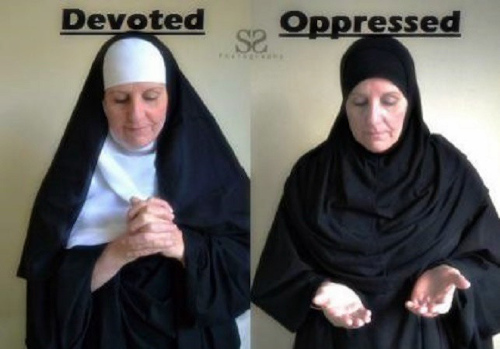
There are times I have stood with atheists, when their lack of belief in a God(s) or Goddess(es) is attacked by theists, who claim atheists cannot have ethics and morals if they have no theism.
Everyone must know I am scathing in my critique of things like misogyny, homophobia and sexual shaming when it comes from any religious justification, and it is always gloves off when I speak out against the child sex abuse rampant in organized religion.
I’m saying all of this so you understand that my argument below comes from that commitment to fairness and not from loyalty to any faith.
Is outlawing child marriage the same as outlawing communion wine for those who are under-21, as some commenters on social media have suggested?
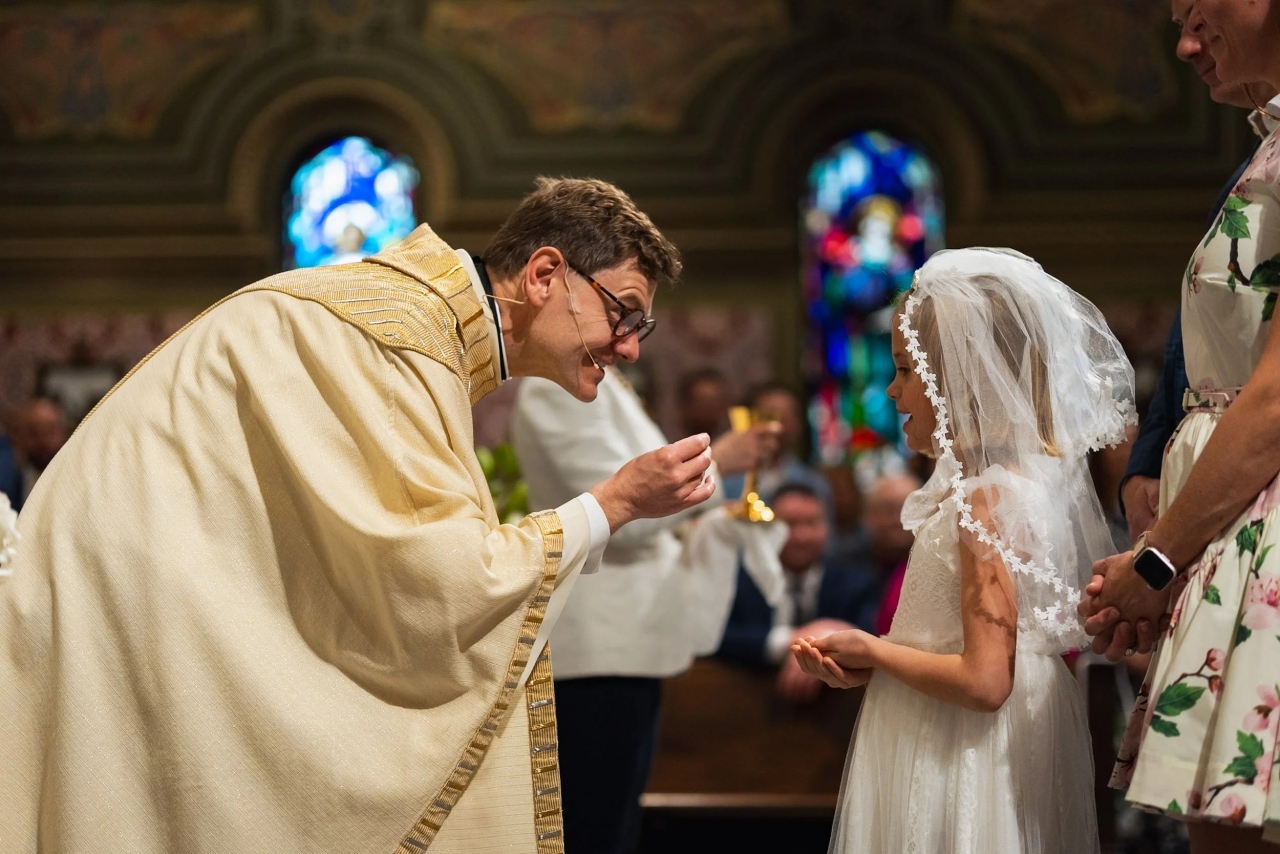
Before the 2017 reform, the minimum marriage age depended on which law governed a couple’s marriage. The Hindu Marriage Act allowed girls to marry at 14 and boys at 18. The Muslim Marriage and Divorce Act allowed girls at 12 and boys at 16. The Orisa Marriage Act set the ages at 16 for girls and 18 for boys.
Opposition to the 2017 law came from Hindu and Muslim religious leaders, but their communities were not united behind them. Sat Maharaj of the Sanatan Dharma Maha Sabha threatened legal action, while the Hindu Women’s Organization took the opposite side.
Therefore the case for reform was strong because within the religion, those directly impacted by the harm of child marriage advocated for the reform.
The Attorney General reported more than 3,000 child marriages over 20 years, and Trinidad and Tobago was one of only eight countries where someone could marry as young as 12.

The old laws were also inconsistent with each other: they allowed children to marry below the age of sexual consent, which the Children Act had raised to 18 in 2015.
The new alcohol law took a more divided path. The Senate passed the Miscellaneous Provisions (Alcohol, Cannabis, Dangerous Drugs, Gambling and Tobacco) Bill 2026 by 15 votes to 12. Every vote in favour came from government senators, and the bill was then sent to the President for assent.
The Attorney General justified the change on medical grounds, pointing out that other countries had raised their drinking age to 21, based on medical evidence.

Photo: Office of the President.
I should mention that Archbishop Jason Gordon publicly praised the Government’s crackdown on alcohol in January 2026, which suggests he is not opposed to the law itself. His concern is most likely about protecting his and others’ religious freedom communion through a narrow exemption.
I hold to the value that freedom of belief is absolute. You cannot force anyone to believe anything nor punish someone for simply having a different belief in their heads.
Freedom of practice of the belief, however, can be limited when it can be proven to cause a public health and safety risk, or violate private property or universal human rights.
Section 13 of Trinidad and Tobago’s Constitution allows laws limiting fundamental rights only if they are “reasonably justifiable” in a society that respects rights and freedoms.
I don’t have to start from scratch when it comes to this because the Commonwealth courts have already created a proportionality test, which asks four plain questions:
- Does the law have a legitimate aim?
- Does the restriction actually serve that aim?
- Is it the least intrusive way to achieve it?
- Is the harm prevented greater than the freedom lost?
When we apply the same harm test to both practices, the results are very different.
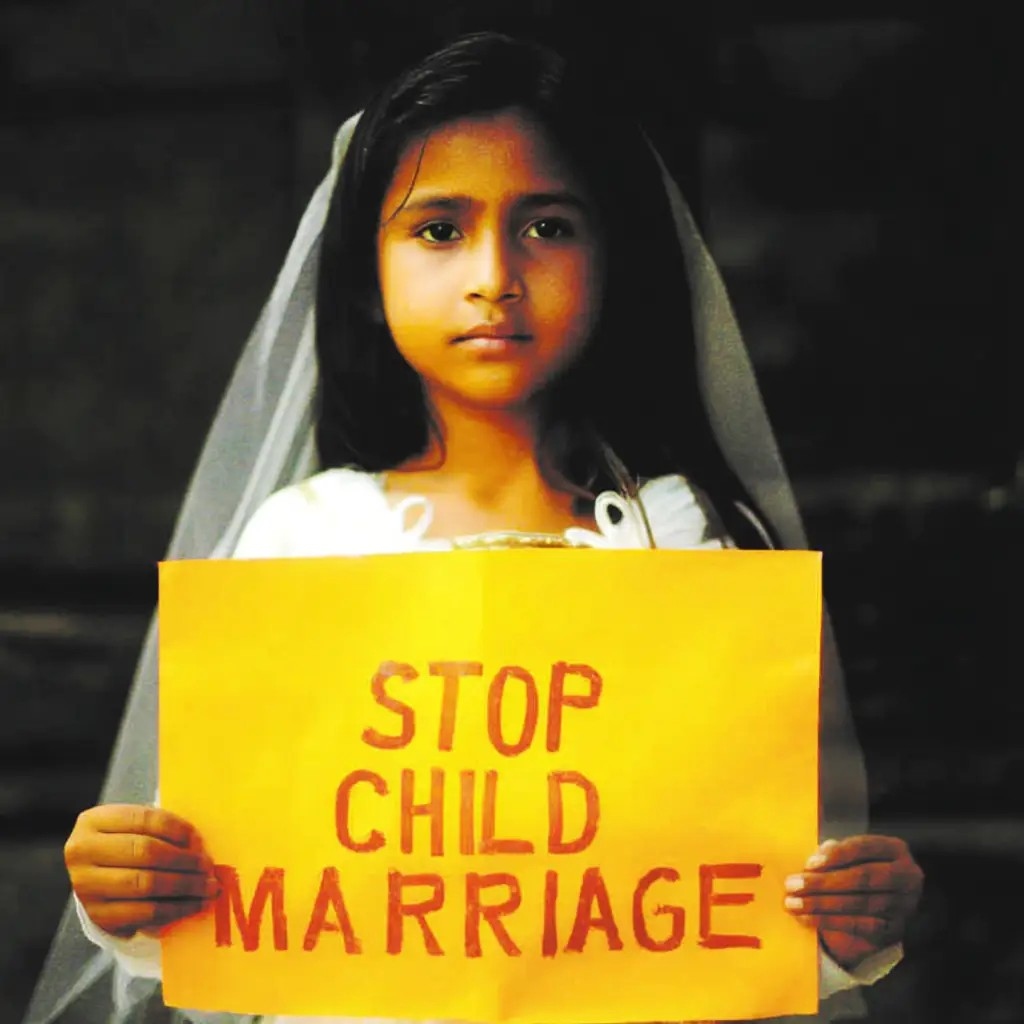
(Child Marriage)
Test 1: Does the law have a legitimate aim?
Yes, clearly. The aim is to protect children from sexual exploitation and from being bound into adult relationships before they can consent.
Trinidad and Tobago has binding international commitments here. It ratified the UN Convention on the Rights of the Child in 1991, and the committee that oversees the Convention recommends a minimum marriage age of 18.
In 2016, the UN committee on women’s rights (CEDAW) also raised concerns that the old marriage acts allowed girls to marry at 12, 14 and 16.
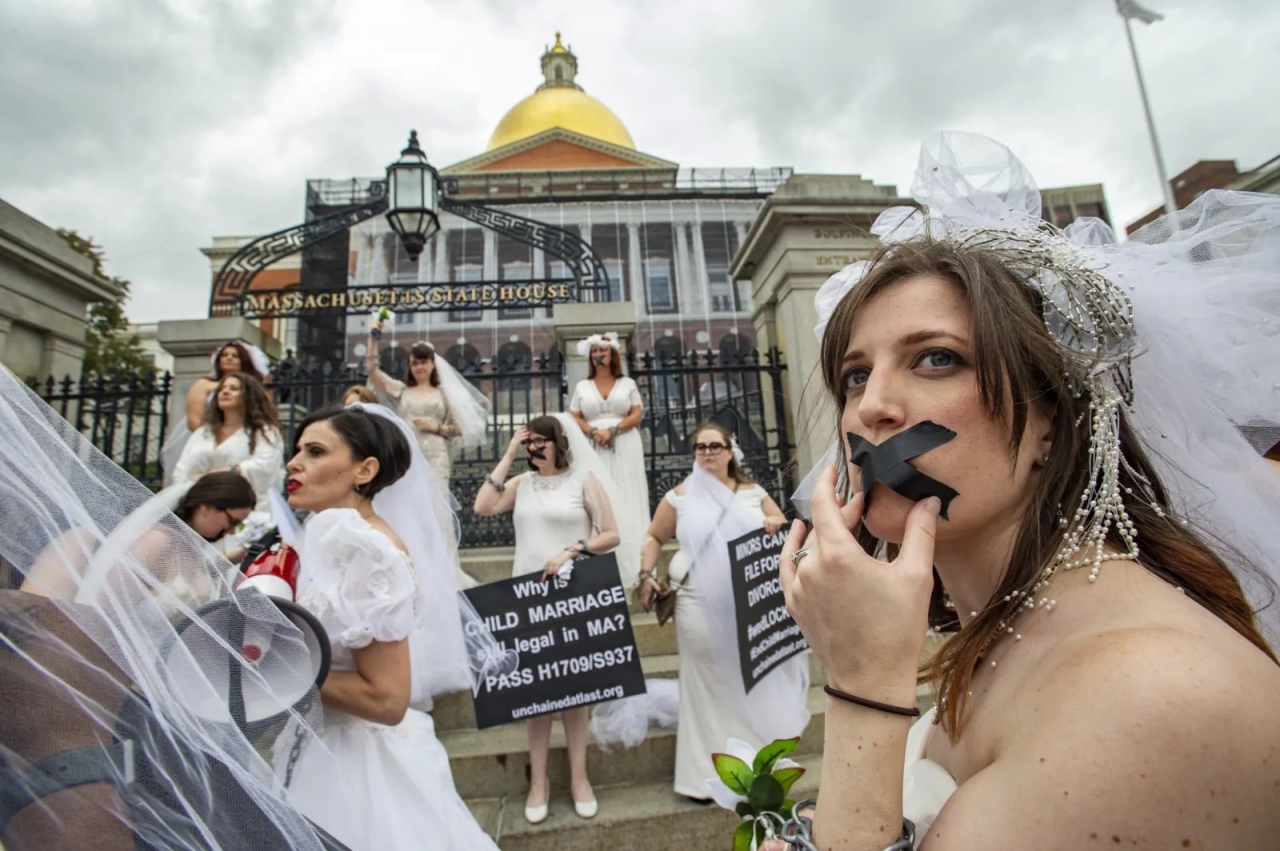
Test 2: Does the restriction actually serve that aim?
Yes, directly. Before 2017, the marriage laws contradicted the law on sexual consent. The Children Act made 18 the age of consent, but the marriage acts still allowed girls to marry at 12, 14 or 16 with parental consent.
In effect, marriage could make legal what would otherwise be a sexual offence against a child. Raising the marriage age to 18 closed that gap. The law reaches the harm in a way the alcohol law does not: the harm happens through the marriage, so banning the marriage stops it.
The scale was real. The Attorney General reported more than 3,000 child marriages over twenty years.
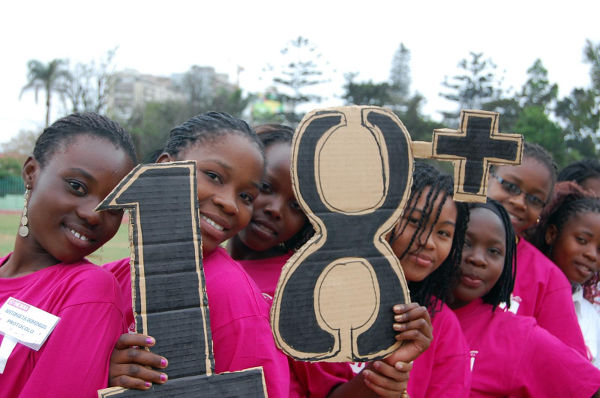
(Copyright Plan-International.)
Test 3: Is it the least intrusive way to achieve it?
Yes, because there is no gentler option that still protects the child.
- Parental consent isn’t a safeguard. The old laws already required it, and the marriages still happened. Parents agreeing on a child’s behalf is the very problem.
- A partial exemption wouldn’t work. Allowing religious marriages at younger ages would leave exactly the girls most at risk without protection. There is no harmless version of child marriage, because the marriage itself is the harm. A full ban with no exemption is therefore justified.
- The core practice survives. Every faith keeps its marriage rites, ceremonies and traditions. The law only changes when they can happen. A couple can marry in full Hindu, Muslim or Orisha religious form once both are 18.

Test 4: Is the harm prevented greater than the freedom lost?
Yes and by a wide margin. The harm prevented is serious. The WHO’s 2025 adolescent pregnancy guidelines identify child marriage as a primary driver of early pregnancies that endanger girls’ lives. Babies born to adolescent mothers have higher rates of low birth weight, premature birth and serious newborn conditions.
Child brides also tend to leave school, which reduces their chances of earning an income, and they may face a higher risk of domestic violence.
The freedom lost is small. The only thing restricted is the timing of a marriage, delayed until adulthood. No belief is banned, no ritual is forbidden, and no community is singled out, since the same age applies to everyone.
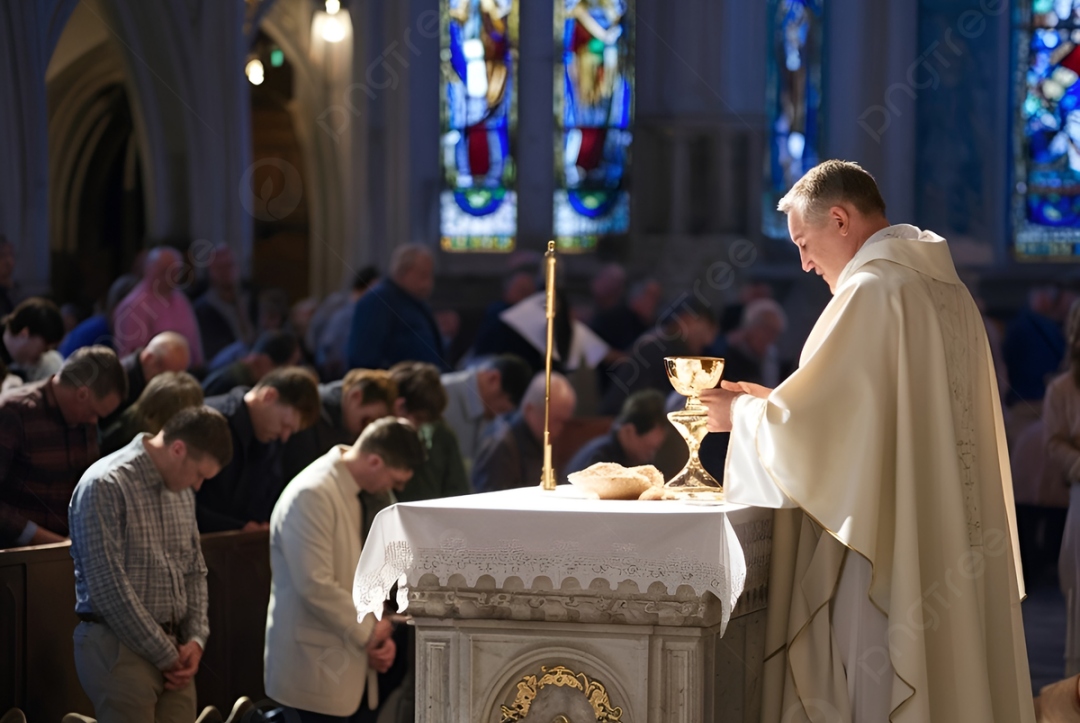
(via PNG Tree.)
(Communion wine)
Test 1: Legitimate aim? Yes. Reducing alcohol and drug harm among young people is clearly legitimate.
Test 2: Does it serve that aim? We have no evidence it does. There is no proof that a supervised sip of communion wine leads to alcohol problems in teenagers or in adulthood.
Alcoholism in Trinidad and Tobago is not higher among the eucharist-taking Roman Catholic or Protestant populace than the Hindu or Muslim populace. The love of liquor and abuse of it seems to actually be a universal issue.
A 1988 study of 1,603 T&T secondary students found that students’ drinking was linked to their fathers’ drinking. The research on youth alcohol abuse points to home environments, where getting drunk is normalised, particularly the father being an alcoholic.
Raising the age for adults over 18, doesn’t address the root cause of the problem.

(via Mind Glow Health.)
Test 3: Is it the least intrusive option to achieve the aim of preventing youth alcohol abuse? NO! Prohibiting alcohol use until the age of 21 is not the least intrusive option to achieve the goal of reducing teen alcohol and drug abuse.
The Icelandic Prevention Model among many others shows that the best ways to prevent underage drinking is through families, schools and communities. It is through strengthening protective factors such as parental involvement, rather than criminalising young adults. It is through organised youth activities, national media campaigns, encouraging parents to spend more time with their children.
The Icelandic model has been adopted elsewhere. Six Chilean municipalities that began it in 2018 saw a marked fall in teen alcohol and cannabis use.
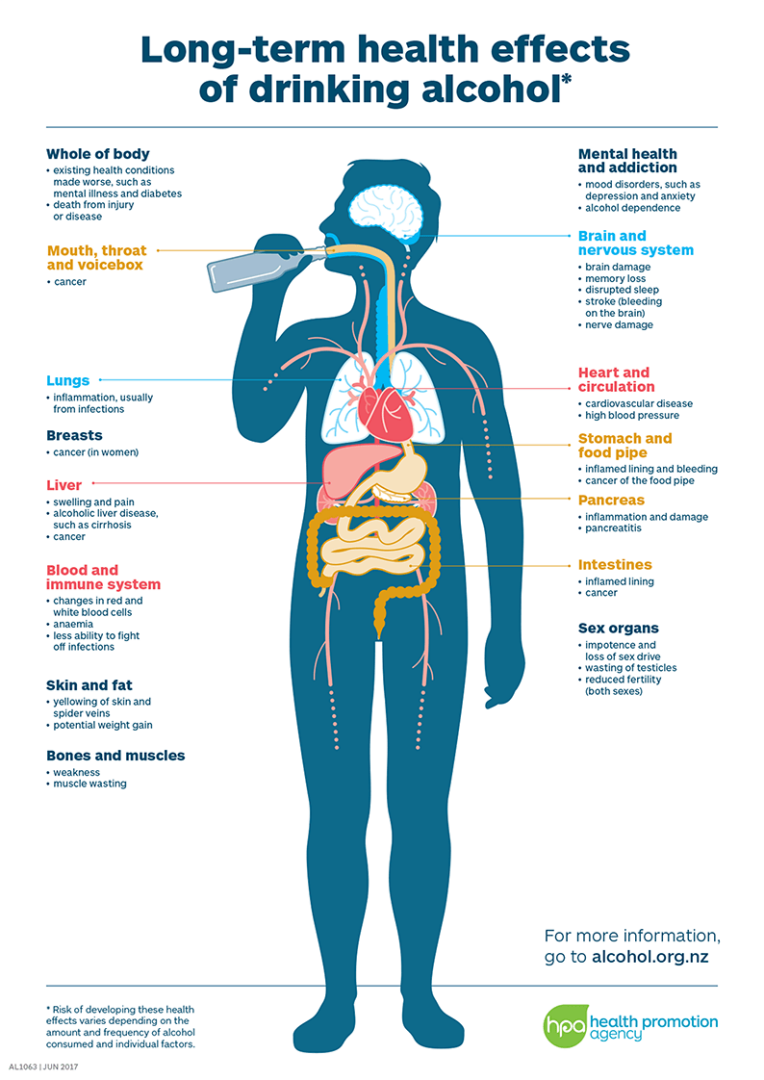
Test 4: Is the harm prevented greater than the freedom lost? The law removes a lawful choice from adults aged 18 to 20, who can serve in the armed forces, vote, marry and work, and it adds enforcement burdens, including the proposed mandatory ID.
Meanwhile, the children most at risk are still not reached and there is no rehabilitative or prevention model.
Most importantly, the law tampers with a religious rite that is sacred. The wine used for communion is usually sourced specifically for that purpose and is not supposed to be altered. The State is therefore intruding on people’s religious ceremonies.
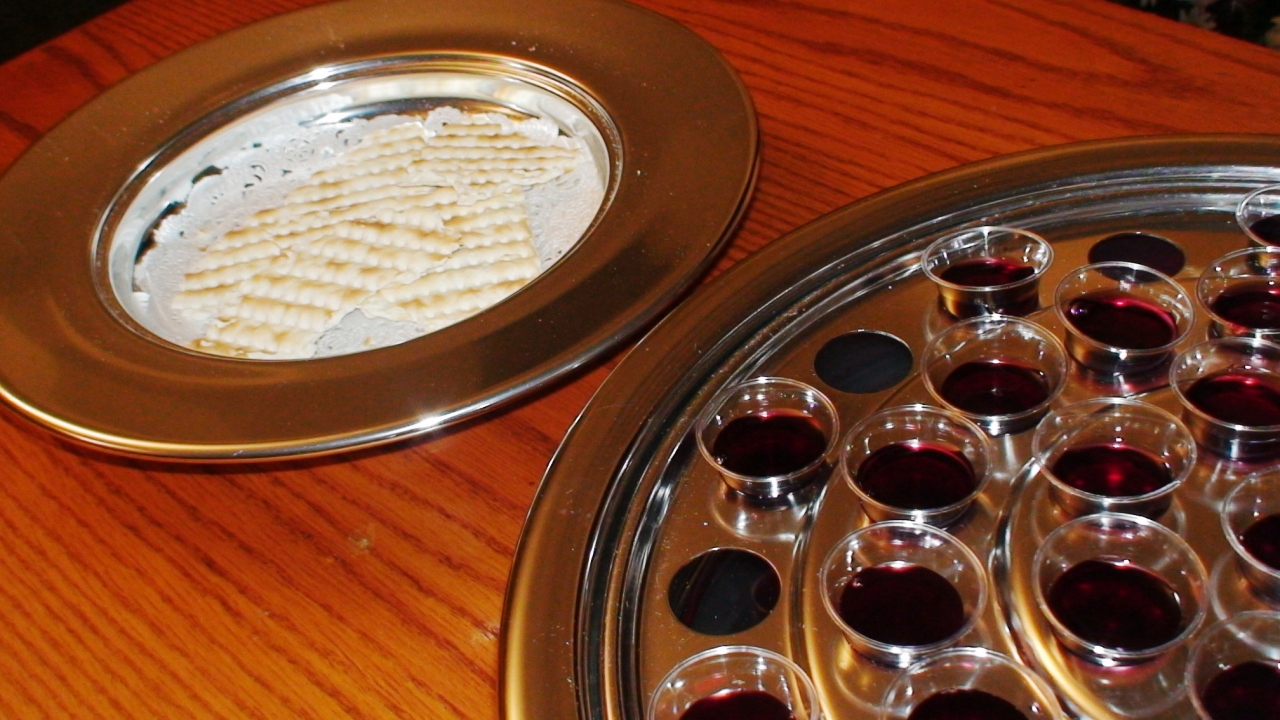
(via Kathleen Smith.org.)
Put side by side, the difference is clear. The alcohol law passes Test 1 but is shaky on the others. The child marriage ban passes all four. It reaches the harm directly. Child marriage harms a child, and the harm is done by an adult.
A child cannot meaningfully consent to marriage and a sexual relationship and reproductive responsibility, and the consequences are severe: sexual exploitation, early pregnancy and its inherent health risks, lost schooling and thus economic self-sufficiency, which then means less power and more vulnerability to lifelong domestic abuse and the creation of generational trauma and mental health issues leading to social issues. All of which can never be undone.
A sip of communion wine falls at the other end of the scale and it leaves no lasting effect anymore so than administering children’s cough syrup (which also contains intoxicant ingredients).
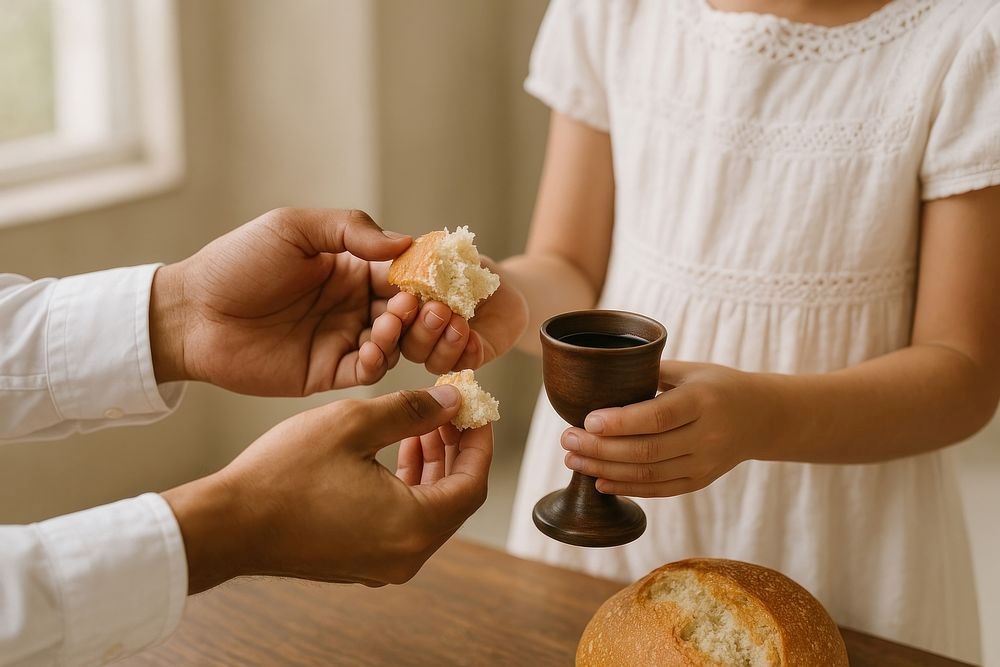
(via Raw Pixel.)
We have no proof of any harm caused by a sip of Communion wine on a Sunday. But the most striking difference is, unlike child marriage which had Hindu and Muslim groups advocating against it, there is no Roman Catholic group advocating for the ban on communion wine and giving personal testimony that it caused harm to themselves and their children by making them alcoholics.
Same principle, same test, different facts, and so different outcomes. This is not treating religions differently. It is the same test for every faith, and different practices give different results.
If the Act lacks well-justified exemptions, fix it with a tight amendment or regulation. This is not new.

The State of Oregon, for example, exempts wine provided during a religious rite or service from Federal laws on alcohol. All the law in Trinidad and Tobago has to do is:
Limit the exemption to:
- consumption as part of a recognised religious rite
- the customary small quantity for that rite
- administration by an officiant
- no sale or supply outside the rite
This covers every faith’s ritual use equally, with no loophole for parties or rum shops. It matters for adult citizens too: without it, practicing Catholics aged 18 to 20, who can serve in the armed forces, vote and marry, could not receive communion fully.
It is the state’s duty to reduce as much harm to citizens while still protecting their Universal Human Rights.

Photo: UNC.
Sources
- T&T to review child marriage laws, The Caribbean Camera
- With one more vote, T&T could ban child marriage, Global Voices
- Over three thousand child marriages in two decades, Antigua Observer
- T&T moves to end child marriage despite religious opposition, Global Voices
- Senate approves bill raising alcohol and tobacco age to 21, Vinetur
- Trinidad Senate approves higher age limits, Caribbean National Weekly
- Archbishop Gordon praises Govt’s crackdown on alcohol, Trinidad Guardian via Trinidad Tribune
- Careful thought needed on age-limit increases, Trinidad Guardian
- Oregon measure analysis, religious-rite wine exception, Oregon Legislature

Birthdays matter in public policy, and the government’s move to raise the legal age for alcohol and tobacco to 21 Read more

In 2005, Thomas Schelling won the Nobel Prize in Economics for his work on cooperation and conflict. Schelling’s work largely Read more
“[…] I urge our PM not to use the word ‘coolie’ to self-reference. I accept the fact that you may Read more

Is this new UNC Government celebrating our Independence, or declaring its independence from public accountability and the rights of its Read more

“[…] As the applause faded, I thought about our inconsistent and unreliable water schedule, even in the rainy season. I’ve Read more

A 13-year-old girl singing Tight and Pretty with sexually explicit lyrics is a child protection issue! The Child Protection Unit Read more

Jessica Joseph is currently the Creative Director of Accela Marketing St Lucia/Canada. She is a multiple ADDY Award Winning Trinidadian national, Pop Cultural Anthropologist and Humans Rights Activist.
She blogs on Huffington Post and alieninthecaribbean.blogspot.com.