 Wired868 Wired868 for smart sport news and opinion
In 2005, Thomas Schelling won the Nobel Prize in Economics for his work on cooperation and conflict. Schelling’s work largely highlighted the importance of individual actions to collective outcomes.
The idea is simple. As individuals, we all make decisions and these decisions lead to a collective outcome for communities, for economies, for countries. Collective patterns emerge, because we, as individuals cause them. Individual choices have social consequences.
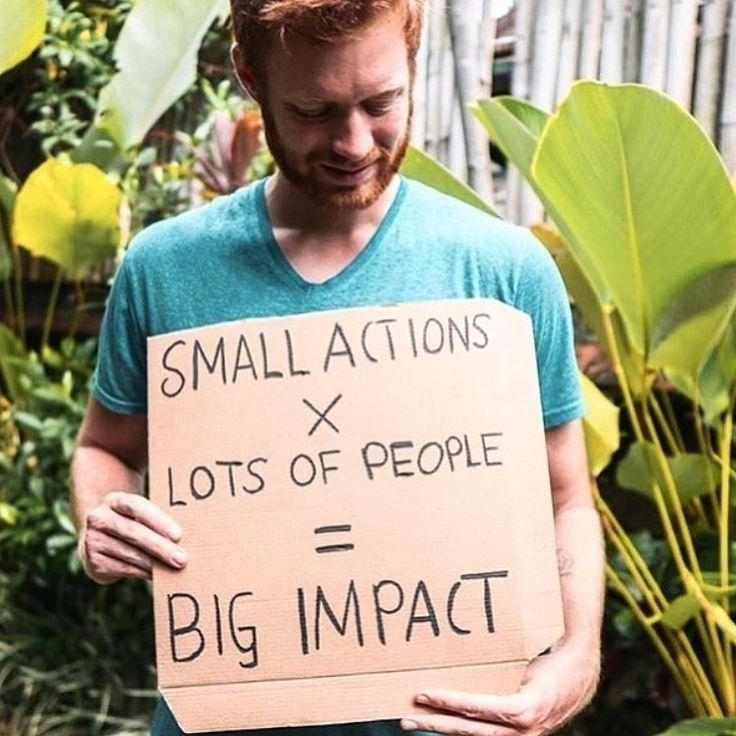
Schelling showed that all individuals do not need to behave in the same way, but if a significant share does, this tips society into a collective outcome. And importantly, although individual actions can be rational, the resulting collective outcome can still be socially undesirable.
For example, if a significant share of individuals decides to “take care of their own” the collective outcome is nepotism, cronyism and corruption. If a significant share fails to pay taxes, public services suffer. If a significant share throws trash in the drains, the collective outcome is a polluted eyesore and flash flooding during the rainy season.
If a significant share decides that rules could be broken without consequence, the collective outcome is rising levels of crime—white collar, blue collar and all shades in between.
This is what we are currently living and experiencing in Trinidad and Tobago. The collective outcome of our individual decisions. But what if we choose different individual behaviours?
Some weeks ago, three ladies pulled into a gas station to refuel. While there, they observed a disagreement between an attendant working at the gas station and another driver who was also refuelling. As has become the norm in Trinidad and Tobago, the situation quickly became heated.
One of the ladies enquired and was told the attendant filled the car with $100 in fuel, but the driver wanted $60 in fuel; and so, demanded his $40 change. There had been some miscommunication.
The lady intervened, called the driver over, and handed him $40 from her purse. This simple act of kindness by one individual perhaps saved two lives, and spared us from what could have been headline news.

This lady understood that a mistake had been made and both parties felt aggrieved. She understood that the situation could have quickly escalated and the headline the next day could have been: “Man killed for $40 at gas station”.
She understood that many people would read this headline and remark: “only $40”. She understood that for many people $40 is not “only $40”, especially when times are hard.
She understood that a small act of kindness could change a collective outcome.
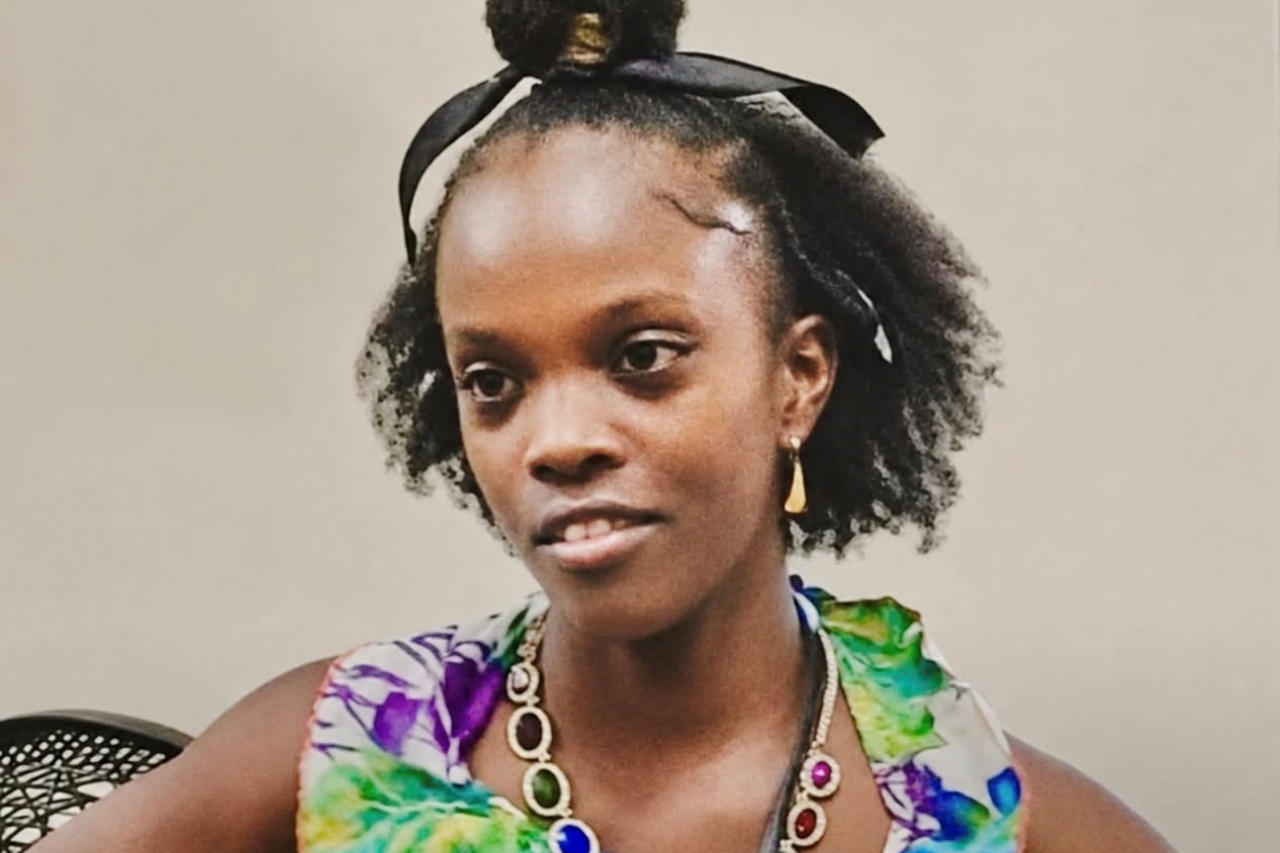
This act of kindness did not make the news—such acts rarely do. I learnt of this story at the funeral of said lady, Mrs Rhona Adams-Arrindell, who was fondly “Aunty Rhona” to many.

(via iStockphoto.)
Mrs Adams-Arrindell was a gem. And this story was only one of the many that demonstrated her natural capacity to be kind.
She was dear to her family, the Morvant community where I am from, the Morvant Anglican School community, the Eastern Credit Union community, the performing arts community, the Anglican church community, and many, many others.
She was a real community person and patriot. She was disciplined, productive and tolerant. She demonstrated those watchwords given to us by Dr Eric Williams.
But beyond that, she was kind. She embodied the qualities of being friendly, generous, considerate, and caring toward others.
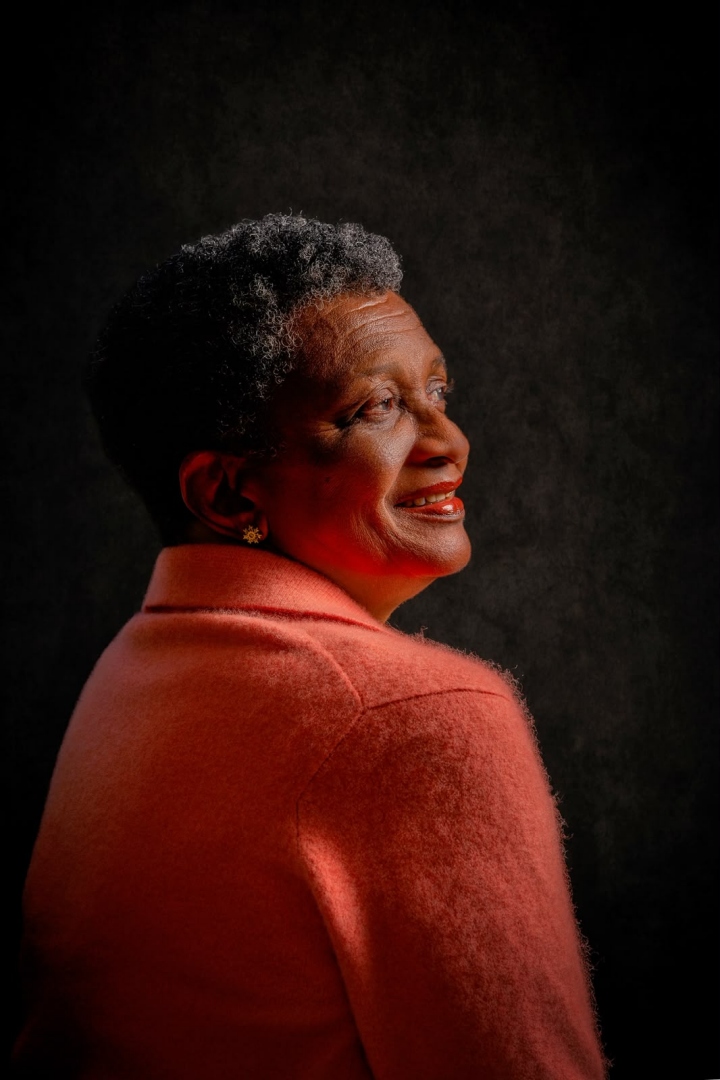
She carried those traits with her as an actor—as Shirley in Calabash Alley at one point, as a professional at Eastern Credit Union and Laventille Technology and Continuing Education Centre, in her support to steelpan, church and community.
Her kindness touched many lives, including mine. It made her communities better. In true Schelling style: individual action, collective outcome.
One lesson I have taken from her, is that kindness and charity are not equivalent. Charity is about giving, and giving can even be self-interested at times. But kindness is more than giving. It is about caring, seeing people as people, and affording them the dignity they deserve.

Photo: OPTT.
Now imagine if our leaders and politicians acted with kindness? Imagine if our CEOs acted with kindness? Our drivers on the roads? Our customer service attendants? You, the reader….
Kindness alone is not a silver bullet, but it is a key ingredient to fostering a level of fraternity so badly needed in Trinidad and Tobago at the moment.
The obvious counter narrative is that kindness is weakness. At the micro-level, Mrs Adams-Arrindell’s life turns this argument on the head. She was strong and respected because of her kindness, love and generosity.
At the macro-level, we simply need to turn to Nobel-Laureate Schelling—imagine how Trinidad and Tobago would look if the majority of people decided that cruelty was strength. Would we like to live in this version of T&T?

Photo: Sean Morrison/ Wired868.
In his book Humankind, historian Rutger Bregman provides an insightful fable:
An old man says to his grandson: ‘There’s a fight going on inside me. It’s a terrible fight between two wolves. One is evil – angry, greedy, jealous, arrogant, and cowardly. The other is good – peaceful, loving, modest, generous, honest, and trustworthy. These two wolves are also fighting within you, and inside every other person too.’
After a moment, the boy asks, ‘Which wolf will win?’ The old man smiles. ‘The one you feed.’
Dr Williams did not give us “kindness” as a watchword, but it is not too late to feed and cultivate this as individuals.
Mrs Adams-Arrindell did, and so can we—in the interest of the nation.
|
Wired868 has provided readers with solid, independent journalism since 2012. If you appreciate our work, please contribute to our efforts. Support Independent Journalism |


In two years, I will be a pensioner myself. So when I say the upcoming budget must increase the old Read more
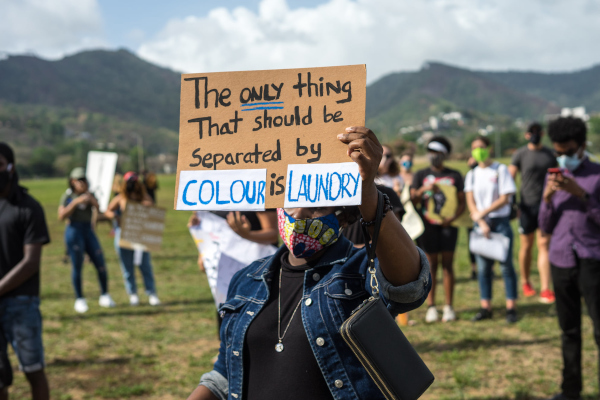
Racial tensions are running high in Trinidad and Tobago at the moment. It is sad—heart-breaking really. Our “leaders” have descended Read more

There is a moment that catches many of us by surprise. Indeed, it arrives without warning. One day, your father Read more
“[…] I remember July 27, 1990—the fear, the uncertainty, the families gathered around radios and television sets. The attempted coup Read more
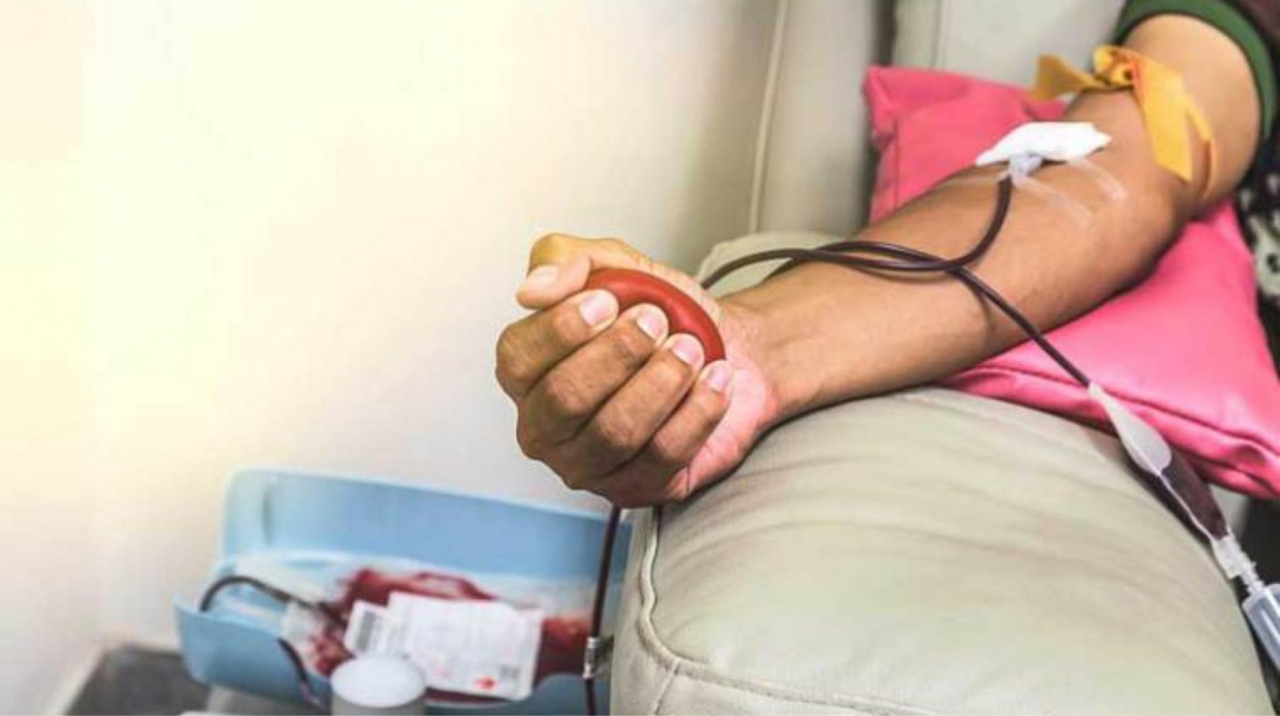
There is a person living somewhere in Trinidad and Tobago who may one day save your life. You do not Read more

I have a question—a few actually. They are related to the policies at the Eric Williams Medical Sciences Complex, commonly Read more

Dr Jamelia Harris is an economist and Assistant Professor at the University of Warwick. She studies and has written on the labour market, public finance and development policy in Africa and the Caribbean. She is a double President’s Medal recipient and holds a PhD from the University of Oxford.