 Wired868 Wired868 for smart sport news and opinion
“[…] Safeguarding is often discussed primarily in terms of protecting children and athletes from abuse, neglect, exploitation, harassment and other forms of harm. Those responsibilities remain fundamental.
“However, safeguarding should not stop at preventing harm. It should also help create the conditions in which athletes can develop safely, confidently and holistically.
“A truly safe sporting environment is one where an athlete knows that they can learn without fear. That means being able to make a mistake without being humiliated…”
The following guest column on the benefits of safeguarding in athletes’ development was submitted to Wired868 by Gary St Rose, who is the TTFA Safeguarding Player Care and Wellbeing manager and president of Caribbean Guardians:

Football is experiencing a coaching revolution.
Around the world, the traditional approach to coaching is being challenged by a more modern understanding of how players learn and develop. The coach is no longer simply the person who gives instructions, corrects mistakes and tells players exactly what to do.
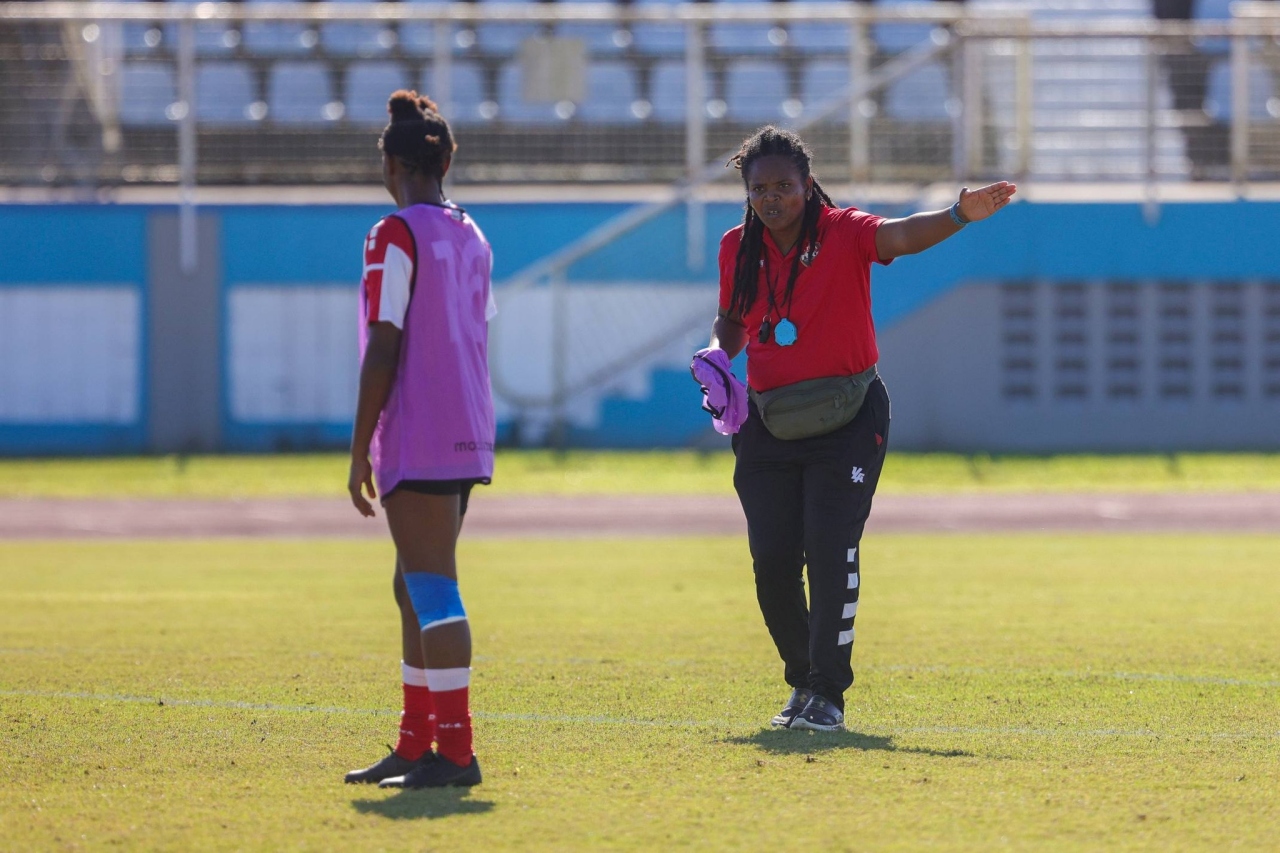
Photo: TTFA Media.
Increasingly, the coach is expected to create an environment in which players can think, make decisions, solve problems, express themselves and take greater responsibility for their own development.
This evolution in coaching has profound implications for safeguarding, player care and athlete wellbeing.
Safeguarding is often discussed primarily in terms of protecting children and athletes from abuse, neglect, exploitation, harassment and other forms of harm. Those responsibilities remain fundamental.
However, safeguarding should not stop at preventing harm. It should also help create the conditions in which athletes can develop safely, confidently and holistically.
A truly safe sporting environment is one where an athlete knows that they can learn without fear.
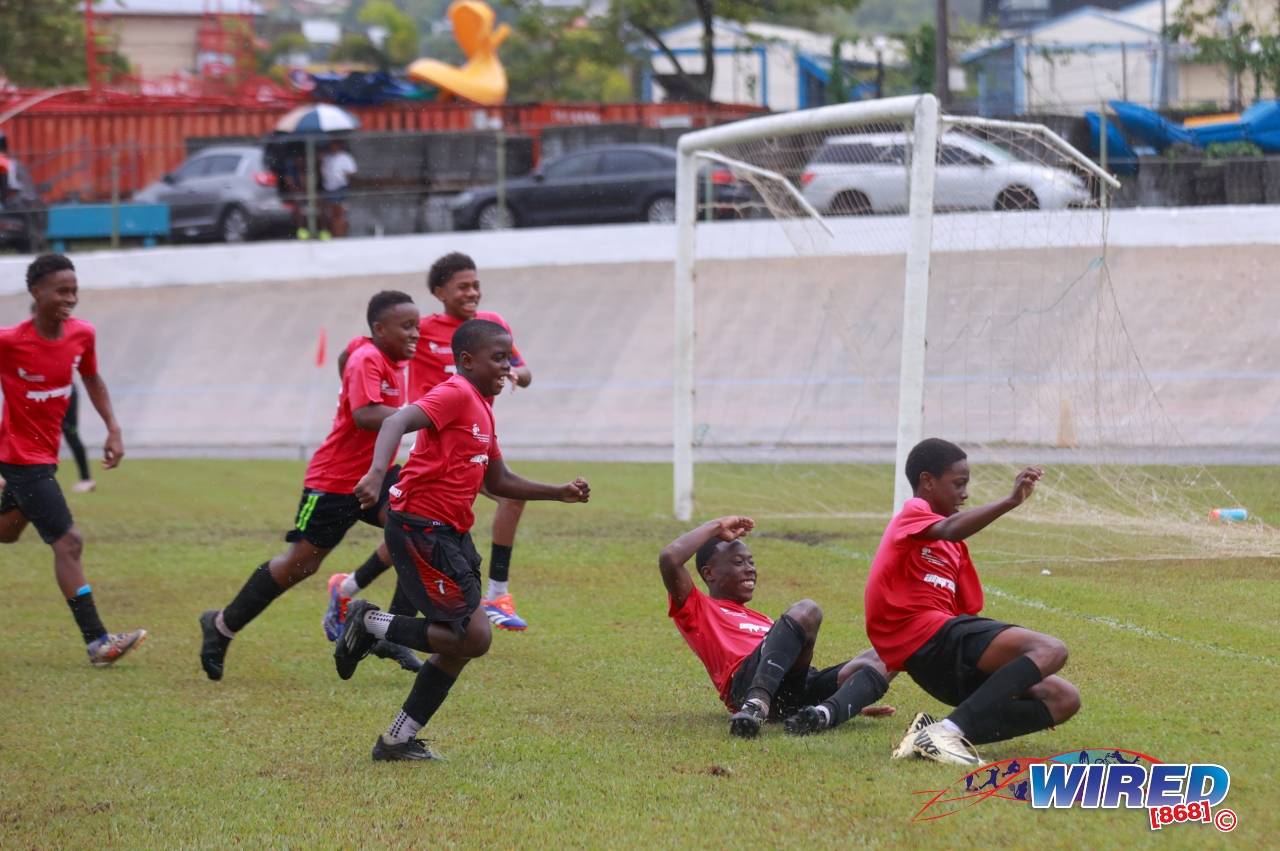
Photo: Nicholas Bhajan/ Wired868.
That means being able to make a mistake without being humiliated. It means being able to ask a question without being ridiculed. It means being able to admit that something is wrong without fearing punishment or rejection.
It means having the confidence to try something different, express an opinion and take an appropriate risk in the learning process.
This is where safeguarding becomes much more than a policy or a procedure. It becomes part of the culture of the sporting environment.
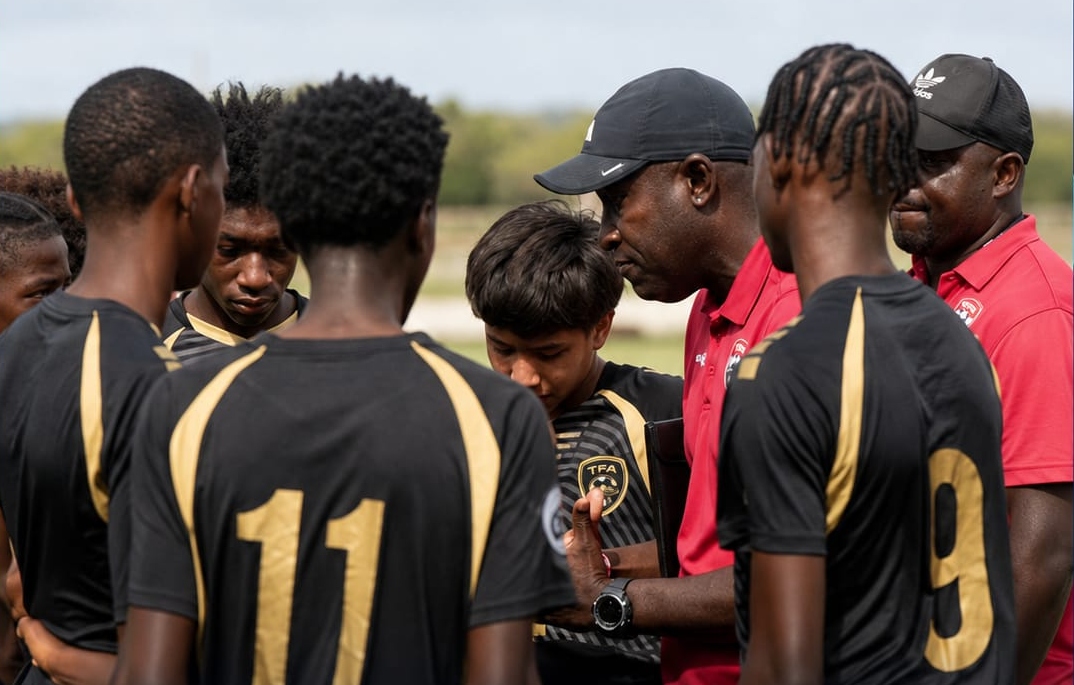
Photo: CFU.
The development of football has increasingly moved away from the idea that the coach must control every moment of the player’s experience. Modern coaching places greater emphasis on creating an environment where players can explore the game and develop their own understanding.
The Football Association in England, for example, has promoted principles within youth development that emphasise individuality, creativity, intelligence, self-expression and playing with freedom within an appropriate framework.
The philosophy recognises that young players need opportunities to explore the game, make decisions and learn through experience.

Photo: Nicholas Bhajan/ Wired868.
This represents a significant shift in thinking. The coach still provides structure, guidance, standards and technical knowledge, but the player is given space to think.
Rather than constantly telling the player what decision to make, the coach increasingly creates situations in which the player has to recognise the problem and find the solution. That is important because football is ultimately a game of decisions.
A player cannot have a coach standing beside them during every match telling them when to pass, when to dribble, when to shoot or when to take a risk. At some point, the player has to think independently.

Photo: Ire Charles/ Wired868.
The challenge for modern football is therefore to develop players who are not simply well-trained, but who are capable of thinking for themselves.
There is an increasingly important discussion within football about whether young players are sometimes being over-coached. When every mistake is immediately corrected, every movement is prescribed and every decision is made by the adult, the player can become dependent on instruction.
They may learn to wait for the coach rather than read the game themselves.

Photo: Nicholas Bhajan/ Wired868.
The irony is that an environment designed to produce technically disciplined players can sometimes restrict the very qualities required at the highest levels of football: creativity, adaptability, imagination and independent decision-making.
Young players need opportunities to discover. They need to experience what happens when they try something that does not work. They need to lose the ball occasionally. They need to make the wrong pass, attempt the difficult dribble, misread a situation and then learn from the experience.
Mistakes are not necessarily evidence that development has failed. Sometimes mistakes are evidence that learning is taking place.
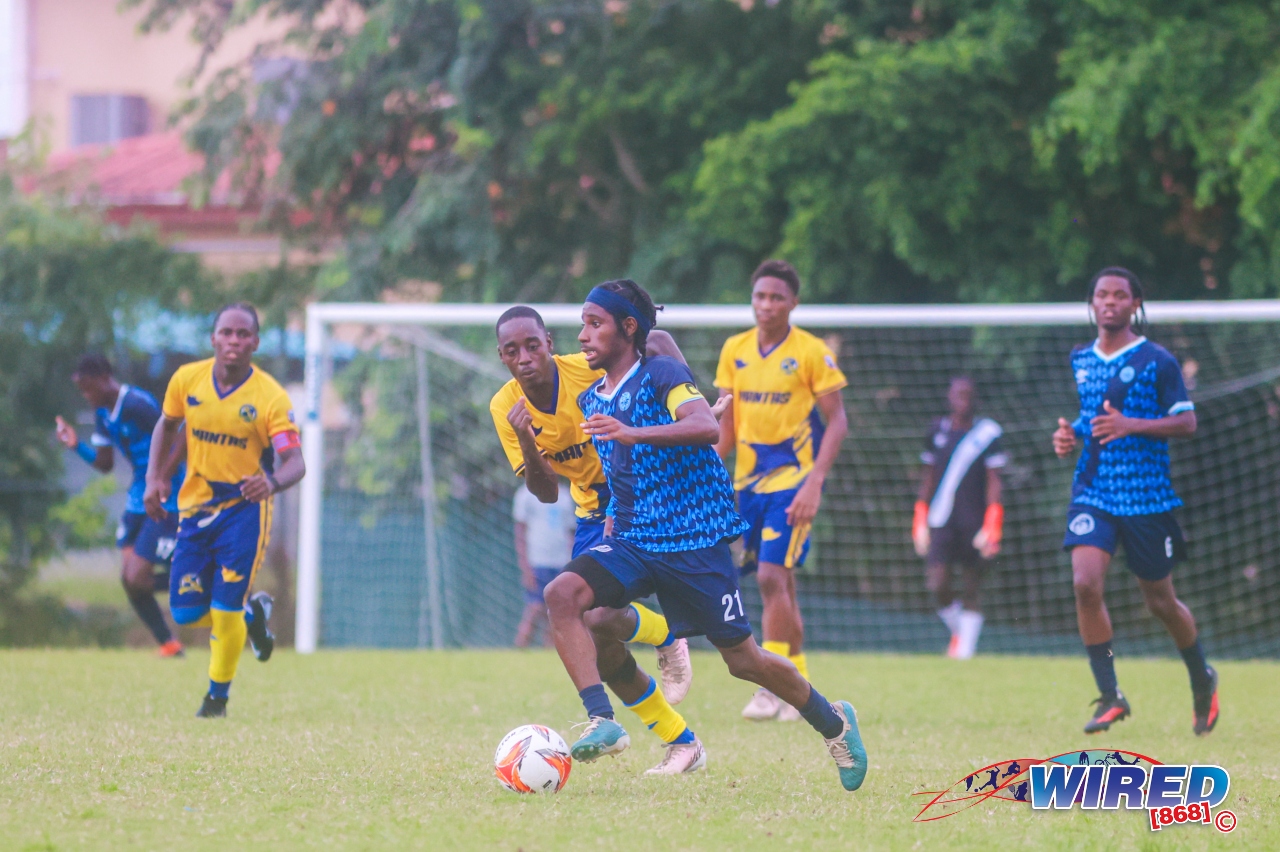
Photo: Nicholas Bhajan/ Wired868.
The role of the coach is not to eliminate every mistake. It is to create an environment where mistakes can be managed constructively and turned into learning opportunities. That is where the application of safeguarding and Athlete Wellbeing in coaching, has an important role.
When safeguarding and athlete wellbeing practices are properly implemented, the athlete should feel protected not only from serious harm but also from environments that undermine their dignity, confidence and ability to participate safely.
A young player who is constantly afraid of being shouted at, embarrassed or punished for making a mistake may eventually stop taking risks. They may choose the safest option every time. They may stop expressing themselves. They may become reluctant to ask questions or admit when they do not understand something.
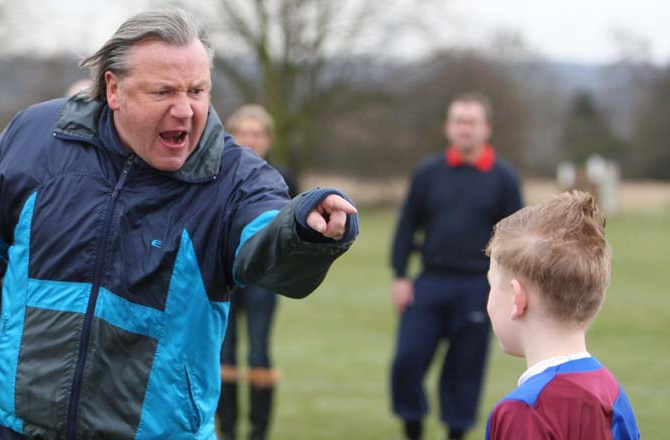
(via Joliefoulee.)
The player may still be participating, but the developmental environment has changed. Fear can produce compliance, but compliance is not the same as development.
A safeguarding and athlete wellbeing culture should therefore provide the psychological and relational safety necessary for athletes to engage fully in the learning process. Players should understand that there are standards and expectations, but also that they are allowed to learn, question, experiment and make mistakes.
This does not mean creating an environment without discipline. It means creating an environment where discipline is not confused with intimidation, where accountability is not confused with humiliation and where authority is not confused with control.

Republic Bank Relay Festival at the Hasely Crawford Stadium on 16 May 2026.
Photo: Nicholas Bhajan/ Wired868.
Creativity requires freedom. A player cannot be expected to become creative if they are constantly afraid of getting something wrong.
Creativity involves uncertainty. It requires players to see possibilities that may not be immediately obvious and to have the courage to attempt something different.
The young player who tries the unexpected pass may lose possession. The player who attempts to beat an opponent may be tackled. The goalkeeper who chooses to play out from the back may make a mistake.

Photo: Nicholas Bhajan/ Wired868.
The question is not whether mistakes will occur. They will. The question is whether the environment allows the player to learn from them.
This is why safeguarding and athlete wellbeing should be viewed as an enabler of development rather than simply a protective mechanism. When players feel safe, they are more likely to communicate, experiment, seek assistance and take ownership of their development.
In that sense, protecting the player and freeing the player are not opposing objectives. They are connected.
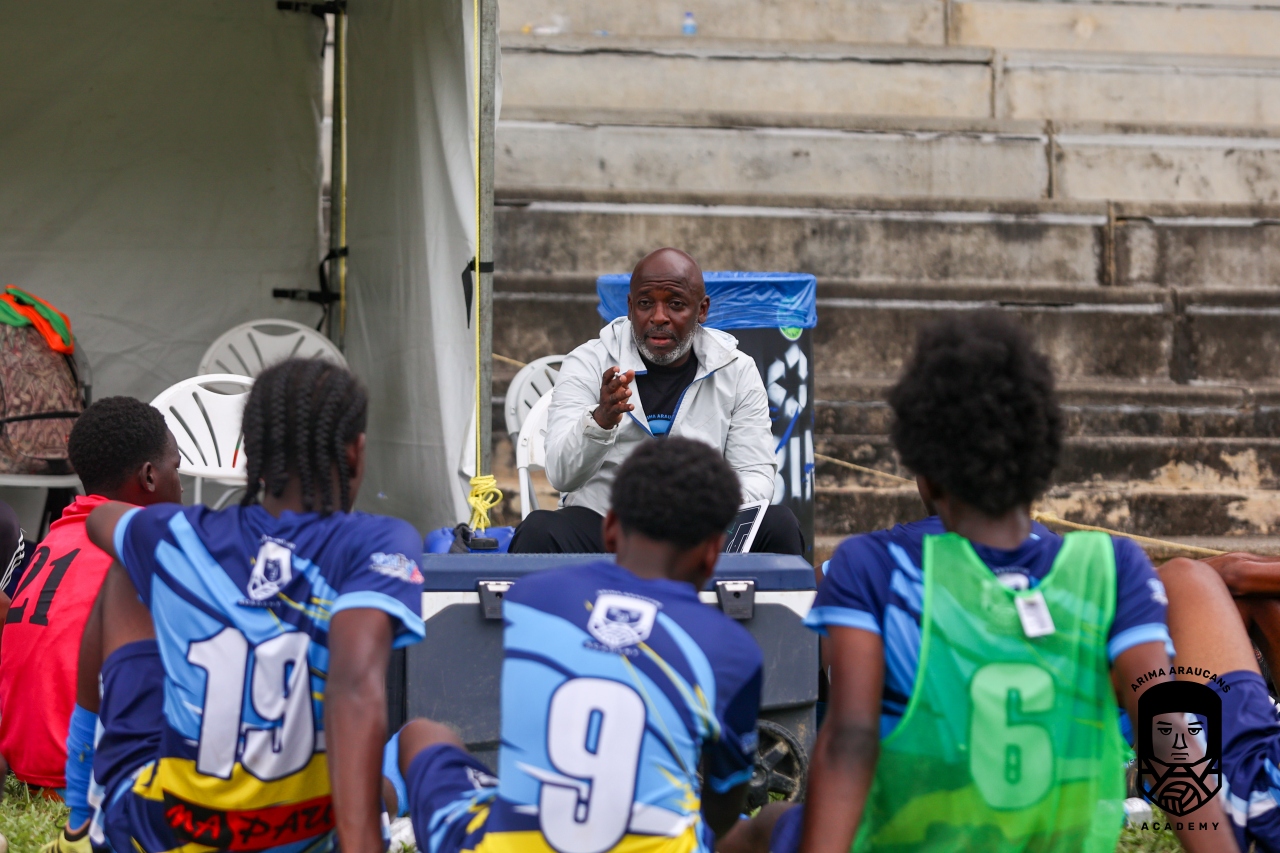
Photo: Daniel Prentice/ Arima Araucans Academy.
Player care and athlete wellbeing take this discussion even further.
The athlete does not leave the rest of their life outside the football environment. The footballer is also a student, son or daughter, sibling, friend and member of a community.
They may be dealing with academic pressures, family circumstances, relationships, financial concerns, social media, identity issues or personal challenges that have nothing directly to do with football but can significantly affect their ability to perform and develop. This is particularly important within academies and talent development environments.
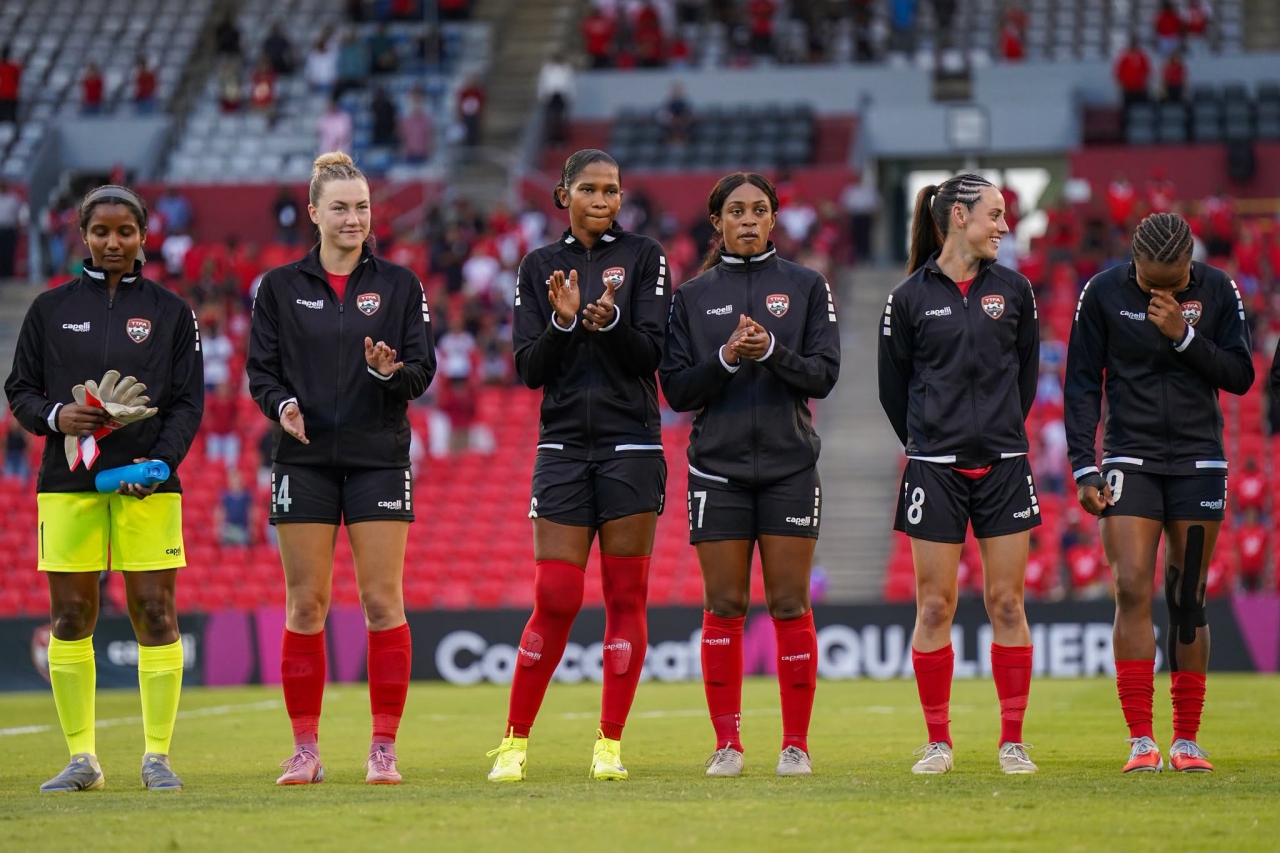
Photo: TTFA Media.
Young athletes can begin to define their identity almost entirely through football. Selection, deselection, playing opportunities, scholarships, trials and contracts can carry enormous emotional significance.
When football becomes the centre of a young person’s identity, the responsibility of the sporting environment becomes much greater—athlete wellbeing therefore requires us to see the whole person.
The objective should not simply be to produce a better footballer. It should be to help develop a person who is capable of managing success and failure, dealing with adversity, making decisions, communicating effectively and transitioning successfully through the different stages of their sporting and personal lives.
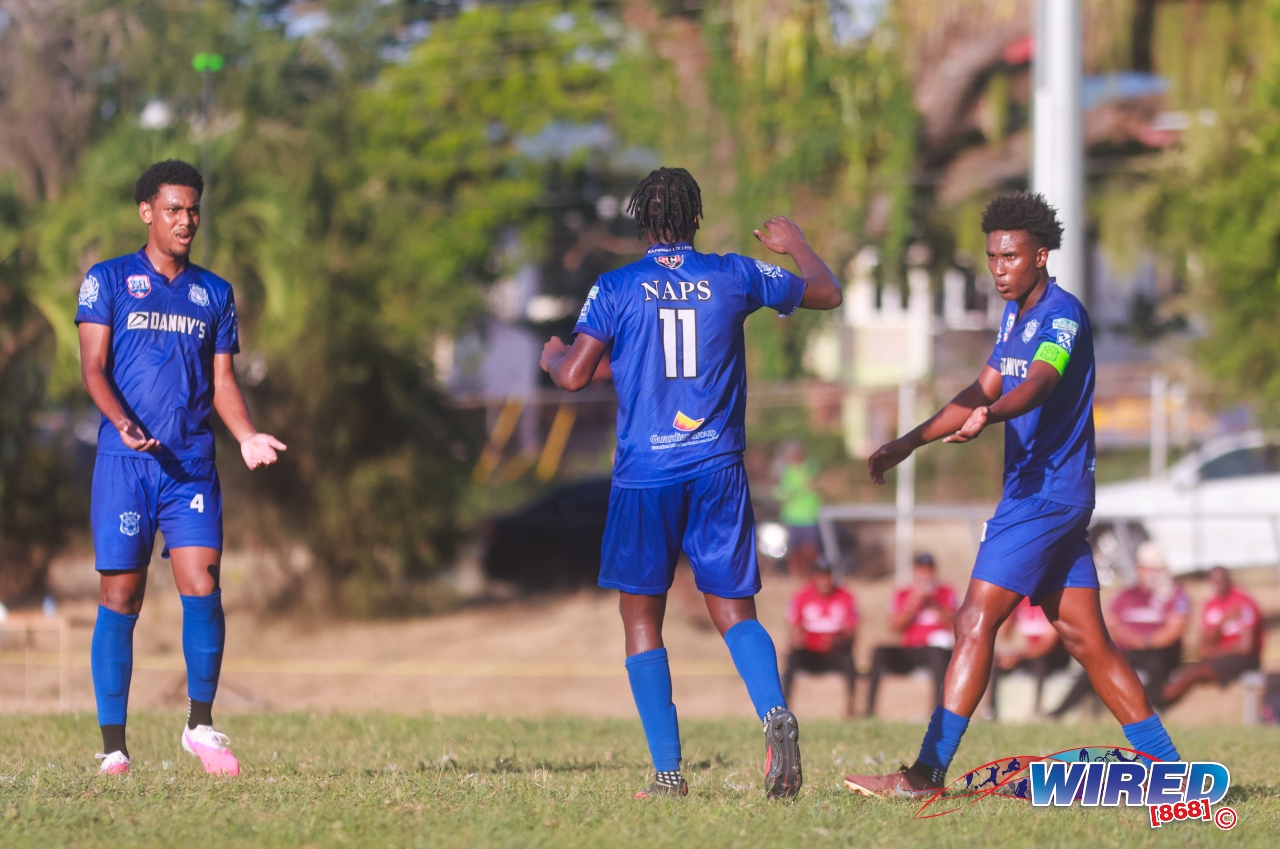
Photo: Nicholas Bhajan/ Wired868.
This brings us to one of the most difficult issues in youth football: the pursuit of winning at all costs.
Winning matters, competition matters. Young athletes should learn how to compete, deal with pressure and strive for excellence. But youth football is fundamentally a development environment.
When winning becomes the overriding objective, there is a danger that other important outcomes are sacrificed. Creativity can be sacrificed for control. Development can be sacrificed for immediate results.
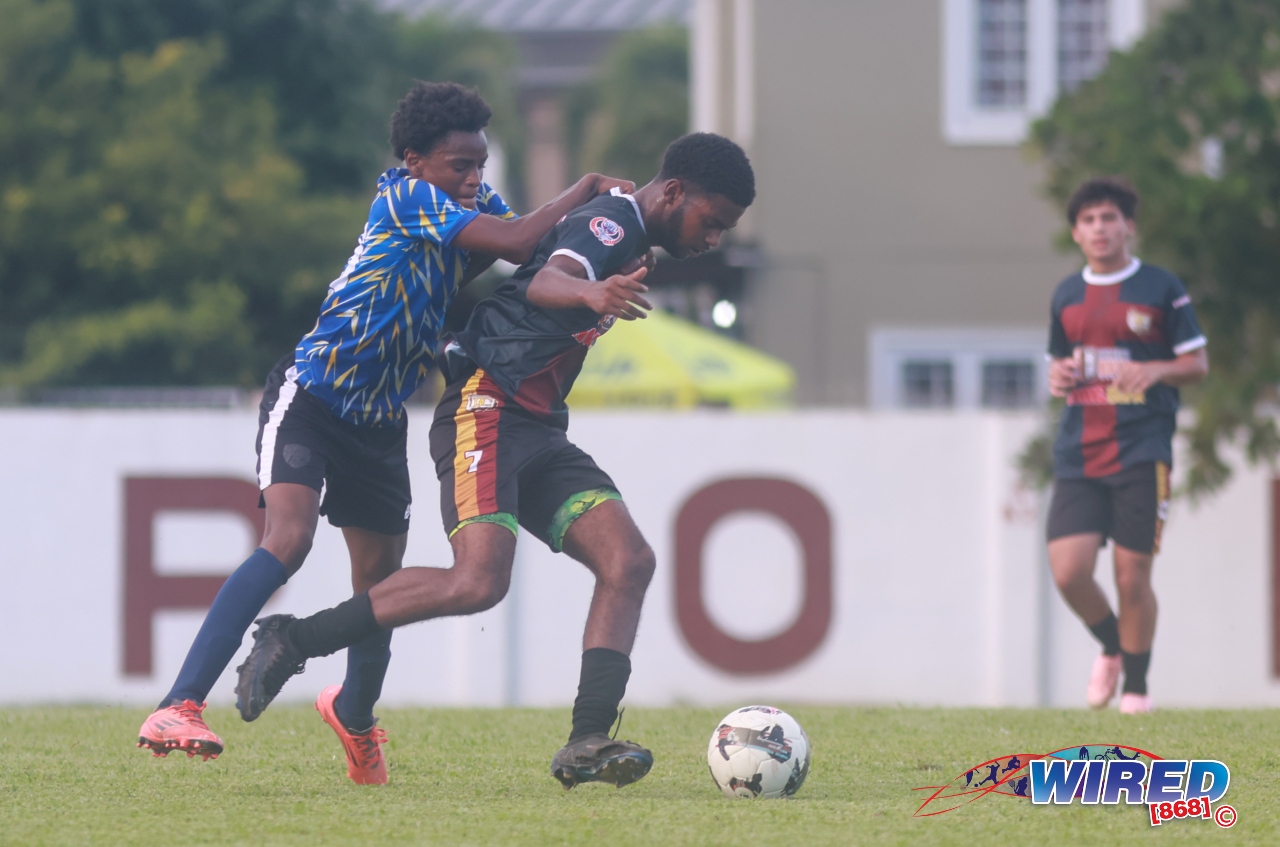
Photo: Nicholas Bhajan/ Wired868.
Player wellbeing can be sacrificed for performance. Mistakes can become unacceptable because they might cost a match.
The result can be a player who knows how to follow instructions but does not know how to think independently. A team may win a match, but have those players necessarily developed?
If a player learns that their value is determined entirely by whether the team wins, what happens when they are injured, dropped or eventually deselected? These are not simply football questions. They are questions about safeguarding, player care and athlete wellbeing.

Photo: Nicholas Williams/ Wired868.
The modern football environment must therefore find the balance between structure and freedom.
Young athletes need boundaries. They need standards. They need qualified coaches who can teach them the technical, tactical, physical and psychological aspects of the game. But they also need space—space to think, space to make decisions, space to make mistakes, space to express themselves, space to develop their own identity as players.
The coach’s role should increasingly be about creating the conditions in which this development can take place. Safeguarding, player care and athlete wellbeing should be integrated into that environment rather than operating separately from coaching and performance.
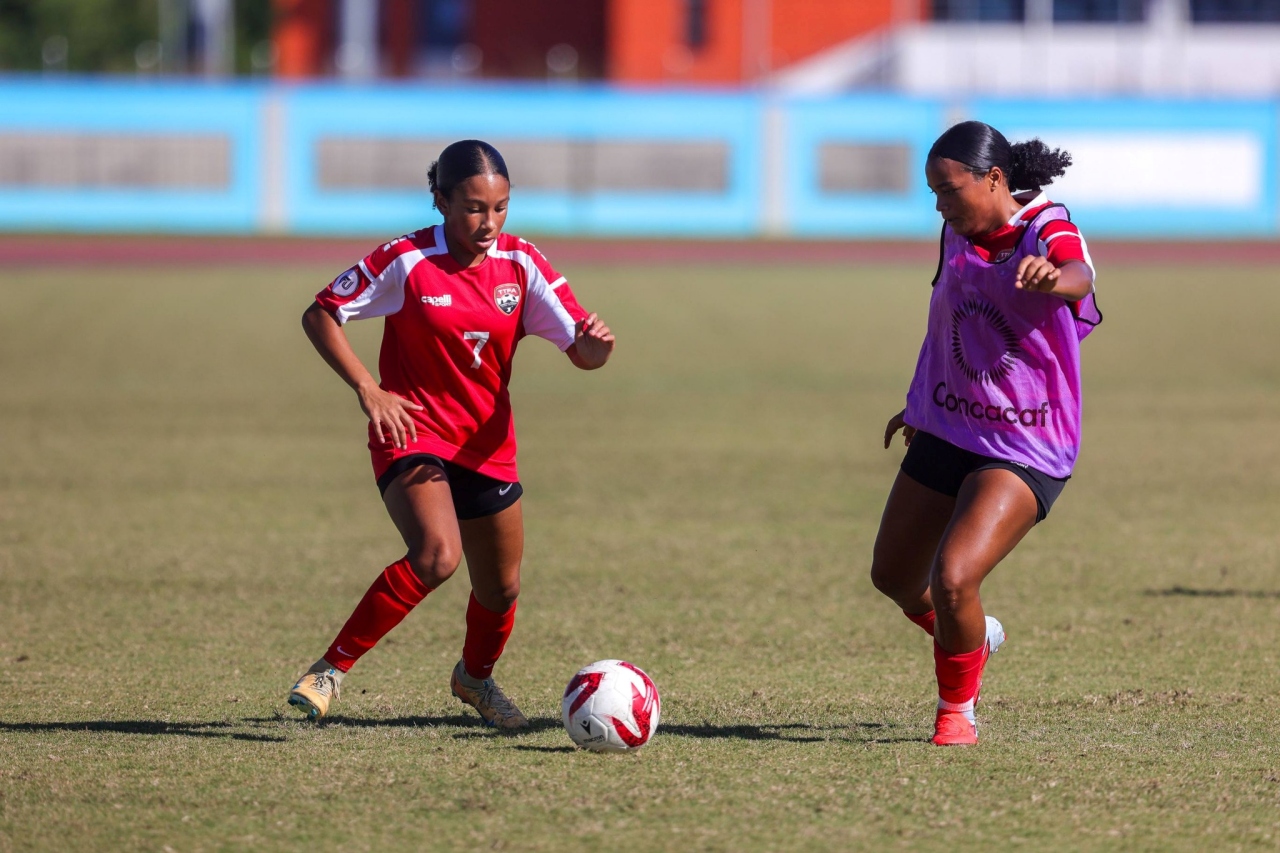
Photo: TTFA Media.
When these areas work together, we not only develop the athlete but we also develop the person.
The safeguarding professional helps create safe systems and environments. The coach creates the learning environment. The player-care professional supports the individual. The athlete wellbeing practitioner considers the wider factors affecting the person’s ability to thrive.
Together, they create an environment in which performance and personal development can coexist.

Photo: Nicholas Bhajan/ Wired868.
Perhaps it is time to broaden the way we define success in youth football. Success should not only be measured by trophies, league positions, selections or the number of players who eventually reach professional football.
We should also ask whether our players are developing confidence.
- Are they learning to make decisions?
- Are they learning to manage mistakes?
- Are they comfortable asking for help?
- Do they feel that their voice matters?
- Do they understand how to deal with success and failure?
- Are they becoming independent thinkers?
- And, perhaps most importantly, are they enjoying the game?
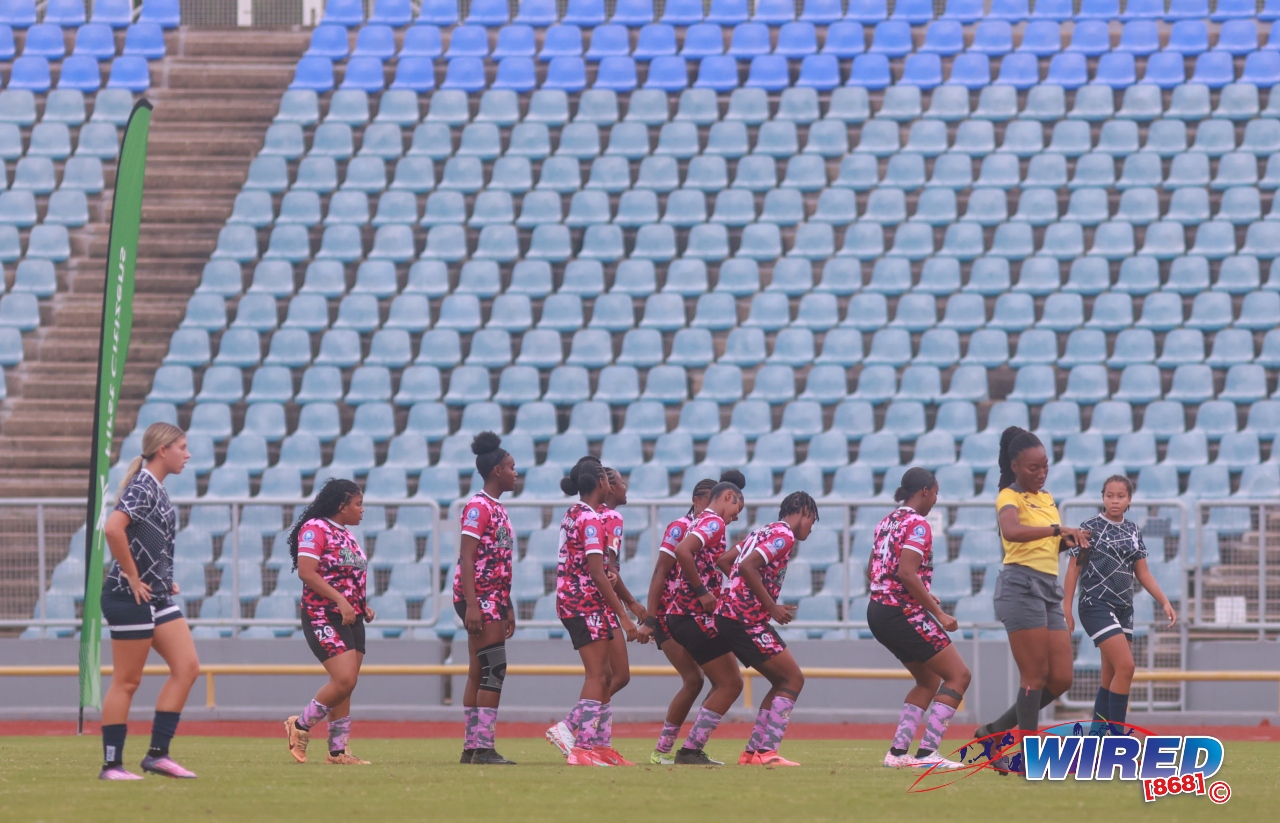
Photo: Nicholas Bhajan/ Wired868.
These questions do not diminish the importance of performance. They strengthen it by recognising that sustainable performance is built on the development of the whole person.
The footballer of the future will need more than technical ability. They will need resilience, adaptability, emotional awareness, decision-making ability, confidence and the capacity to operate in complex and unpredictable environments. Those qualities cannot simply be instructed into a player, they have to be developed.
Safeguarding therefore has to become one of the catalysts for a new approach to athlete development.

Photo: Nicholas Bhajan/ Wired868.
It can help move football away from cultures based on fear and towards cultures based on trust. It can help coaches understand that protecting young players does not mean protecting them from every mistake.
It means protecting their right to learn in an environment where mistakes can be made safely and constructively. It means recognising that the young athlete has a voice. It means understanding that dignity matters.
It means creating environments where players can say, I don’t understand, I need help, I made a mistake, or I have an idea, without fear of being diminished.
Ultimately, the safeguarding conversation should not simply ask whether we are protecting young athletes from harm. It should ask whether we are creating the conditions for them to thrive.
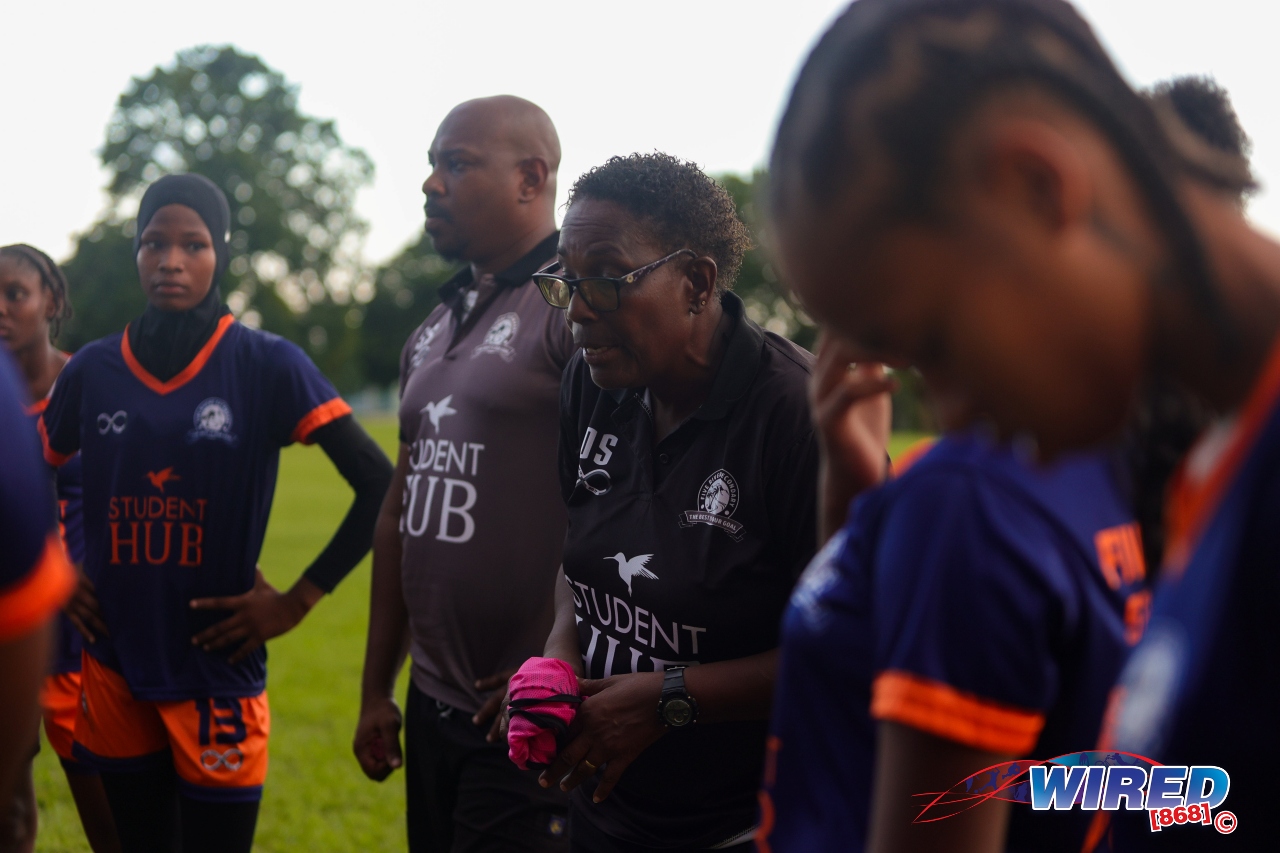
Photo: Nicholas Williams/ Wired868.
And that is why safeguarding should not be seen as something that sits beside athlete development. It should be one of the foundations upon which athlete development is built.
Editor’s Note: The Caribbean Guardians was officially launched in August 2026, with advocates from across the region, as a regional safeguarding coalition created to protect athletes from abuse, harassment, and exploitation while advocating for a safe sporting environment in the Caribbean.
“[…] Under the proposed TTFA Statutes amendments, clubs would lose 21 votes, reducing their combined allocation from 36 to 15—a Read more

“[…] Where else would you find U14 and U16 games playing at 10am on a workday, attracting 200 to 300 Read more

“[…] Mr Gary St Rose himself acknowledges that the investigations are not complete. So what exactly formed the basis of Read more
Trinidad and Tobago Boys’ National Under-15 Team manager Adrian Romain has been cleared to continue his duties with the national Read more

“[…] The TTFA’s published Safeguarding Policy and Framework (version 3.0) says the TTFA ‘shall’ impose conditions on a licence whenever Read more
“[…] A strategic plan should not simply articulate where an organisation hopes to be in four years. It should clearly Read more

Want to share your thoughts with Wired868? Email us at editor@wired868.com.
Please keep your letter between 300 to 600 words and be sure to read it over first for typos and punctuation.
We don’t publish anonymously unless there is a good reason, such as an obvious threat of harassment or job loss.