 Wired868 Wired868 for smart sport news and opinion
“[…] Mr Gary St Rose himself acknowledges that the investigations are not complete. So what exactly formed the basis of the decision that the present arrangements were sufficiently safe for Mr Adrian Romain to continue supervising minors?
“[…] We are repeatedly told to trust the process. But trust is not established simply because the person overseeing a process assures the public that it is being followed…”
The following Letter to the Editor, which questions the handling of Safeguarding complaints against Trinidad and Tobago Boys’ National U-15 team manager Adrian Romain and what it might say about the wider process, was submitted to Wired868 by The Independent Observer:
The latest revelations concerning the Trinidad and Tobago Football Association’s (TTFA) Safeguarding Department should concern every parent who has entrusted a child to a national football programme.

In his 20 October interview with Wired868, TTFA Safeguarding, Player Care and Wellbeing Manager Gary St Rose confirmed that two complaints involving national youth team manager Adrian Romain remain unresolved. Yet, despite those outstanding matters, the Department is sufficiently comfortable with Romain continuing to supervise minors on international duty.
Mr St Rose has defended that decision, pointing to communication failures, administrative shortcomings and the introduction of a new 50-page operations manual.

Romain, the National U-14 team manager, was accused of leaving a 14-year-old national player alone at the Piarco Airport, after the 2026 CFU Boys Challenge Series.
Photo: Daniel Prentice/ Wired868.
But surely we must ask: Since when does the creation of a policy document constitute accountability for an incident that has not yet been fully investigated?
As someone who understands the responsibilities of institutions entrusted with the care and supervision of children, I find this increasingly troubling.
The allegations are not insignificant. One concerns the handling of travel arrangements after a young national player was unable to accompany his team because of a passport issue.
The other involves an allegation that a 14-year-old player was left without appropriate supervision at Piarco International Airport in the early hours of the morning, facing the responsibility of arranging his own onward travel to Tobago.
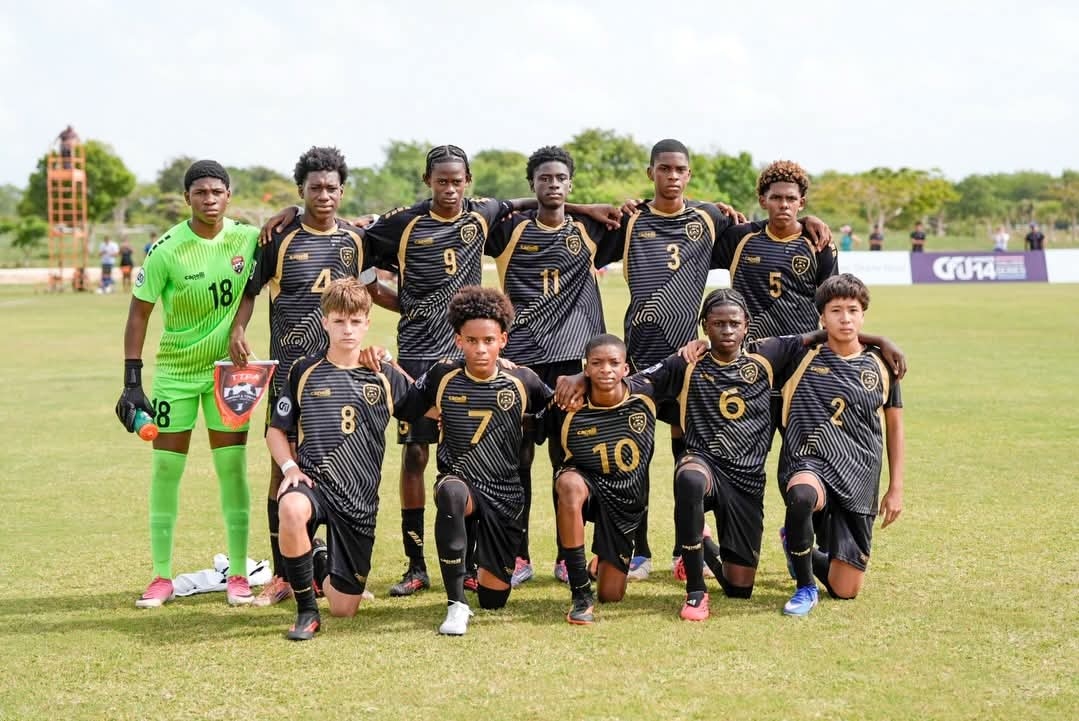
Photo: CFU.
These are precisely the circumstances in which an organisation’s duty of care must be carefully examined.
Whether either complaint ultimately establishes individual wrongdoing is a matter for a fair and competent investigation. However, the responsibility to assess foreseeable risks and implement appropriate safeguards exists independently of any eventual finding of misconduct.
Children do not become less vulnerable because an administrative failure is shared among several departments.

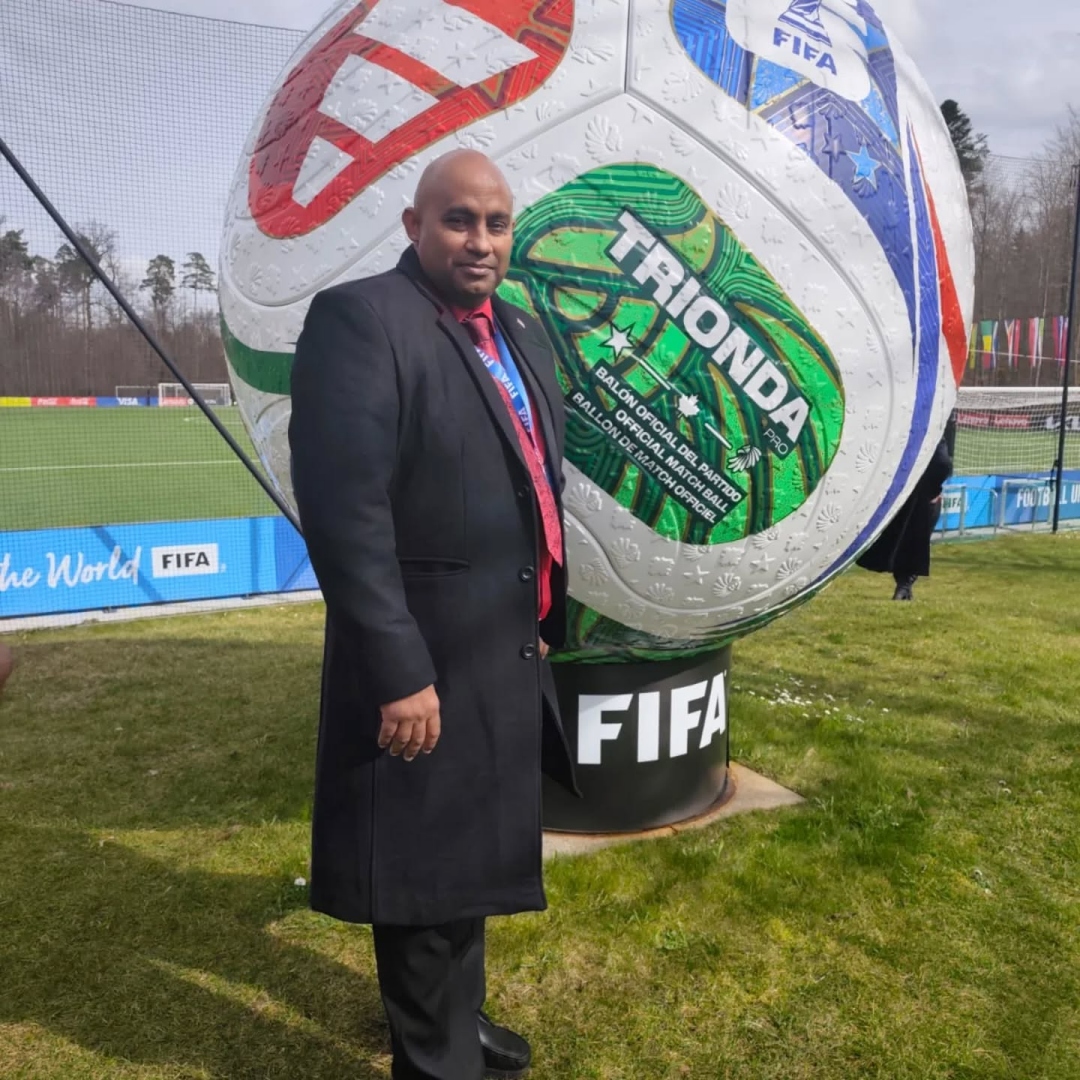
(via Fifa.)
Mr St Rose has repeatedly insisted that safeguarding cannot be influenced by public pressure and must follow established procedures. That is entirely correct.
Yet his latest explanations raise an unavoidable question about the consistency of those procedures.
Former national youth coach Shawn Cooper remains suspended from coaching minors, with Mr St Rose pointing to ongoing court proceedings. Meanwhile, Mr Romain has been permitted to continue in a position of responsibility despite two unresolved complaints.

Cooper has been suspended from coaching minors by the TTFA Safeguarding Department since March 2025.
Photo: Allan V Crane/ CA-images/ Wired868.
The cases are not identical, and it would be irresponsible to suggest that they are. Different circumstances and assessed risks may legitimately produce different interim measures.
However, that does not remove the obligation to explain the principles guiding those decisions.
What constitutes a sufficient safeguarding risk to warrant temporary restrictions? What objective criteria are applied? Who reviews these assessments? And how does the Association ensure that similar standards of procedural fairness are afforded to everyone?
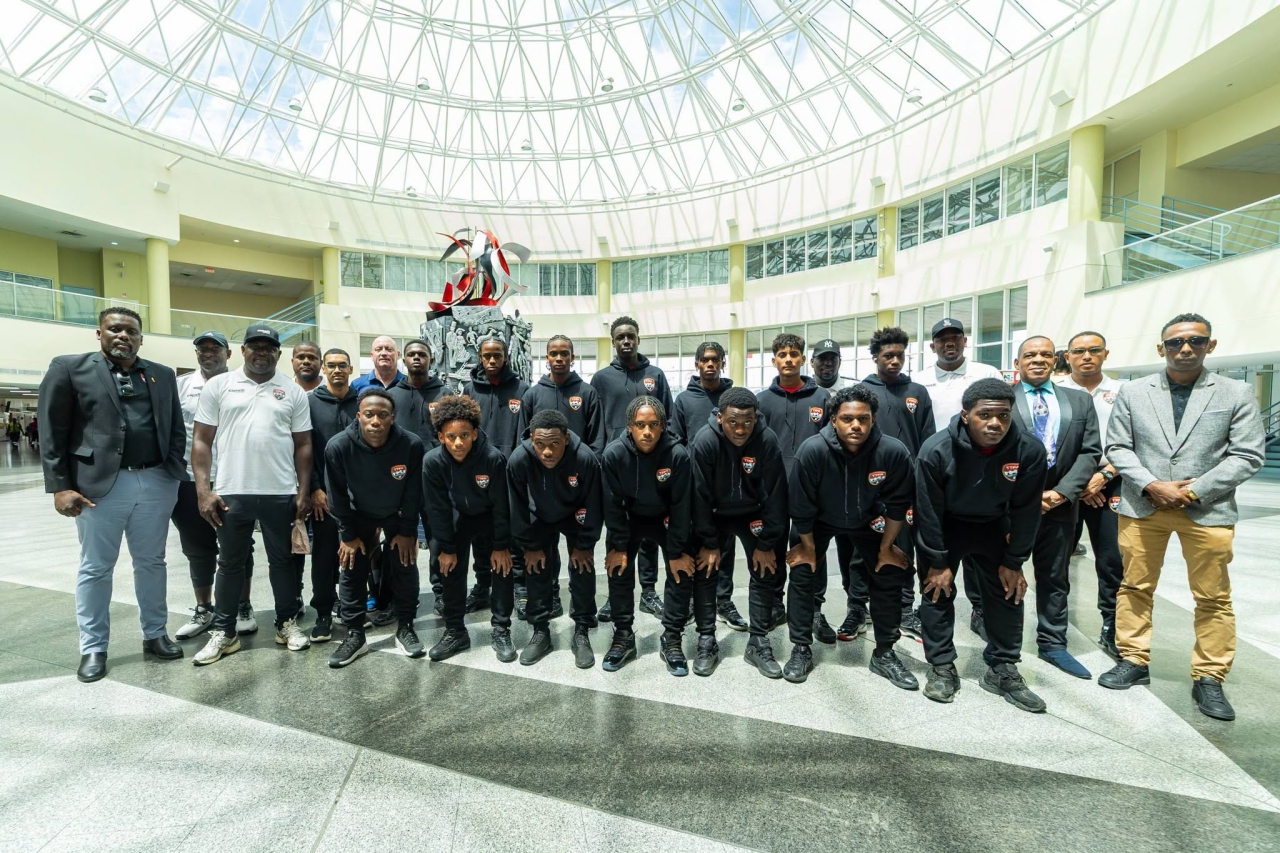
Manager Adrian Romain is in in the back row behind the players (standing right of centre).
Photo: TTFA Media.
These questions do not require the disclosure of confidential evidence or the identity of a child. They require an explanation of policy, consistency and professional accountability.
Surely an organisation that insists its decisions are guided by established safeguarding principles should be prepared to demonstrate how those principles operate.
Following the publication of the Wired868 article, Mr Romain issued a public Facebook statement (since deleted) expressing frustration over what he considers attempts to tarnish his reputation.

Photo: Nicholas Bhajan/ Wired868.
He criticised the state of journalism, referred to personal agendas and jealousy, and suggested that an individual who had benefited from certain experiences, including what he described as luxurious trips, was now positioning himself as a critic.
Mr Romain is entitled to defend his reputation. He is entitled to procedural fairness, and he must not be presumed guilty simply because complaints have been made. But his statement raises another concern.
At no point in the published statement does he directly address the substantive safeguarding questions arising from the reported incidents.
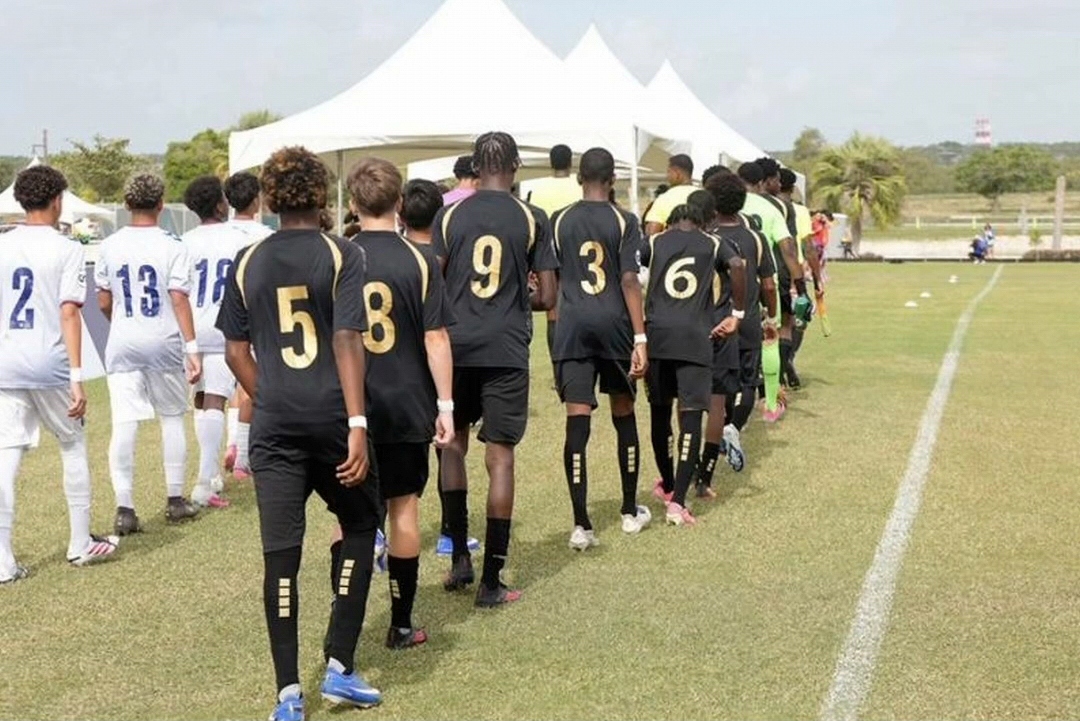
Photo: CFU.
Instead, the discussion shifts to his reputation, his personal achievements and the perceived motives of those reporting on the matter.
That is unfortunate.
When complaints concern the welfare of children, the issue cannot become a contest between an individual’s reputation and a journalist’s credibility. If the reporting is factually incorrect, then the inaccuracies should be identified and corrected. That is a legitimate and appropriate response.
But questioning a journalist’s motives does not, by itself, disprove the allegations under examination.
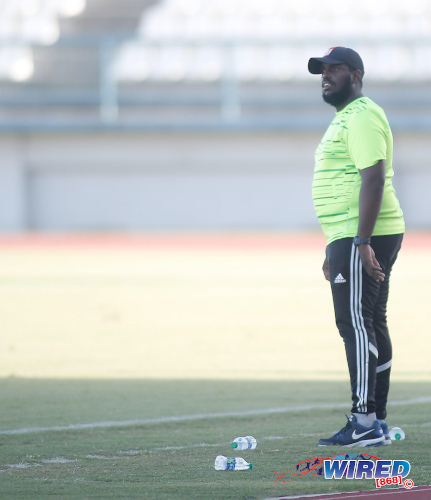
Photo: Annalicia Caruth/ Wired868.
Mr Romain states that his reputation is built on his actions rather than someone else’s narrative. That is precisely why the circumstances surrounding those actions must be examined fairly and thoroughly.
A safeguarding investigation is not a public relations exercise. Its purpose is neither to destroy nor to preserve reputations. It is to establish relevant facts, assess risks, protect children and determine whether responsibilities were properly discharged.
The welfare of a child must never be overshadowed by the discomfort of an adult facing legitimate scrutiny.
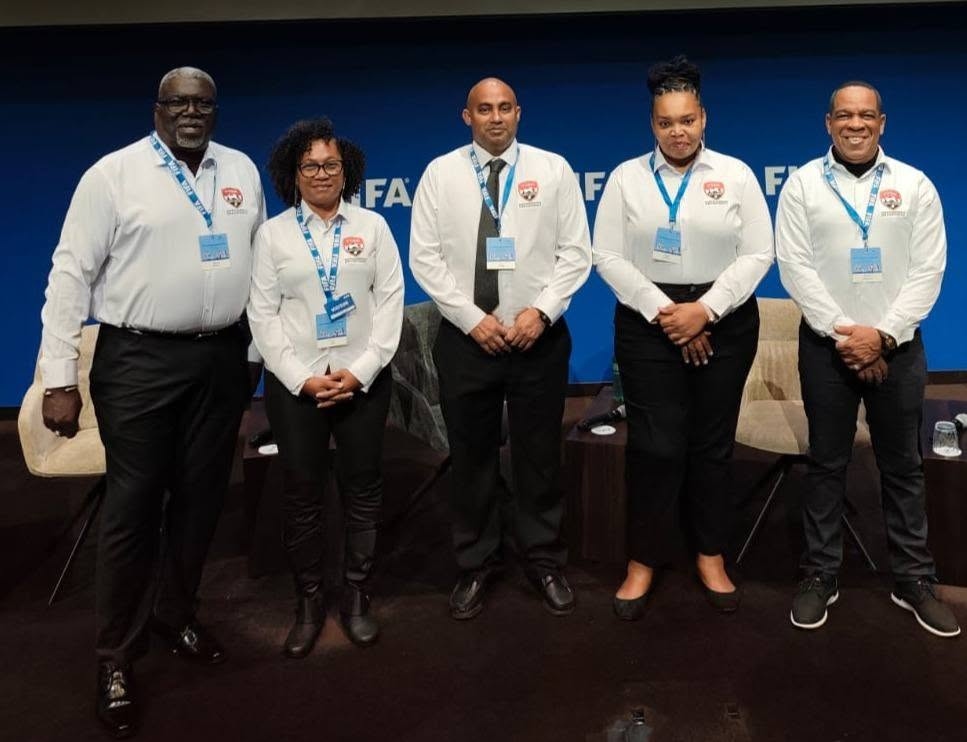
(via TTFA.)
Perhaps the most revealing aspect of Mr St Rose’s latest interview is his repeated reliance on the TTFA’s newly approved National Youth Teams and High Performance Programme Operations Manual.
The manual reportedly includes specific provisions addressing neglect, negligence, supervision and safe transportation.
These provisions are welcome. Indeed, one would expect an organisation responsible for sending children overseas to have comprehensive safeguarding and travel supervision procedures already in place.

But a manual cannot retrospectively determine what happened at Piarco International Airport.
It cannot establish whether a child was appropriately supervised, who was responsible for that supervision, or whether reasonable steps were taken to prevent foreseeable risks.
Those questions require evidence, documented findings and, where warranted, corrective action.
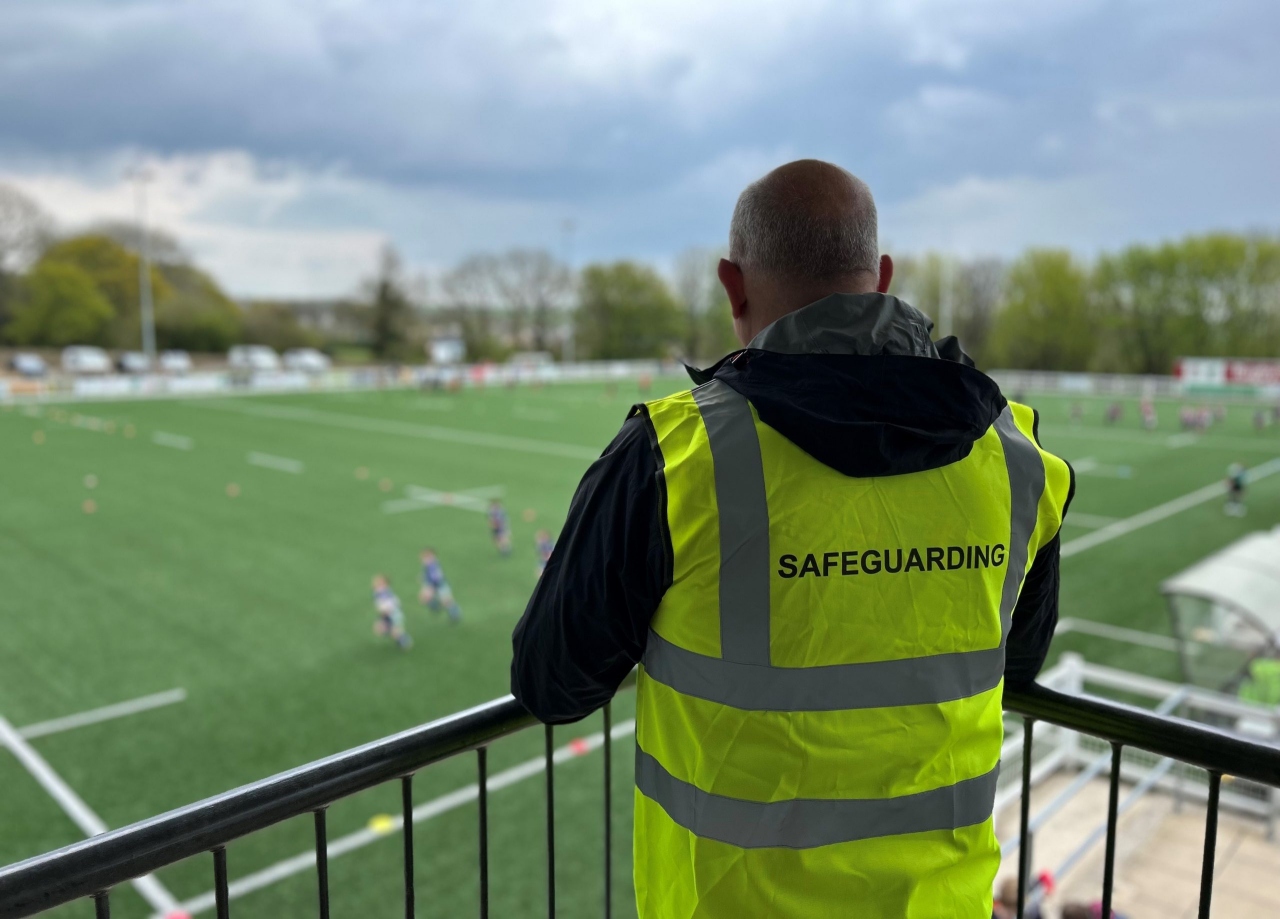
If the investigation identifies systemic failures, the TTFA must address them. If it identifies individual failures, those must also be addressed. The existence of one does not automatically excuse the other.
Mr St Rose himself acknowledges that the investigations are not complete.
So what exactly formed the basis of the decision that the present arrangements were sufficiently safe for Mr Romain to continue supervising minors?
Was a documented risk assessment conducted? Were temporary supervisory arrangements considered? Was the decision independently reviewed? Were the affected families appropriately informed about the measures relevant to their children’s welfare?
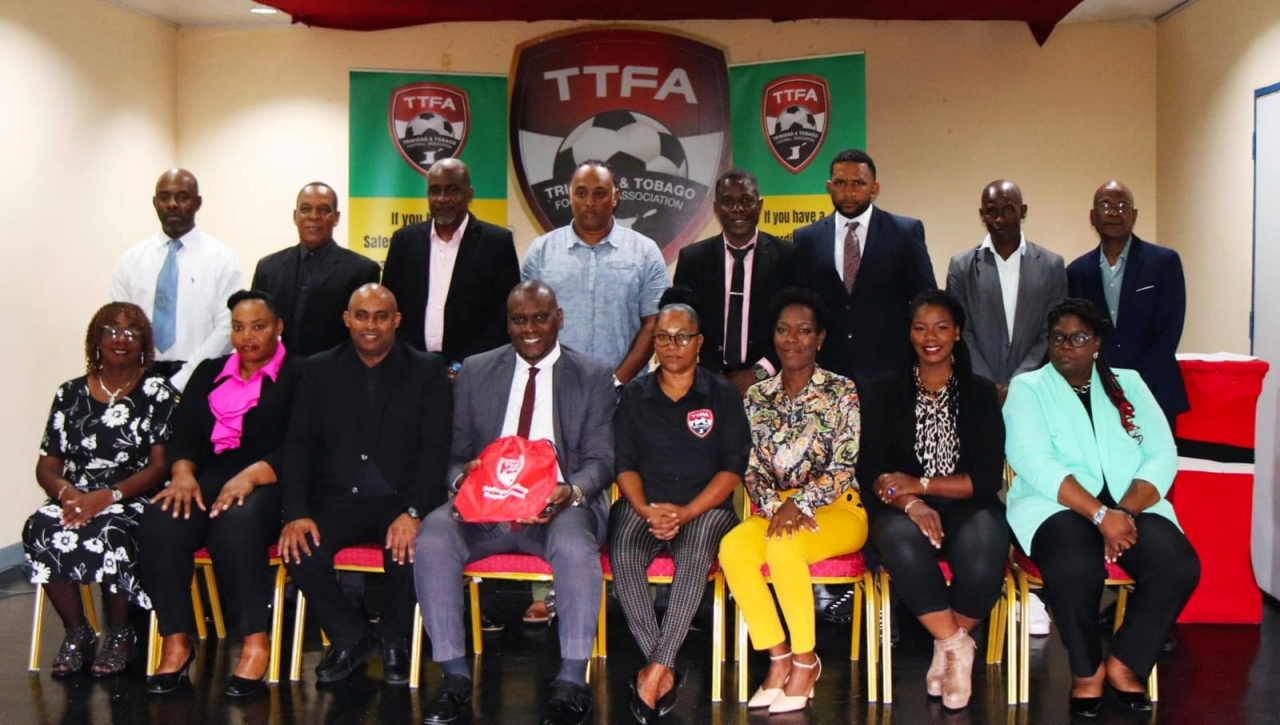
(via TTFA Media.)
These are reasonable questions. They are not demands for a predetermined disciplinary outcome.
There is another aspect of Mr St Rose’s comments that deserves attention.
In responding to questions about the complaints, he referred to situations in which parents or assistant coaches allegedly seek the removal of coaches for improper reasons.
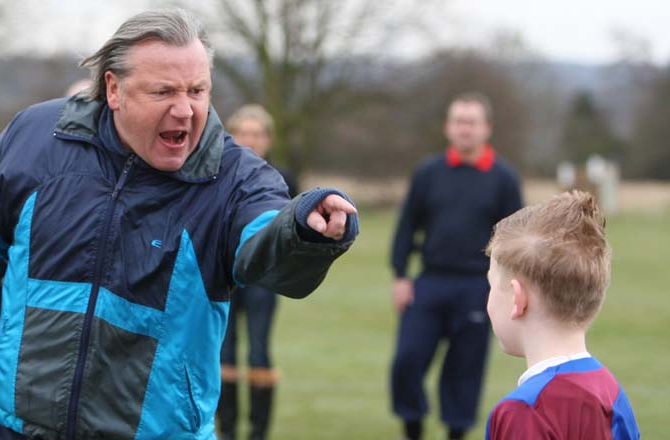
(via Joliefoulee.)
Of course, safeguarding professionals must distinguish between substantiated concerns, misunderstandings and malicious allegations. But repeatedly invoking the possibility of ulterior motives while discussing unresolved complaints carries a risk of its own.
It can create the impression that those raising concerns are viewed as adversaries rather than participants in the protection of children.
In education, we teach staff that safeguarding concerns must be reported and assessed without prejudging the motives of the person making the report.
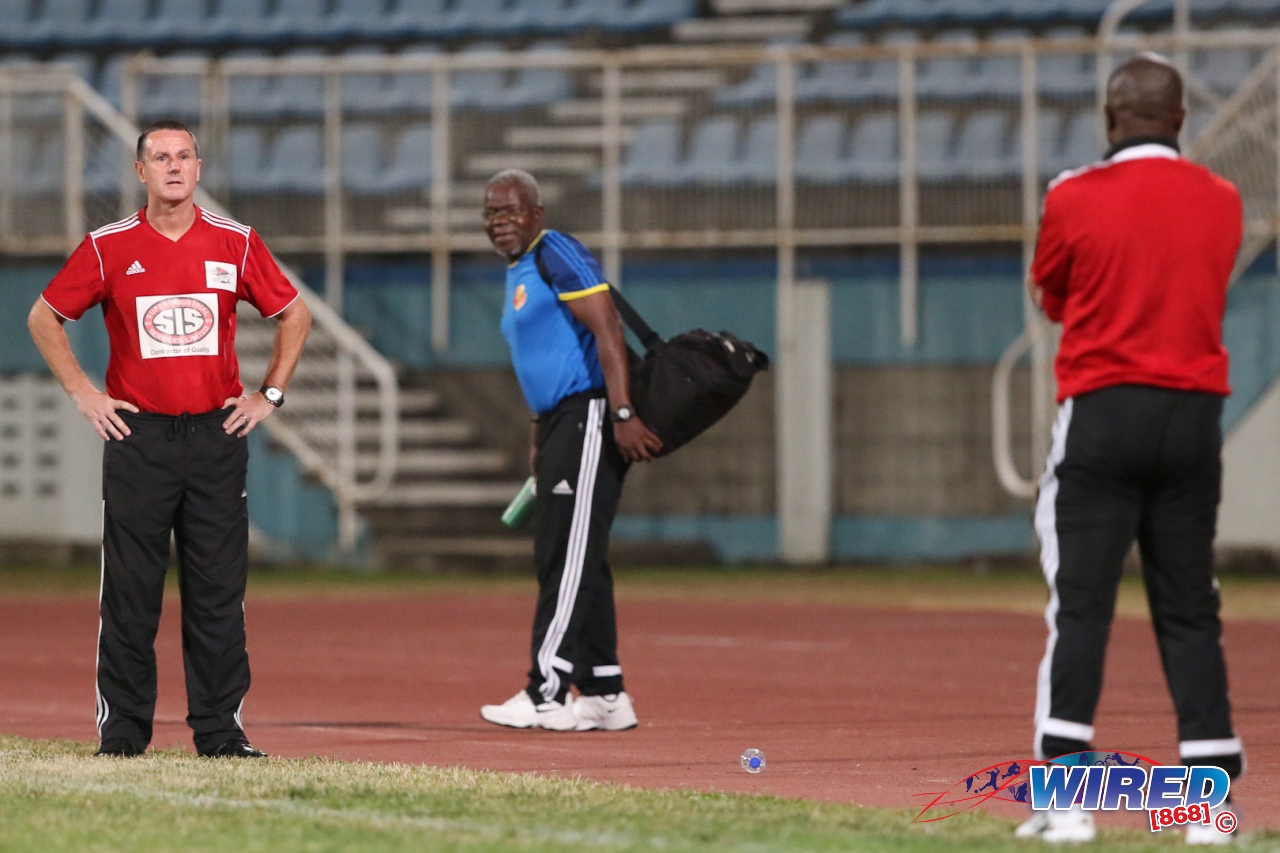
Central FC won 3-0.
Photo: Allan V Crane/ Wired868.
A person does not need to prove that misconduct occurred before raising a genuine concern. That is why assessment and investigation processes exist.
Nor should a parent fear being characterised as troublesome because they insist that questions involving their child’s safety receive proper attention.
An effective safeguarding culture encourages reporting. It does not discourage scrutiny through insinuations about jealousy, personal agendas or attempts to damage careers.
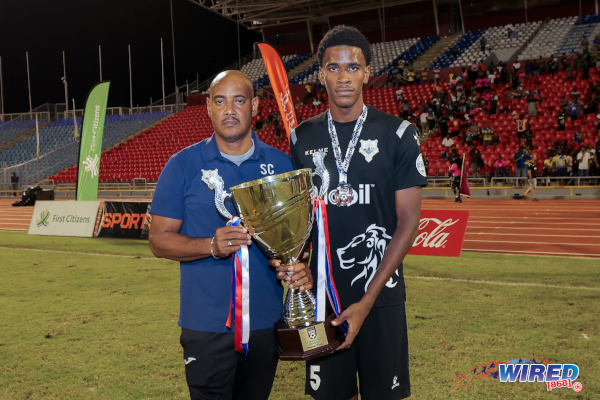
Photo: Daniel Prentice/ Wired868.
In my previous letter, I questioned the mechanisms through which the TTFA’s Safeguarding Department could itself be held accountable. The latest interview makes that question even more relevant.
We are repeatedly told to trust the process. But trust is not established simply because the person overseeing a process assures the public that it is being followed.
It is earned through consistency, clear standards, competent investigations and demonstrable accountability.
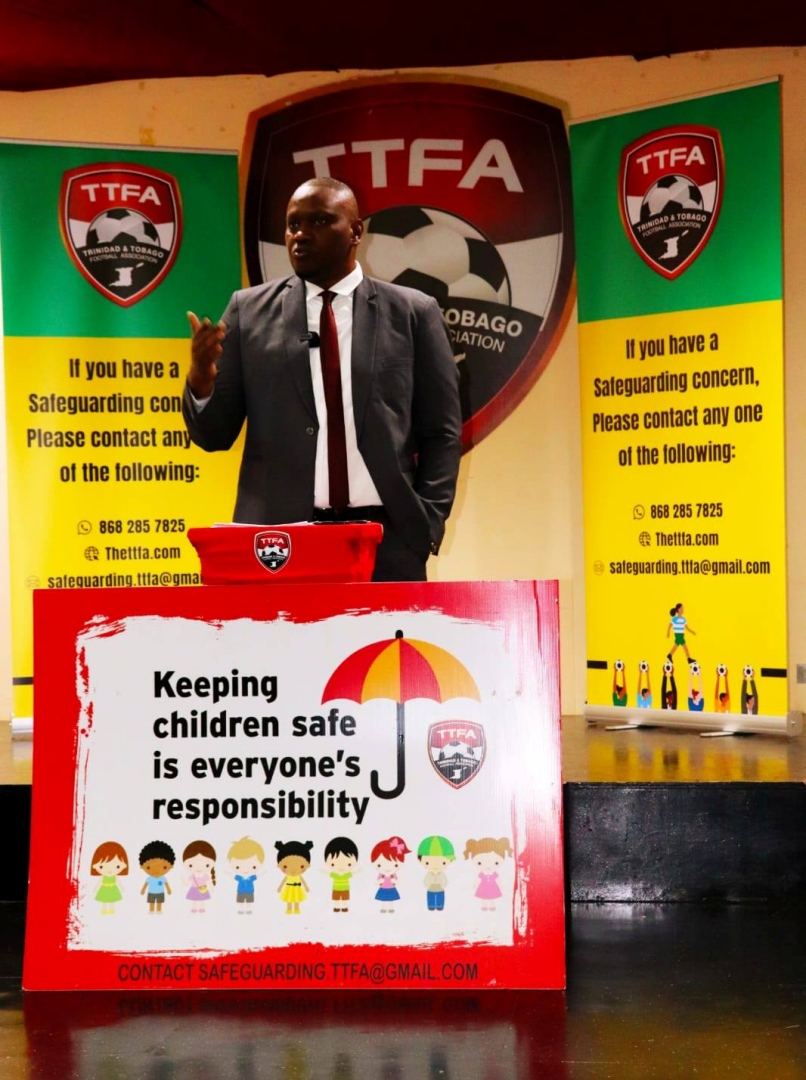
(via TTFA Media.)
Confidentiality is essential when children are involved. However, confidentiality should not prevent the Association from explaining its general risk-assessment procedures, decision-making authority, oversight arrangements and avenues for independent review.
Nor should due process be invoked as though it exists exclusively for adults whose conduct is being questioned. Children and families also have legitimate interests in safety, timely assessments and appropriate communication.
The TTFA must demonstrate that its safeguarding system can protect all of those interests fairly.

Photo: TTFA Media.
Children first. Not reputations. Not positions. Not personalities.
Let me be clear. This is not a call for Adrian Romain to be declared guilty or for Shawn Cooper to be automatically reinstated.
It is a call for consistency, transparency and adherence to defensible safeguarding standards.
It is also a call for the TTFA executive to stop treating safeguarding accountability as though it were exclusively the responsibility of one department.
The Association’s leadership bears responsibility for ensuring that the systems entrusted with protecting children are functioning effectively and are subject to appropriate oversight.
The fundamental question is not whether Gary St Rose is comfortable with Adrian Romain continuing in his role. The question is whether that decision was supported by a proper, documented and proportionate assessment of the risks to the children entrusted to his care.
And if the TTFA cannot explain the standards guiding such decisions, without compromising legitimate confidentiality, then it should not be surprised when the public questions the credibility of its safeguarding framework.
Mr Romain has every right to protect his reputation. Mr St Rose has every responsibility to ensure fairness. But neither an individual’s reputation nor an administrator’s confidence should be mistaken for evidence that children are adequately protected.
Safeguarding is not about who speaks the loudest, who holds the highest office, who has the strongest connections or who feels personally aggrieved by criticism.
It is about the child.
And until the TTFA demonstrates that this principle consistently guides its decisions, the public has every right to continue asking uncomfortable questions.
|
Wired868 has provided readers with solid, independent journalism since 2012. If you appreciate our work, please contribute to our efforts. Support Independent Journalism |

Trinidad and Tobago Boys’ National Under-15 Team manager Adrian Romain has been cleared to continue his duties with the national Read more

“[…] The TTFA’s published Safeguarding Policy and Framework (version 3.0) says the TTFA ‘shall’ impose conditions on a licence whenever Read more
“[…] A strategic plan should not simply articulate where an organisation hopes to be in four years. It should clearly Read more

“[…] The TTFA could work with clubs, academies, parents and relevant child-protection stakeholders to review its youth-team travel standards and Read more
“[…] A new coach may bring fresh ideas, different tactics, and renewed motivation—but if the underlying problems remain, how much Read more
“[…] Mr St Gary Rose speaks extensively about what complainants are not entitled to demand. Yet he provides considerably less Read more

Want to share your thoughts with Wired868? Email us at editor@wired868.com.
Please keep your letter between 300 to 600 words and be sure to read it over first for typos and punctuation.
We don’t publish anonymously unless there is a good reason, such as an obvious threat of harassment or job loss.

Pleaseee when you are writing an article please and I say again please make sure you are well informed and you have evidence of your claim thank you god bless