 Wired868 Wired868 for smart sport news and opinion
There is an old adage that says: “a wise man learns from the mistakes of others, while a fool learns from their own mistakes.”
This seems fairly commonsense. If one sees someone else undertake an action which results in negative consequences, it would be foolhardy to expect a different result if that same action is attempted without any differences in underlying conditions.
This is true at the individual-level, and certainly true at the national policy level.
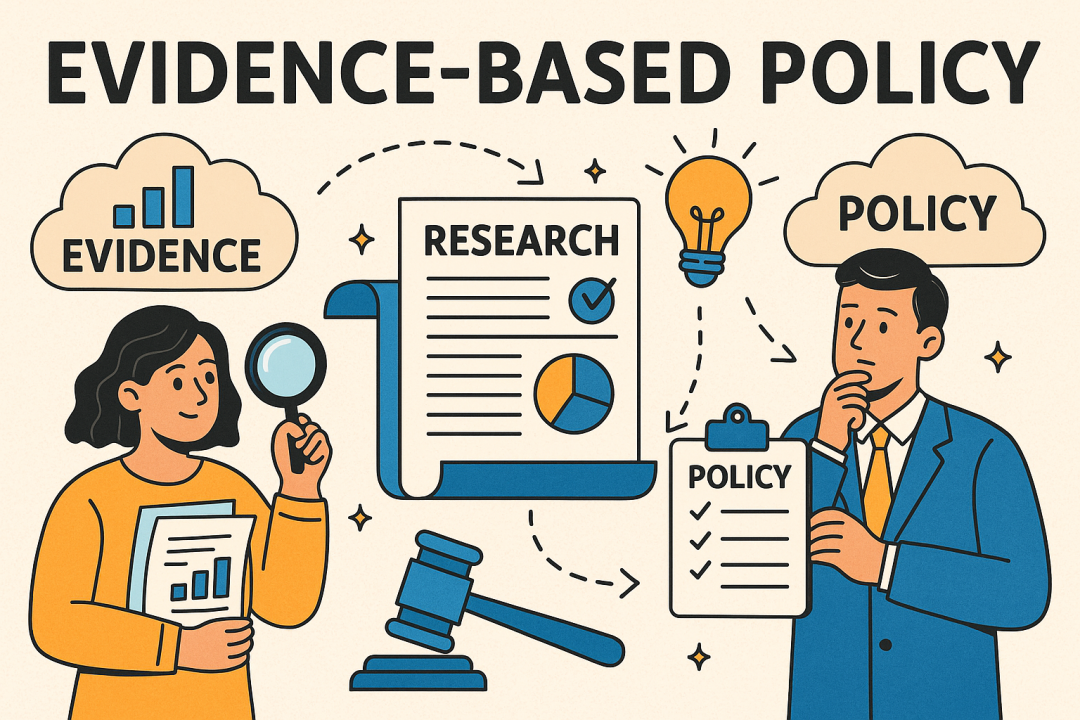
In development economics and public policy, the term for this is evidence-based policymaking. Stripping away unnecessary jargon, the Oxford Blavatnik School of Government provides a simple definition:
“Evidence based policymaking refers to the method of policy development that consults facts and credible, relevant evidence to make decisions, over political opinion.”
In intellectual circles, this idea has thrived because it conforms to principles of rationality. If policy A has significant overall evidence in its favour over policy B, then policy A is chosen.

(via iStockphoto.)
Furthermore, because evidence-based policymaking is rooted in evidence, it is more likely to be transparent and less likely to be partisan or corrupt. For example, if the evidence says some communities have inadequate water supply, water access policy should target these communities regardless of their political preferences.
Since the early 2000s, these ideas have become increasingly popular as many governments across the world attempted to ground their decision-making in evidence.
The award of the Nobel Prize in Economics, which advanced this area in both 2019 and 2021, boosted the appeal of evidence-based policymaking in both developed and developing countries.
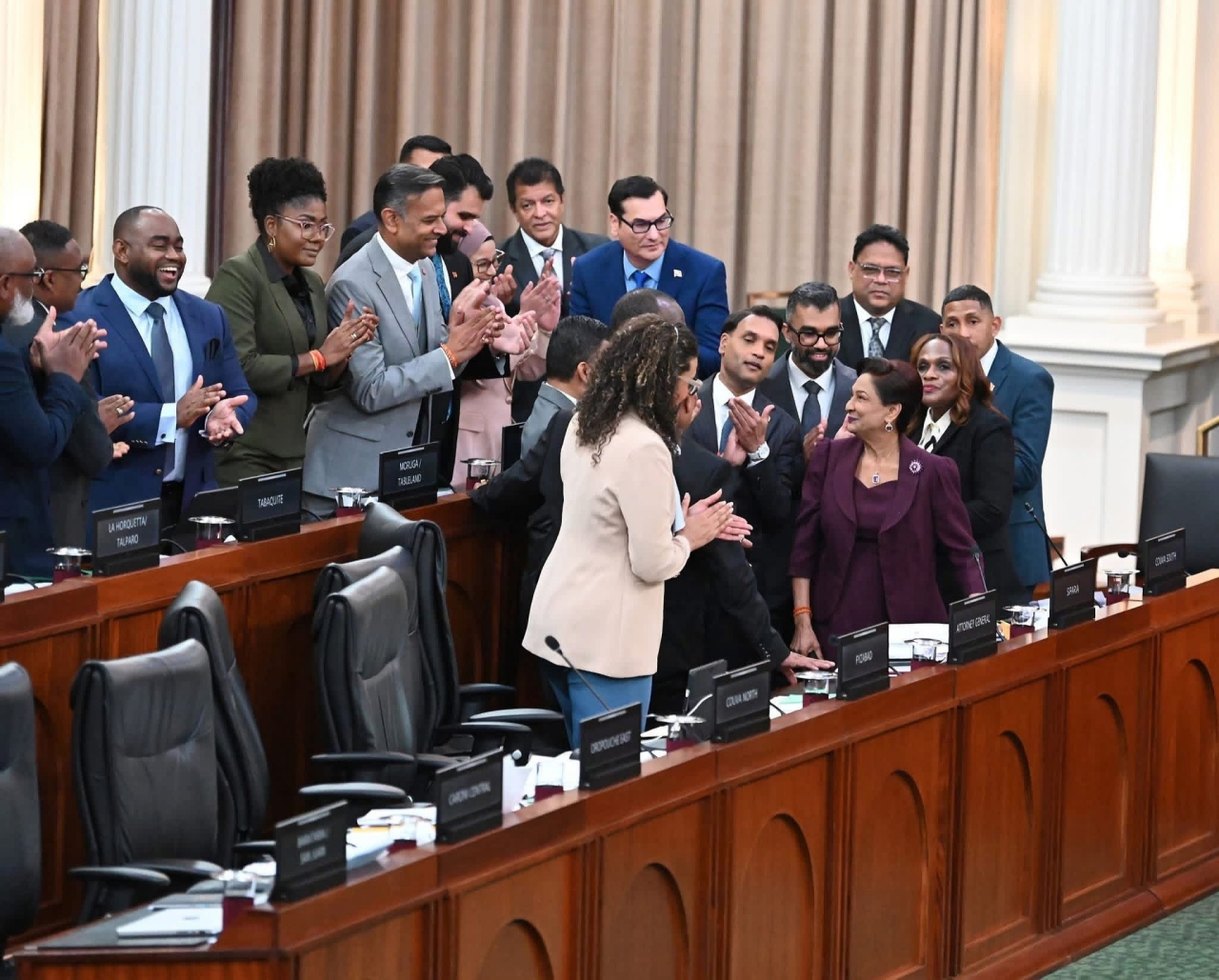
Copyright: Office of the Parliament 2026.
So, what is happening in Trinidad and Tobago? Are we the exception?
To those observing, it would appear as though many policy decisions are made contrary to existing evidence.
First, and most recent, is the amendment to the procurement legislation. There are several amendments but the issues attracting most debate include the widening of exceptions, restrictions on independent oversight and limiting the powers currently entrusted to the Office of Procurement Regulation.
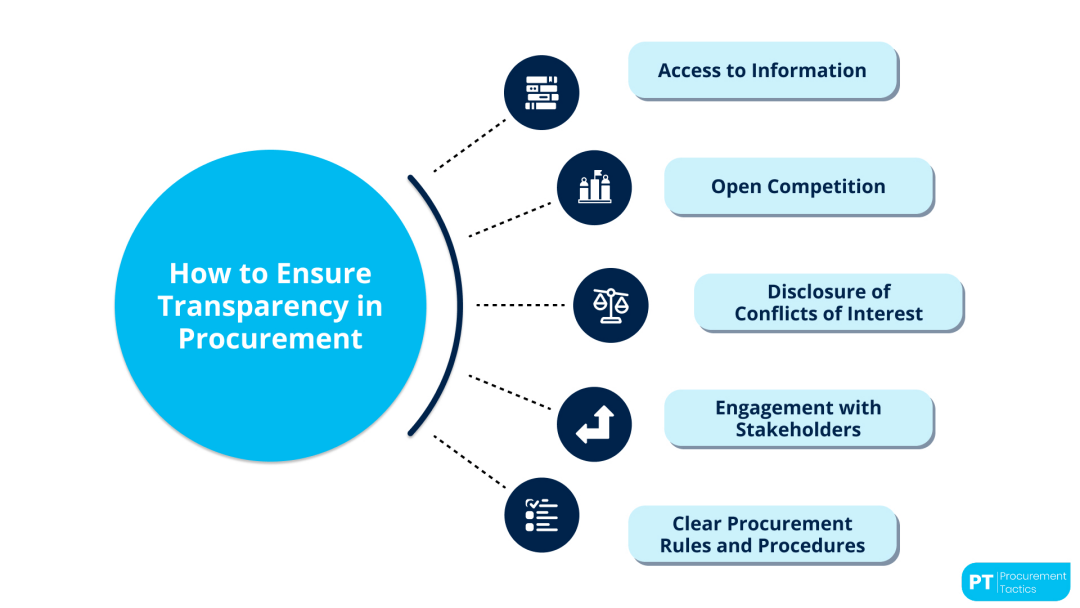
These amendments contradict the established evidence on strong procurement processes. In 2009, the Organisation for Economic Cooperation and Development (OECD) published 10 principles of integrity in public procurement. The 2026 amendments defy seven of the ten principles.
These seven principles relate to transparency; risks to procurement integrity; mechanisms to monitor, detect and sanction misconduct; dealing with complains from aggrieved potential suppliers in a fair manner; and the empowerment of civil society to make challenges.
For those interested, see principles 1, 2, 5, 7, 8, 9 and 10 of the report: OECD Principles for Integrity in Public Procurement.

It is therefore unsurprising that various civil society groups and social activists have spoken out against these amendments—including, but not limited to, the Trinidad and Tobago Transparency Institute, the Movement for Social Justice and well-known anti-corruption commentator and ex-JCC president Afra Raymond. The evidence supports their concerns.
But what of efficiency arguments? Efficiency is important, but efficiency should not come at the expense of integrity, transparency and accountability.
There are also political tit-for-tat arguments that the previous administration weakened the legislation during its term. If this is true, then any current amendments should restore or strengthen the procurement legislation, not further weaken it.

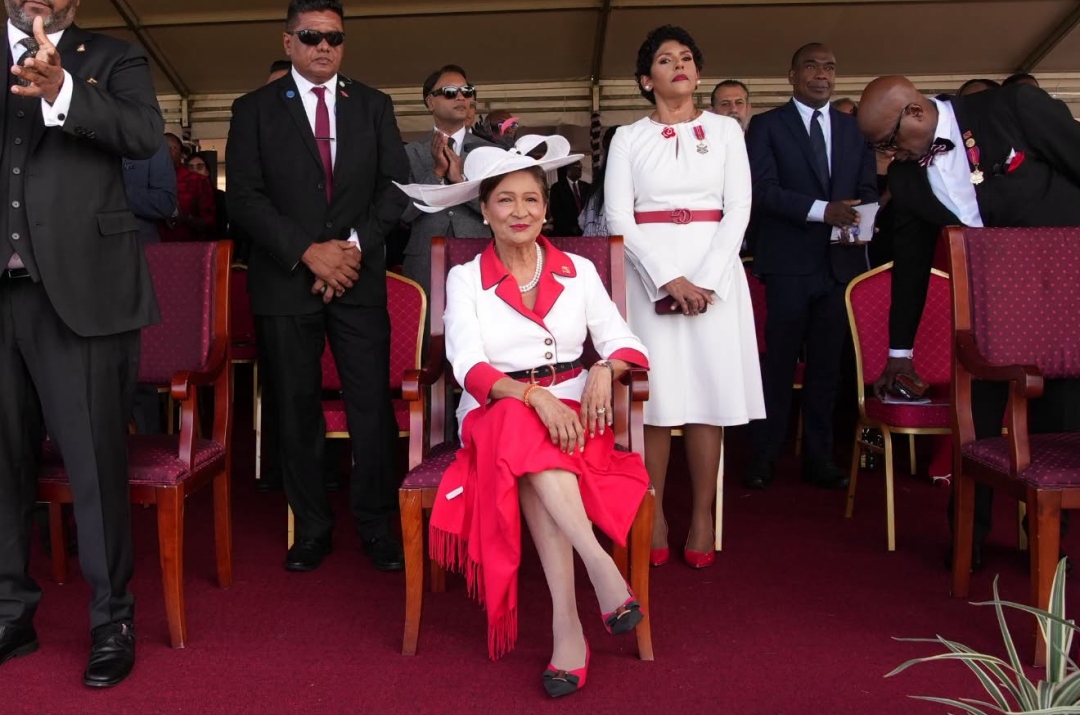
Photo: OPM.
A second example is the suspension of MiLAT. The MiLAT programme was suspended in July 2026 and a decision on the programme’s future was to be determined by end-July, though a final decision has not been made public.
Again, the evidence of the benefits of these types of programmes contradicts this decision to suspend.
The US government conducted a review on the effectiveness of 200 “positive youth development programmes” and concluded that:
“These programs promote positive outcomes by providing opportunities, fostering positive relationships, and giving the support that is needed to develop young people’s assets and prevent risky behaviours.”

(via MiLAT.)
Like most social programmes in T&T, there has been no impact evaluation of MiLAT, but anecdotal evidence largely supports the US findings.
Some statements made have suggested low value for money of the programme. If valid, this should be a stimulus for reform, not termination.
If one looks closely, more examples abound. A recent report from the OECD suggests that digital distraction might be associated with a fall in reading, maths and science scores in OECD countries; and countries like Sweden are rolling back digital learning in schools.

Yet our policymaking seems completely devoid of this evidence base.
There is also a wealth of evidence on the resource demands and noise pollution that is associated with data centres, with countries like the Netherlands, Ireland, Singapore and some states in the US imposing restrictions on the construction of new data centres.
Yet, we are looking to these initiatives for an economic boost, without real engagement with the potential social and economic costs.
And there are many, many more examples—both past and present. All concerning for the development of our beloved Trinidad and Tobago.

This begs the question, if policymaking is not grounded in evidence, then what drives it? What guides our decision makers?
Perhaps we are simply exceptional and can defy all the odds and avoid all the warnings so clearly suggested in the evidence base? Maybe. After all, God is ah Trini.

The recent announcement by the government to divest state assets has stimulated some conversations on the role of the state Read more
I am not a politician. I’m certainly not a senator. I am just a citizen who pays attention. So, when Read more
Having just celebrated 64 years of independence, discussions as to whether Trinidad and Tobago is better off since gaining independence Read more

Some years ago, I lived and worked in Sierra Leone. I arrived in the capital, Freetown, just ten years after Read more

“[…] The media release by the heads of judiciaries—that seemed to focus on the leak of the emails and breach Read more
“[…] Neither African nor Indian communities benefit from this… In cases where division arises unintentionally, accountability must fall on leaders, Read more

Dr Jamelia Harris is an economist and Assistant Professor at the University of Warwick. She studies and has written on the labour market, public finance and development policy in Africa and the Caribbean. She is a double President’s Medal recipient and holds a PhD from the University of Oxford.
