 Wired868 Wired868 for smart sport news and opinion
Covid-19 was a masterclass in socioeconomic inequities but heatwaves have also ignited pervasive disparities in our society.
The elderly, those living alone, children, low-income communities, homeless, outdoor workers, athletes, stray animals and those with chronic illnesses bear the brunt of heat-related risks. Their limited access to air conditioning, inability to afford cooling measures and precarious living conditions exacerbate inequities.
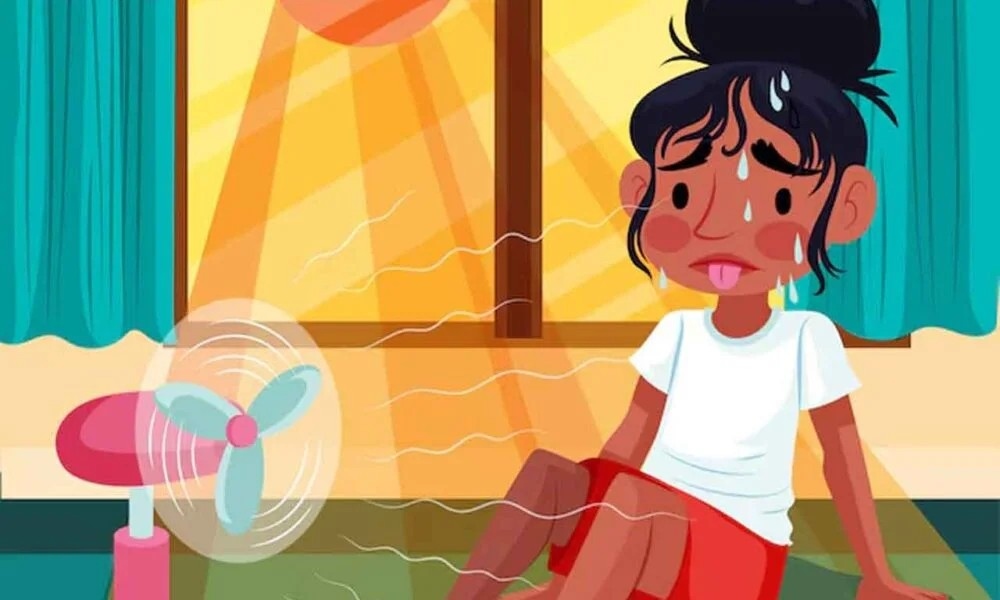
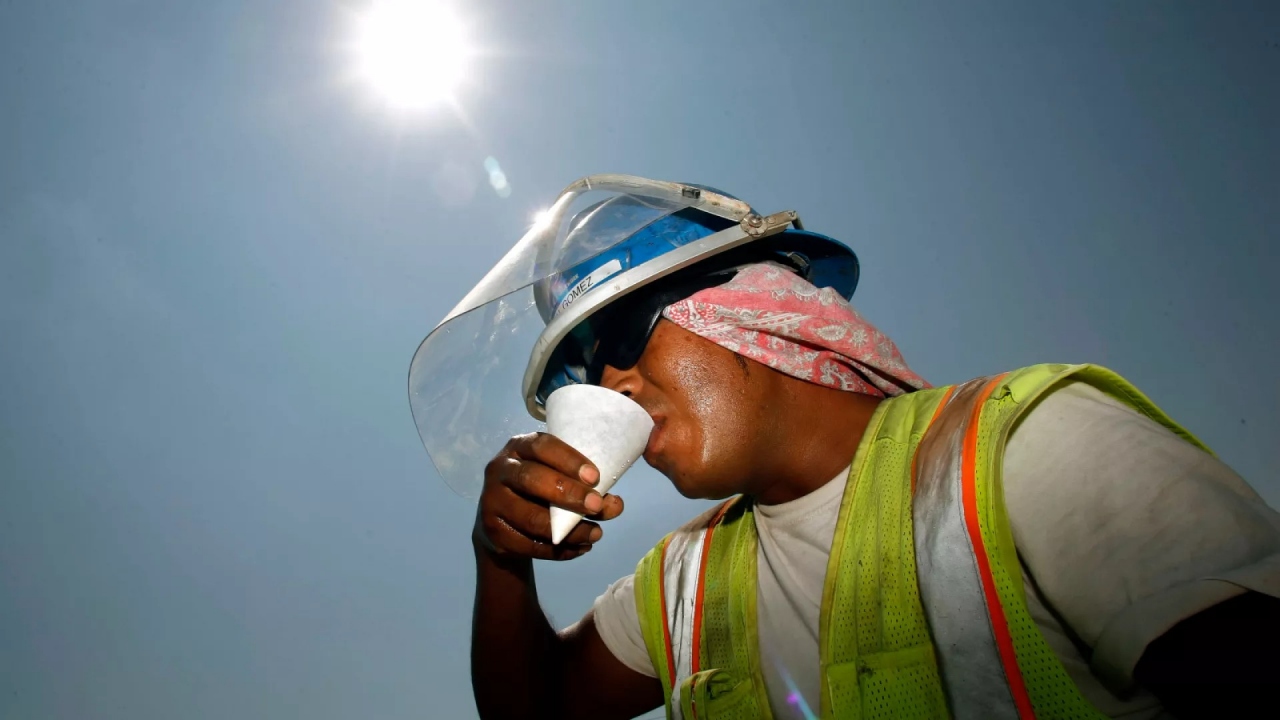
Workers in construction, agriculture and manufacturing industries are unable to take time off during heatwaves, thus increasing the risk of heat-related complications.
Bakery staff, kitchen workers, welders, warehouse workers, factory workers, doubles vendors, security guards in small booths, market vendors and maxi-taxi drivers are trapped beside ovens, metal roofs, poor ventilation or engines.
Heaven help us when electricity goes!
It is imperative that governments, organizations and individuals prioritize equitable solutions to mitigate the impact on these communities.
How can they have affordable cooling technologies and shade in these urban jungles? What labour laws will protect workers including mandatory breaks and reasonable accommodations?
What climate-resilient housing is available for poorer persons? What climate action is ongoing to protect the next generation?
The most immediate threat posed by searing temperatures is “heat exhaustion” with symptoms such as profuse sweating, nausea, vomiting, dizziness, fainting, headache, muscle weakness, cramps and signs of dehydration.
Rest, a cooling environment and adequate hydration including electrolyte drinks usually alleviate symptoms. However, if untreated, “heatstroke” could occur.
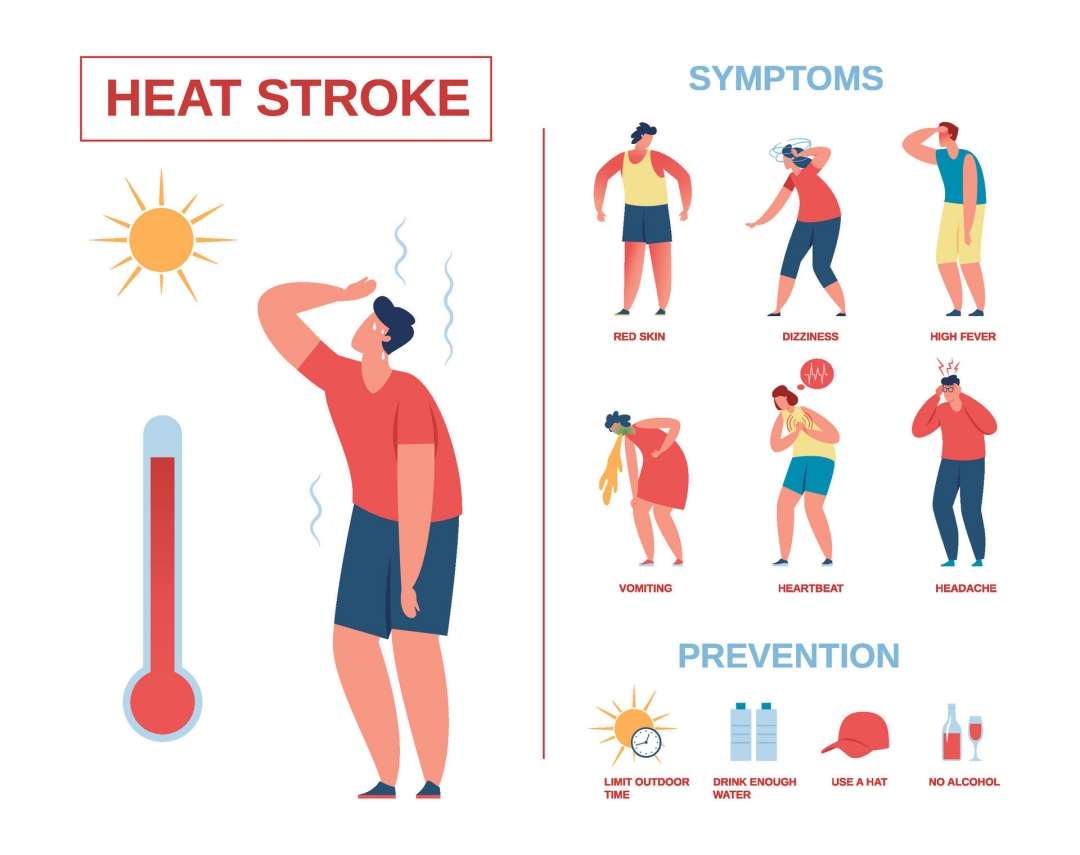
This life-threatening state with confusion, very high body temperature, loss of consciousness and organ failure requires admission to hospital.
Pregnant women struggle in these elevated temperatures and newborns are unable to regulate heat. Avoid covering prams or strollers with dry cloths. No child, elderly person, patient with disability or animal should ever be left in a parked vehicle, even “for five minutes”.
Oppressive conditions lead to increased heart rates and blood pressure with deleterious cardiovascular effects. Heatwaves can exacerbate respiratory problems such as asthma or Chronic Obstructive Pulmonary Disease (COPD) in regions where air pollution is a concern.
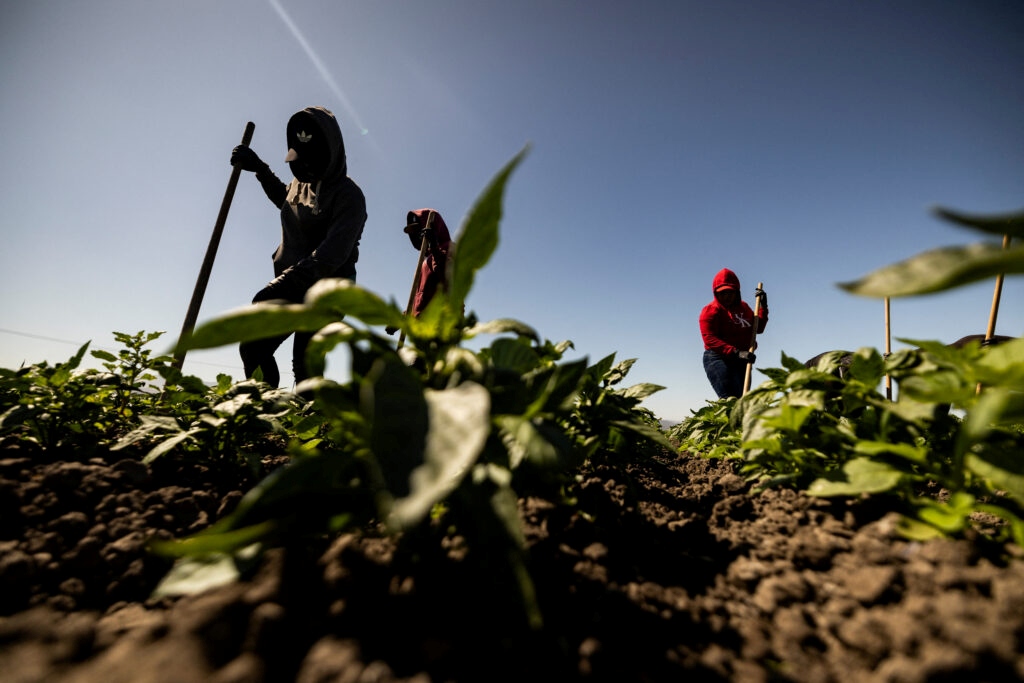
Photo: Etienne Laurent/ AFP via Getty Images.
Diuretics, some blood pressure tablets, anticholinergic drugs, antihistamines, antidepressants, antipsychotics and lithium may increase vulnerability to dehydration, confusion, low blood pressure or kidney injury.
People with diabetes face another trap as dehydration can raise glucose, reduced appetite can cause hypoglycaemia (low blood sugar) and insulin or test strips left in hot cars may become unreliable.
No one should stop medication casually but a “heatwave plan” is wise.
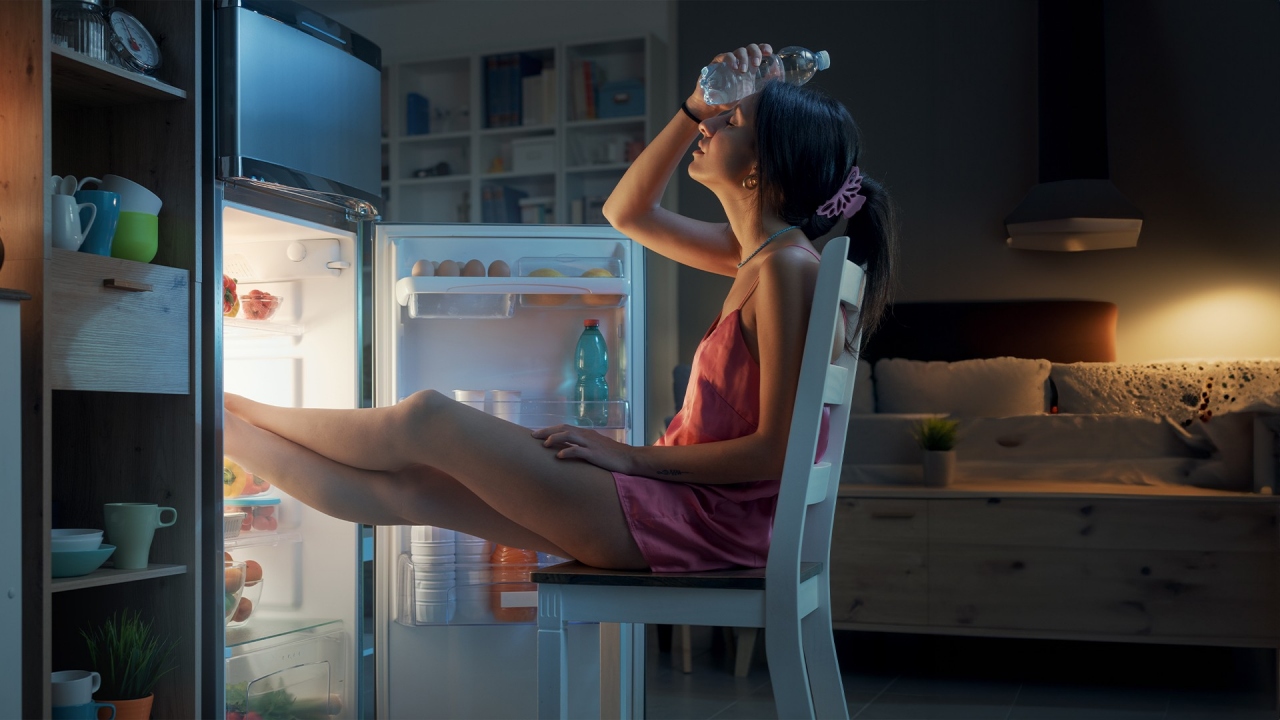
A patient with dementia may forget to drink or wander into the sun. A patient with heart failure or kidney disease may be unsure whether to drink more because fluid advice is complicated.
The safest question is not only “How much water should I drink?” but “What is my personal heat plan?”
Prolonged exposure to oppressive heat, sleep disruption due to hot nights and anxiety about personal well-being contribute to stress and depression. Students struggle to concentrate or perform poorly on standardized tests while violent crime and aggression tend to surge.
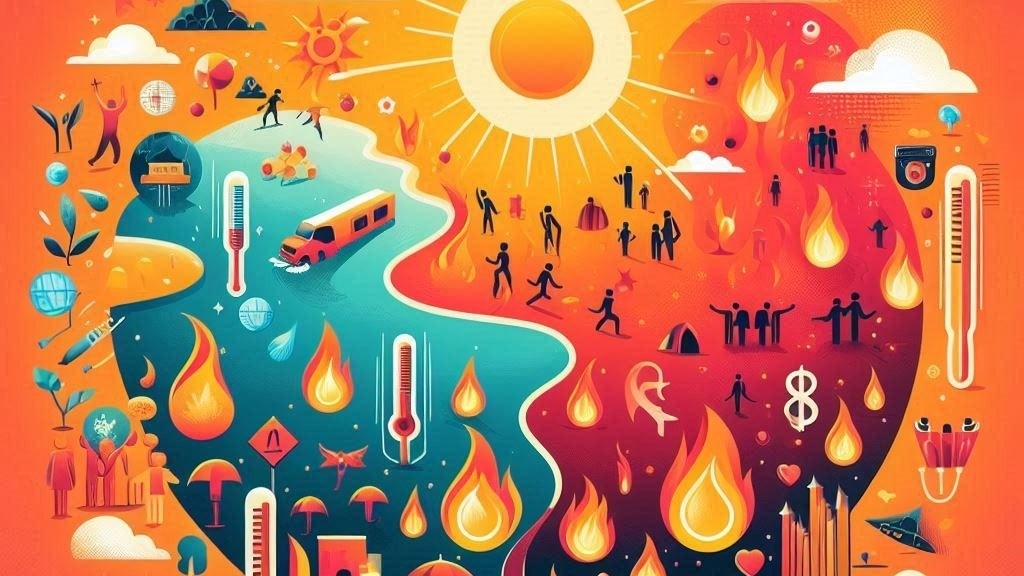
“Urban heat islands” are pockets within cities where temperatures soar significantly higher than in their rural surroundings. These absorb and retain heat but release it gradually during the night.
Urban planning, green spaces and improved building designs are pivotal tools to mitigate these temperature disparities.
Efficient early warning systems provide the public with vital information ahead of heatwaves and communities can distribute resources to those in need.
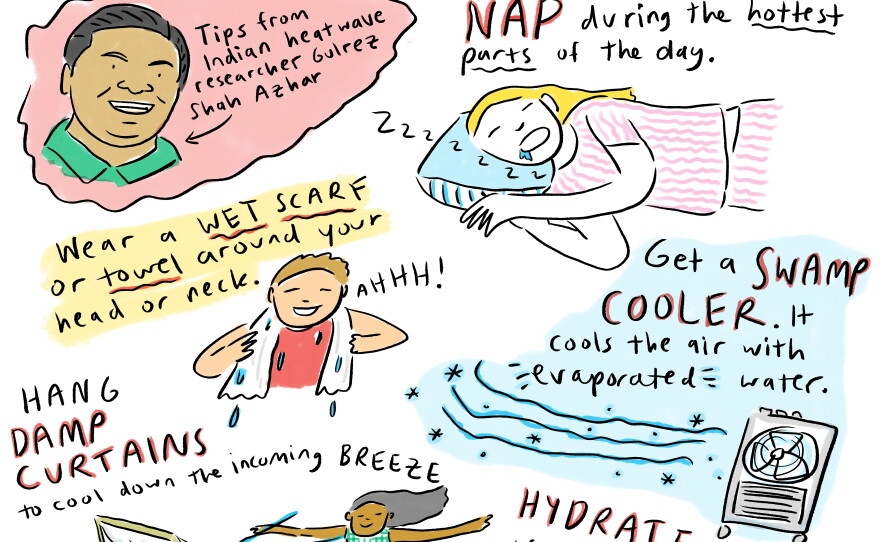
Avoid the outdoors if possible, stay in the shade especially between 10am and 3pm, use a hat and light clothing, wear sunscreen with a high Sun Protection Factor and restrict exercise during that time.
High humidity prevents sweat from evaporating, so the body loses its main cooling system. A “not-so-record-breaking” day can still be dangerous if humidity is high, wind is low and the person is working in direct sun.
Heat doesn’t discriminate—societies do. These historic heatwaves are social justice issues.
It’s easy for those in ivory (air-conditioned) towers to issue press releases about “keeping hydrated” but our collective response must leave no one behind in the sweltering heat of our shared future.
|
Wired868 has provided readers with solid, independent journalism since 2012. If you appreciate our work, please contribute to our efforts. Support Independent Journalism |

The half-used insulin vial was wrapped in a stained cloth and tucked inside a small purse. She had carried it Read more
There is a person living somewhere in Trinidad and Tobago who may one day save your life. You do not Read more
As a newly minted doctor fresh from postgraduate training in the United Kingdom, I returned home brimming with confidence. I Read more
The photographs were difficult to ignore. Long lines outside the Seventh-day Adventist Hospital. Elderly patients waiting patiently in chairs. Family Read more

There is a phrase patients love to hear. And one that doctors are quietly relieved to say. “Your blood tests Read more

I have a question—a few actually. They are related to the policies at the Eric Williams Medical Sciences Complex, commonly Read more