 Wired868 Wired868 for smart sport news and opinion
There is a person living somewhere in Trinidad and Tobago who may one day save your life.
You do not know their name. You may never meet them. You will never invite them to your wedding. They will never attend your birthday celebration. They will never appear in family photographs.
Yet one ordinary day, their blood may be flowing through your veins.
Literally.
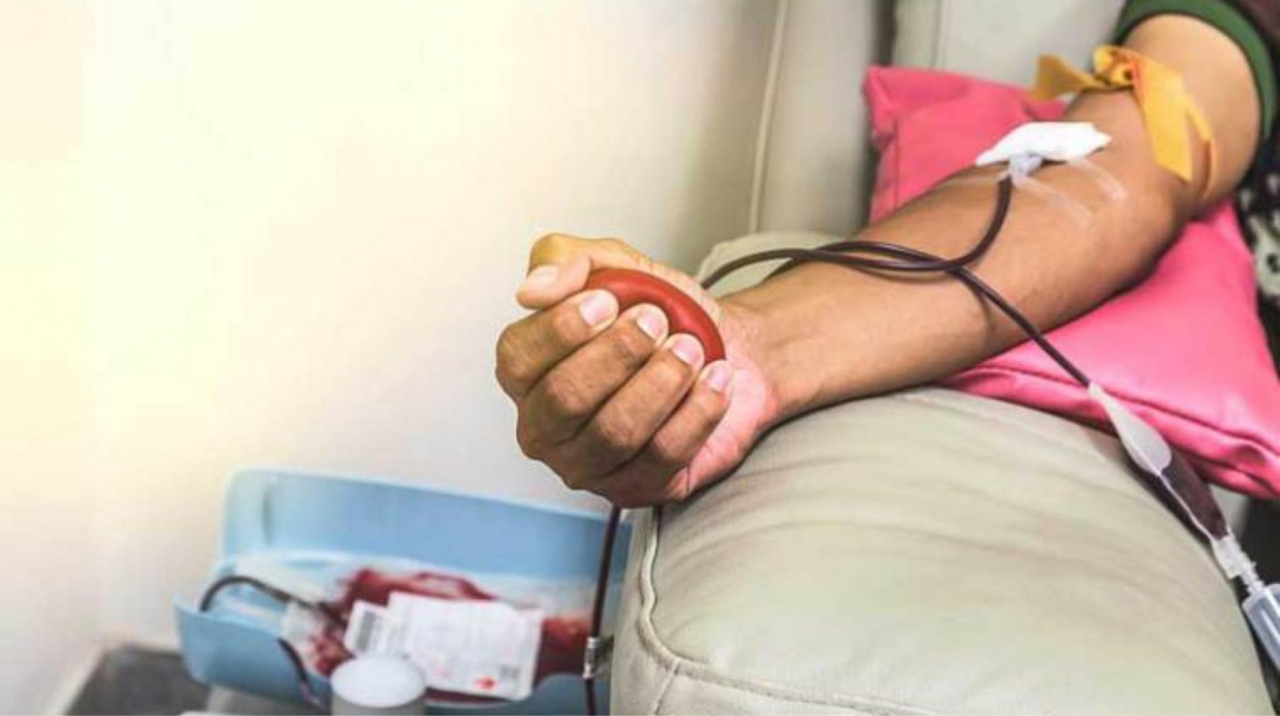
(via WHO.)
World Blood Donor Day is observed in June annually. Most awareness campaigns focus on blood shortages, donor recruitment and statistics. Those things matter. Hospitals cannot function without blood.
But numbers sometimes obscure the remarkable human story hiding underneath.
Every unit of blood contains an act of generosity between two people who will almost certainly remain strangers forever.
That is extraordinary when you stop to think about it.
We live in a world obsessed with recognition. Buildings carry names. Donors receive plaques. Sponsors appear on banners. Social media encourages us to document even the smallest good deed.
Blood donation works differently. The donor receives little fanfare and the recipient often never learns who made their survival possible. Yet, few acts have consequences as profound.
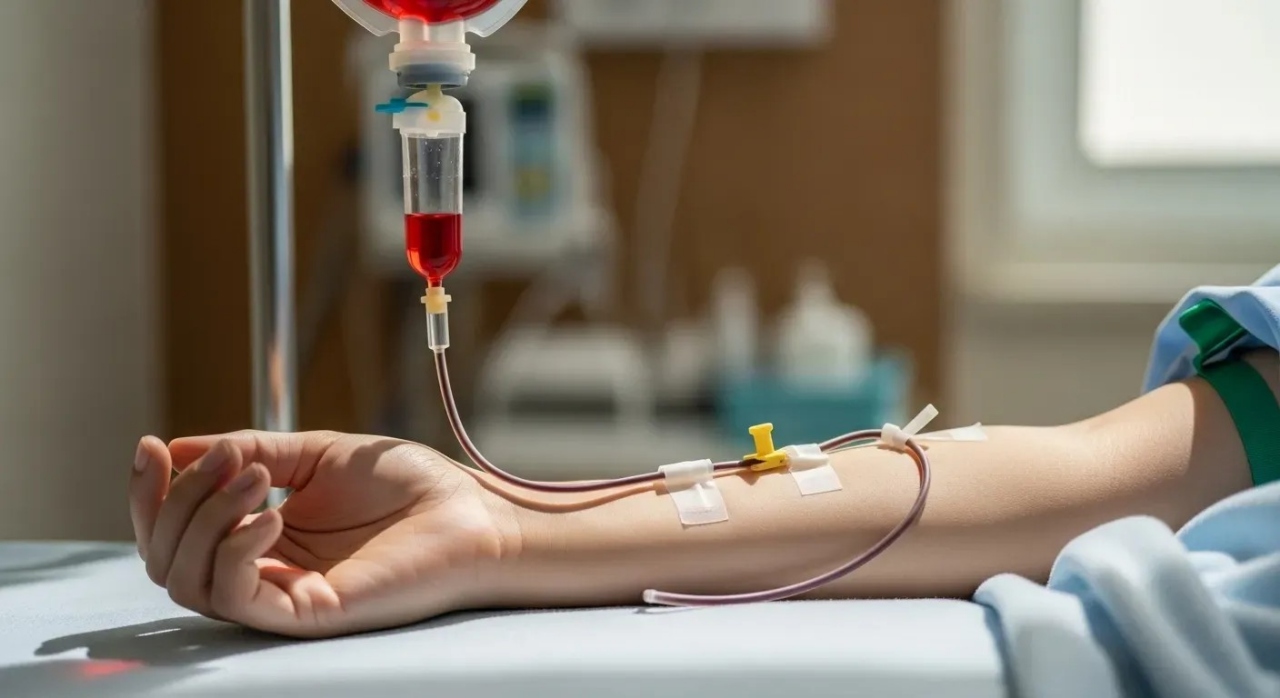
Every doctor remembers moments when blood suddenly becomes the most important thing in the room.
The blood pressure is falling.
The monitors begin to alarm.
Someone phones the laboratory.
A nurse checks the intravenous line.
A family waits anxiously outside.
At that moment, a plastic bag hanging from a metal stand becomes more valuable than gold.
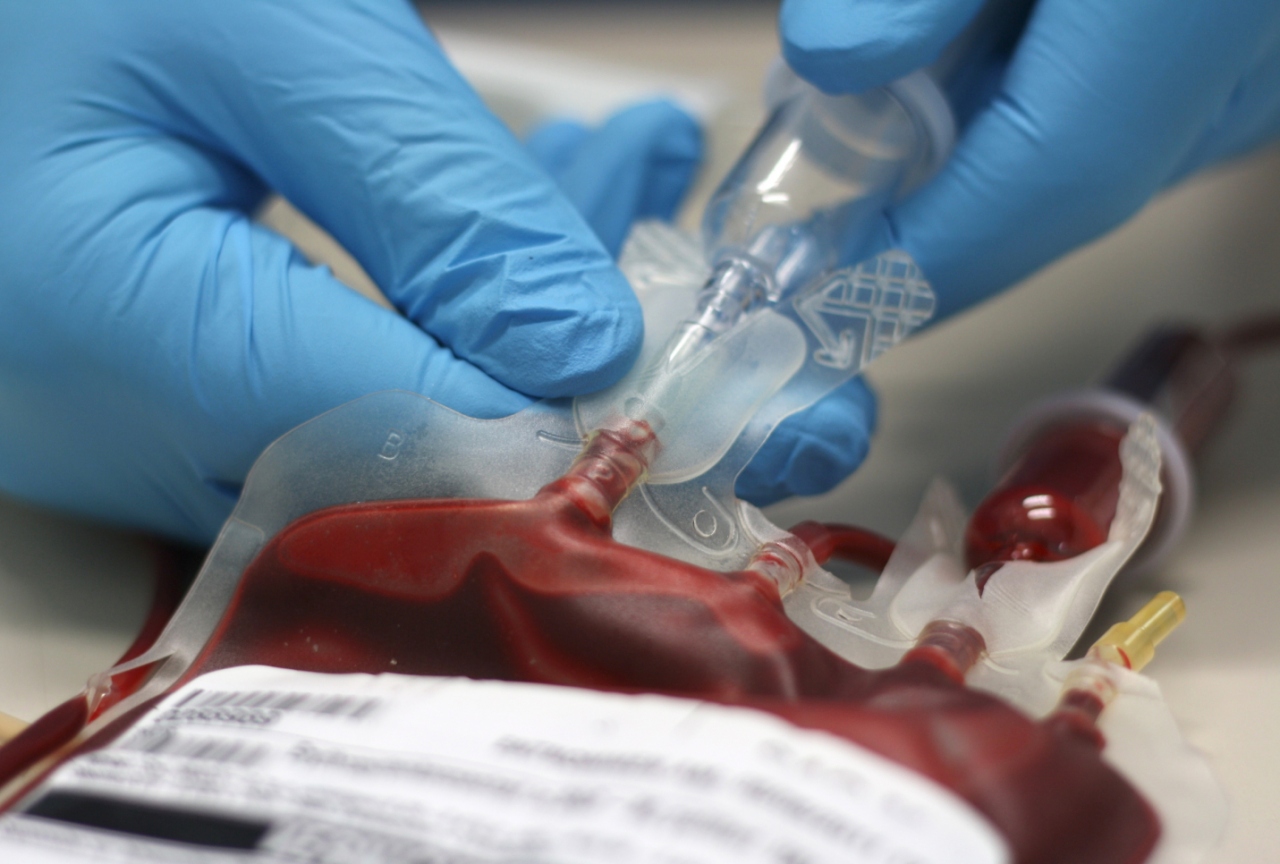
Inside it lies time.
Time for a surgeon to stop the bleeding, for a mother to survive childbirth, for a trauma victim to reach the operating theatre or for a family to avoid tragedy.
Doctors often talk about miracle drugs, cutting-edge technology and breakthroughs in medicine. Blood remains refreshingly old-fashioned. It requires no batteries, no software updates and no artificial intelligence. It still depends on one human being deciding to help another.
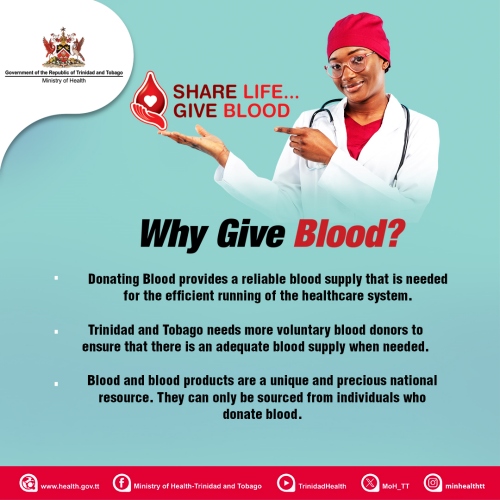
The history of blood itself is fascinating.
Civilisations have long viewed blood as something sacred. Shakespeare filled his plays with references to it. Religions speak of it as a symbol of sacrifice, covenant and life itself. Entire mythologies revolve around its power.
Doctors tend to be slightly less poetic. We spend much of our careers trying to keep blood where it belongs.
Even so, medicine understands something ancient cultures recognised instinctively.
Blood matters because life depends on it.

Photo: Ministry of Health.
What often surprises people is how quickly blood supplies can become strained.
Road traffic accidents continue to occur. Surgical procedures continue daily. Cancer patients require transfusions. Individuals living with thalassaemia depend on regular donations throughout their lives. Mothers still experience complications during childbirth.
The need never takes a public holiday.
Hospitals cannot simply stockpile blood indefinitely and forget about it. Red blood cells have a limited lifespan. Platelets last only a few days. Every unit used today must eventually be replaced by another donor tomorrow.
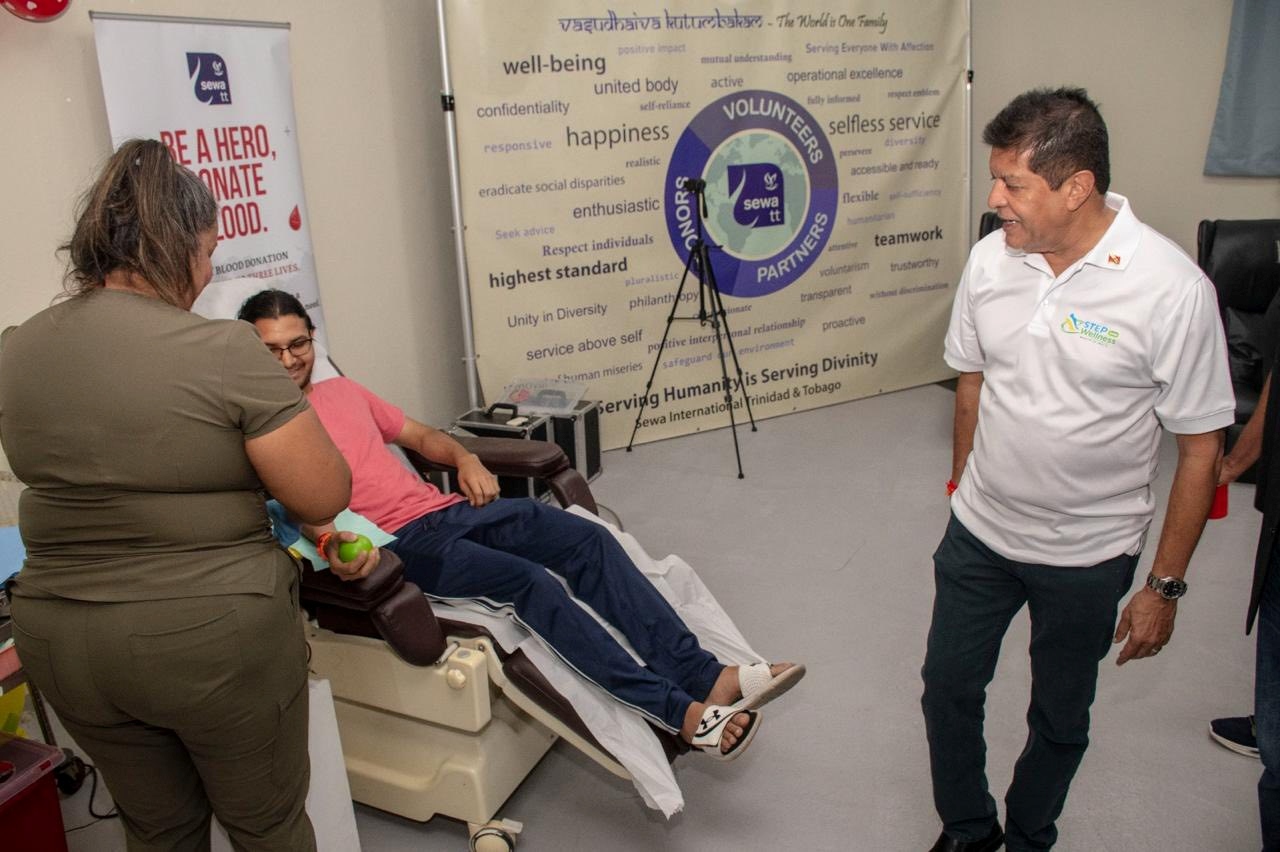
Photo: Ministry of Health.
That reality creates a continuous cycle of dependence on public generosity.
Most of us move through life assuming blood will always be available if needed.
Until suddenly it becomes personal. Then everything changes.
For many readers, blood donation has probably already touched their lives without them realising it.
Somewhere in your family history there may be a transfusion that made all the difference.
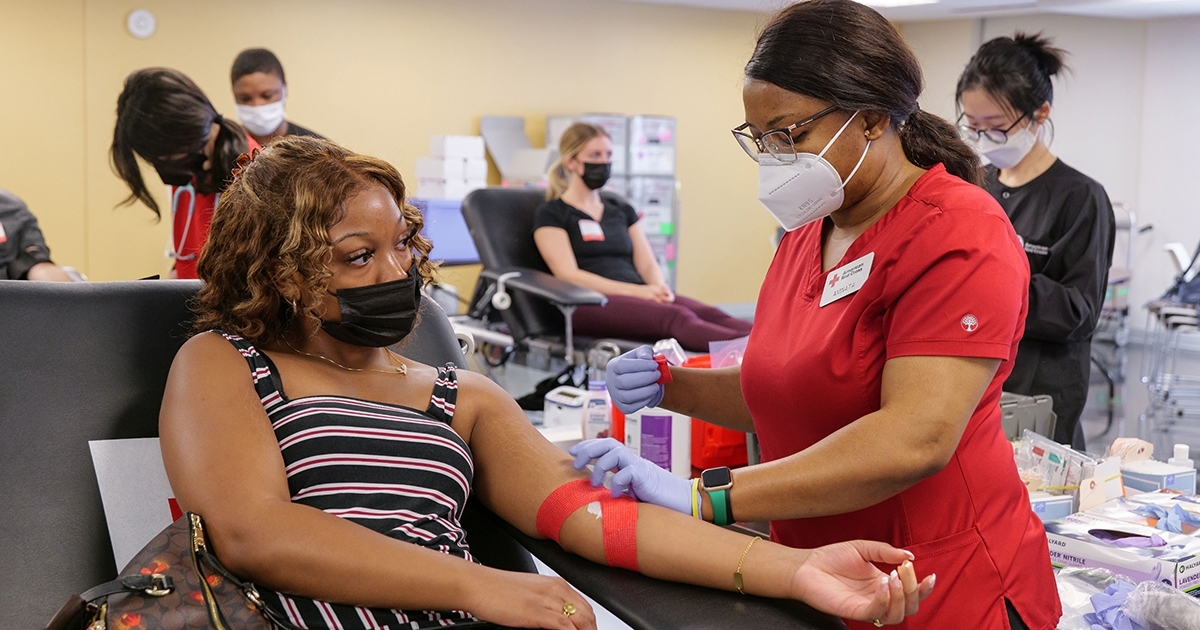
(via Red Cross.)
- A grandmother who survived a difficult operation.
- A relative whose cancer treatment was possible because blood products were available.
- A friend who walked away from an accident because someone else had donated months earlier.
Every one of those stories contains an unseen character.
The donor.
The stranger.
The headlines often focus on division. Politics divides us. Religion divides us. Race divides us. Geography divides us. Social media has transformed disagreement into a national pastime.
Blood has no interest in any of it. The blood that saves a life does not care how someone voted.
It does not care where they worship.
It does not care about their surname, social status or bank account.
Inside a blood bank, humanity becomes wonderfully simple.
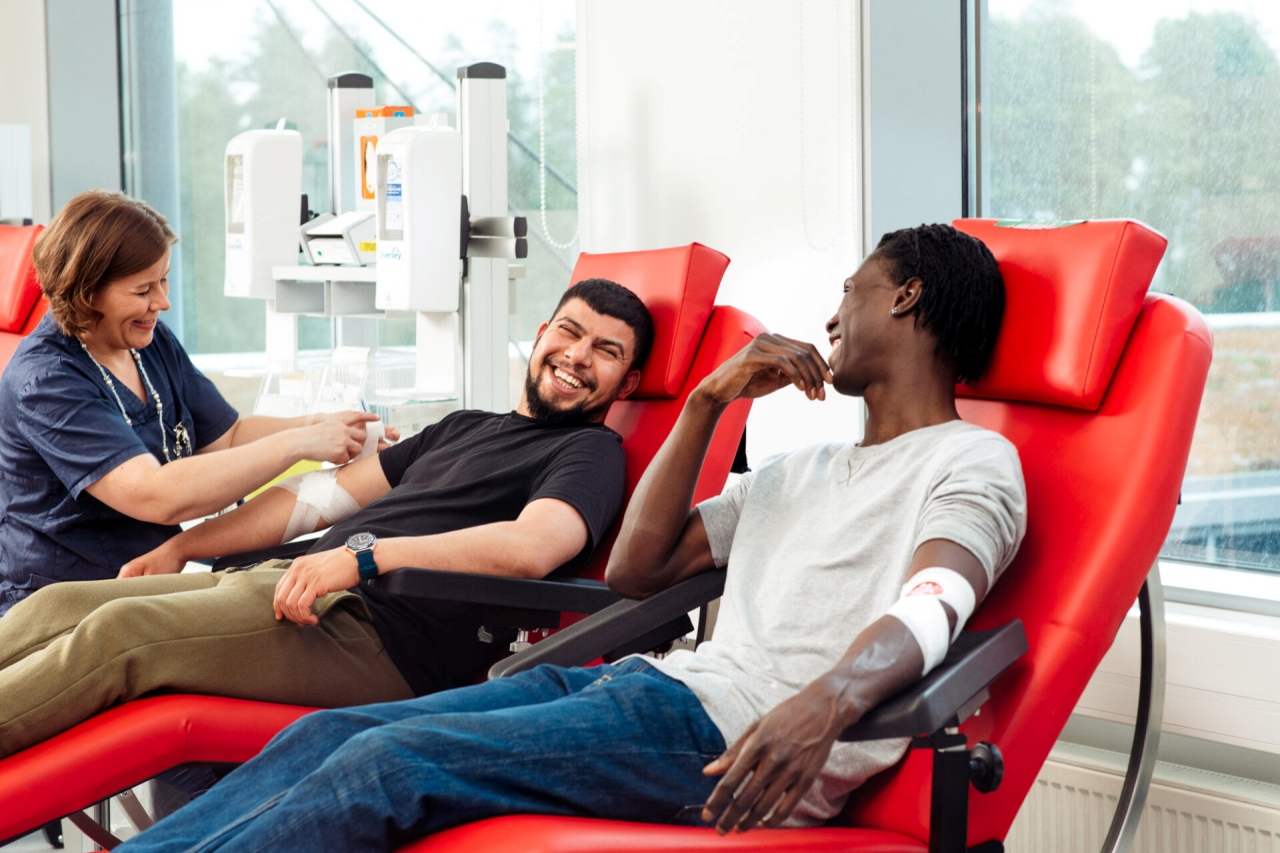
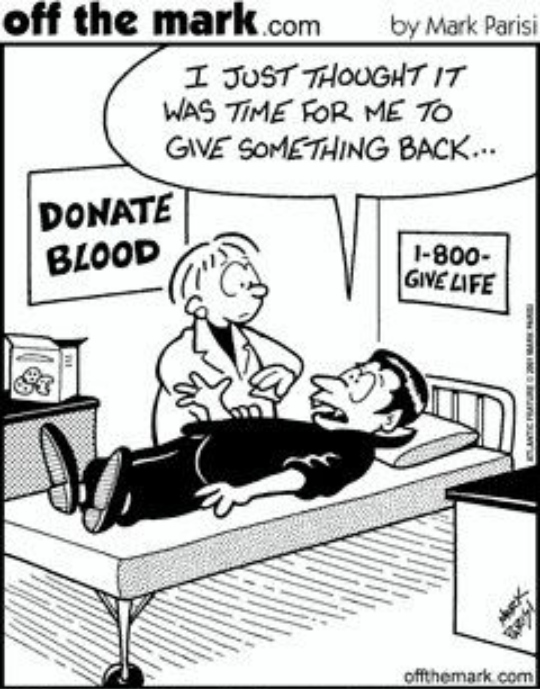
(via Veripalvelu.fi.)
One person needs help. Another person provides it.
Perhaps that is why blood donation remains one of the most hopeful things in medicine. Every donation is evidence that kindness still exists in abundance. Ordinary citizens quietly helping other ordinary citizens.
Unfortunately, many people who are perfectly eligible to donate never do.
Some fear needles. Others worry they will feel weak afterwards. Many intend to donate but never quite find the time.
Life has a way of pushing good intentions away. Meanwhile, the demand continues.
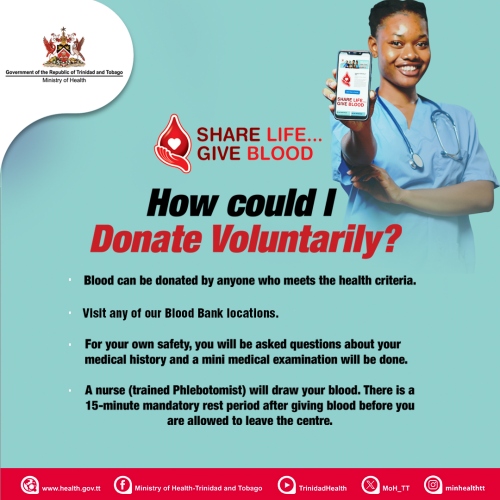
World Blood Donor Day should remind us that healthcare is not built solely by doctors, nurses, hospitals and governments.
It is also built by citizens. Every blood donor becomes part of an invisible healthcare team extending far beyond hospital walls.
Without them, modern medicine simply does not function.
Patients thank surgeons after successful operations. Families thank doctors after recoveries. Nurses receive appreciation for compassionate care.
All of it is deserved.
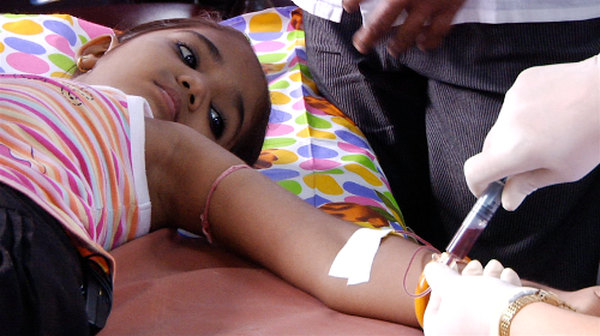
Yet somewhere in the background stands another contributor whose name is rarely mentioned. The stranger who unknowingly became part of another family’s survival story.
Perhaps that is the real lesson of World Blood Donor Day—the most important person in your future may be someone you never meet.
If you are fortunate, you may never need their gift. If circumstances change, it may become the difference between grief and gratitude.
There are many ways to improve the world. Some require wealth, power and influence. Blood donation requires none of those things.
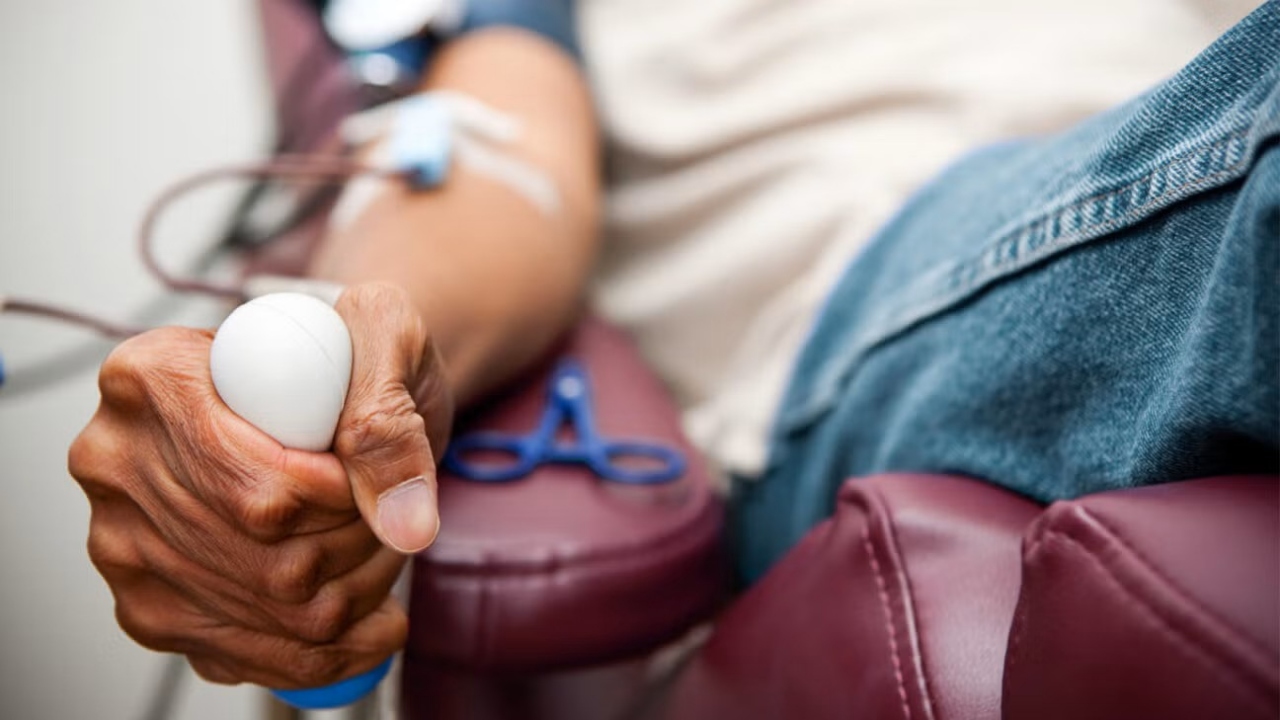
Just 30 minutes, a willing heart and the understanding that somewhere, someday, a stranger may be counting on you.
And if that day comes, the greatest gift they receive will not arrive wrapped in paper.
It will arrive quietly, hanging from a metal stand, carrying the kindness of someone whose name they will never know.
|
Wired868 has provided readers with solid, independent journalism since 2012. If you appreciate our work, please contribute to our efforts. Support Independent Journalism |


Mrs M died last year. I remember the vegetables from her husband’s garden (including my first dragonfruit) and the delicacies Read more
Imagine her beside the hospital bed, handbag slipping off one shoulder, phone vibrating with messages from work. Her father is Read more
As always, October looks lovely. There are pink ribbons to look at in the bank while waiting in an awfully Read more
The prescription for healthy living was flawless, if I do say so myself. Grilled fish, fresh vegetables, fruits bursting with Read more
Covid-19 was a masterclass in socioeconomic inequities but heatwaves have also ignited pervasive disparities in our society. The elderly, those Read more

In 2005, Thomas Schelling won the Nobel Prize in Economics for his work on cooperation and conflict. Schelling’s work largely Read more