 Wired868 Wired868 for smart sport news and opinion
On 14 July, Spain offered a sublime display of football savoir faire to the world and knocked the French out of this year’s Fifa World Cup in the semi-final.
Five days later, on 19 July, the Spaniards overcame the defensive and unenterprising Argentinians in the final, to take their second Fifa World Cup ever.

In the middle of those two Spanish gestas, on 17 July, Sir Garfield St Auburn Sobers died.
It was the famous Spanish poet, Federico García Lorca, who once said: “One returns from inspiration just as one returns from a foreign country. The poem is the account of the journey.”

There couldn’t be a better way to express the confluence of these events, the meeting of effort, excellence, artistry, death, rebirth and renaissance, in what has been a very special month for those of us who loved and revered Sir Gary.

As well as for those of us who could not but warm to the Spanish football team as it progressed through the tournament to eventually win the 23rd edition of the Fifa World Cup.
Seeing Sir Garfield Sobers on a cricket field was seeing artistry and inspiration in movement and without effort. Anyone who followed the Spanish team during the World Cup also constantly witnessed effort and excellence—the perfect orchestration of something meticulously elaborated.
With inspiration weighing in in a different way, that is not in the Sobersian fashion. Sir Gary was all of that, barring the effort part.
One never got the impression that Sir Gary was making any effort at all. Everything always seemed to come so naturally to him.
I shall not revisit all the extraordinary and superlative things that Sir Gary did as a cricketer. They are known to all.
Neither shall I delve into the socio-cultural-historico-societal dimensions of his cricketing exploits on the field of play and their importance to a region and an entire civilisation. They too have been well analysed and disseminated.
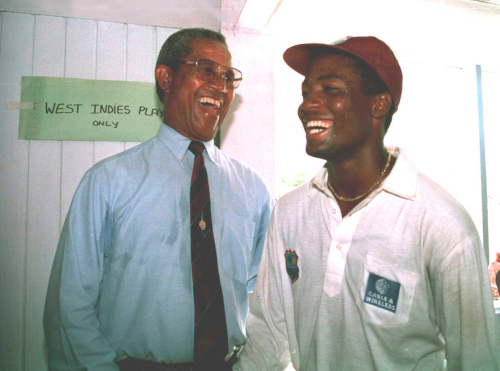
(via Belfast Telegraph.)
The Lorquian concept, though, might understandably ask permission to weigh in on the figure of Sir Gary—to offer a different type of insight into the total and complete figure of someone who was a universe colossus.
Seeing Sobers dealing with cricket was like seeing someone returning from that Lorquian journey and giving the most natural, sincere, faithful, and brilliant account of it to lesser mortals.
He knew how to dispense with the non-essentials. Effortlessly. It didn’t matter whether he was having a more or less fruitful run-making or wicket-taking day.
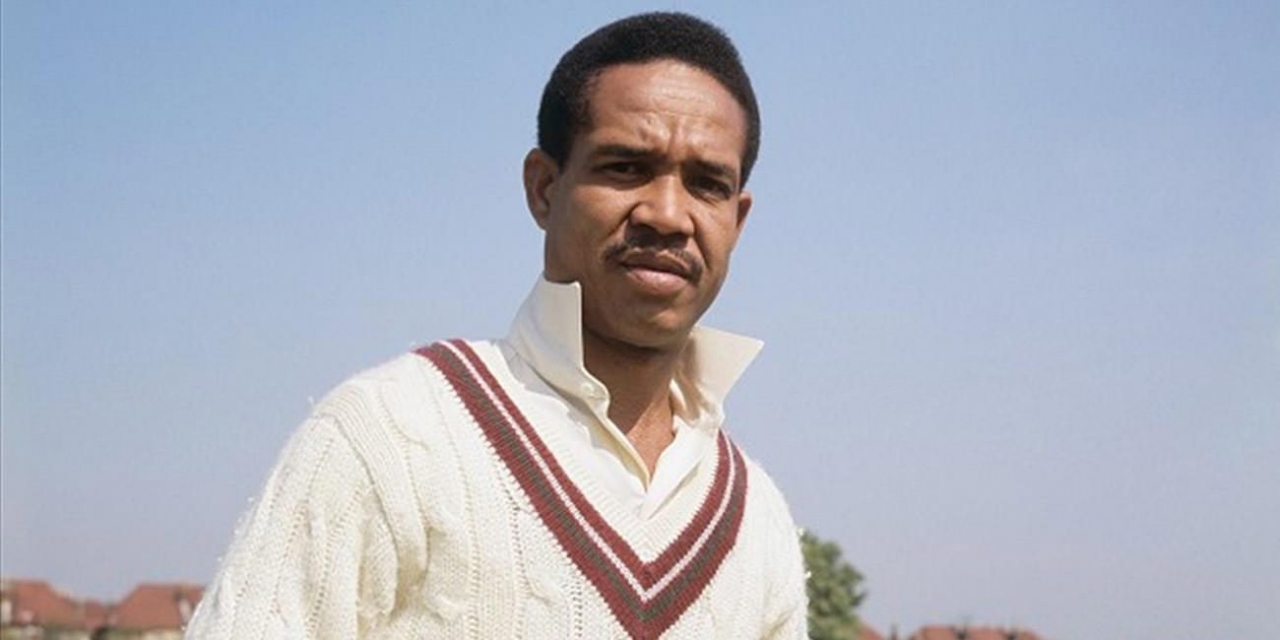
He always trod the turf, of any cricket ground, with that effortlessness, that innate measure of divinely granted inspiration that made him stand head and shoulders above all others. Always. No matter what the state of the game.
The first time I saw Sir Gary on a cricket field, as a spectator physically present at the ground, was during the final Test of the 1971 India tour of the West Indies. India won the toss and batted.
A few minutes before the time scheduled for the first ball to be bowled, I saw a figure emerge from the Queen’s Park Oval pavilion, leading the West Indies team onto the field. I was a ten-year-old schoolboy at the time, very excited to be going to a Test Match for the first time in my life.
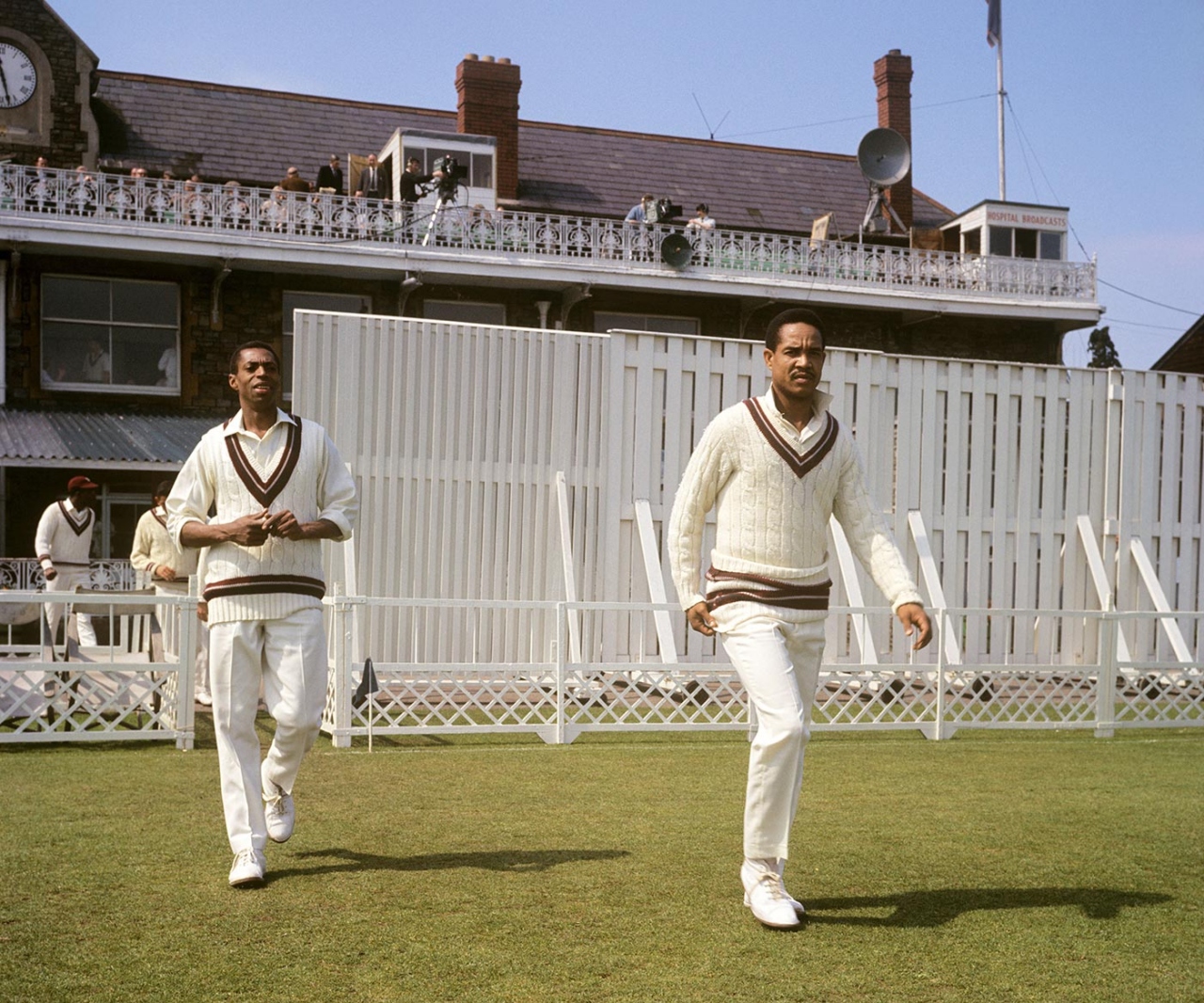
Photo: PA Photos.
As Sobers began to tread the grass, a few yards in front of his team, I was struck by his allure, the way his entire person was propelling itself out into the universe.
Head and shoulders slightly forward, arms and shoulders rolling lightly, symphonically, within the contours of a graceful body whose legs, carrying out their function as the part of the anatomy with direct responsibility for displacement, appeared to be caressing the earth with the légèreté and finesse of a ballerina.
The entire ensemble was not a walk: it was a glide, a silky propulsion over the grass as the entity, in its fullness, made its way to the centre. Then, when he got there, he went about setting the field, indicating to his charges where he wanted whom.

Copyright: Getty Images.
Then that presence of silk started marking his run-up, to bowl the first ball of the match. To a certain Sunil Manohar Gavaskar.
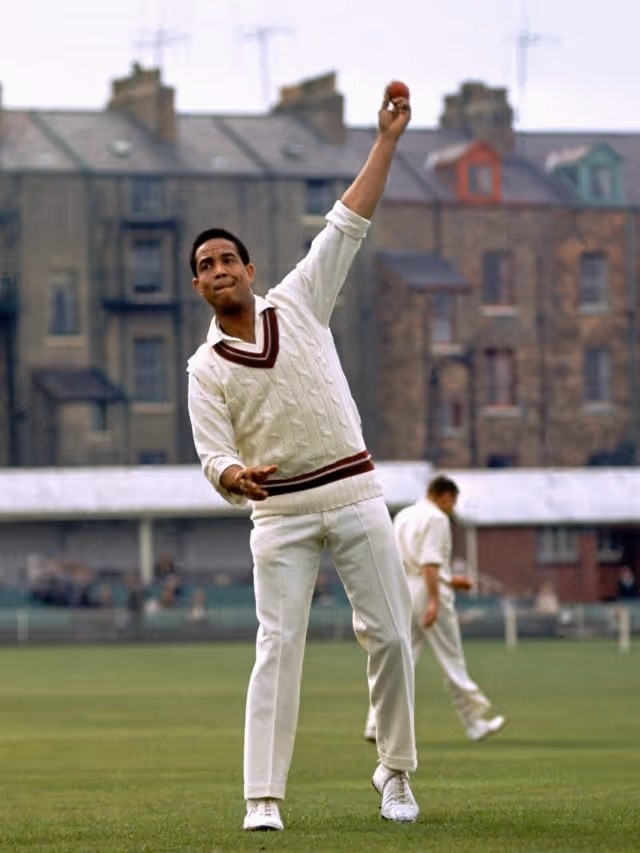
That run-up was something enchanting to behold: head thrust forward, arms and shoulders inclined slightly downwards, the entire body with more than the suspicion of a tilt (a very graceful one), towards the ground, deliberately not making itself veer upwards.
There was no need for that, and the full entity knew it.
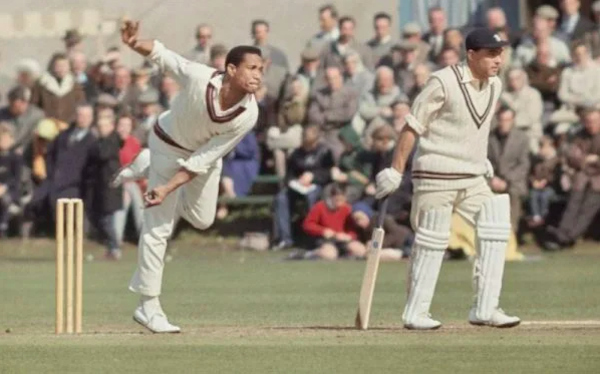
(via Wisden.)
Then, just before the delivery stride, the head, thrown back, face inclined to one side, immediately prior to a sharp swivel round towards the batsman.
The head would have been facing square-leg or cover-point a nanosecond before the final swivel as the entire body pivoted in one swift, lithe, movement that was boundless grace. To culminate in the release of the ball.
Inspiration in movement. The embodiment of something that was other-worldly. Ball after ball, day after day, year after year. In three different styles as a bowler.
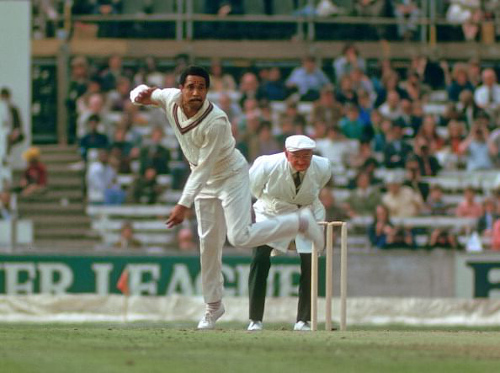
(via Sportskeeda.)
And that was Sir Gary running up to bowl. To see him walk to the wicket to bat was to contemplate a spectacle of even greater symphonic beauty.
Which brings me to the other thing about Sir Gary that is so Lorquian. Sir Gary was five separate cricketing entities etched into one; rather, naturally born in one being.
What others devoted their entire lives and cricketing endeavours to achieving—being a good batsman, or a good bowler of a given type—Sir Gary had all in one. Five cricketers perfectly seamed together in one single body and spirit.
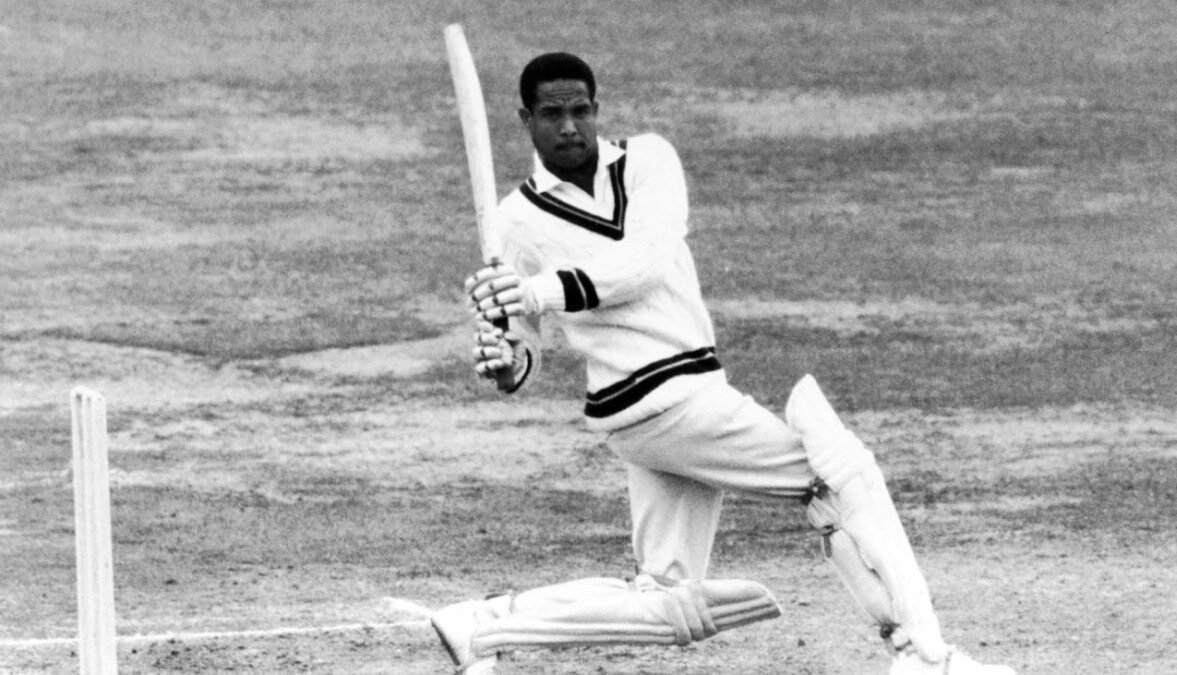
Copyright: PA Photos.
The forces responsible for making him were also careful to bestow upon him, in every department of the game, a degree of perfection that any one single person pursuing just one facet of cricket would have been more than pleased to be simply good at.
No other being to have played the game has ever been thus blessed. Those forces were also careful to make sure that he knew how to carry all those attributes: blissfully, effortlessly, perfectly—in short, with Sobersity!—at all times.
He was, clearly, someone specially chosen to embody and give a flawless account of where inspiration took one.
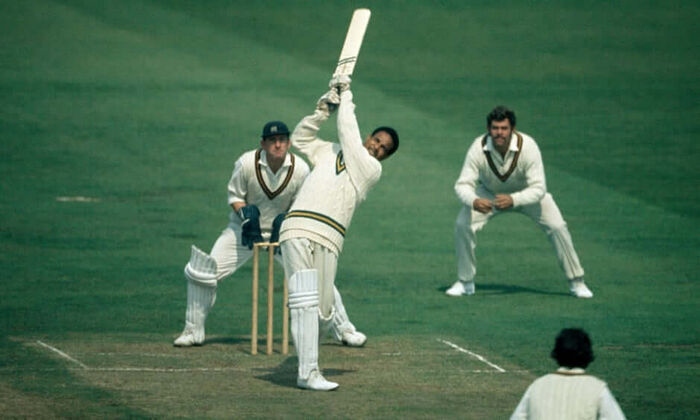
That was Sir Gary. How he did it, all the time, in every cricket venue across the continents, is something difficult to explain. Lorca might help here.
How does the carrier of naturally ingrained inspiration, charged with the responsibility of dissemination, and of doing so with unassuming ease, zero pretentiousness, yet sublime metaphor, go about his business?
Lorca calls it the practice of the art of poetry.
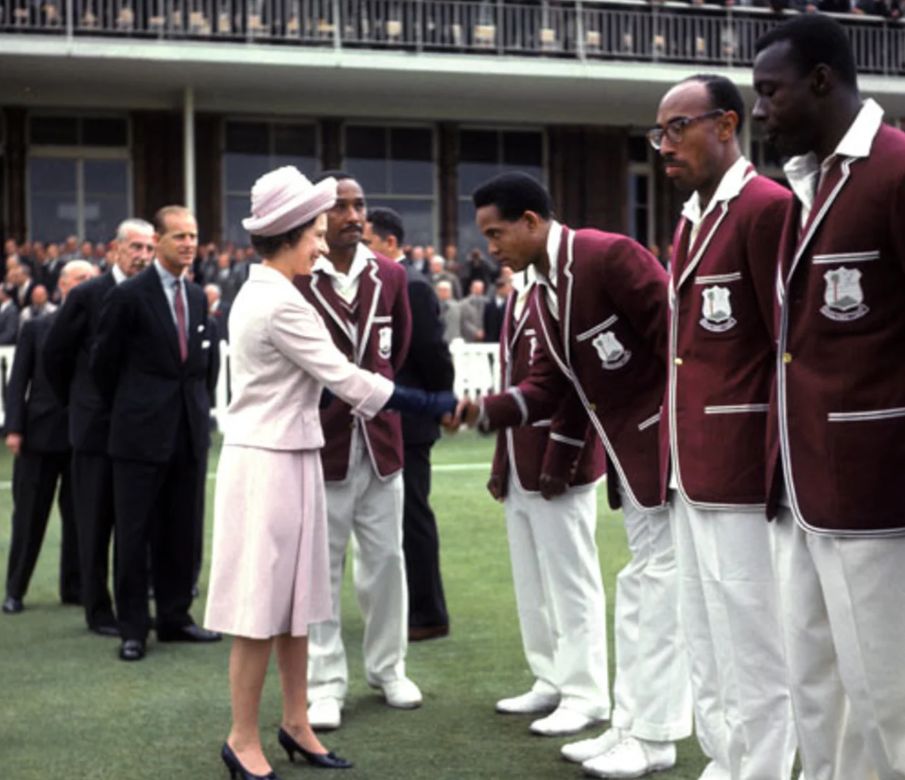
(Copyright Getty Images.)
What are we to say about the manner in which Sir Garry Sobers always so deftly and effortlessly administered his undertakings as he went about the art of cricket?
I am not sure. Lorca’s reflection does help somewhat, though. “He did so with Sobersity,” is the best I can come up with. The meaning of that word will, I suspect, not be too difficult to grasp.
About that very first Test Match I saw: I remember that Sir Garry was in the field for a very long time. The WI bowling attack wasn’t a particularly strong one. Doing the best it could against that Sunil Manohar Gavaskar fellow, who was announcing to the world that he was going to be truly special.
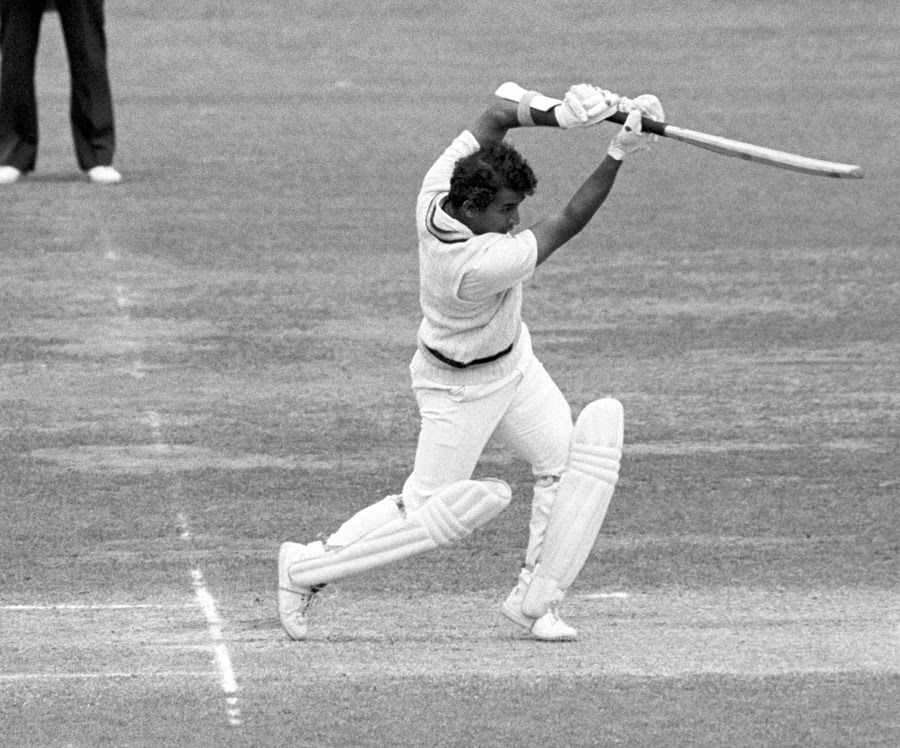
The Little Master from Bombay helped himself to a century and a double century in the first and second innings of that game.
Sir Garry was in the field, bowling, marshalling, field-setting, gliding across the turf, for all of the first day and some of the second, plus a great deal of the fourth and fifth, and into the sixth.
And in the WI first innings, he scored a century. He was therefore a conspicuous presence in the arena for much of the third and some of the fourth day as well.
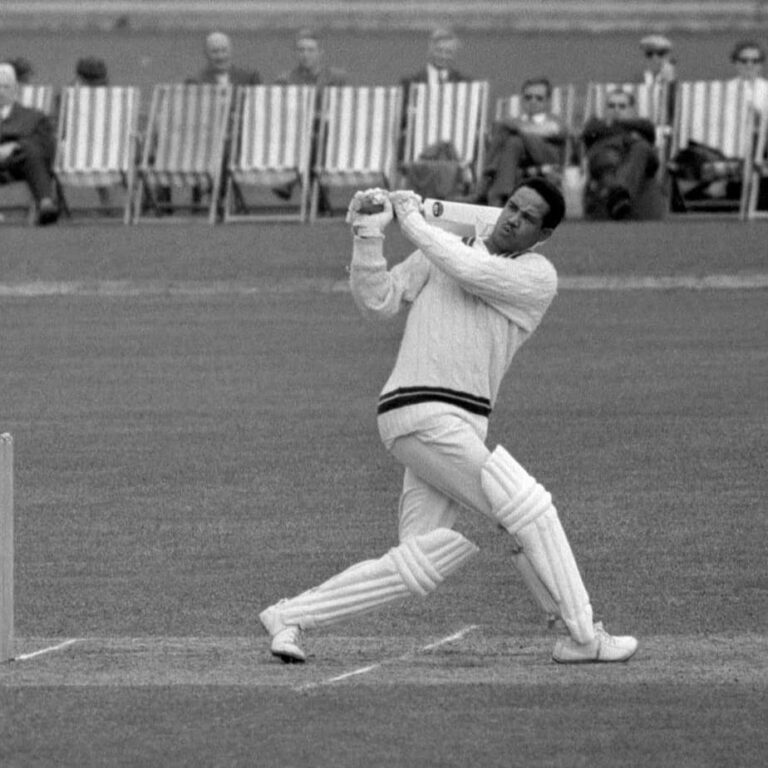
So there was a great deal of Sobersity for fortunate eyes to feast upon throughout the six days of that Test Match. He was there with all the silkiness, all the other-worldly essence of a being exceptionally blessed, going about the task of giving an account of his journey, of his many journeys.
A being who was a crust, a layer, a dimension, above all the others around him, who were supposedly playing the same game.
How so wonderfully coincidental that I should chance upon Lorca again this July while doing some book-shelf clearing around the time of Sir Garry’s passing!
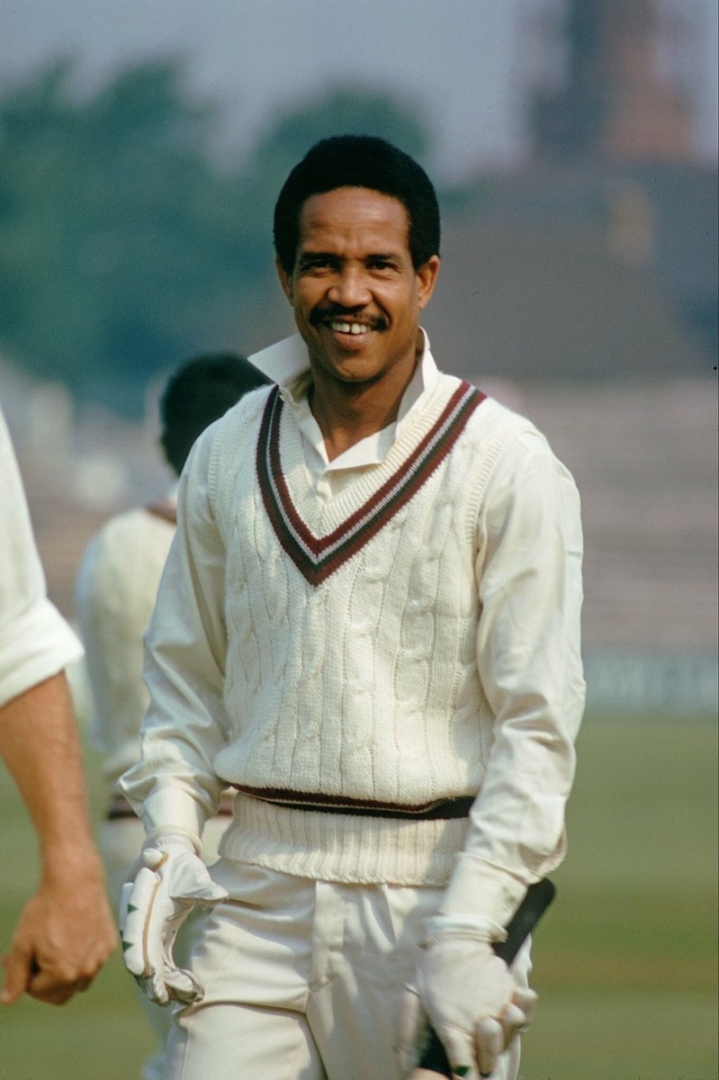
To be reminded of what the Granadan poet told the world all those years ago about the essence of inspiration and the ability to narrate and nobly embody what the journey to and from natural inspiration entails.
Something which the Spanish football team took up in its own special and exquisite way this summer. A team of special talents who knew how to make everything work with orchestral precision and perfection.
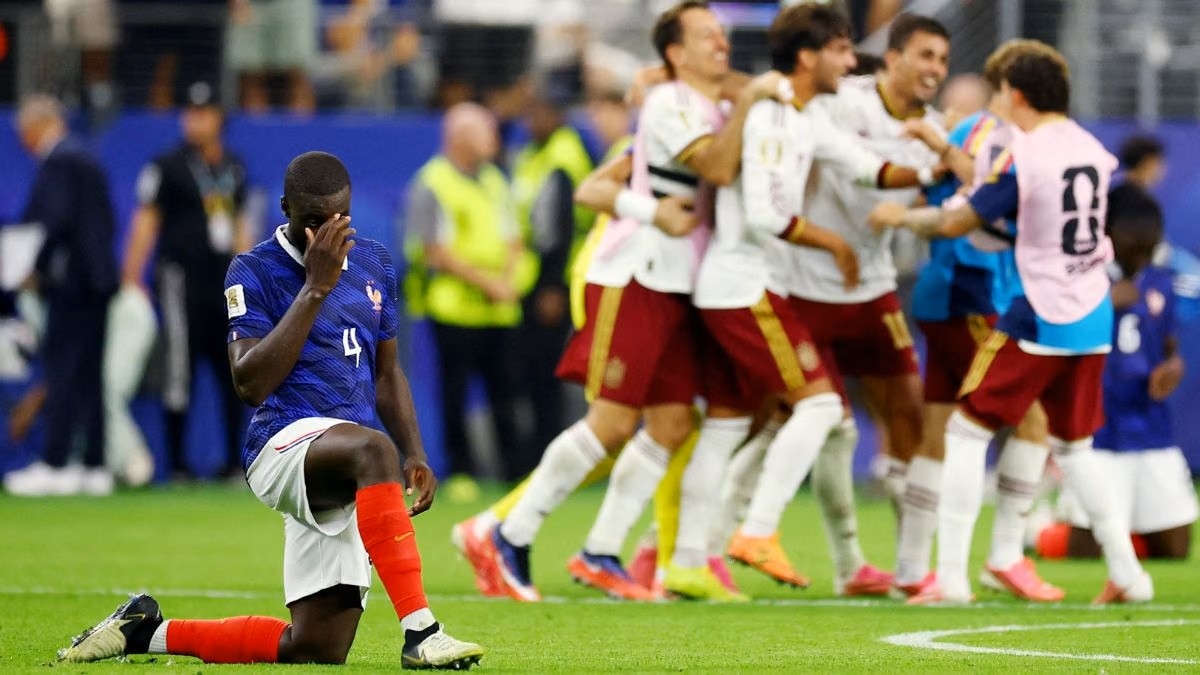
What Spain did to the French on Bastille Day 2026 will go down in history as an exercise in exquisiteness, perfection, and football mastery. Every single conduit, passage, viaduct, was cut off from a supremely talented French team.
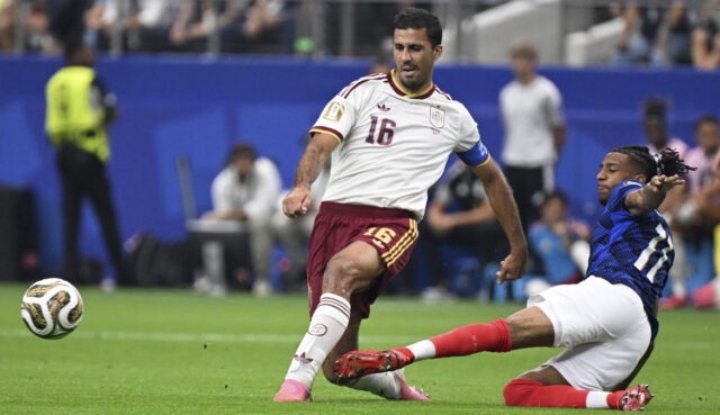
Luis de la Fuente planned a different type of journey, and found the perfect inspiration for the day, for the tournament.
Unlike Sir Gary, Luis de la Fuente—with 26 individuals under his charge—had to consciously, and conscientiously, elaborate a rational, water-tight, professional plan, constantly pulling and tugging at strings that he carefully put into place, second after second, move after move, game after game. And make it work.
For 90 minutes of gruelling intensity at every turn. Sir Gary was born imbued with something other-worldly, that no plan, mechanism, or clock-work rationale could ever activate into action.
(via Getty Images.)
It was simply there, and just limited itself to unassuming self-launch, time after time, over and over, for 20 years, at the very highest level.
Spain’s victory was just and deserved. In the last 18 years (since 2008), Spain has won three Euro Cups (2008, 2012 and 2024) and two Fifa World Cups (2010 and 2026). No other team or nation in the history of world football has ever done that.
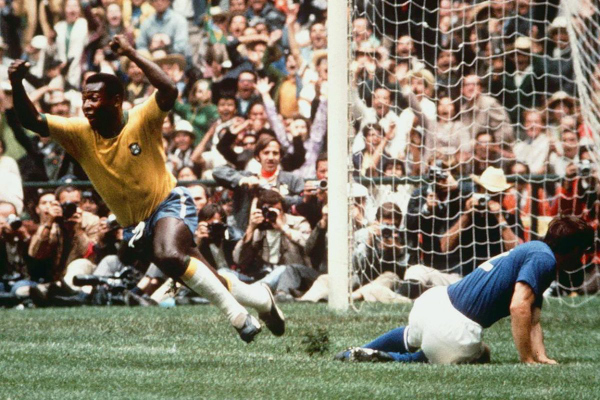
The closest any other country has come to such dominance in a relatively prolonged period was Brazil, between 1958-70, when it won three Fifa World Cups, in 1958, 1962 and 1970.
So the Spaniards are definitely doing something right these days. We can do worse than call on Lorca, again, for a feasible explanation. And once again delve into the notion of an account of a journey of inspiration.
There is no doubt that years of suffering and under-achievement, prior to conquering that first major title of the modern era (Euro Cup 2008), had profoundly scarred the Spanish psyche.
A spark was ignited towards the end of the first decade of this century, and something is definitely there now, deeply rooted and powerful.
(via Die Zeit.)
Luis de la Fuente always speaks of the perfect coordination and synchronisation of his excellent talents, of the need to harness, polish, and ultimately make the most of the inspiration that is triggered into Spanish footballers when they step onto the pitch to play for their country these days.
French superciliousness and Argentinian lack of enterprise were never going to be any match for this Spanish outfit.
The journey that the Spanish decided to meaningfully undertake during the season leading up the 2008 Euro Cup triumph has been more than crucial. What it has meant to the collective psyche of all the seasoned, top-level, professionals who represented their country over the last 18 years cannot be overstated.
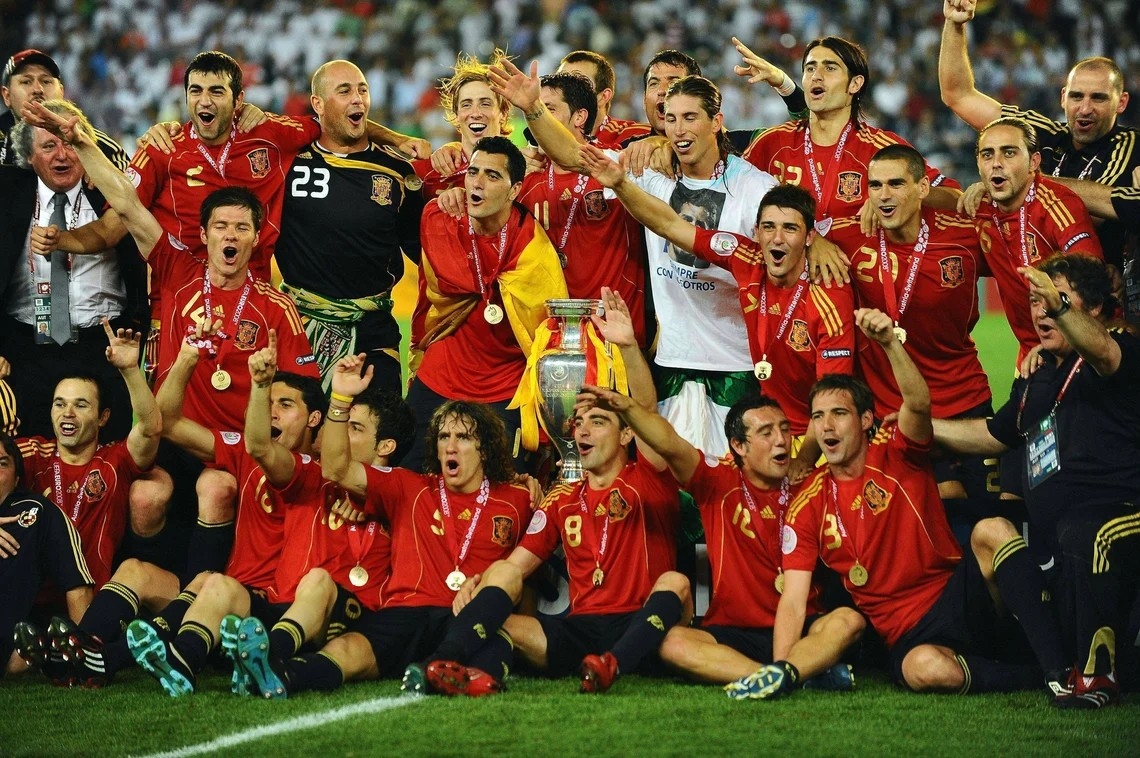
Only Argentina (2021 Copa America, 2022 World Cup and 2024 Copa America) have matched Spain’s feat to date.
There is something special, powerful and inspirational that is now being passed down through the ranks, through age groups and generations. In a way that it clearly isn’t in other countries—not even the well-established powerhouses (Brazil, Germany, Italy, to call no names!).
That 2008 triumph was the beginning of a Spanish footballing rebirth. That first victory gave the nation, with the added plus of the weight of proper structures, the momentum to carry on with further triumphs, at the Fifa 2010 World Cup and the Euro Cup of 2012.
Painful blips in major outings after those two initial big tournament victories have been atoned for in the space of a generation.
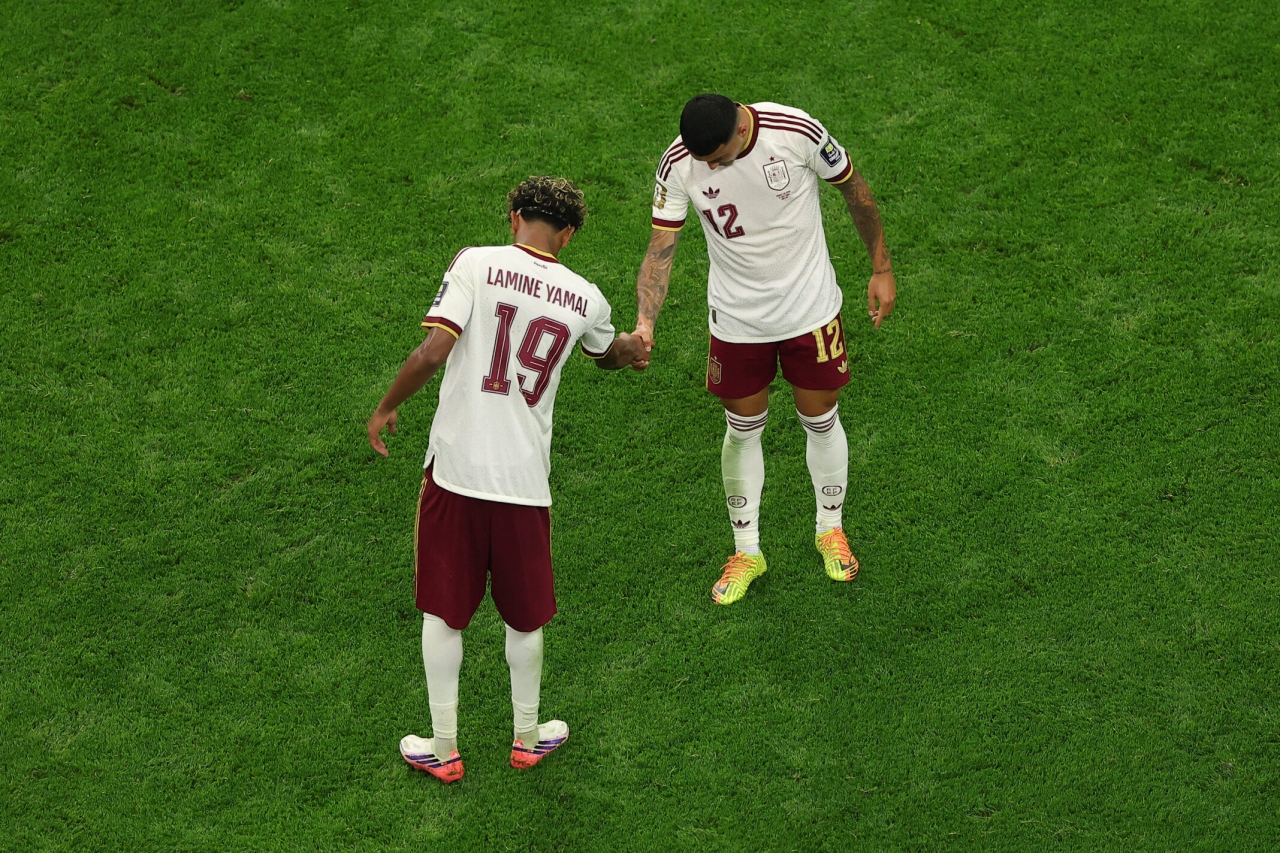
(Photo by Dustin Satloff/ Getty Images for Rexona.)
The beautiful 2024 Euro Cup triumph, (that included memorable wins over France, Germany, and England), which brought the Lamine Yamal generation and ethos to the world, and now 2026 Fifa World Cup coronation, point to renaissance, not just rebirth.
It is a well handed-down account of inspiration. Given the average age of the present Spanish team, it is probably safe to say that Luis de la Fuente’s protégés are an outfit that will be difficult to beat for a while yet.
Such a Spanish triumph the very month in which Sir Gary’s own noble innings ended less than a fortnight before the day he would have reached four score and ten…
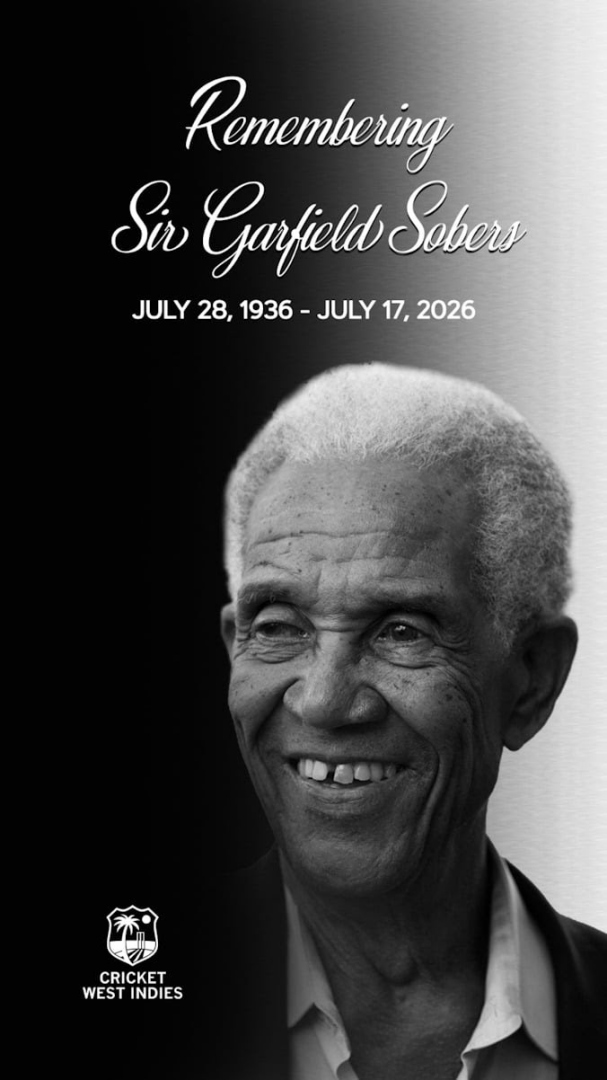
News of Sir Gary’s passing, the memories, and renewed celebration of his towering figure and superlative feats on the field of play, have given new life to old fogies like yours truly who hold the good old game in such reverence.
The good old game embodied in a way it can only be by majesty of the kind Sir Gary exuded.
What a month of renaissance and Sobersity for this old fogey!

March 2022. The Apex Second Test in Barbados. Garfield St Aubrun Sobers sat, as he has long sat, beside his Read more
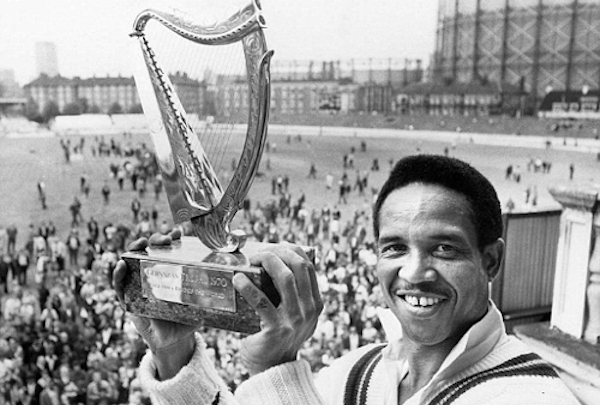
Born 86 years ago today on 28 July 1936, Garfield St Aubrun Sobers became simply, as Sparrow sang, “the greatest Read more
Cricket fans will be allowed free entry to Kensington Oval for the fourth and fifth One-Day Internationals between the West Read more

Twenty-six centuries and 30 half-centuries. That, according to the official record, is what the legendary left-handed batsman Garfield St Aubrun Read more

At a critical moment in the final Super Eights game, one of the team coaches left the pavilion and came Read more
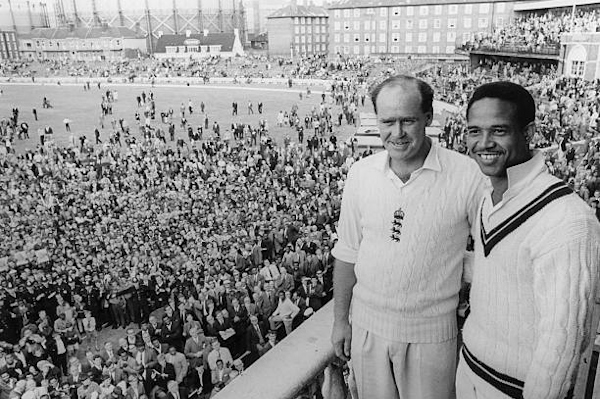
Calypsonians are as cantankerous as they come. So when Relator suggests that Sir Garfield Sobers was no great shakes as Read more

Cricket and calypso lover and Atlético Madrid fan, Owen Thompson was born in Tobago went to school in Trinidad, and has lived in France, Portugal and Spain.
Thompson has resided in Madrid since the mid-1980s, where he is a writer and freelance journalist. His novel, Lady Freeport and Kingdom Caribia, is slated for release this September/October.
