 Wired868 Wired868 for smart sport news and opinion
“[…] The TTFA could work with clubs, academies, parents and relevant child-protection stakeholders to review its youth-team travel standards and safeguarding communication procedures.
“Such a review could examine whether existing requirements adequately address travel authorisation, accommodation, supervision, emergency arrangements, parental communication and responsibility for children when travel plans change…”
The following Letter to the Editor, which looks at how improvements can come from recent exchanges between the TTFA Safeguarding Department and concerned stakeholders, was submitted to Wired868 by Betterment:
The protection of children in football is too important to become an extended public disagreement between parents and the institutions entrusted with their welfare. While legitimate questions must be acknowledged, the greater priority is to ensure that those questions lead to constructive engagement, stronger procedures and meaningful improvements in the safeguarding of young footballers.

The recent exchange concerning the Trinidad and Tobago Football Association’s (TTFA) Safeguarding, Player Care and Wellbeing Department has highlighted important principles.
The Department is right to emphasise confidentiality, professional independence, proportionate risk assessment and the need to protect the privacy of every child and family involved.
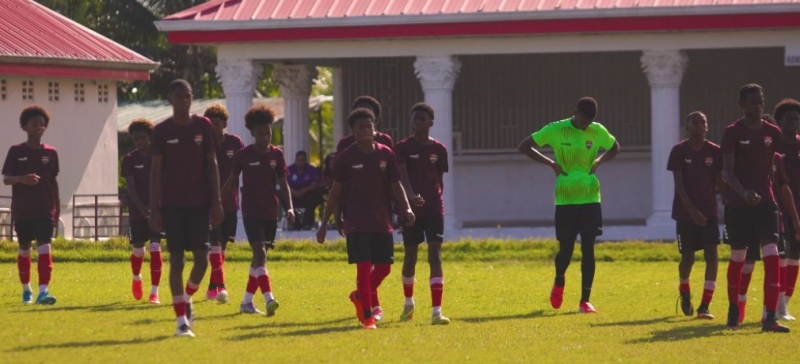
(via TTFA Media.)
Parents, equally, have a legitimate interest in understanding how concerns affecting their children are handled, what procedures govern decisions and whether appropriate safeguards are in place.
These positions are not inherently incompatible. Indeed, they should form the foundation of a constructive partnership.
With several articles already published on this matter, the time has come to move beyond competing interpretations of correspondence and public statements. The objective should not be to prolong a debate about who is right, but to identify what can be done to strengthen confidence in safeguarding across Trinidad and Tobago football.
The Department has made clear that parents cannot dictate investigative outcomes, determine protective measures or compel the disclosure of confidential information concerning other children. That is an important distinction, and it should be respected.
Safeguarding professionals must be free to assess evidence, determine the level of risk and decide on appropriate interventions without being directed by public opinion or external pressure.
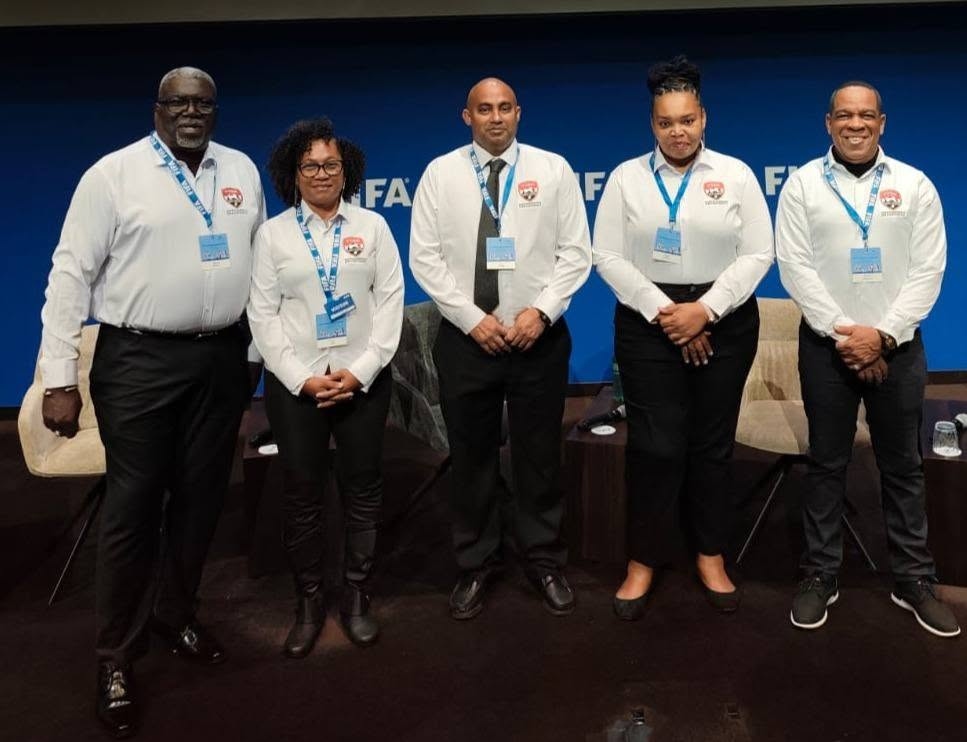
(via TTFA.)
However, professional independence does not remove the need for clear procedures, appropriate communication and institutional accountability.
A parent can respect the independence of an assessment while reasonably seeking information about the process affecting their child. An institution can protect confidential evidence while explaining its general procedures.
A safeguarding department can retain full authority over its decisions while ensuring that outstanding matters are reviewed and that communication takes place at appropriate stages.
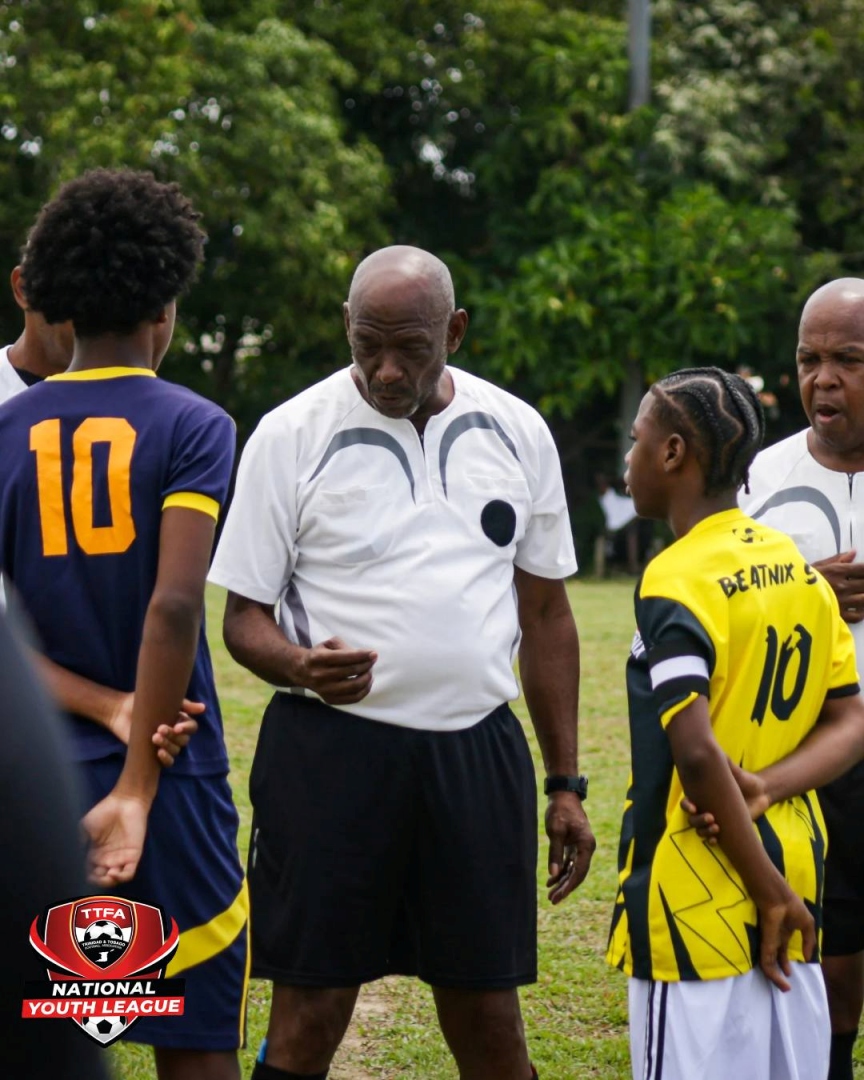
Photo: TTFA Media.
The challenge is not to choose between independence and accountability. It is to ensure that both operate effectively.
Accountability should not mean that every decision must be defended in the media, nor should confidentiality be interpreted as a reason to avoid explaining the standards by which the system operates.
The most effective safeguarding arrangements are those in which responsibilities are understood, procedures are consistently applied and families have confidence that concerns will be handled fairly and professionally.

(via TTFA Media.)
The Department has stated that, according to its assessment and records, the reporting parent’s child was not left unsupervised at any material time and that its assessment did not establish the danger alleged or implied.
That position should be acknowledged fairly. Equally, the distinction between the circumstances of different children must be maintained, and no family should have its private information disclosed or its circumstances publicly conflated with another’s.
Nothing about a wider discussion of safeguarding should compromise those protections.
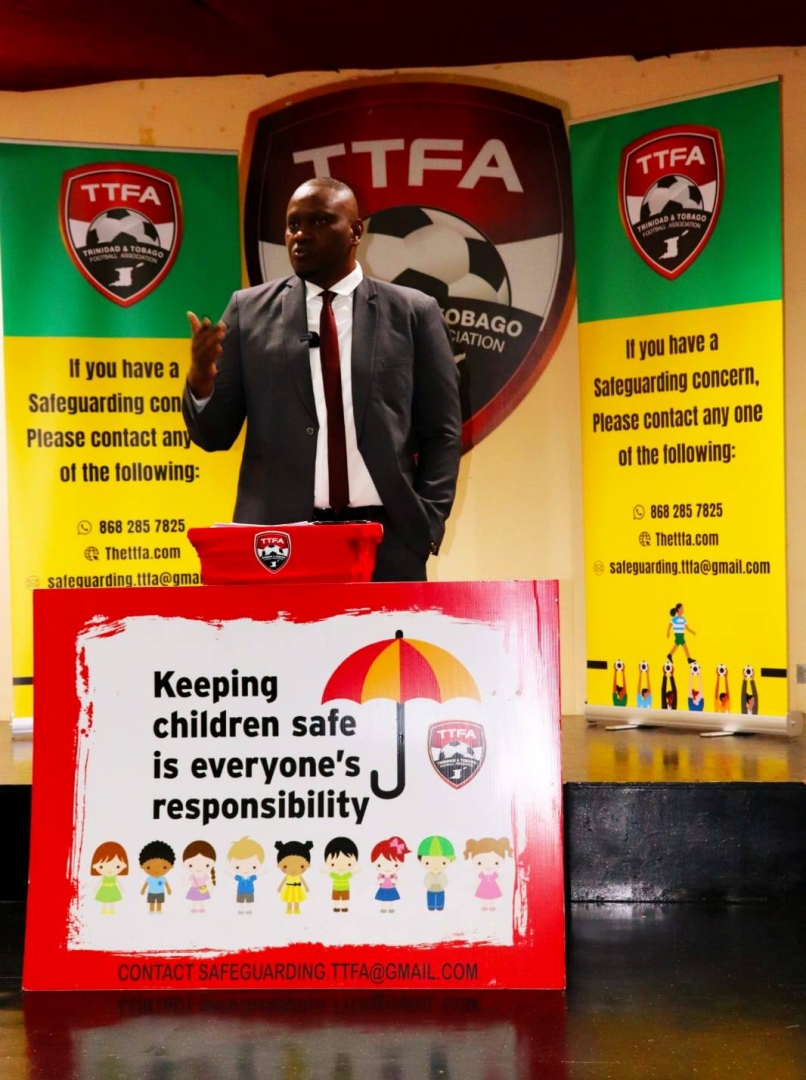
(via TTFA Media.)
Nevertheless, an assessment of an individual case and a review of the broader safeguarding system serve different purposes.
A finding that a particular child was not exposed to the alleged danger does not, in itself, answer every question about youth-team travel procedures, emergency planning, communication standards or the lessons that sporting institutions can learn from previous difficulties.
Likewise, reports of problems during overseas trips do not automatically establish safeguarding breaches—prove that the same failure occurred in different cases or demonstrate that the TTFA was responsible for every difficulty encountered.
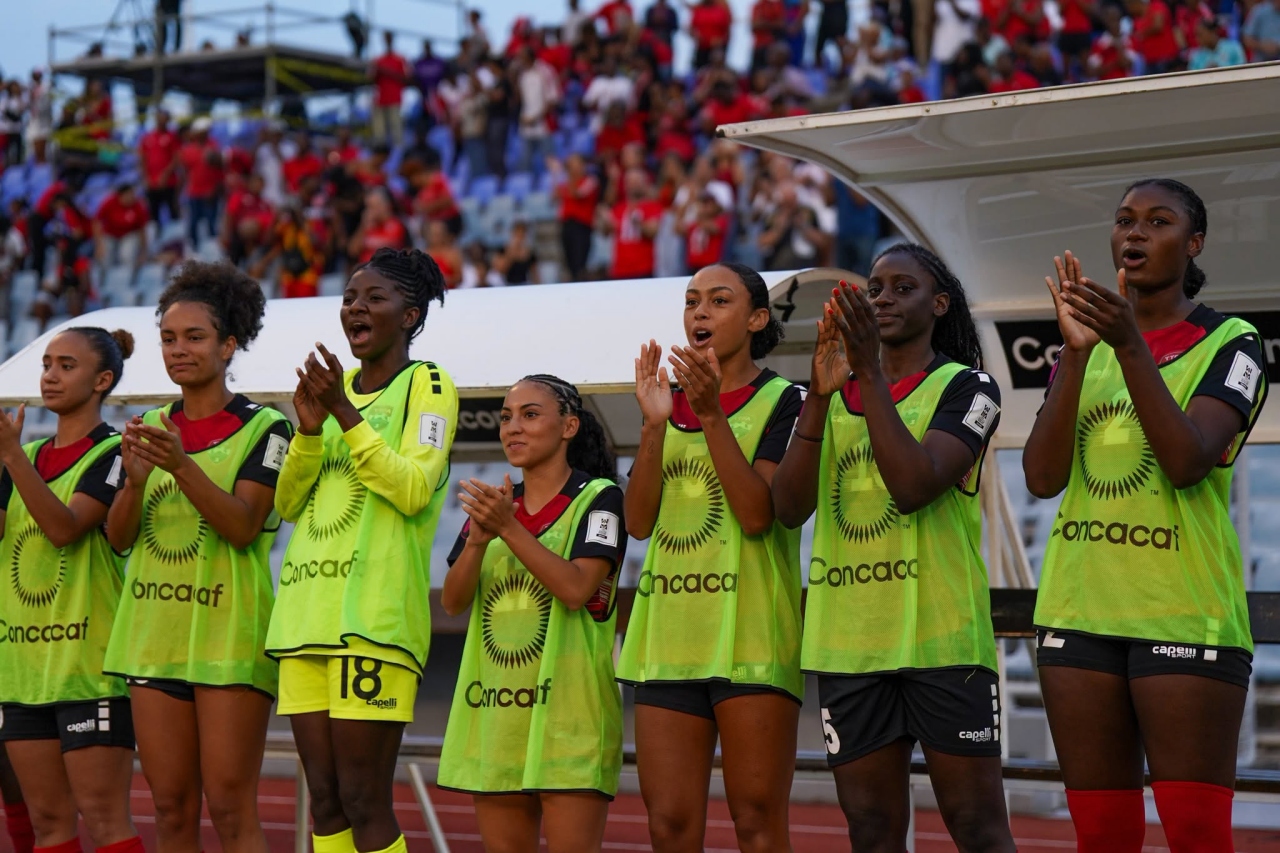
Photo: TTFA Media.
These distinctions matter because a constructive discussion must be grounded in evidence rather than assumptions.
The purpose of examining past incidents is not to assign collective blame. It is to identify practical risks, assess whether existing arrangements address them adequately and determine whether improvements are warranted.
That is a legitimate objective for parents, clubs, administrators and safeguarding professionals alike.

(via FA.)
Over the years, reports concerning youth football delegations travelling overseas have raised questions about financial preparedness, accommodation, travel documentation, supervision and arrangements when unexpected difficulties arise.
The reported experiences of Trendsetter Hawks in Barcelona in 2018 and Jaric Titans in Manchester in 2024 illustrate the kinds of logistical challenges that can affect travelling parties involving children.
Other reported difficulties, including those surrounding overseas football opportunities in 2021 and the TTFA Under-15 boys’ travel arrangements in 2025, provide additional context for considering how youth football travel is organised.
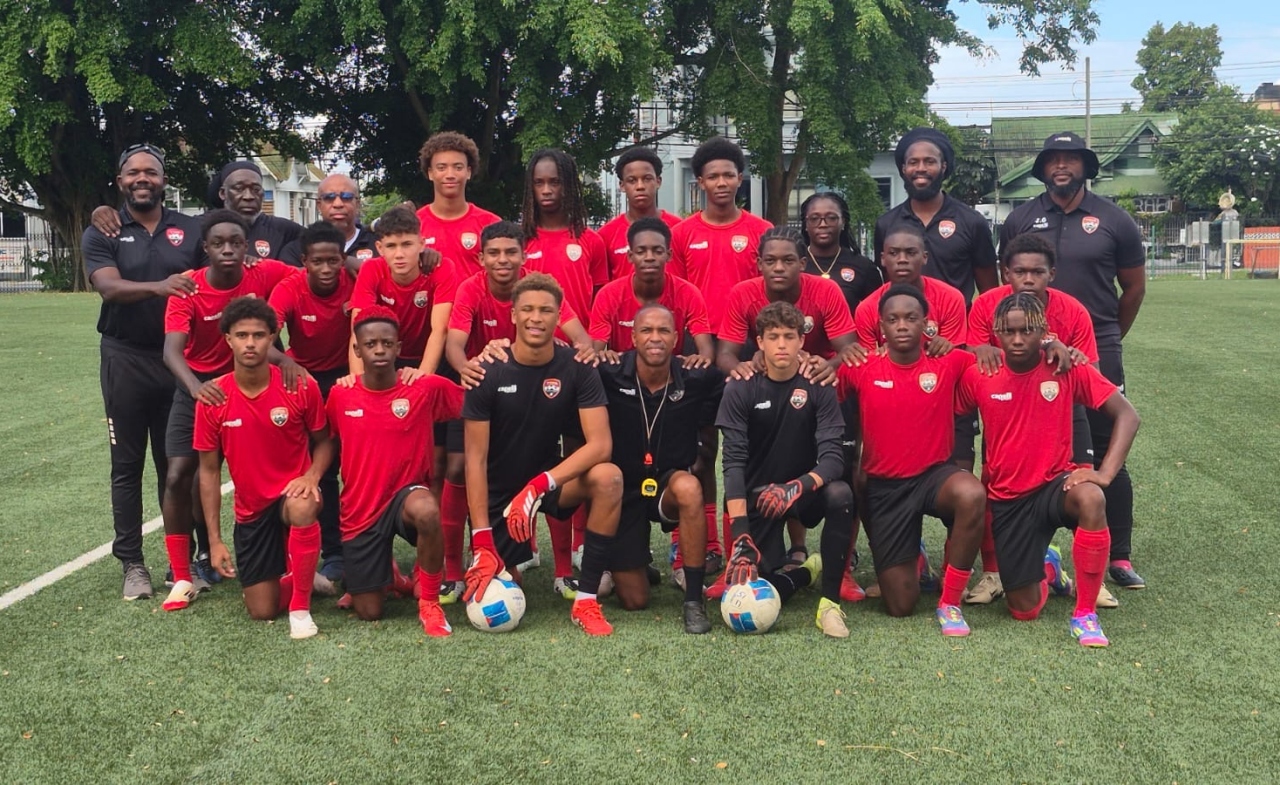
These episodes differ in their circumstances and evidential status. They should not be presented as proof of one recurring safeguarding failure or used to imply responsibility without supporting evidence.
Their relevance lies in the practical questions they raise.
Before a youth delegation departs, are accommodation and funding arrangements sufficiently secure? Have travel documents been checked? Are supervision responsibilities clearly assigned? Do organisers have reliable emergency contacts and contingency plans?

Photo: CFU.
If a child misses a flight, loses a passport or must remain behind when the main party departs, is there an established process for ensuring appropriate supervision and safe onward travel?
These are not questions designed to undermine the TTFA or any individual club. They are essential considerations in the responsible organisation of international youth football.
Unexpected problems cannot always be prevented. What matters is whether appropriate arrangements exist to manage them safely and whether lessons are drawn from experience.
The TTFA has developed safeguarding policies and requirements, including provisions relevant to youth football and overseas travel. That work is an important foundation.
The continuing task is to ensure that requirements are implemented consistently, compliance is monitored and weaknesses are addressed when identified.
The existence of a policy should be recognised as progress, while its implementation should remain an appropriate subject for review.
Both can be true.

Photo: The 18.
One of the clearest opportunities for improvement is the development of consistent communication standards for parents who raise safeguarding concerns.
The Department has outlined the dates on which it received, acknowledged and substantively answered the correspondence in question. That information provides relevant context and should be considered fairly.
At the same time, the wider discussion highlights the value of clear expectations about how parents are kept informed while a matter remains under consideration.

A safeguarding department should not be expected to disclose confidential evidence, provide information about another child or guarantee an outcome by a deadline imposed through public correspondence.
However, where appropriate, it should be possible to acknowledge a concern, explain the general process, identify the next expected procedural milestone and provide a further update if a matter remains unresolved beyond the anticipated timeframe.
Such communication need not compromise an investigation. Properly managed, it can help prevent misunderstandings, reduce unnecessary escalation and reassure parents that their concerns have not disappeared into an administrative process.
There will inevitably be cases in which timelines change, evidence requires further examination or professional advice limits what can be shared. Families can be informed of those realities without being given confidential details or promises that cannot responsibly be made.
Clear expectations benefit everyone. They help parents understand the process, enable safeguarding professionals to manage enquiries consistently and reduce the likelihood that uncertainty will develop into public confrontation.
The objective should be a process that is responsive without being pressured, transparent about its procedures without disclosing protected information, and independent without appearing inaccessible.
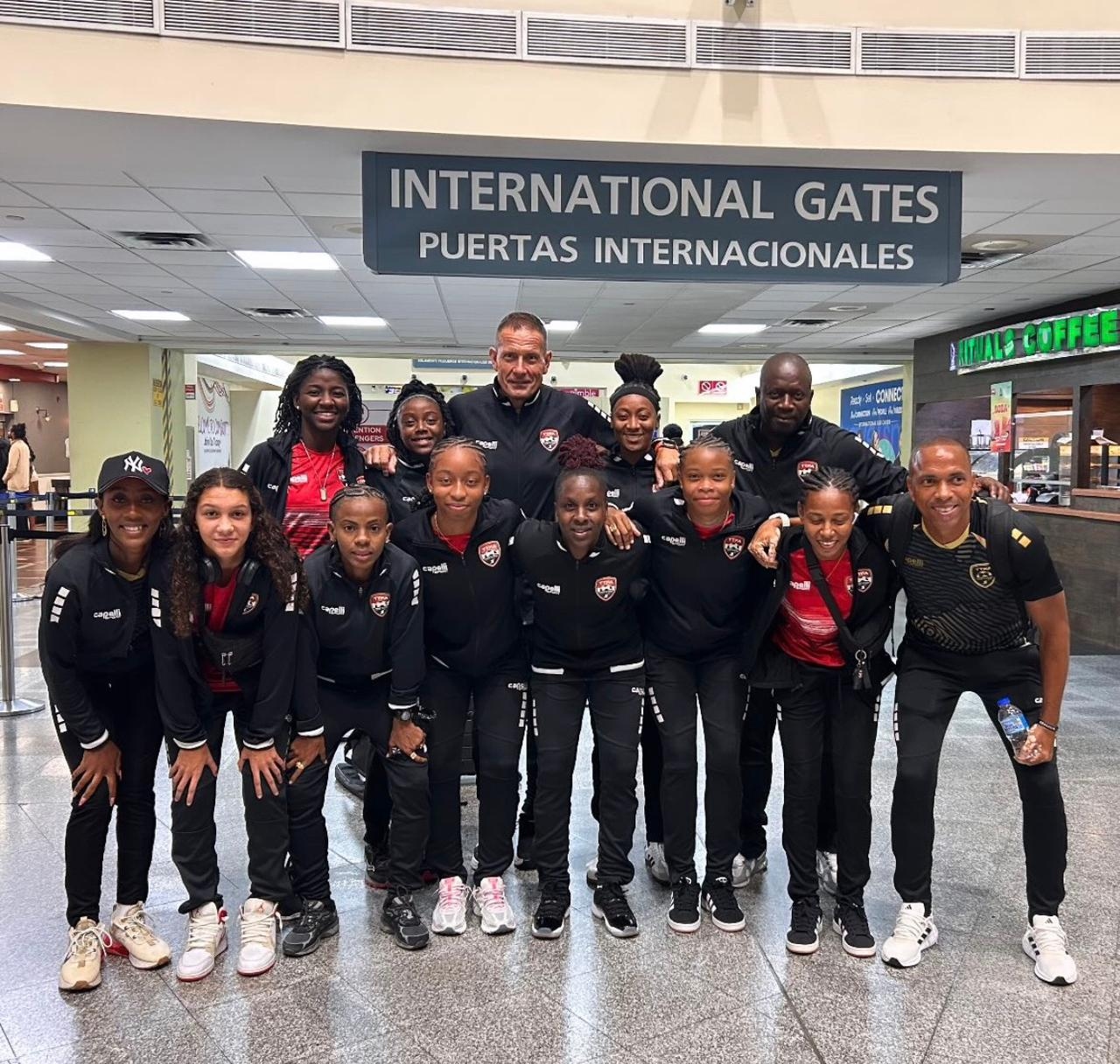
They will be joined in Panama by their overseas-based colleagues for a six-day training camp.
Photo: TTFA Media.
The current discussion presents an opportunity to consider improvements that extend beyond any single case.
The TTFA could work with clubs, academies, parents and relevant child-protection stakeholders to review its youth-team travel standards and safeguarding communication procedures.
Such a review could examine whether existing requirements adequately address travel authorisation, accommodation, supervision, emergency arrangements, parental communication and responsibility for children when travel plans change.

It could also consider how significant disruptions are documented, how potential procedural weaknesses are assessed and how corrective action is tracked.
Where deficiencies are identified, the emphasis should be on addressing them and preventing recurrence. Where procedures are found to be adequate, that conclusion can also inform future practice.
Institutional learning is not an admission that every allegation is correct or that every previous incident resulted from misconduct. It is evidence that an organisation takes prevention and continuous improvement seriously.
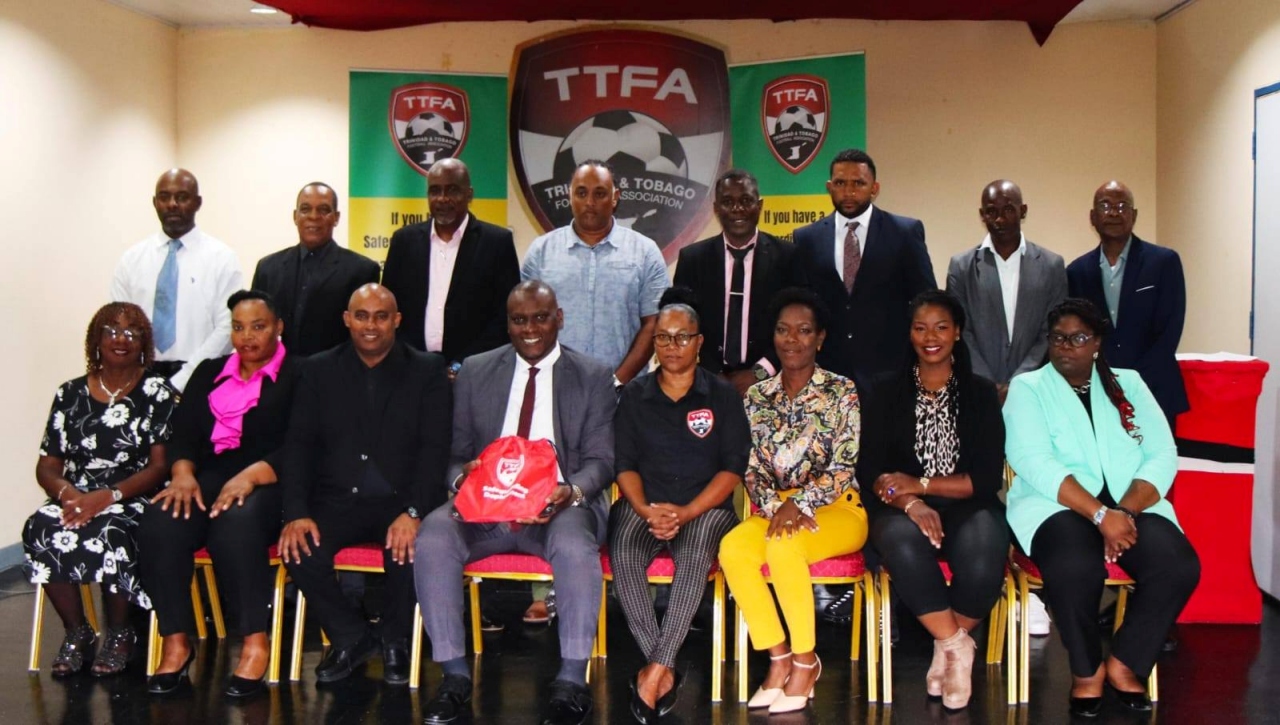
(via TTFA Media.)
There is also value in publishing appropriately anonymised information about safeguarding activity. Subject to privacy requirements and the need to avoid identifying children or families, the TTFA could consider periodic reporting on training, travel-authorisation compliance, broad case-processing timeframes, outstanding matters and improvements implemented.
Such information would allow the football community to understand the system’s general performance without seeking access to confidential case files.
The precise reporting arrangements should be developed carefully, with appropriate regard for legal obligations, data protection and the risk of identifying individuals through small or unusual cases.

The aim is not to create another public controversy. It is to establish a more dependable basis for confidence in the safeguarding framework.
A partnership that protects professional judgment and children’s welfare
Meaningful improvement will require cooperation rather than competing claims to authority.
The TTFA has an important role in setting standards, supporting safeguarding professionals, monitoring compliance and ensuring that lessons from serious incidents inform future practice.

Photo: Nicholas Bhajan/ Wired868.
Clubs and academies must understand and fulfil their responsibilities when organising activities involving children, particularly overseas travel.
Parents must be able to raise concerns in good faith, receive appropriate communication and trust that those concerns will be considered fairly. They must also recognise that confidentiality, due process and professional independence place legitimate limits on the information that can be shared and the influence any individual can exercise over an investigation.
These responsibilities are complementary.

Photo: Nicholas Bhajan/ Wired868.
A constructive partnership does not require every participant to agree on every aspect of a particular case. It requires a shared commitment to evidence, fairness, clear procedures and the best interests of children.
Nor should the success of safeguarding be measured by whether public disagreement has been avoided. Concerns must be capable of being raised and examined without fear of embarrassment or institutional defensiveness.
The more useful measure is whether the system responds appropriately, whether its decisions can be made according to established standards and whether opportunities for improvement are acted upon.

With several public contributions already addressing this matter, further exchanges that simply restate opposing positions are unlikely to provide the greatest benefit. The discussion should now be directed towards identifying practical measures, clarifying responsibilities and establishing a constructive process through which improvements can be considered.
That is not a call to silence legitimate concern. It is a call to ensure that concern produces something worthwhile.
Young footballers deserve opportunities to develop their abilities, represent their clubs and country, and experience international competition in circumstances that properly account for their welfare.

Photo: Nicholas Bhajan/ Wired868.
Their safety must not depend on improvised arrangements when travel plans fail, unclear lines of responsibility or uncertainty about how concerns will be handled.
Parents should be able to expect that reasonable precautions have been considered, supervision arrangements are understood and appropriate contingency plans exist. Safeguarding professionals, in turn, must have the independence and support necessary to make fair, evidence-based and proportionate decisions.
The TTFA’s safeguarding framework should therefore be judged neither solely by the policies it publishes nor by the criticism it receives. Its value lies in how effectively its standards are implemented, how responsibly concerns are managed and how consistently lessons are translated into better practice.
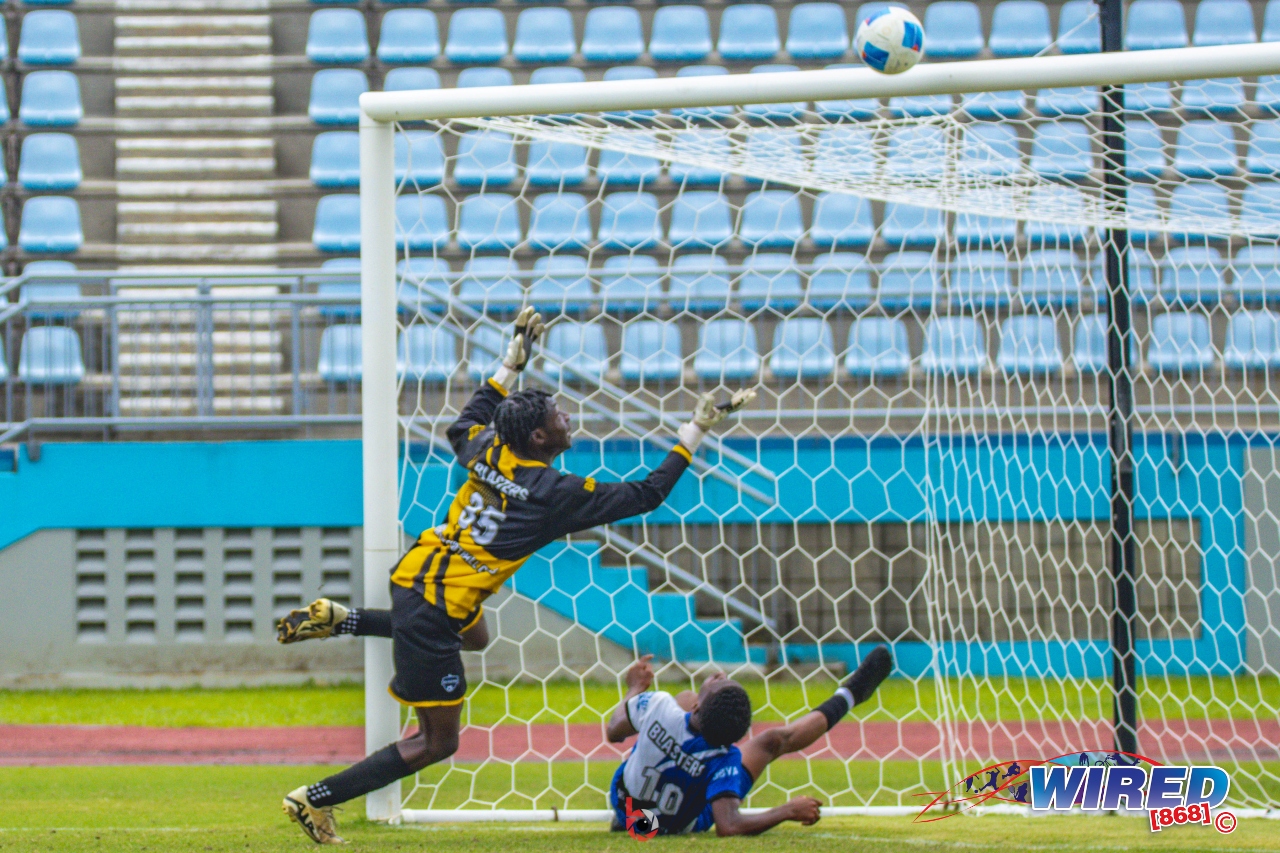
Photo: Dirk Allahar/ BCreative Designs/ Wired868.
The Department’s commitment to confidentiality, compassion and cooperation provides a useful foundation for that work. Those principles can be advanced further through clear communication, constructive engagement with stakeholders and a willingness to review procedures where appropriate.
The football community does not need an indefinite public contest over safeguarding. It needs confidence that concerns will be taken seriously, children’s privacy will be protected, professional decisions will remain independent and institutional procedures will continue to improve.
The way forward is neither to dismiss parents’ concerns nor to presume that criticism proves institutional failure. It is to examine the evidence, respect the rights of everyone involved and concentrate on the changes that will make youth football safer.

Photo: Nicholas Bhajan/ Wired868.
Ultimately, safeguarding is a shared responsibility. Its purpose is not to protect reputations, win arguments or defend institutional authority for its own sake. Its purpose is to protect children.
That responsibility is best fulfilled when parents, clubs, safeguarding professionals and the TTFA work together towards clear standards, effective implementation and continuous improvement.
The conversation should now move beyond the public disagreement and towards a practical partnership: one that respects confidentiality, preserves professional independence, strengthens accountability and keeps the welfare of every young footballer firmly at its centre.

“[…] A new coach may bring fresh ideas, different tactics, and renewed motivation—but if the underlying problems remain, how much Read more

“[…] Mr St Gary Rose speaks extensively about what complainants are not entitled to demand. Yet he provides considerably less Read more

“[…] Our responsibility is not to respond to the loudest voice, but to protect every child according to their individual Read more
“[…] In April 2025, Wired868 reported that TTFA safeguarding manager Gary St Rose said his department had handled 561 reported Read more
“[…] There are also concerns about statements reportedly made to players and/or during discussions with members of the football community, Read more

“[…] The safeguarding process belongs to the protection of the child and the proper management of risk—it does not belong Read more

Want to share your thoughts with Wired868? Email us at editor@wired868.com.
Please keep your letter between 300 to 600 words and be sure to read it over first for typos and punctuation.
We don’t publish anonymously unless there is a good reason, such as an obvious threat of harassment or job loss.