 Wired868 Wired868 for smart sport news and opinion
“[…] The safeguarding process belongs to the protection of the child and the proper management of risk—it does not belong to the person who happens to report the concern.
“[…] A safeguarding department cannot determine its processes based upon the timeline demanded by a complainant… Once a matter enters a safeguarding process, it must be assessed according to the applicable policy, the identified risks, available information and evidence, confidentiality requirements and procedural considerations…”
The following is a response from Gary St Rose, the TTFA Safeguarding, Player Care and Wellbeing manager, to a Letter to the Editor from A Concerned Parent regarding alleged issues in the management of the Boys’ National Under-14 Team:
I write in response to the recent Letter to the Editor concerning safeguarding, youth-team travel and the Trinidad and Tobago Football Association (TTFA).

As the TTFA’s Safeguarding, Player Care and Wellbeing Manager, I believe it is important that the public discussion surrounding safeguarding is informed by the actual chronology of the events and by an understanding of how safeguarding processes are required to operate.
Let me state at the outset that the welfare and protection of children and young athletes must remain paramount. Safeguarding concerns should be taken seriously, assessed appropriately and, where a risk is identified, addressed through appropriate risk-management and mitigation measures.
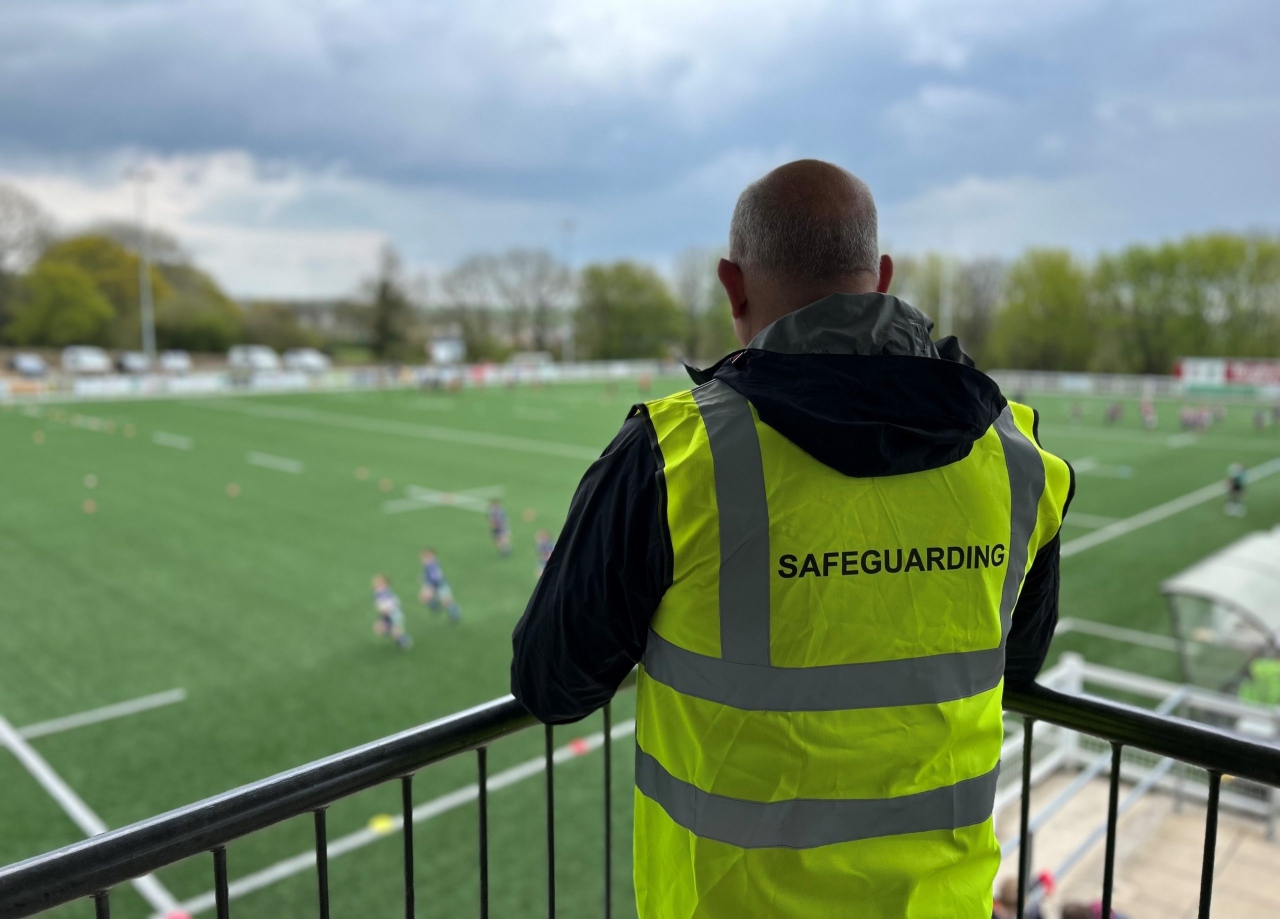
However, safeguarding also requires due process, and confidentiality. A safeguarding process cannot simply be converted into a public response mechanism whereby confidential information, interim decisions or investigative considerations are disclosed whenever a stakeholder requests them—especially when the request is driven by emotion, insufficient or inaccurate information and not based on the requirements of the process.
The Letter to the Editor makes two allegations. One, it suggests that concerns were raised with the TTFA and that there has been no substantive response. That characterization is extremely misleading and does not reflect the facts.
Two, the writer attempts through hearsay to infer that a minor player was left alone at the Piarco International Airport.
Without going into specifics because it is a matter engaging our attention, I would say that the information as presented by the writer is not their firsthand account and is also misleading and not the information that I have presently before me.
On 15 September 2026, a parent emailed the TTFA Safeguarding, Player Care and Wellbeing Department, outlining several matters—most of which did not fall within the safeguarding remit and requested that they be given an immediate update on those issues along with two specific safeguarding issues for consideration.

Photo: TTFA Media.
The correspondence was acknowledged by the Department on 17 September.
Following review of the issues raised, a substantive response was subsequently provided on 27 September, explaining that the matters would be reviewed and that, because they covered several operational areas, the review could require input from multiple TTFA departments and personnel.
The response also explained that the safeguarding matters raised are subject to confidentiality and procedural requirements and that the TTFA could not guarantee that internal findings, recommendations or actions would be publicly disclosed.

This explanation was necessary because the correspondence raised two distinct safeguarding-related matters, each of which requires a different approach.
In the first matter as per the email received, the concern relates directly to the parent’s own child. Based on the information provided to the TTFA, the circumstances involve questions concerning the passport, its expiration date and the systems, processes, and communication, surrounding alternative flight arrangements.
The child was, at all relevant times, within the care and supervision arrangements of the team or his parents.
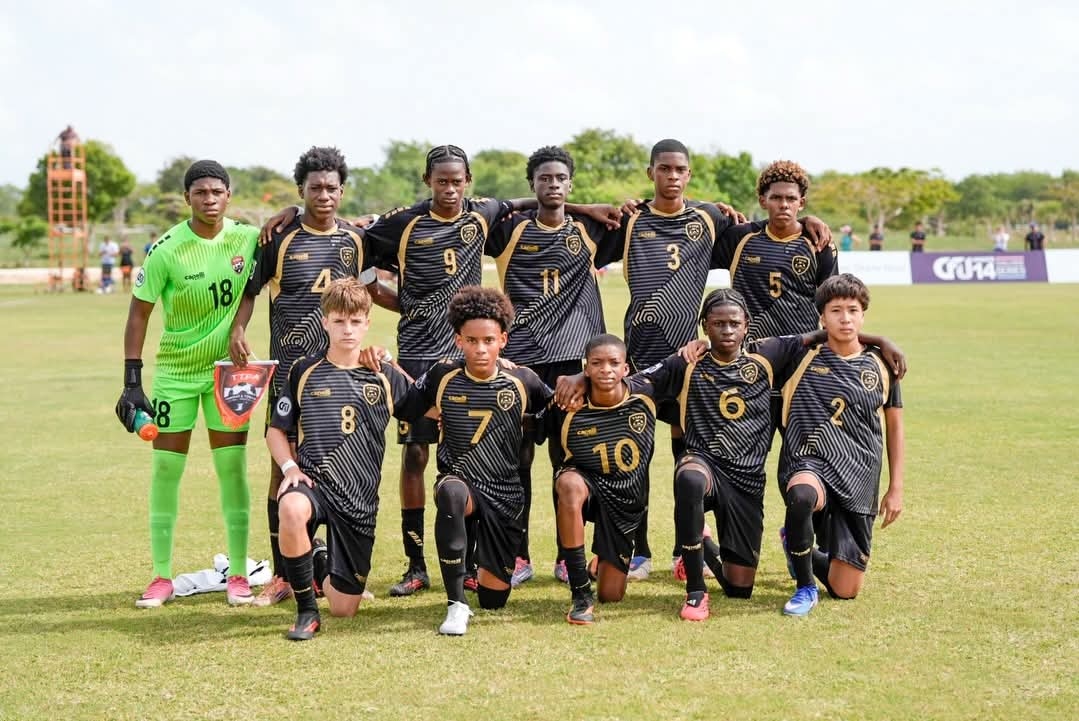
Photo: CFU.
Accordingly, consideration of that matter cannot be reduced to an assessment of one individual or one isolated action. It requires consideration of the systems and processes that were in place or failed and requires information and input from a number of departments and personnel within the Association.
A proper review of those matters necessarily requires reasonable time to obtain the relevant information, assess the circumstances and determine whether any changes or corrective measures are warranted. This could not be reasonably done immediately, as demanded by the parent involved.
The second matter is different. The information was initially brought to the TTFA in the same email by a person who was neither the parent of the child concerned nor identified as a witness to the circumstances being reported. That person’s role was therefore to bring information to the attention of the appropriate authority.

Photo: CFU.
That information may be sufficient to trigger an assessment or investigation, but the act of making a report does not, in itself, confer an ongoing entitlement to participate in the safeguarding process, direct how the matter is handled, or receive confidential information concerning the child, family, witnesses or other persons involved.
This distinction is particularly important where a child is concerned. Safeguarding must respect the privacy and interests of the child and the parent directly involved.
It would be inappropriate to assume that a third party who is not a witness, that initially provides information, should thereafter become an ongoing participant in the matter without the knowledge, consent or expressed wishes of the child or parent concerned.

Photo: The 18.
Reporting a safeguarding concern and becoming a party to the subsequent safeguarding process are two different things. The former should always be encouraged where a person has genuine information or a concern. The latter is determined by the nature of the matter, the applicable safeguarding procedures, confidentiality requirements and the interests and rights of those directly affected.
The TTFA therefore has to balance two responsibilities: ensuring that information received is properly considered and acted upon where necessary, while also protecting the privacy and agency of the child and family directly involved.
Allowing persons who are not directly involved to insist upon continued participation or access to information could itself create an additional safeguarding concern, by unnecessarily extending the number of people with access to sensitive information.

Romain is the National U-14 team manager.
Photo: Daniel Prentice/ Wired868.
The safeguarding process belongs to the protection of the child and the proper management of risk—it does not belong to the person who happens to report the concern.
Accordingly, neither the identity of the person making a report nor the urgency with which that person wishes to see a particular outcome determines the course of the safeguarding process.
The TTFA must determine the appropriate response based on the information available, the level of risk, the interests of the child, the applicable policy and the professional assessment of the matter.

The parent subsequently responded on 28 September, requesting, among other things, confirmation that interim safeguarding measures will be taken, an expected timeline for completion of the review and a formal update on corrective actions, and demanded a response in five days.
This chronology is important because it demonstrates that the concerns were not simply ignored or left without acknowledgement. They were received, acknowledged and subsequently addressed with an explanation of the process that would be followed.
A safeguarding department cannot determine its processes based upon the timeline demanded by a complainant. That does not mean that concerns should be ignored or unnecessarily delayed.
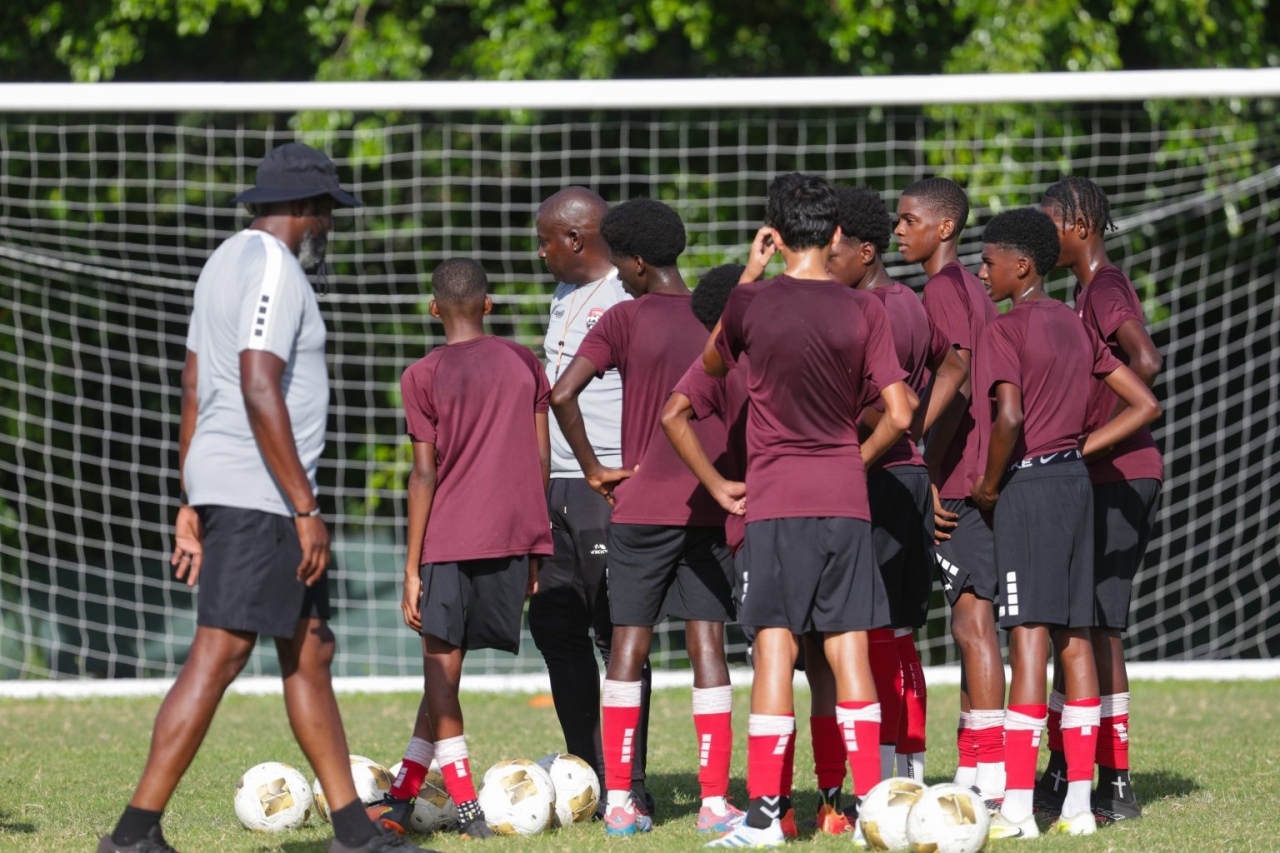
(via TTFA Media.)
It means that once a matter enters a safeguarding process, it must be assessed according to the applicable policy, the identified risks, available information and evidence, confidentiality requirements and procedural considerations.
It would be irresponsible for a safeguarding officer to publicly announce an interim measure simply because a stakeholder requested that information while a process remained ongoing.
Safeguarding decisions must be based on the circumstances of the matter and the assessment undertaken, not on external pressure to produce a particular outcome within a predetermined timeframe.
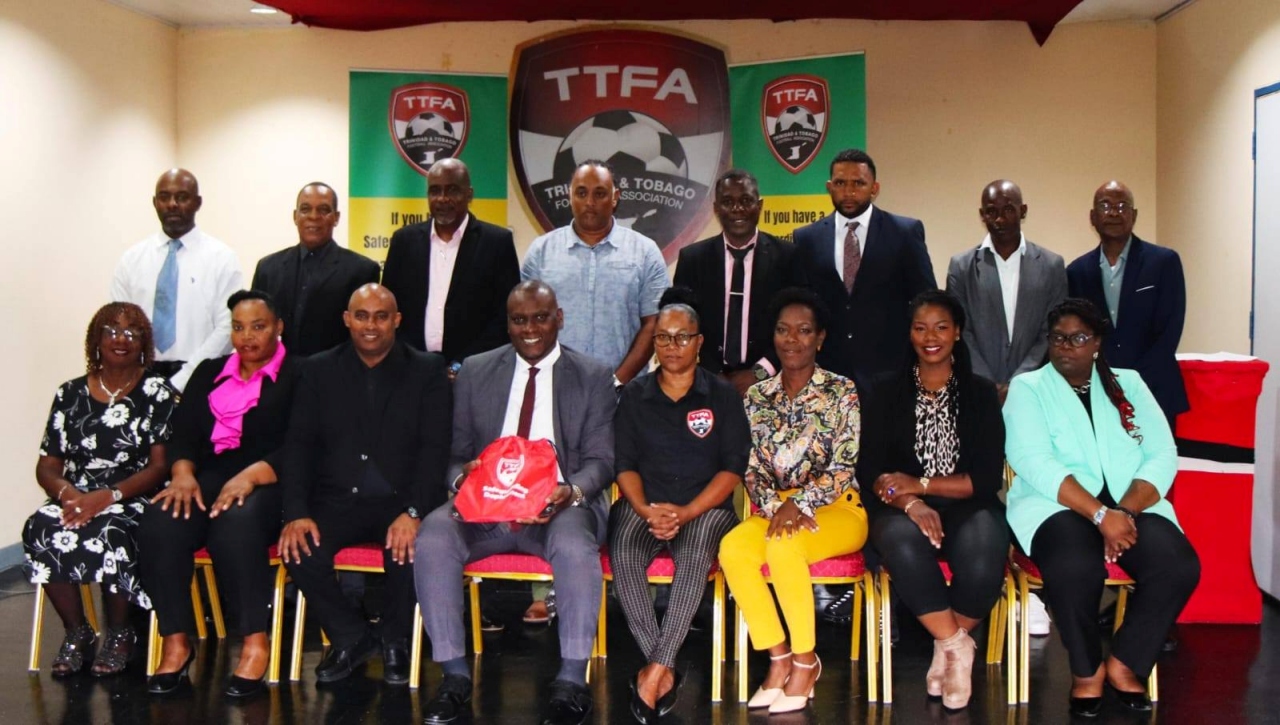
(via TTFA Media.)
There is a significant difference between saying: “We cannot disclose confidential information concerning an ongoing safeguarding matter” and saying: “Nothing is being done.”
Those statements are not equivalent.
The TTFA response to the parent, expressly stated that concerns would be managed under the Association’s Safeguarding Children and Vulnerable Persons Policy and Framework and that appropriate risk mitigation would be implemented where the assessment determined that it was required.
That is not silence. It is responsible safeguarding practice.

It is also important to clarify that the TTFA Safeguarding, Player Care and Wellbeing Department does not have unlimited authority over every operational issue arising. Our responsibility is to assess and manage safeguarding concerns and to make or recommend appropriate interventions where required.
Where a matter involves travel administration, financial reimbursement, team management, selection procedures, logistics or other operational questions, those matters require the involvement of other TTFA departments or officials.
That is precisely why the response to the parent explained that the issues raised that affected them directly, crossed several operational areas and that the review could require input from multiple departments and personnel.
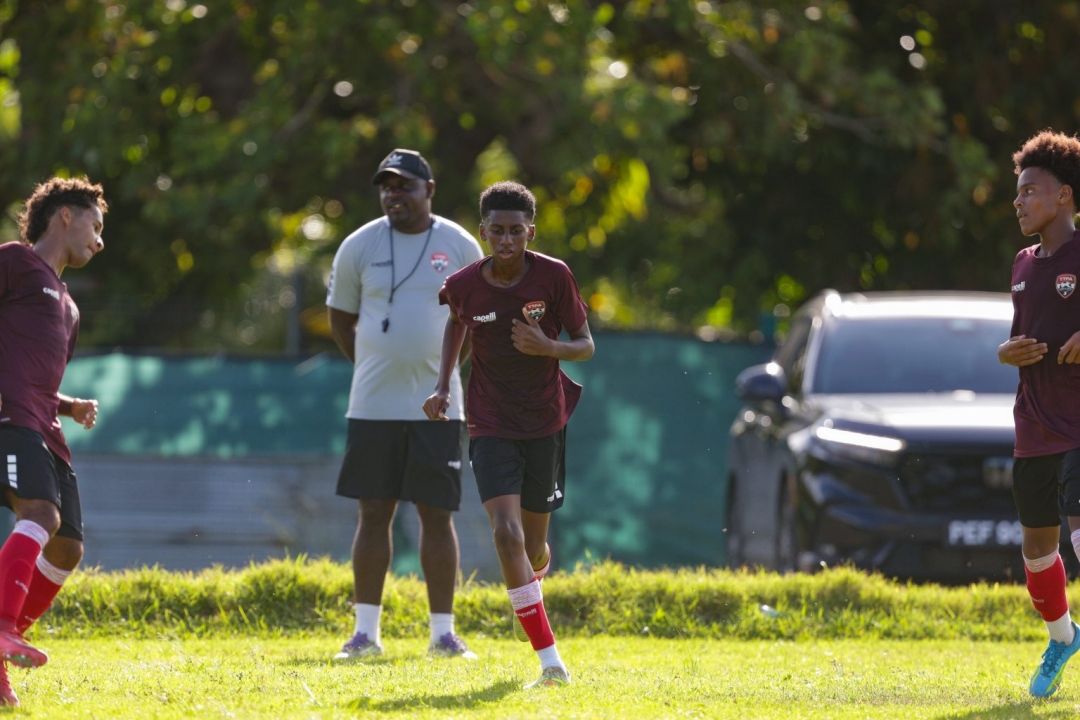
(via TTFA Media.)
The concerns raised by the parent provide an opportunity for the TTFA to examine its youth-team systems, particularly in relation to travel documentation, communication, contingency planning, supervision and escalation. Where an internal review identifies weaknesses, those weaknesses would be addressed.
The TTFA should absolutely continue to improve its systems. Where shortcomings are identified, they should be corrected. Where processes can be strengthened, they should be strengthened. Where communication can be improved, it should be improved.
It is also important to place this matter within the broader experience of the TTFA Safeguarding, Player Care and Wellbeing Department.
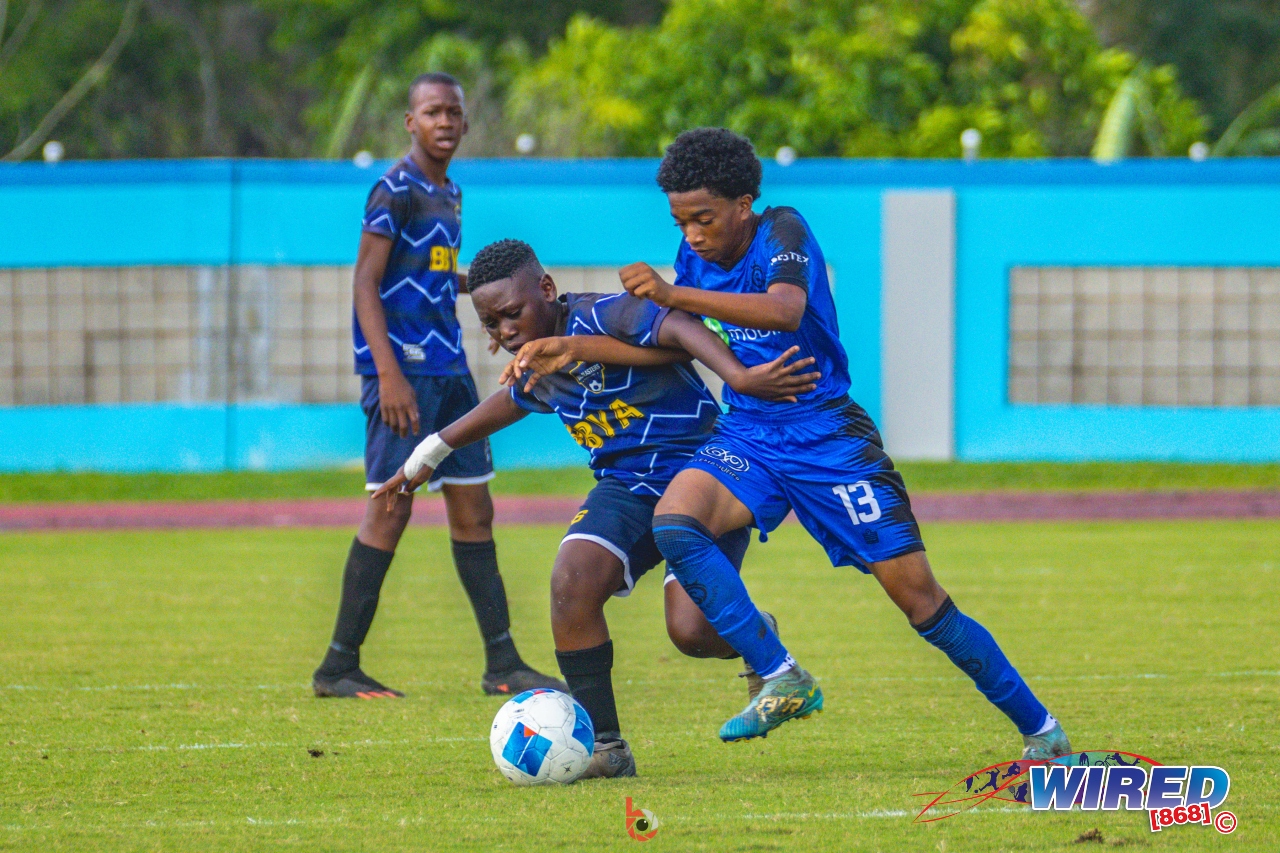
Photo: Dirk Allahar/ BCreative Designs/ Wired868.
This is not the first occasion on which the Department has received concerns from parents, members of the football community or members of the public regarding the actions of individuals or the operation of football programmes or systems and processes within the TTFA that they believed required review.
The response of the Department in such circumstances has been consistent.
Where a review or investigation identifies deficiencies, risks or areas requiring improvement, corrective actions or recommendations are made. Where those recommendations have been accepted, the TTFA has implemented and incorporated the required corrective measures into its systems, processes or practices.
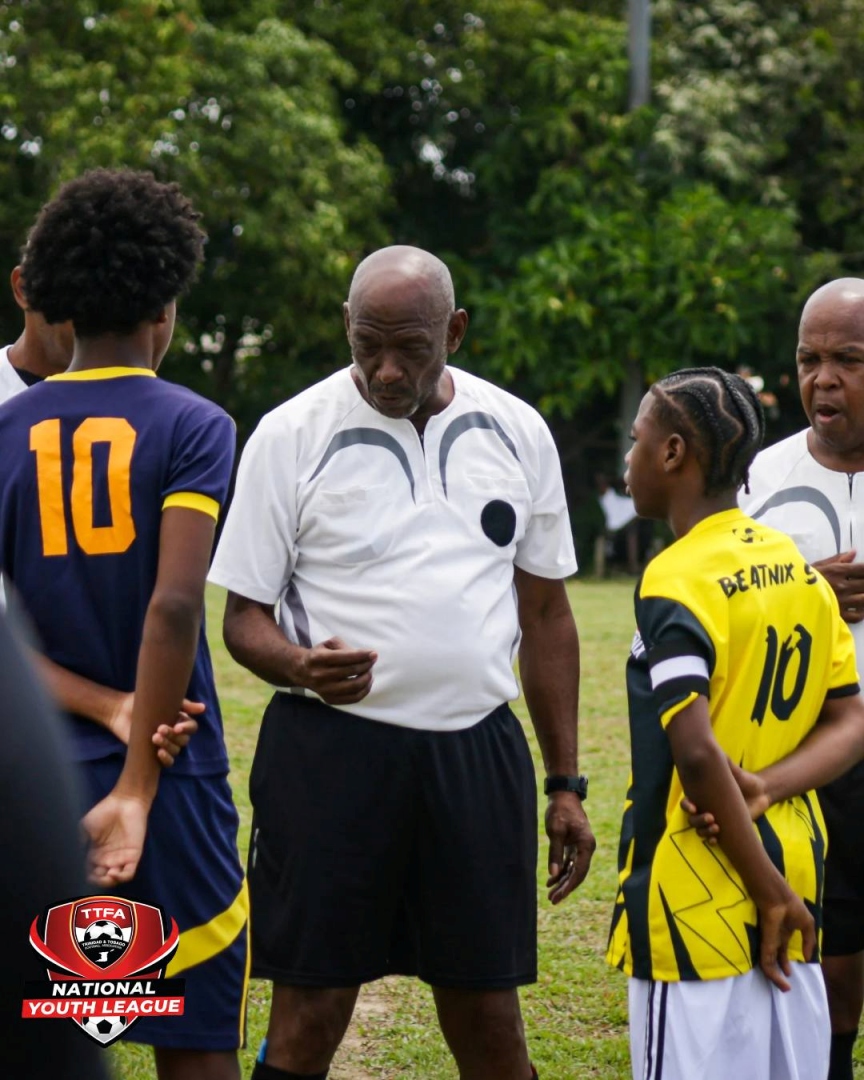
Photo: TTFA Media.
The significant difference in the present circumstances is therefore not that the TTFA is refusing to review the concerns or that the Safeguarding Department is unfamiliar with such requests.
The difference is that the parent is seeking responses, specific actions and information according to a timeframe determined by the parent, who may very well be infringing on the rights of the other persons involved.
The TTFA should absolutely continue to improve its systems. Where shortcomings are identified, they should be corrected. Where processes can be strengthened, they should be strengthened. Where communication can be improved, it should be improved.
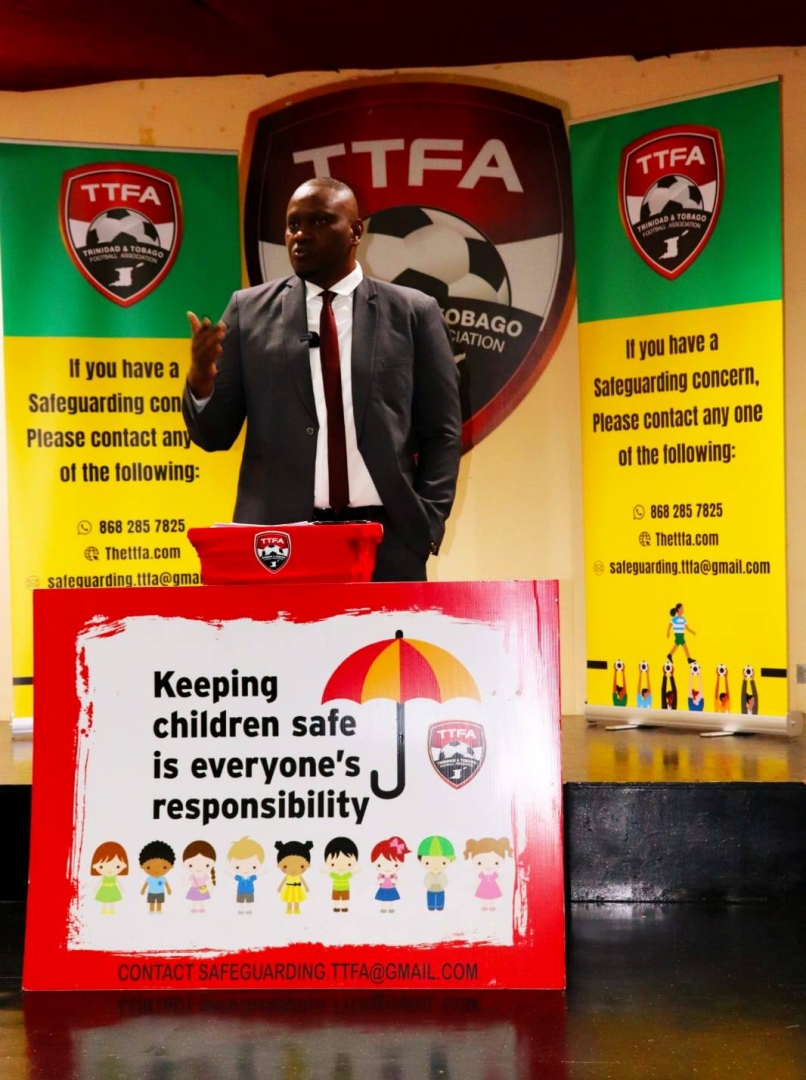
(via TTFA Media.)
But accountability cannot mean that an individual stakeholder determines what action must be taken, when it must be taken or what information must be disclosed.
Accountability requires a credible process; it does not remove the need for one.
The TTFA Safeguarding, Player Care and Wellbeing Department has demonstrated through its handling of previous concerns that safeguarding matters can lead to review, investigation, corrective action and organisational change.
The existence of an established process is precisely why this matter should be allowed to proceed through that process rather than being driven by public pressure or externally imposed timelines.
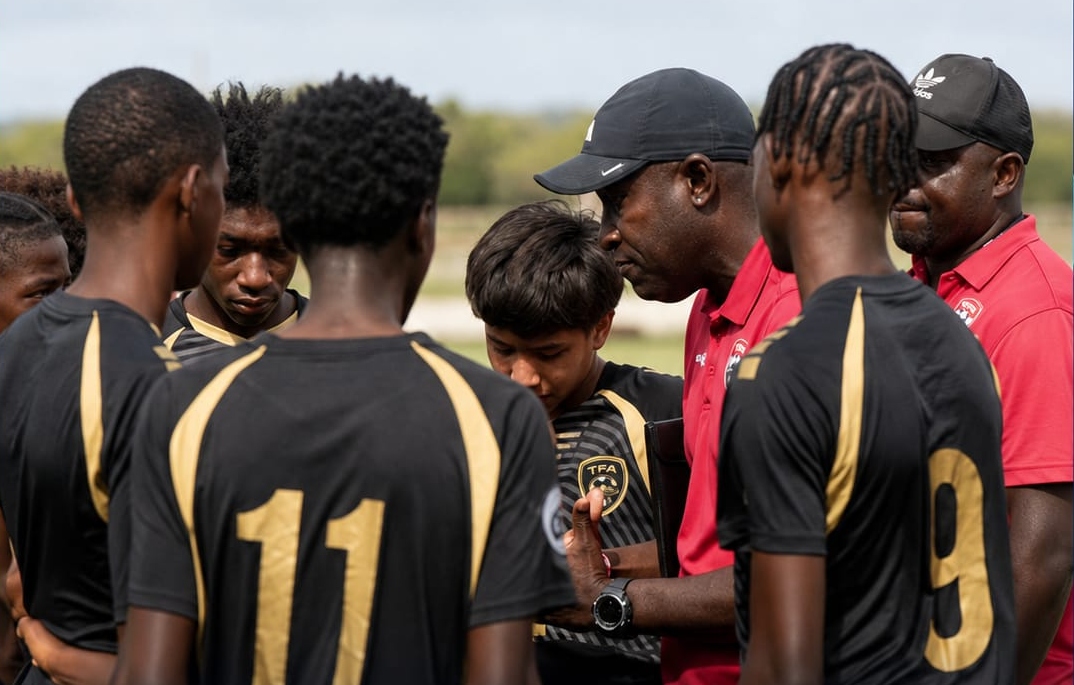
Photo: CFU.
There is a fundamental difference between urgency and pressure.
Editor’s Note: Click HERE to read the initial safeguarding concerns raised by a concerned parent.
The TTFA Safeguarding Department notes, despite the above statement that the complainant relied on hearsay, the investigations remain ongoing and there is no determination regarding guilt or innocence on either claim—including the allegation that the National Under-14 Team manager left a minor unsupervised at the airport at 3am, as he waited to catch a flight to Tobago.
The Boys’ National Under-14 Team is due to travel to Azerbaijan, with the same technical staff, for the inaugural Fifa U-15 World Cup and Festival from 21-31 October 2026.

“[…] A Trinidad and Tobago National U-14 player was reportedly left at Piarco International Airport at approximately 3am, after the Read more
“[…] Safeguarding is often discussed primarily in terms of protecting children and athletes from abuse, neglect, exploitation, harassment and other Read more

“[…] Never mind the ‘media specialists’, apologists and enablers (paid and unpaid by TTFA) who seek to convince us otherwise. Read more

“[…] Concacaf has announced that a 16-team Women’s U-17 qualifying competition will take place in February 2027, as part of Read more

“[…] We kick off the Nations League competition on the road against Haiti, followed by Dominican Republic at home (on Read more
Trinidad and Tobago Boys’ National Under-14 Team head coach Randolph Boyce said his troops were placed in a tough group, Read more

Want to share your thoughts with Wired868? Email us at editor@wired868.com.
Please keep your letter between 300 to 600 words and be sure to read it over first for typos and punctuation.
We don’t publish anonymously unless there is a good reason, such as an obvious threat of harassment or job loss.