 Wired868 Wired868 for smart sport news and opinion
“[…] We kick off the Nations League competition on the road against Haiti, followed by Dominican Republic at home (on 24 and 27 September respectively).
“Our other opponent in Group A is Curaçao, who we play twice on 1 and 4 October, away and home. We know Curaçao and Haiti. They are now respectfully seen as World Cup countries, but we cannot sleep on Dominican Republic.
“Coming immediately after Haiti, we underestimate them at our peril. Do so and our campaign could be over by the end of the month…”
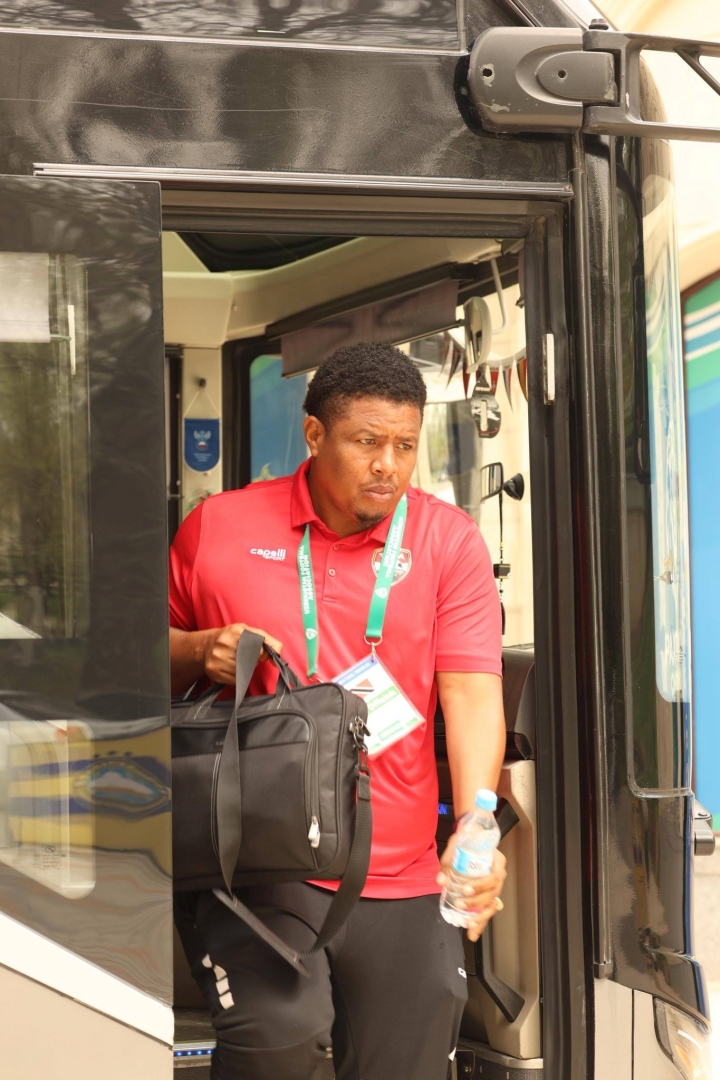
(via TTFA Media.)
In the following guest column, football analyst, FC Santa Rosa founder and ex-TTFA technical department chair Keith Look Loy looks at what awaits the Trinidad and Tobago Men’s National Senior Team in the 2026-27 Concacaf Nations League:

In December 1492, Christopher Columbus happened upon the island of Ayiti (“land of high mountains” to the indigenous Taino people). He called it “Española”.
He returned in November 1493 to establish Spain’s first American colony, La Isabela (named in honour of the Queen of Castile). In a famous Letter to Luis de Santángel, the Spanish finance minister, he wrote:

“There are mountains of very great size and beauty, vast plains, groves, and very fruitful fields, admirably adapted for tillage, pasture, and habitation. The convenience and excellence of the harbors in this island, and the abundance of the rivers […] surpass anything that would be believed by one who had not seen it.”
He described a new Garden of Eden to the Spanish Crown. Brave explorer though he was, Columbus was a terrible administrator and La Isabela was a disaster.
In 1500 Queen Isabela’s “Admiral of the Ocean Sea, Viceroy, and Governor-General” of all he “discovered” was returned to Spain in chains by rebellious colonists. This signaled the beginning of his political and physical decline.
After two more voyages to the New World he died in Valladolid, Spain, in May 1506, at the age of 54—sick, embittered, rejected by the royal court and still believing he had reached the outlying Islands of Asia rather than an entirely new continent.
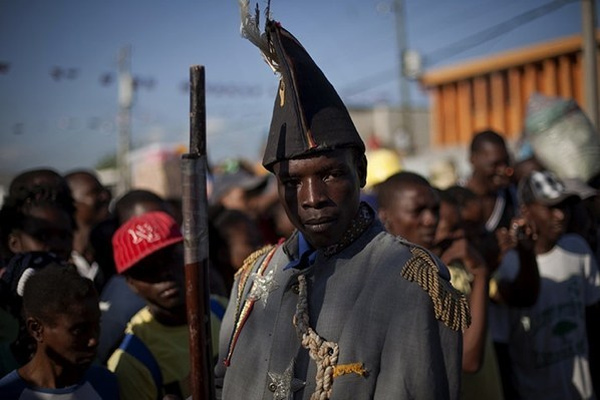
Hispaniola endured centuries of tortured history thereafter: genocide, slavery, revolution, fragmentation into two independent countries in the 19th century (Haiti and the Dominican Republic), and dictatorship in the 20th.
“Yes, yes,” you say, “but what does this history lesson have to do with football?”
Well, you see, just as it was for Columbus, that island could become a metaphorical graveyard for our national men’s team and coach Derek King if they are not careful. I refer to the approaching Concacaf on Nations League campaign.
King’s contract as head coach, initially for one year, expires in May 2027. Since he took command of our flagship team we have played six friendly matches losing all (to Bolivia, Venezuela, Gabon, South Korea, Russia and Louisville City FC) while scoring three goals and conceding 19.

(via TTFA Media.)
The next Concacaf Gold Cup is scheduled for June and July 2027, so the Nations League is his only official tournament before his tenure ends.
Failure in this competition will not see him reduced to chains, I imagine, but it would be difficult to offer an argument in favour of keeping him in the job for the continental championship.
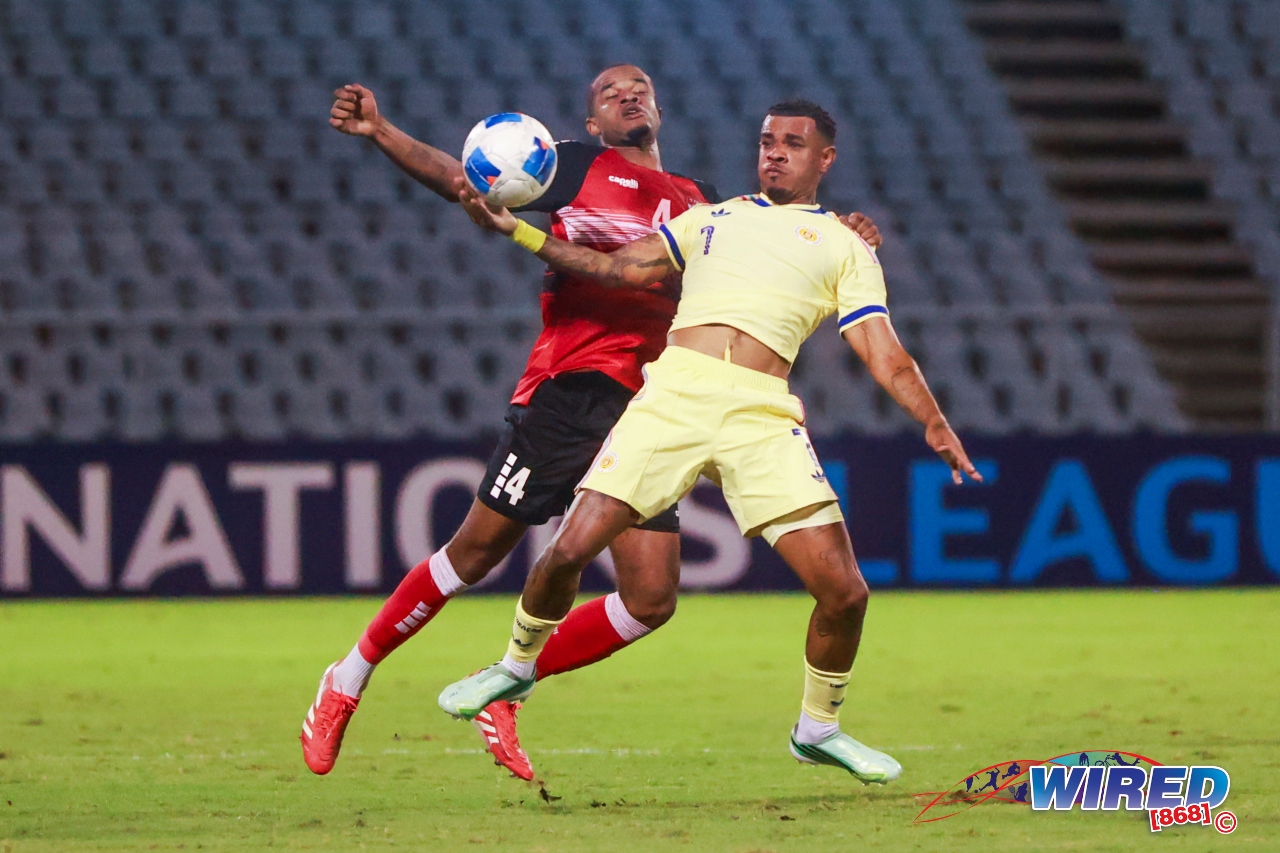
But I get ahead of events. We kick off the Nations League competition on the road against Haiti, followed by Dominican Republic at home (on 24 and 27 September respectively).
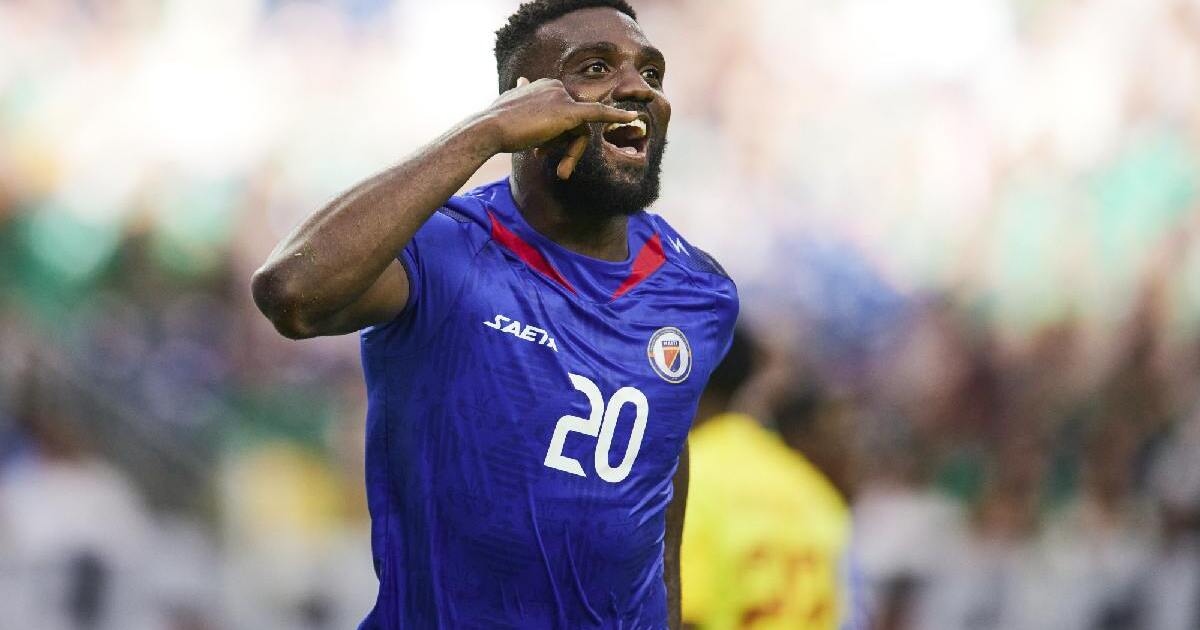
(via TV Azteca.)
Our other opponent in Group A is Curaçao, who we play twice on 1 and 4 October, away and home. We know Curaçao and Haiti. They are now respectfully seen as World Cup countries, but we cannot sleep on Dominican Republic.
Coming immediately after Haiti, we underestimate them at our peril. Do so and our campaign could be over by the end of the month.
Currently ranked 139 by Fifa (compared to our 102), República Dominicana has its tail in the air. After winning League B last year, 2026 will be their debut outing in League A.
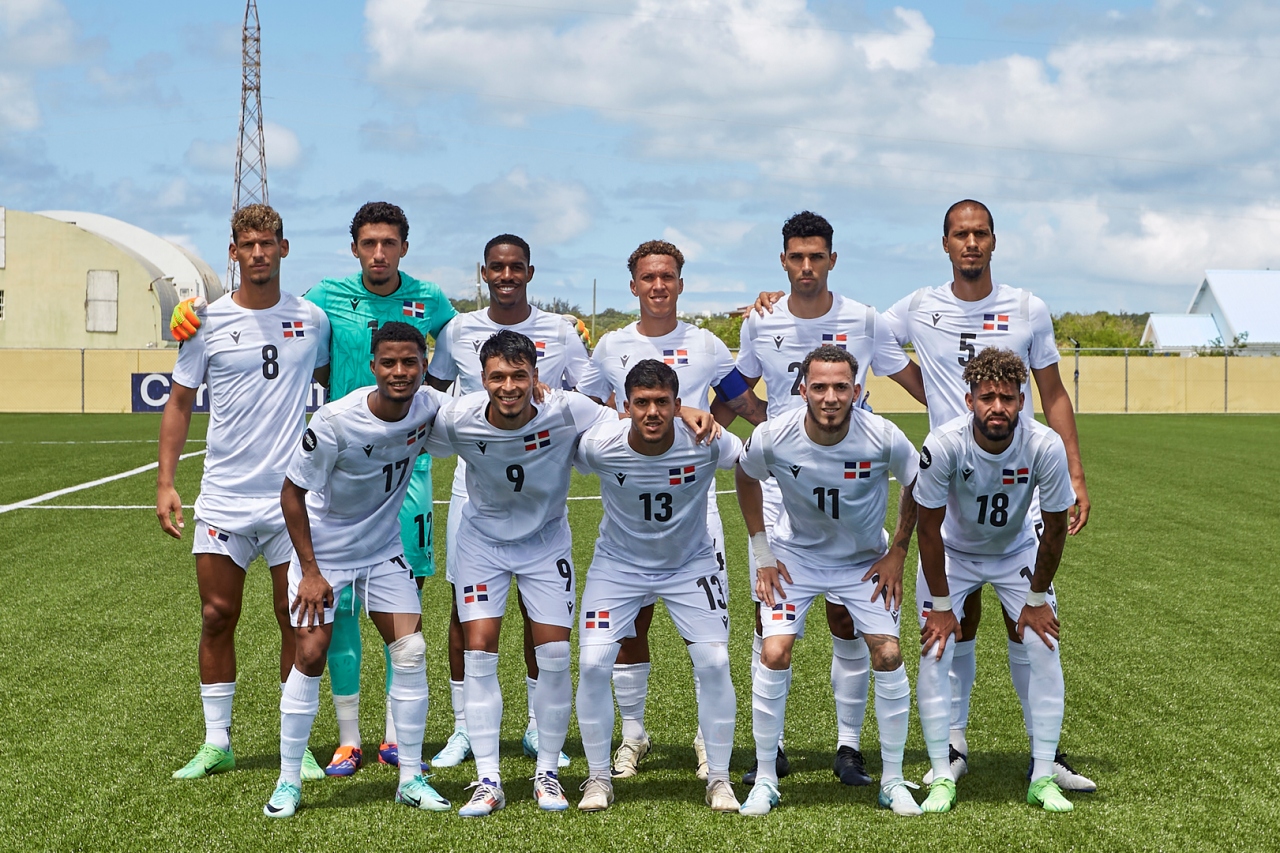
Photo: Ricardo Rodriguez/ Straffon Images.
They are led by Argentine coach Gabriel Marcelo Neveleff. The rest of the staff is Spanish. They have played three friendlies this year: 1:1 with Cuba, 2:2 with El Salvador and a 4:2 loss to Panama prior to the World Cup.
The Dominicana squad increasingly relies on diaspora children born and trained in countries with strong football infrastructures, particularly Spain, to bolster their international competitiveness. These players are attached to clubs in Europe, South America and USA, including Elche, Alaves, Real Betis and Rayo Vallecano (Spain), Porto (Portugal) and Nashville SC (MLS).
The team favours a possession game and prioritizes quick transitions through technical midfielders like Pablo Rosario (of FC Porto) and attacking wing backs like Junior Firpo (of Real Betis).

Neveleff, though, is not afraid to apply more defensive tactics, absorb pressure and hit teams on the counter-attack.
After the 7:1 hiding from Germany, Curaçao had a respectable World Cup (0:0 with Ecuador and a 2:0 loss to Cote d’Ivoire). Their staff is stable and their biggest problem these days is who to select from among the ever-increasing number of Dutch-born professionals who wish to represent the island.
They do not have the problem being faced by Dutch-born players representing Suriname, who have to apply for a work permit to play in the Netherlands when they choose to represent the Caribbean country.

(via MSN.)
Why? Because under Dutch law, if a citizen voluntarily acquires the nationality of a non-EU country (such as Suriname), they automatically lose their Dutch citizenship and are considered a foreign national.
Because they no longer hold EU status, such players legally require a work permit to continue playing professional football in the Netherlands, despite being born and raised there.
However, Curaçao, while an independent member association of Fifa, is part of the Kingdom of the Netherlands. Its citizens carry the Dutch passport. This is good news for Curaçao but not for us—and particularly not for our reliable Dutch-born defender Déron Payne, who is affected by this law.
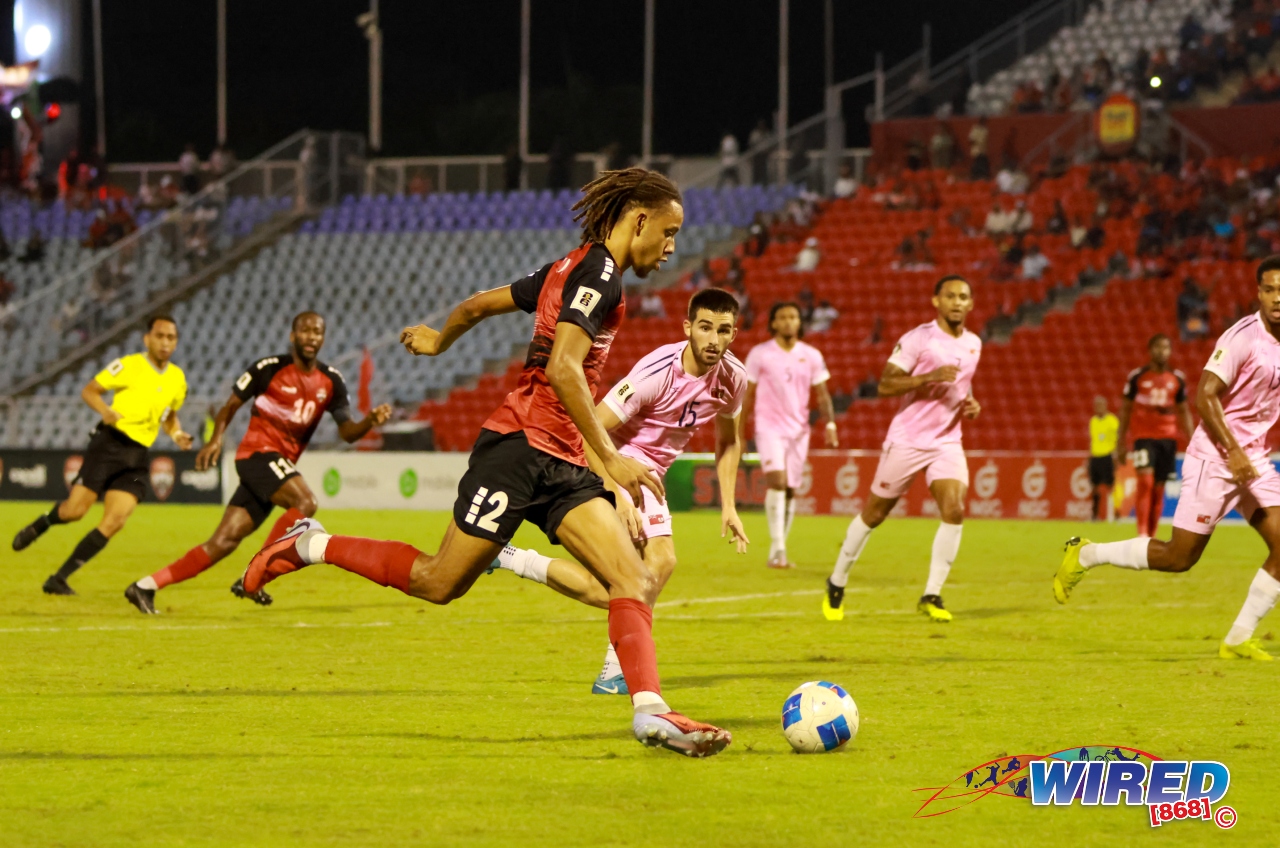
Photo: Nicholas Bhajan/ Wired868.
Our first opponent, Haiti lost, all their World Cup matches (1:0 to Scotland, 3:0 to Brasil and 4:2 to Morocco) but these were not terrible results, considering the quality of their opposition.
New Coach David Badía took charge in late August. Badía previously spent time coaching in FC Barcelona’s youth setup, followed by senior jobs across clubs in Spain, Turkey, Cyprus, and Poland. This is his debut as manager of a senior national team.
The team will rely on the usual agglomeration of players from top tier and second tier clubs across Europe and North America, reflecting a squad largely shaped by global migration. I expect them to be our toughest opponent.
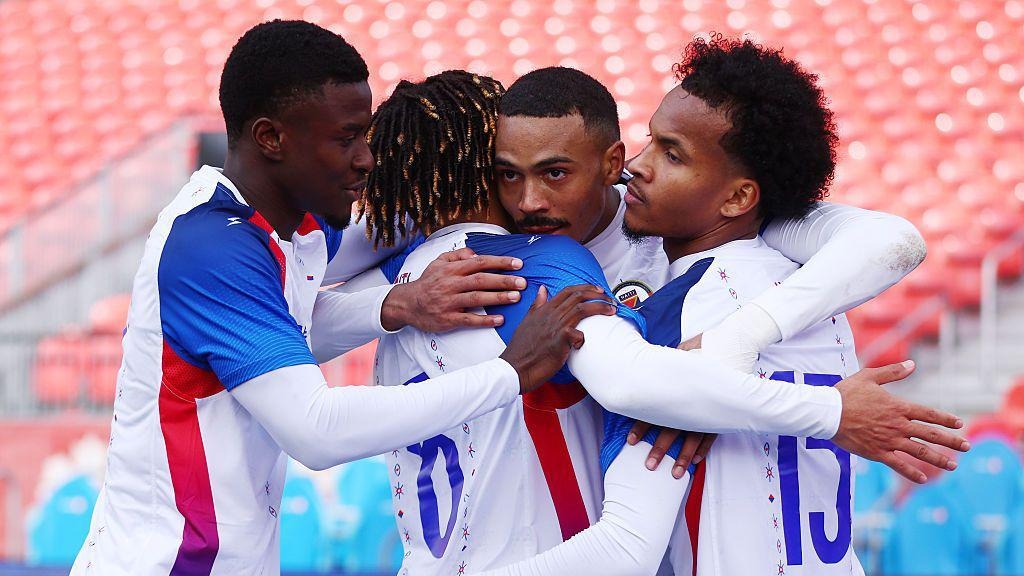
King will have the top player pool available to him for these matches, the hottest of whom is Tyrese Spicer, who has been in matador form for his club Orlando City of MLS lately—with five goals in the last month.
He is now our top player and, hopefully, he will move to a bigger club soon.
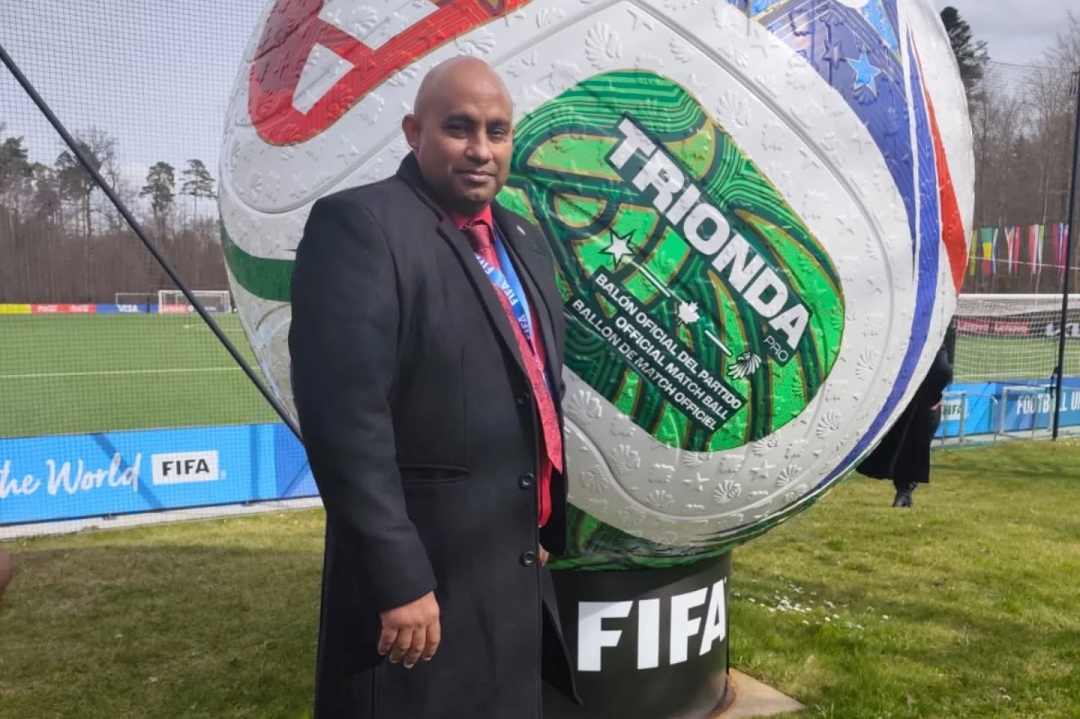
We await King’s selection but remarkably, a few days ago TTFA’s Media Officer grabbed my attention with public commentary that had me wondering who is in charge over at TTFA.
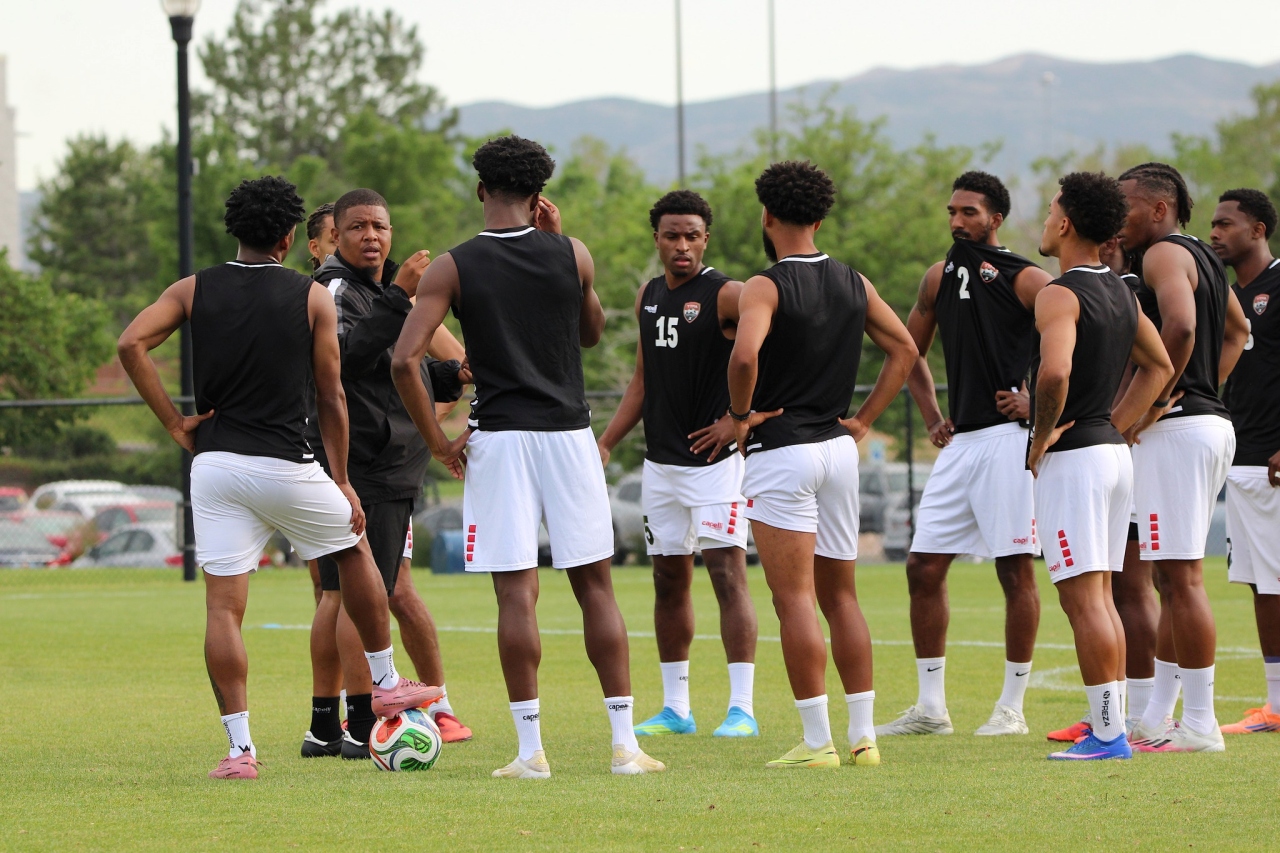
Photo: TTFA Media.
He wrote: “I do not expect Derek King to select a squad simply based on what his best starting 11 looks like. He is likely (to) think about who can play twice in a short period, who can come into the side without the level dropping too much, which positions need extra cover and which players give him flexibility.”
You might think me fussy, but public speculation by a media officer on any coach’s team selection is inappropriate and outside of normal professional protocols.
The media officer is the official voice of team management, not an independent journalist or pundit. His job is to manage official public communications, not to publicly express his opinions on the coach’s thought process.
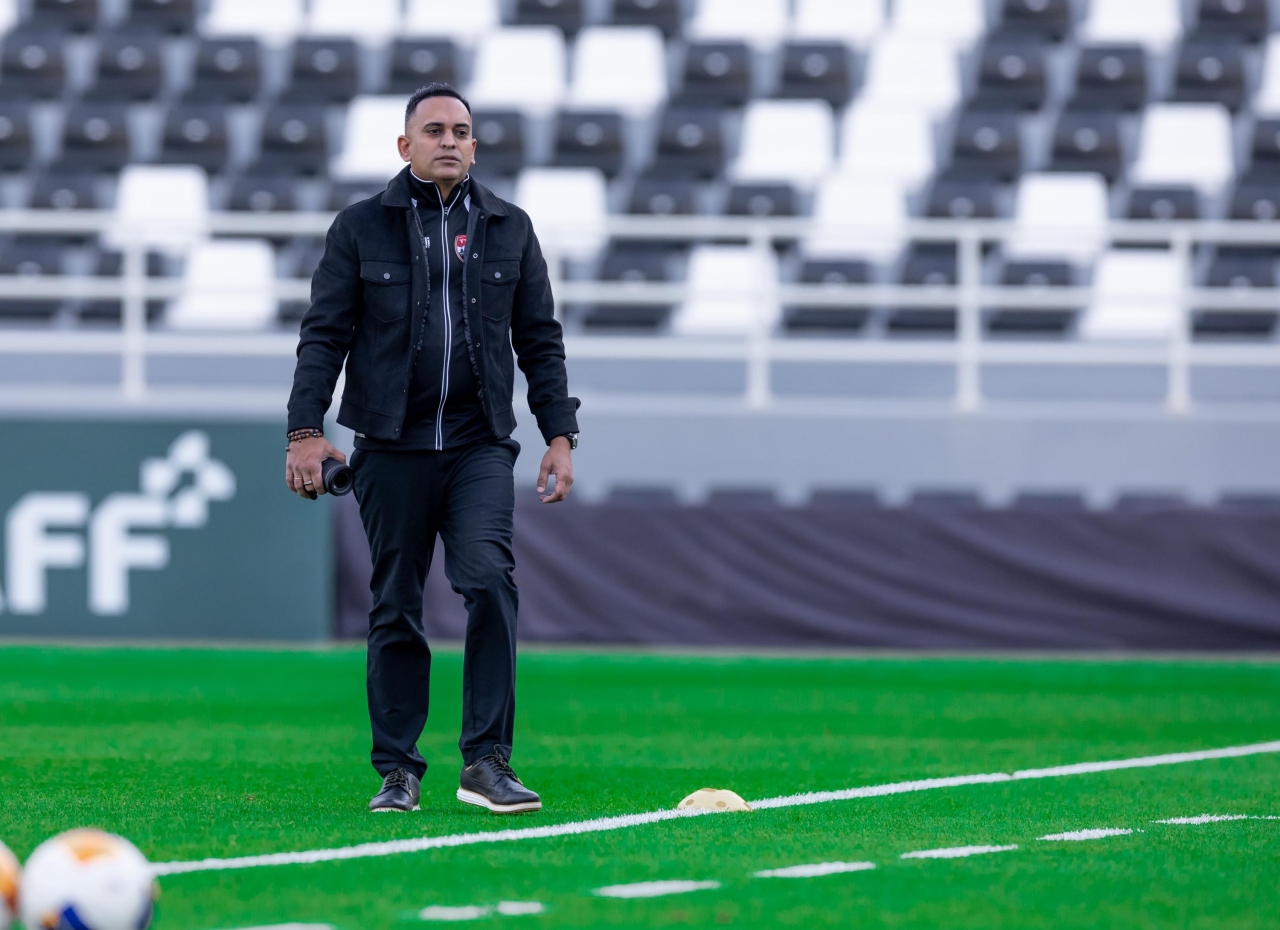
(via TTFA Media.)
Could you imagine the media officer (or even the president) of the Spanish or Moroccan federation commenting like this? Would such preemptive comments on a prime minister’s Cabinet selection by the functionary in charge of government communications be acceptable?
I cannot imagine King would be happy. And as a former national youth coach AND a former TTFA Board member I can tell you I would not tolerate it. But it reflects the state of dysfunction in TTFA.
King, for his own part, says: “we will be relying heavily on the overseas players. Having our top players available gives us confidence, because we believe we have a squad capable of competing at a very high level.”

Photo: Nicholas Bhajan/ Wired868.
Fair enough. A reasoned comment from the leader of the team. We await his selection.
The top two teams from each Nations League group advance to join the four seeded teams (Canada, Mexico, Panama and USA) in the two-legged home and away quarterfinals, from which the aggregate winners advance to the tournament semifinals.
For Trinidad and Tobago, passage out of Group A runs past Hispaniola. And it is more difficult than the passage to WC2026 where we had six matches and opportunity to steady the ship after a poor start (which we scorned).

Photo: Nicholas Bhajan/ Wired868.
We now have only four matches. We need at least four points from the first two matches—at least a draw on the road in Jamaica against Haiti and a must win at home to Dominicana—or the doubleheader against Curaçao becomes an academic exercise.
Fail at that task and the flagship sinks yet again. We shall soon see if King and his troops conquer Hispaniola or fall like Columbus did.
PS: TTFA, our national colours are red, white and black. Let the boys wear them.
“[…] A new coach may bring fresh ideas, different tactics, and renewed motivation—but if the underlying problems remain, how much Read more
“[…] Mr St Gary Rose speaks extensively about what complainants are not entitled to demand. Yet he provides considerably less Read more
“[…] Our responsibility is not to respond to the loudest voice, but to protect every child according to their individual Read more
“[…] In April 2025, Wired868 reported that TTFA safeguarding manager Gary St Rose said his department had handled 561 reported Read more
“[…] There are also concerns about statements reportedly made to players and/or during discussions with members of the football community, Read more
“[…] The safeguarding process belongs to the protection of the child and the proper management of risk—it does not belong Read more

Want to share your thoughts with Wired868? Email us at editor@wired868.com.
Please keep your letter between 300 to 600 words and be sure to read it over first for typos and punctuation.
We don’t publish anonymously unless there is a good reason, such as an obvious threat of harassment or job loss.

I am a very avid supporter of our national team football growth at all levels and both genders. From where we were over the years to where we are now leaves much to be desired. We certainly don’t lack individual talent but football (soccer) is a team sport . Mr. Dereck king with all due respect to him is not of the caliber to take our football to the next level. If Dwight with all the experience he has coupled with latas and other learnt coaching staff weren’t able then certainly King will not be able to gain such feat . Our national and local set up by TTFA is not good at all so to think that we can call back international players to fit into a poorly prepared local set up with a coach who lacks any international track record of success is doomed to fail. He was u able to win any match so far on his manager journey and it will be a tall order with these nations league matches. Every other nation is hiring an international coach with some level of success and also bringing with them structured development however we are moving backward with our development programs and the community leagues seems to be doing much more for the growth of our football. However with my critical analysis of where the team is at and where I wish we should be be I still am very much wanting to see our team do well and advance so I wish Mr King and his staff and the selected players all the best as our FIFA ranking depends on it as well as our success and to keep ourself in contention to qualify for the GOLD cup.
Somehow the reason, I still don’t trust Derek King at all tbh because he always finding a different way to put our senior men’s team down to the test. Who cares if he was interim, we had already lost 6 concetitive matches in a row under his leadership. Derek King is unprepared for this month’s Concacaf Nations League 2026-27. I heard that Spanish-based David Badia became new manager of Haiti last moth after Sebastian Migne’s departure to Gabon. But what did the TTFA do? He just backing Derek King for no reason rather than finding a permanent European coach. They spending too much money on these poor friendly matches like Louisville City FC. All the Pre-season & local-based players can’t lead Trinidad football at a top level, all of our local coaches in Trinidad and Tobago lack the ability of coaching not only our senior men’s team, but our international youth teams as well. Now what if Derek King call-up Pre-season/local-based players like Andre Rampersad, John Paul Rochford, Steffen Yeates, Daniel David, Noah Powder, Justin Garcia, Shervohnez Hamilton, Isaiah Lee, Kaihim Thomas, Alvin Jones, Jabari Brice, Christopher Biggette, Isaiah Garcia, Jesse Williams, Ryan Telfer, etc & they ended losing all 4 matches or at least 3??
Derek King is not the right person to lead the team, he just think he’s Angus Eve himself! This what upsets me! If we’re demoted to another League in this competition, we are not waiting for 2027 to replace him, we want him to be sacke/dismiss completely as of late 2026 meaning that his one year contract must be terminated! Even tho we avoid relegation, we still don’t want Derek King to remain as head coach ahead of 2027 Gold Cup prelims. Kieron Edwards is a traitor by sacking Dwight Yorke & appointed Derek King as full-time head coach instead of finding a top experienced manager! Not only that, he betrayed himself to let us down to the test. Derek King is a stranger to us despite having his roles as an assistant coach under Stephen Hart, Terry Fenwick, Angus Eve & Dwight Yorke. He even did not participate in the 2006 World Cup due to injury or something.
Why would the TTFA president do this to us?! He should be ashamed of himself! So as of today, this month’s major tournament will be Derek King’s last task & nothing else!
Like I said if our senior men’s team under his leadership relegated to League B in the Concacaf Nations league 2026-27, it’s over for his era! And Kieron Edwards must resign because he put us under pressure by failure to hire foreign-based coaches & the TTPFL dropped down! Every time Derek King is around, we are going backwards, not forward & it’s highly unlikely for him to guide Trinidad & Tobago to the Concacaf Nations League Quarter-finals. Don’t study Haiti & Curaçao’s defeats in the World Cup 2026, be aware of how well they played against top Nations like Morocco, Brazil, Scotland, Germany, Ecuador & Côte D’Ivoire Coast. Dick Advocaat remains as head coach of Curaçao, Sebastian Migne was no longer with Haiti, as David Badia taking charge as new head coach ahead of this month’s tournament. We must get an act together before it’s too late!
Sadly, I do not think King is up to the task of preparing a T&T squad at this level.
If I am wrong about that, then surely we should have seen enough by now to suggest otherwise. This is not a rookie being thrown into the deep end. King has been around the national programme for years—senior assistant under Stephen Hart, U-20 head coach, back into the senior setup as an assistant, caretaker in 2024, interim head coach again in 2026 and now, finally, permanent head coach.
That is not a lack of opportunity. It is practically a coaching apprenticeship conducted inside the national programme.
And that is where the bigger question starts.
Because if this job progression represents the culmination of all those previous roles under different coaches, then perhaps the problem is not simply the name listed on the FCMS team sheet as “Coach”.
Perhaps the Soca Warriors setup itself is the problem?
King was part of the system that produced some of our better recent results. He was also part of the system through the subsequent decline. He has now inherited that system and been given the keys. So what exactly are we expecting to change?
Can we pull this off? Sure.
We have good talent. Not great talent—but definitely good enough to compete at CFU level against anybody in the Caribbean basin, including the non-English-speaking ones.
But talent alone does not take you very far anymore. Systems do. And that is the thing we ain have.
There is another uncomfortable part of this conversation that we keep avoiding.
We have become increasingly dependent on recruiting foreign-born players to plug holes created by failures in our own development pathways.
Let me be clear: there is nothing wrong with embracing our pumpkin-vine sons and daughters. If somebody with a legitimate T&T connection was born, raised and developed overseas and wants to wear the red, white and black, why wouldn’t we welcome that?
But diaspora recruitment should be reinforcement, not the foundation of the national programme.
Because when foreign-born talent becomes the mechanism for filling fundamental gaps in local development, we are no longer solving the problem. We are outsourcing it.
And eventually you have to ask what exactly a “national” team is supposed to represent.
It should be the top of a pyramid.
Thousands of children playing. Hundreds being developed properly. Clubs producing players. Schools feeding clubs. A functioning domestic competition giving those players meaningful senior minutes. Coaches progressively developing them through age groups. And eventually, the best of them stepping into the national team.
Instead, we increasingly look abroad for players to compensate for what the pyramid at home is not producing.
That would be less embarrassing if the domestic players were being properly developed and paid to become professionals.
But some of our homegrown players are still eating biscuit and drinking pack juice on Pro League salaries and we are surprised when they cannot compete with players who have spent their formative years inside properly funded European, North American or South American systems.
That is not an indictment of the player. It is an indictment of the system.
You cannot expect a player to emerge fully formed from an environment that has never properly invested in forming him.
So yes, bring the pumpkin-vine Trinis. Embrace them all. Use every legitimate connection we have. But stop pretending that recruiting them is development.
It is recruitment. Development is what happens at home before you need to make that phone call. Dahs it. Dahs all. And other countries do that wok better than we.
And that brings us back to King.
Look Loy did not need to dust off Columbus and Hispaniola and DaSilva Form 1 North traumatic memories of 14 consecutive Tuesday and Thursday penance to make the point about Derek King. The more useful history lesson was sitting right there in King’s CV.
Senior assistant.
U-20 coach.
Senior assistant again.
Caretaker.
Interim.
Head coach.
After all those stops, if the national team still looks like a collection of players rather than a properly constructed team, then maybe we need to stop pretending the next coach is going to magically fix it.
At some point, the question has to move beyond who is coaching the Soca Warriors to what exactly is the system that is producing the Soca Warriors?
Because changing the man while preserving the machinery is not change.
It is just another rotation of the same wheel.