 Wired868 Wired868 for smart sport news and opinion
“[…] A strategic plan should not simply articulate where an organisation hopes to be in four years. It should clearly demonstrate how it intends to get there, what resources are available, who is responsible for implementation and how progress will be measured.
“Unfortunately, The Summit raises as many questions as it attempts to answer… The TTFA must explain how it intends to move from its current financial and administrative position to the professional standards outlined in the document…”
The following Letter to the Editor, which seeks to address potential blind spots in the Trinidad and Tobago Football Association’s supposed roadmap for progress, The Summit, was submitted to Wired868 by The Independent Observer:
The Trinidad and Tobago Football Association (TTFA) has launched its latest strategic plan, The Summit: Pathway to Sustainable Football Excellence 2026–2030, presenting an ambitious vision for the transformation of football in Trinidad and Tobago.
The 58-page document outlines 23 strategic priorities covering: governance, youth development, national teams, women’s football, infrastructure, safeguarding, commercial development and financial sustainability.

At first glance, the plan appears comprehensive. It speaks to many of the structural deficiencies that have affected our football for years.
There are commitments to establish 10 active youth national teams, develop five high performance centres, construct 16 football-specific community venues, professionalise women’s football and strengthen administrative accountability.

(via TTFA Media.)
These are objectives that anyone genuinely interested in the advancement of Trinidad and Tobago football would welcome.
However, having examined the document, one cannot help but question the significant gap between what is being promised and the operational and financial realities currently facing the association.
A strategic plan should not simply articulate where an organisation hopes to be in four years. It should clearly demonstrate how it intends to get there, what resources are available, who is responsible for implementation and how progress will be measured.
Unfortunately, The Summit raises as many questions as it attempts to answer.

Photo: Nicholas Bhajan/ Wired868.
Perhaps the most significant concern surrounding The Summit is the absence of a comprehensive, costed financial framework.
The TTFA proposes 16 football-specific community venues, five high performance centres, 10 year-round youth national teams, quarterly overseas training and competition, expanded coaching programmes, and the eventual establishment of the Caribbean’s first professional women’s football league.
These initiatives require substantial and sustained financial investment.

Photo: TTFA Media.
Yet where are the projected costs? What funding has already been secured? How much is expected from Fifa, Concacaf, government allocations, corporate sponsorship and internally generated revenue?
What are the annual operating costs associated with maintaining these programmes, and what contingency arrangements exist if projected revenue does not materialise
The document discusses commercial sustainability and sponsorship growth, but anticipated revenue cannot be treated as guaranteed funding. Without a clearly defined financial implementation framework, how can the membership reasonably assess whether these commitments are achievable?
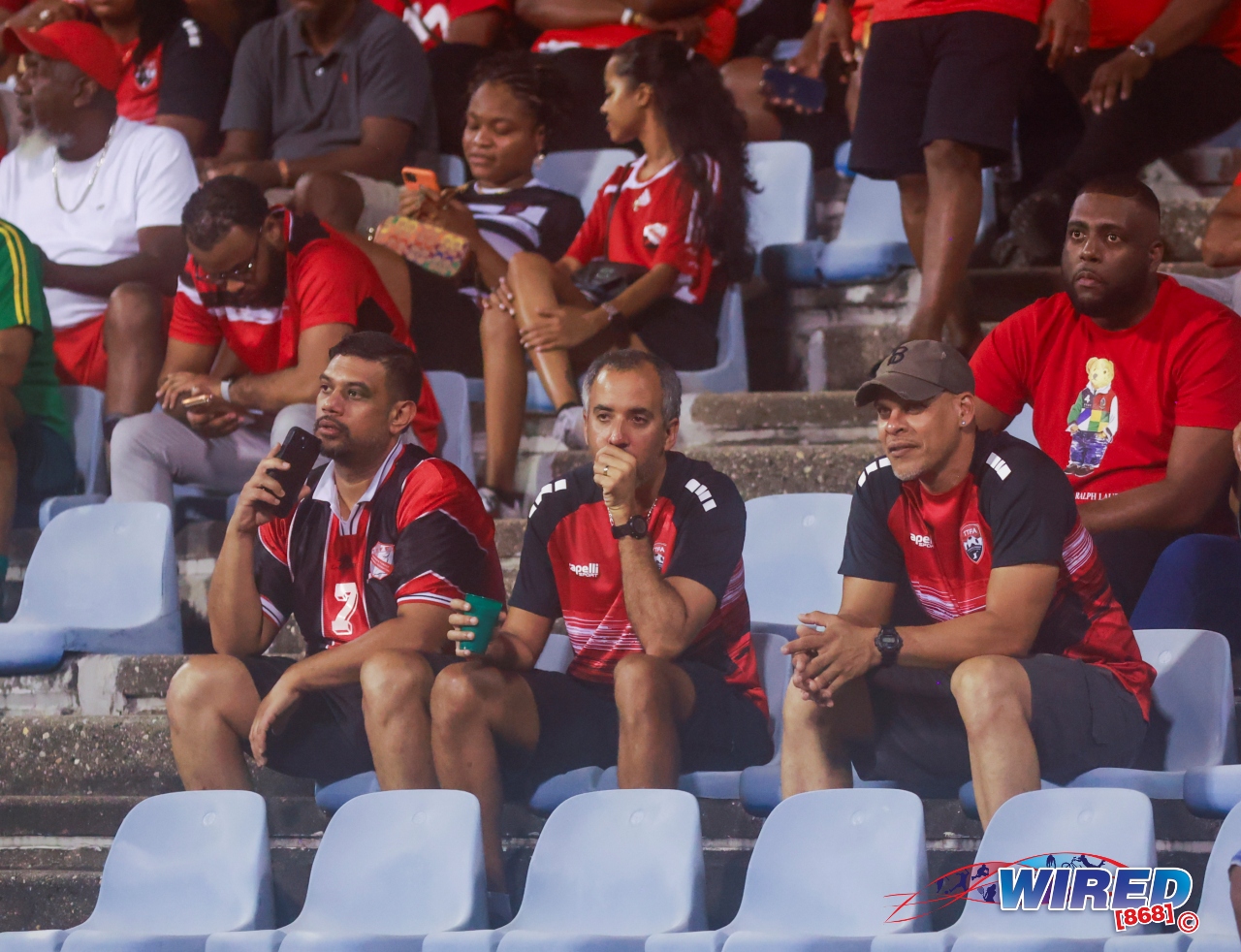
Photo: Nicholas Bhajan/ Wired868.
Even more concerning are the outstanding financial obligations reportedly owed to individuals who have already served Trinidad and Tobago football.
Information confirmed by individuals directly affected indicates that players and staff from the last Senior Women’s National Team campaign are still awaiting payments. Additionally, salaries reportedly remain outstanding to staff who served in the previous girls’ High Performance programme.
These are not individuals seeking future opportunities or requesting additional benefits. They are people who have already performed their duties and contributed to the national football programme.
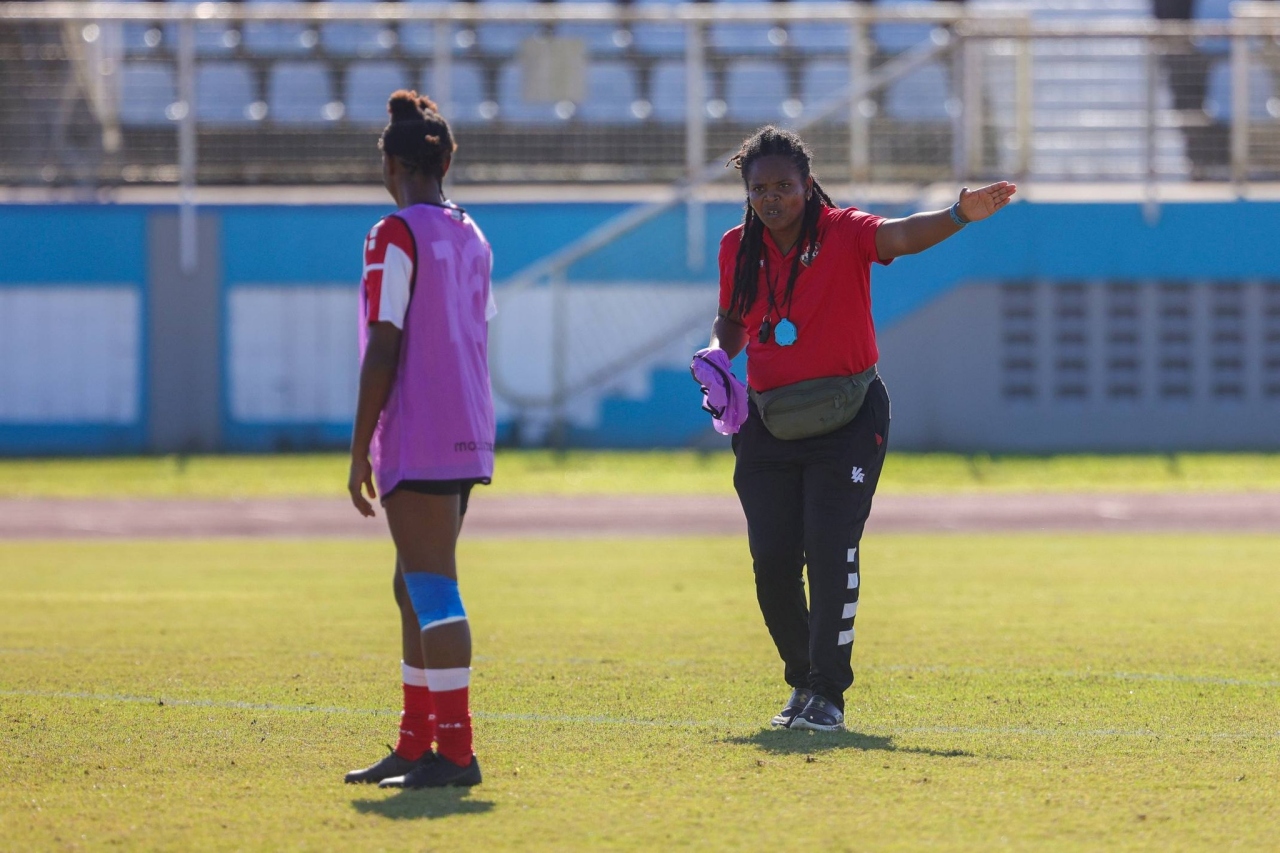
Photo: TTFA Media.
Their time was committed, their responsibilities were fulfilled, and their contributions formed part of the very developmental structures the TTFA now proposes to expand.
This raises an obvious question. How can an organisation announce plans to establish five new high performance centres when staff from its previous girls’ High Performance programme are reportedly still awaiting their salaries?
How can it promise improved player welfare, minimum stipends and professional standards for women’s football when players and staff from its Senior Women’s National Team are reportedly still owed money?
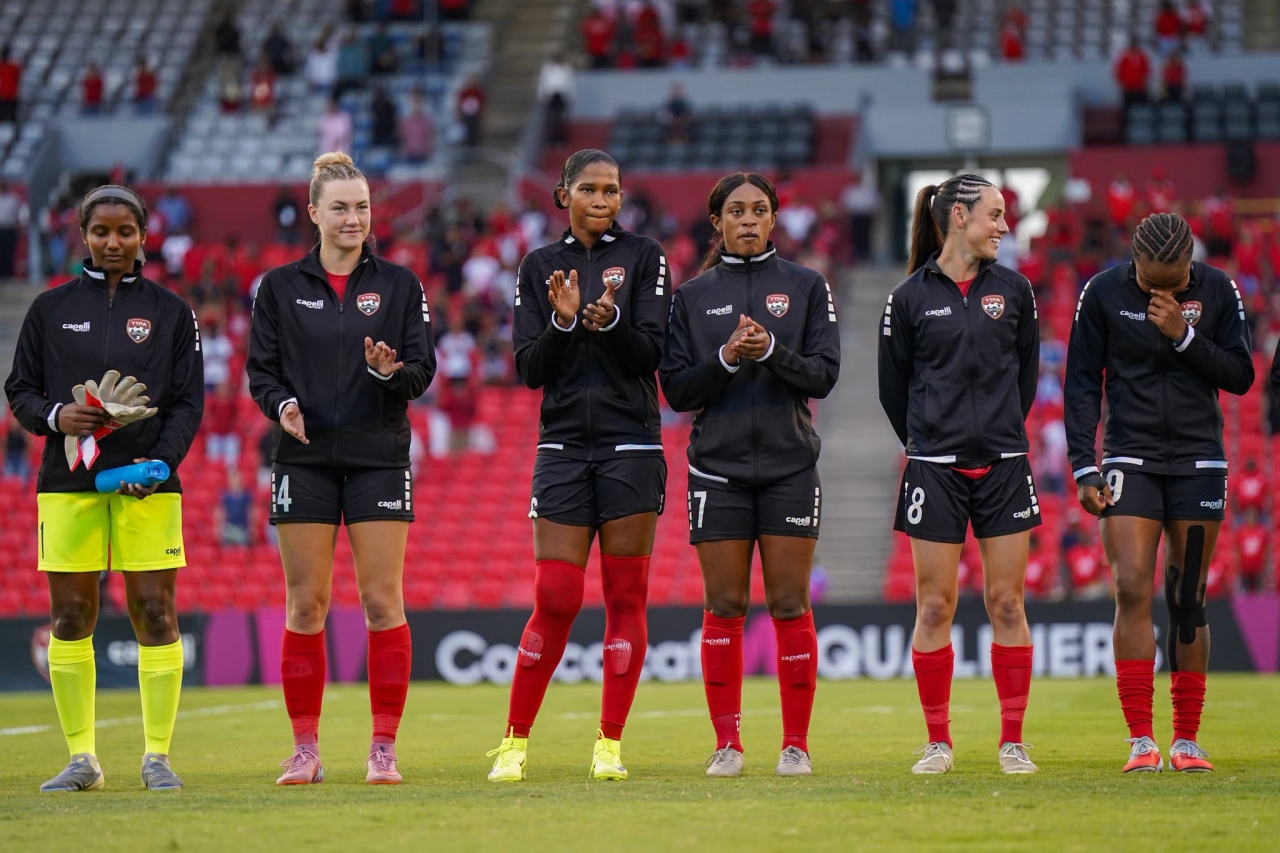
Photo: TTFA Media.
Where are these outstanding liabilities reflected in the financial planning for The Summit?
What arrangements have been made to settle these payments, and when can those affected reasonably expect to receive what is owed?
The TTFA should be given the opportunity to clarify these matters, including whether the amounts are disputed and what payment arrangements, if any, are in place.
Photo: SSFL.
Financial sustainability cannot begin with the announcement of new programmes while existing financial obligations remain unresolved. Before promising a financially sustainable future, the association must demonstrate that it can responsibly honour the commitments it has already made.
Peak 3 of The Summit, titled National Youth Teams, makes a particularly significant commitment.
The TTFA proposes 10 national youth teams, comprising boys and girls at U14, U16, U17, U20 and U23 levels—all operating year-round with monthly training camps and international competition exposure.
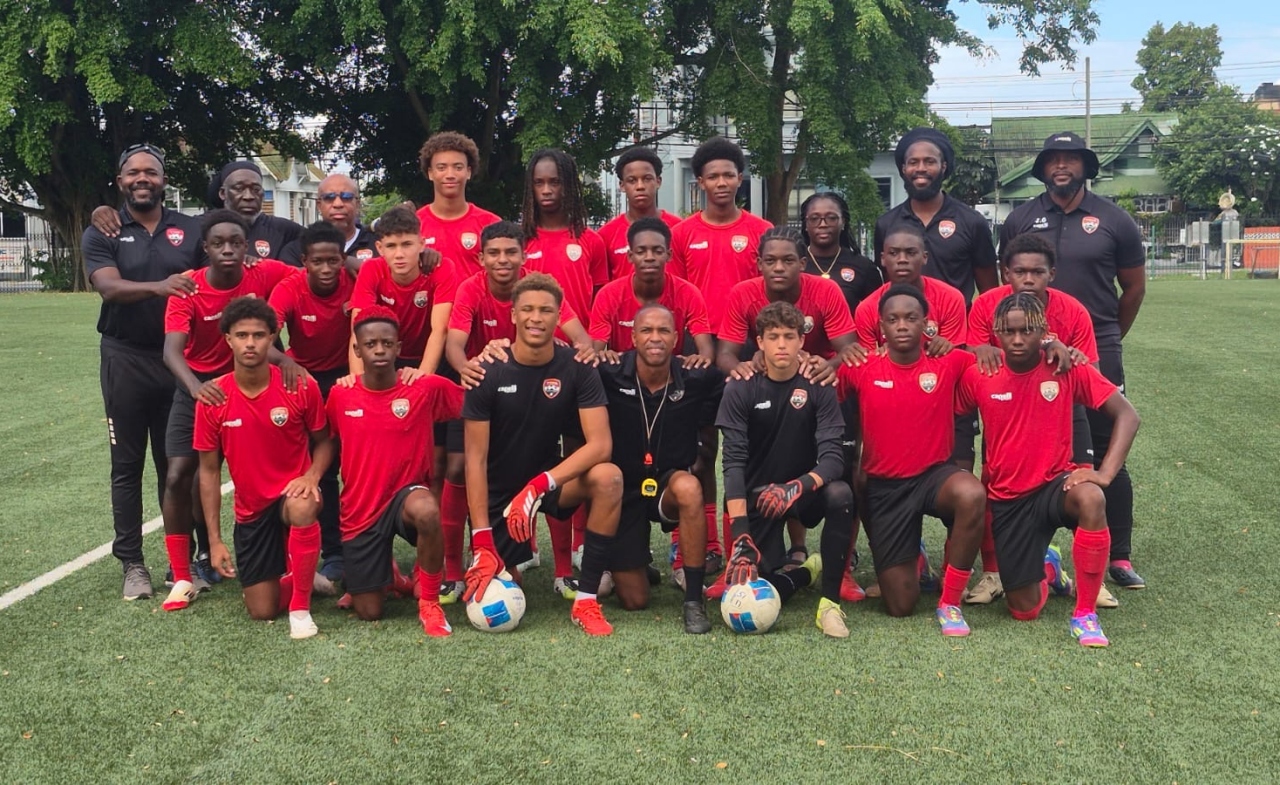
The document further identifies participation in international events by all 10 teams as a Year 1 milestone. This is an important commitment, particularly for women’s football.
However, serious questions have already been raised regarding Trinidad and Tobago’s participation in the upcoming Concacaf U17 Women’s competition.
What is the official status of Trinidad and Tobago’s participation? Was the country registered for the competition? Was it eligible to participate? If participation is no longer proceeding, what decision was taken, by whom, and on what grounds?

Photo: Daniel Prentice/ Wired868.
If financial constraints are affecting participation, this should be communicated transparently, rather than leaving players, parents and stakeholders to speculate.
These questions are especially relevant when the association has just publicly committed to providing international competition exposure for every youth national team.
How does the TTFA intend to finance quarterly overseas training and competition for 10 youth teams if concerns already exist regarding the funding of an upcoming international competition?

Photo: Nicholas Bhajan/ Wired868.
The development of women’s football cannot begin and end with grassroots programmes and domestic leagues. There must be a continuous pathway through youth national teams and ultimately into senior international football.
Young female footballers dedicate years to their development—often balancing academic responsibilities, demanding training schedules and significant personal sacrifices.
For many, international competition also provides exposure that may assist with educational and sporting opportunities abroad. When those opportunities are lost, they cannot simply be restored in another year. Age eligibility changes, recruitment windows close, and entire generations can miss critical stages of development.
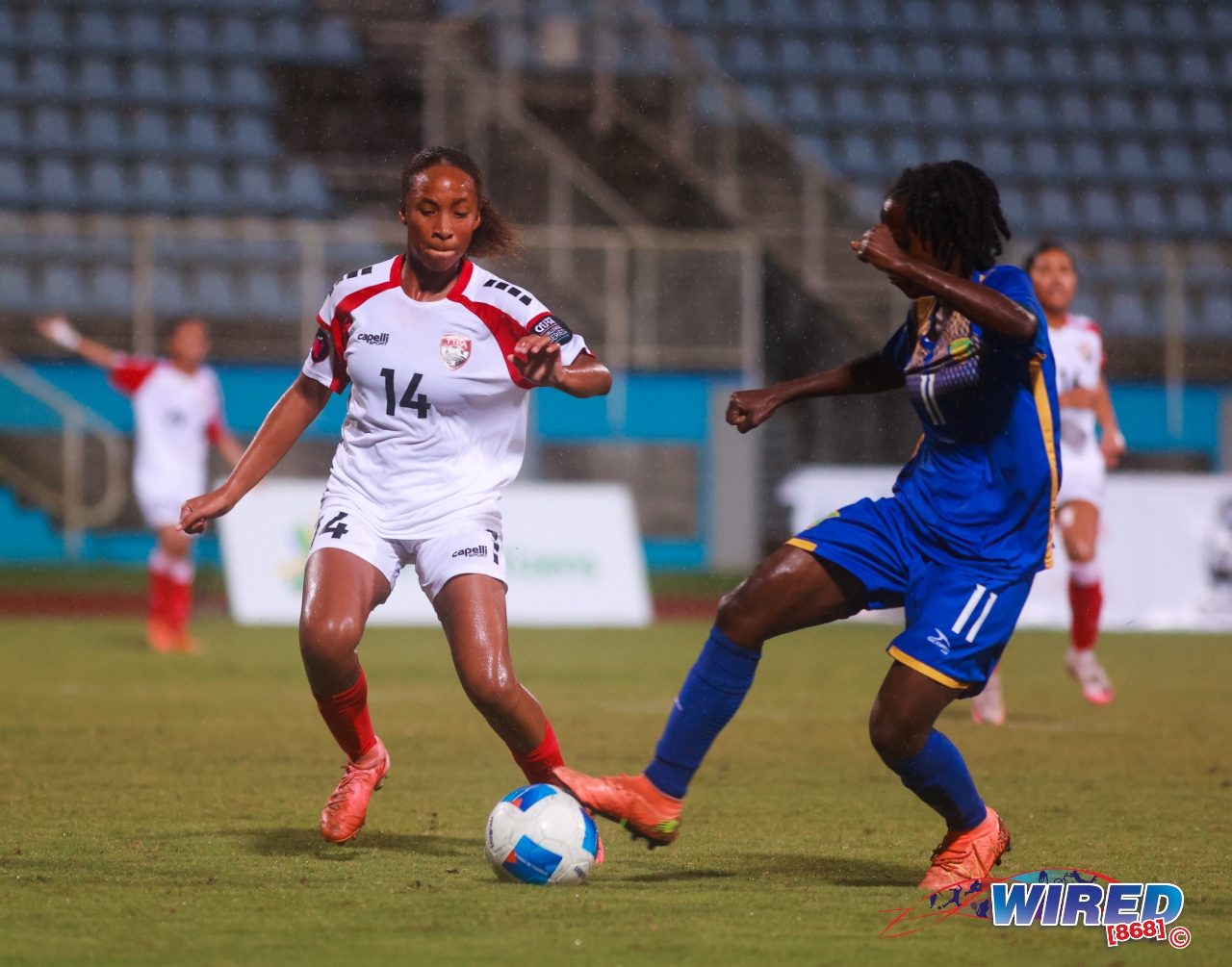
Photo: Nicholas Bhajan/ Wired868
A pathway that does not consistently provide access to international competition risks becoming a pathway with no destination.
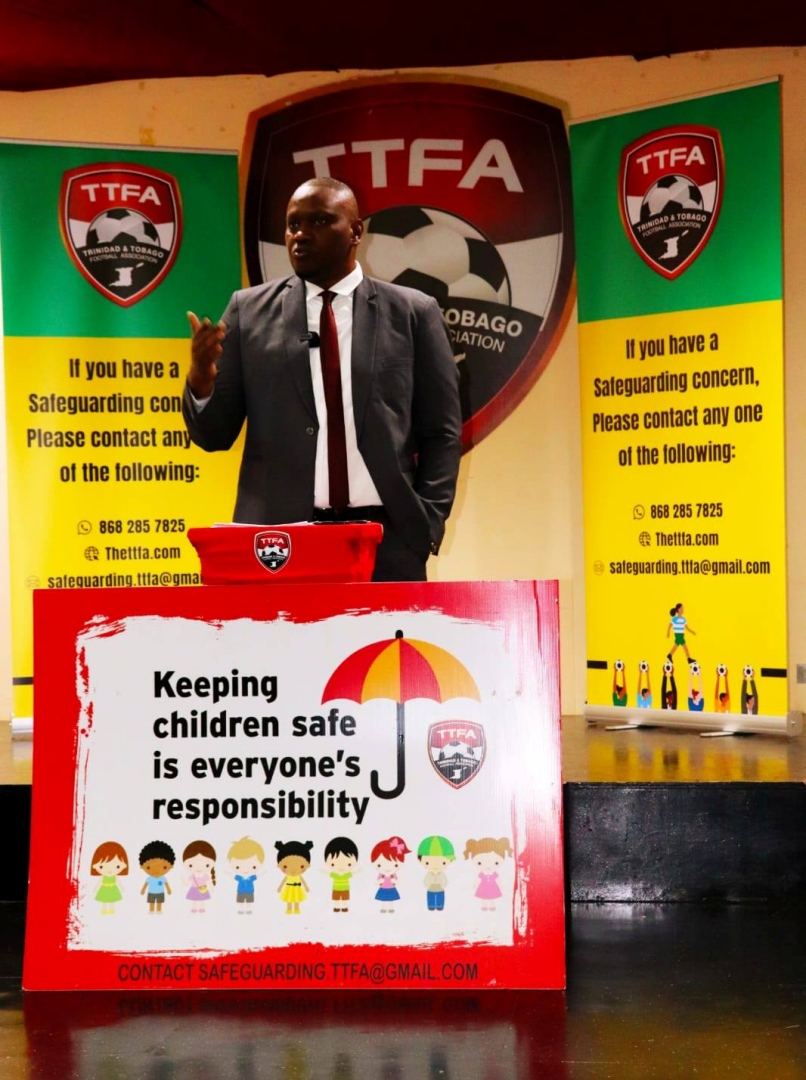
Another area that deserves considerably greater scrutiny is safeguarding.
The Summit identifies safeguarding training, compliance and child protection standards among its development priorities. These commitments are necessary, particularly for an organisation responsible for children participating in national and grassroots programmes.
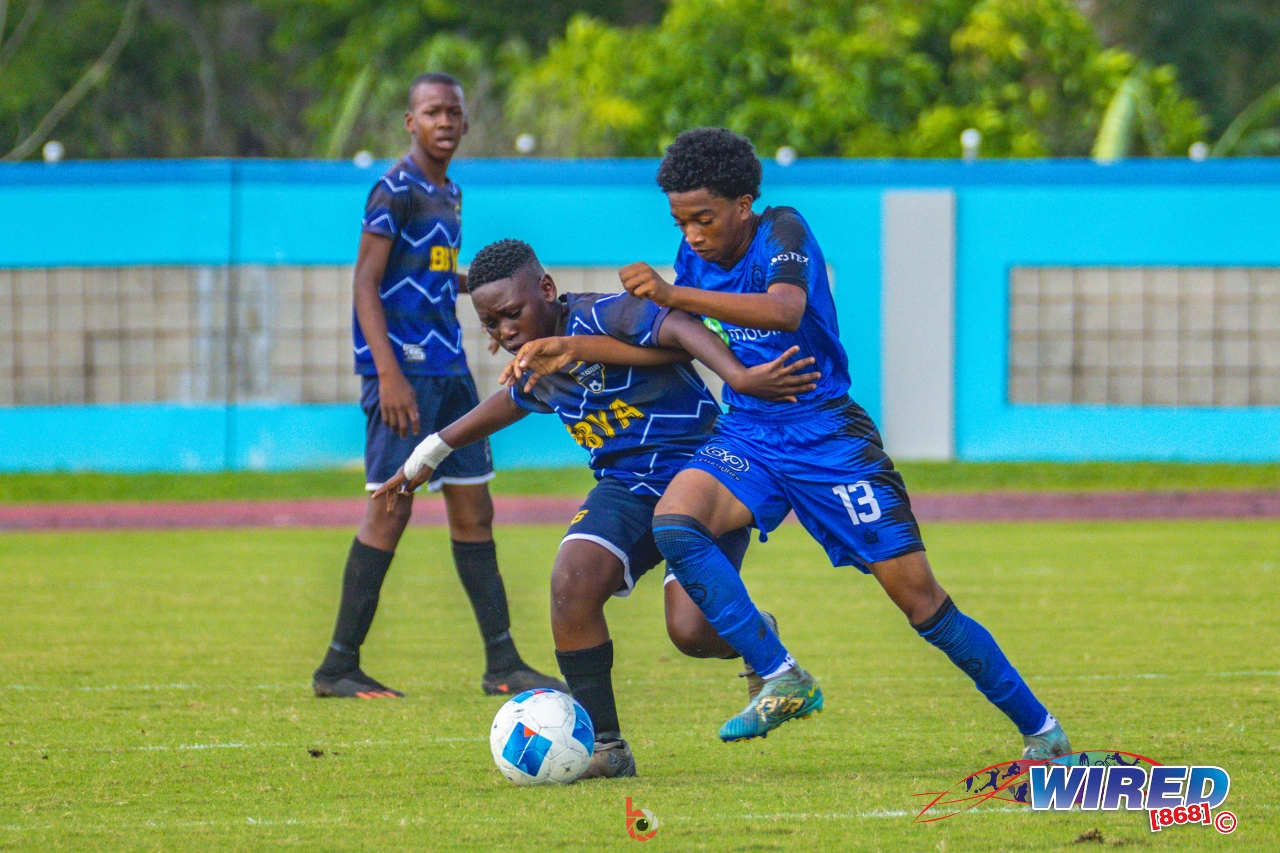
Photo: Dirk Allahar/ BCreative Designs/ Wired868.
However, the document provides limited detail regarding the independent mechanisms through which safeguarding compliance will be assessed and enforced.
Who investigates safeguarding complaints involving TTFA personnel? What safeguards exist to prevent conflicts of interest? What are the established timelines for responding to complaints?
What recourse is available to parents who believe their concerns have not been adequately addressed? And who holds the TTFA itself accountable when questions arise about its own compliance with safeguarding procedures?
(via TTFA Media.)
These are not hypothetical administrative questions. Recent concerns raised publicly by parents have already placed the association’s safeguarding practices under scrutiny.
There is a fundamental difference between promoting a safeguarding system and demonstrating that the organisation consistently follows that system.
Safeguarding should never be selective, nor should it be used as an administrative weapon against individuals. Its purpose is to protect children, ensure fair procedures and establish accountability, regardless of who is involved.

Photo: Nicholas Williams/ Wired868.
An organisation cannot credibly demand compliance with safeguarding standards from clubs, coaches and other stakeholders without being prepared to demonstrate that those same standards are consistently applied within its own operations.
Training programmes and safeguarding certification are important. However, they cannot substitute for transparent complaint procedures, independent oversight and the consistent application of child protection protocols.
If safeguarding is to be a meaningful part of The Summit, its implementation must be measurable, independently reviewable and demonstrably effective.

Photo: Nicholas Bhajan/ Wired868.
Peak 1 of the strategic plan focuses on internal administration and governance, promising a modern, efficient, transparent and professionally operated football association.
The document identifies several milestones, including improved staffing, governance compliance, administrative modernisation and annual accountability reporting.
However, important questions remain about the mechanisms through which these commitments will be delivered.
Who has direct responsibility for implementing each of the 23 strategic priorities? What are the approved budgets for each programme? Will progress reports be published quarterly or annually?
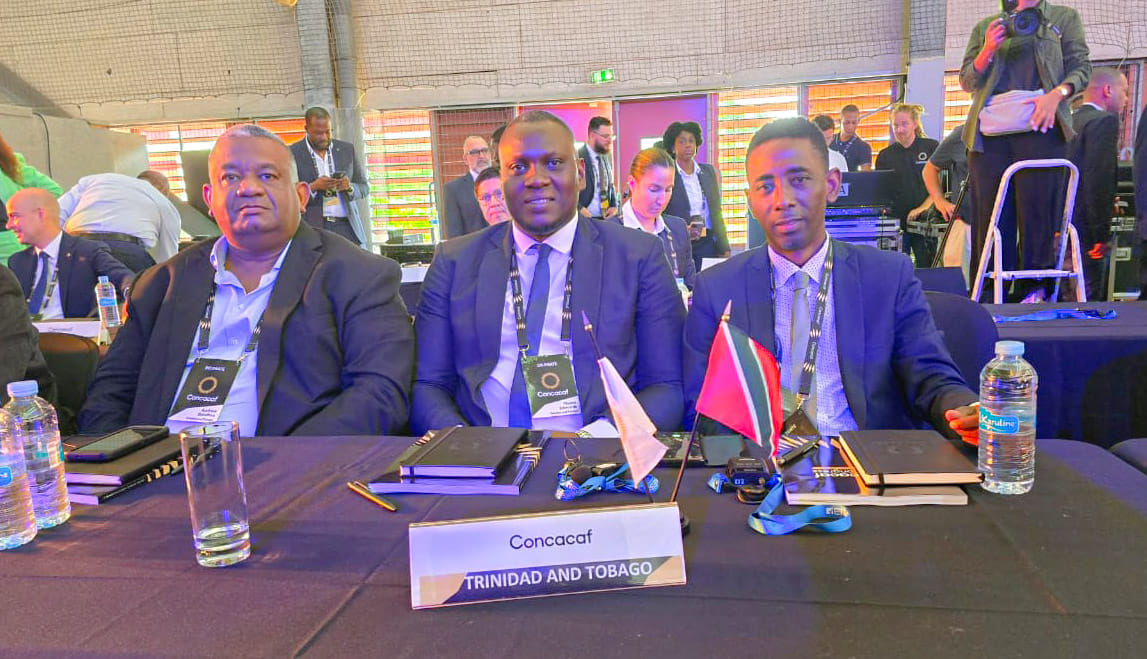
(via TTFA Media.)
Will the membership have access to independently verified financial information and implementation assessments? What happens when milestones are missed, programmes are delayed or financial commitments are not honoured?
And who determines whether the association has successfully met its stated objectives?
A strategic plan containing performance indicators is useful, but performance indicators alone do not create accountability.

(via TTFA Media.)
There must be a transparent process through which progress is independently assessed, shortcomings are identified and corrective action is required. Otherwise, success becomes something the organisation declares rather than something it demonstrates.
Peak 7 proposes transforming the Trinidad and Tobago Women’s League Football into the Caribbean’s first sustainable professional women’s league within four years.
The plan identifies minimum player stipends, medical support, travel standards, nutrition support, club licensing and improved player welfare among its proposed initiatives.
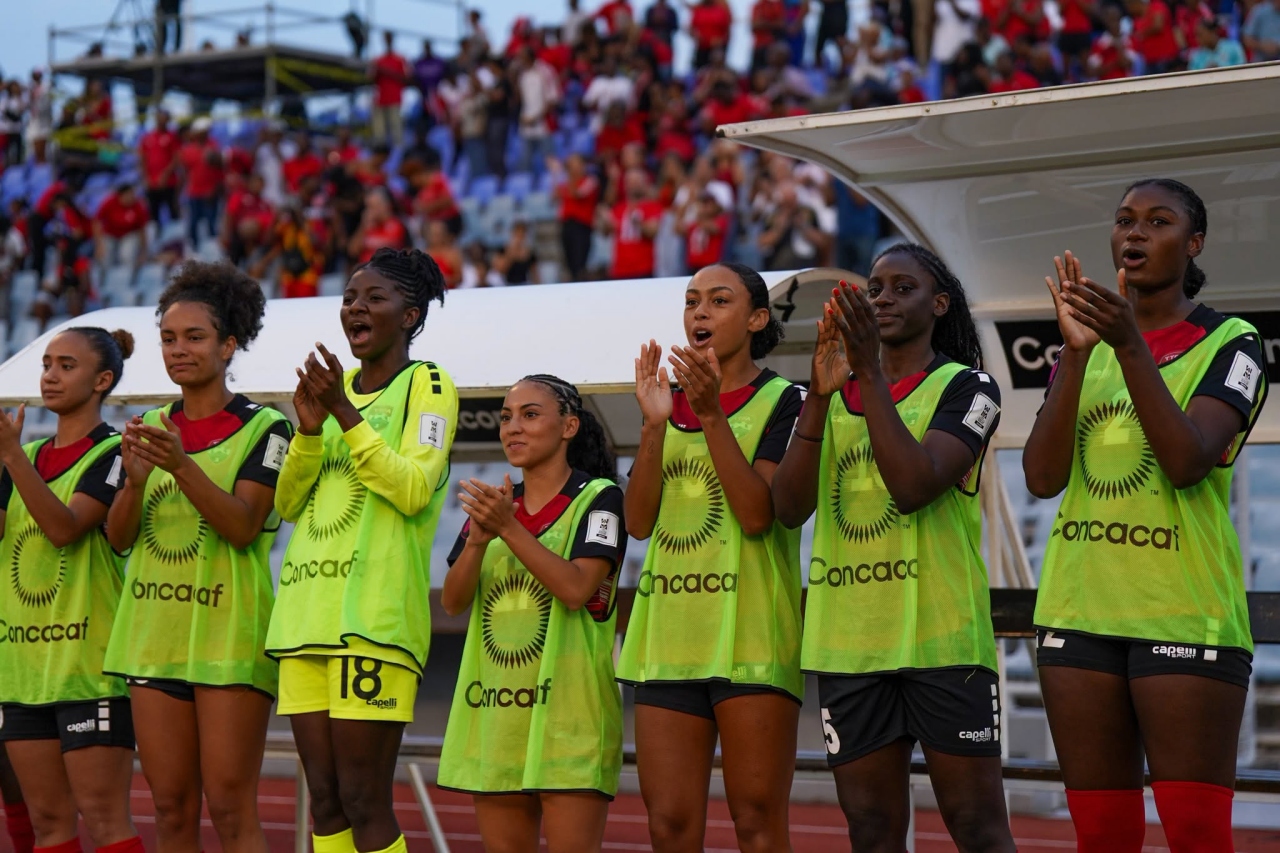
Photo: TTFA Media.
These are encouraging objectives. However, professionalisation requires far more than the introduction of a league structure or the announcement of financial incentives. It requires consistent administration, enforceable financial commitments, properly resourced clubs and reliable player welfare arrangements.
If existing national team personnel and High Performance staff are still awaiting outstanding payments, how will the association ensure that similar situations do not arise within a proposed professional women’s league?
What financial guarantees will exist for participating clubs and players? How will minimum stipends be funded and enforced? What independent mechanisms will protect players when contractual or financial obligations are not met?

Photo: TTFA Media.
The TTFA must explain how it intends to move from its current financial and administrative position to the professional standards outlined in the document.
Without that clarity, the proposed professionalisation of women’s football remains an ambition rather than an adequately explained implementation strategy.
There is nothing wrong with ambitious planning. Trinidad and Tobago football desperately needs sustainable structures, stronger governance, improved youth development and greater investment in women’s football.

(via TTFA Media.)
However, long-term planning cannot become a substitute for addressing immediate responsibilities.
It is relatively easy to announce what an organisation intends to accomplish by 2030. The more difficult responsibility is demonstrating that its present administrative decisions are consistent with those promises.
How does the association commit to expanded international participation while questions remain about the U17 Women’s programme? How does it promise new high performance centres while concerns remain about salaries owed under a previous programme?

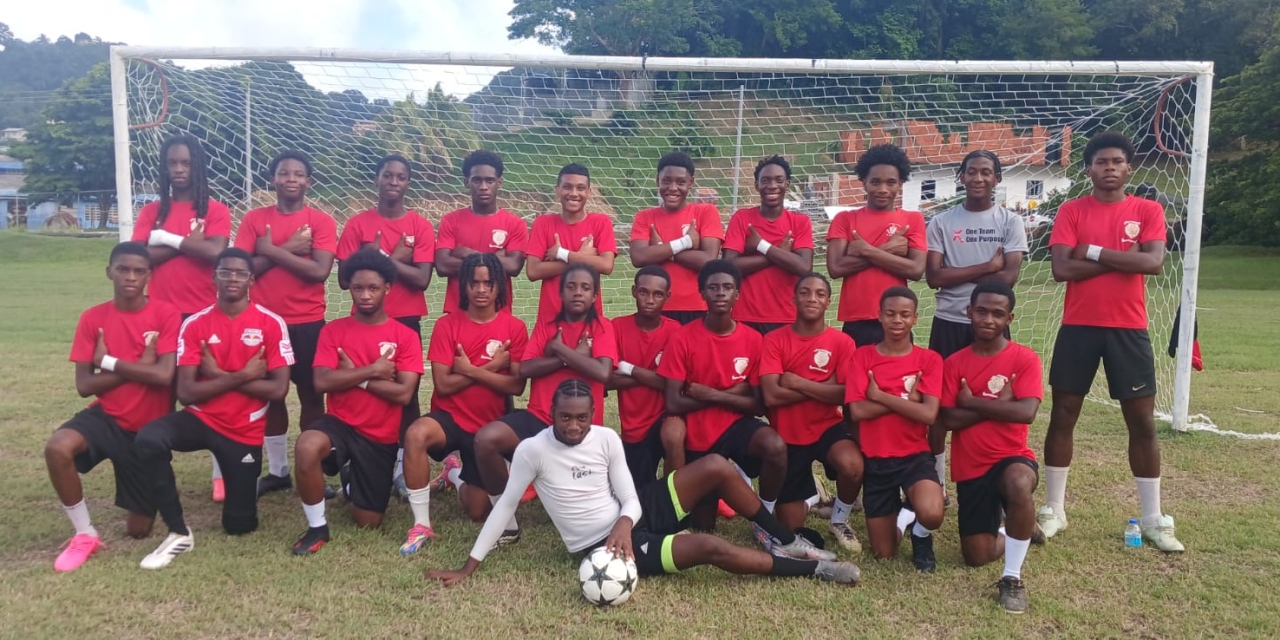
Trinidad and Tobago had their best ever showing at a Concacaf U-15 Championship in 2023 with wins over Costa Rica and Qatar.
In three boys’ youth tournaments over the past year, Trinidad and Tobago lost to Barbados and Haiti, and drew with Bermuda and French Guiana.
Photo: Daniel Prentice/ Wired868.
How does it promote improved player welfare while questions remain about payments to senior national team personnel? How does it champion safeguarding without clearly identifying the independent mechanisms through which its own compliance will be scrutinised?
And how does it promise financial sustainability without presenting a comprehensive, costed implementation framework?
These questions are not intended to dismiss the objectives of The Summit. They are intended to establish whether the plan is supported by the financial resources, administrative capacity and accountability arrangements necessary to deliver its promises.
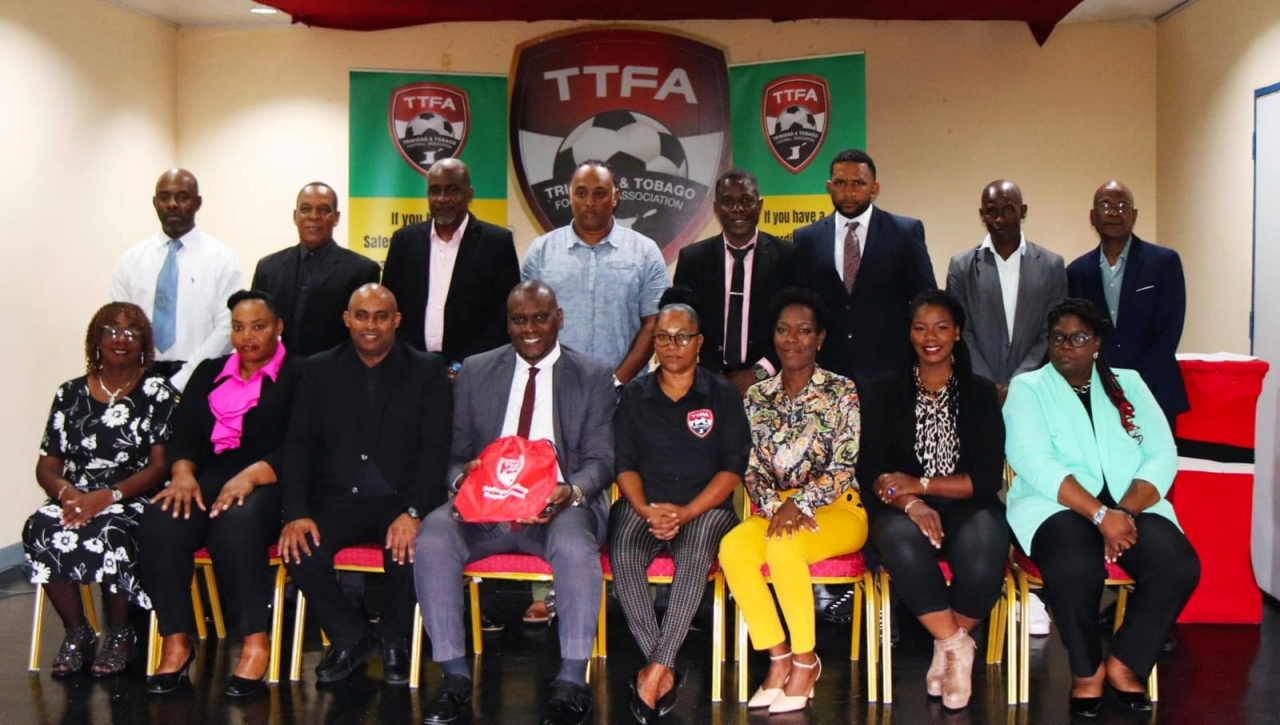
(via TTFA Media.)
The TTFA membership, clubs, coaches, players and parents are not merely spectators in this process. They are the stakeholders whose participation, commitment and resources will ultimately determine whether this strategic plan succeeds.
They deserve access to the financial assumptions, implementation schedules, risk assessments and accountability arrangements underpinning the document. They also deserve clarity on the association’s existing obligations and the immediate steps being taken to address them.
A strategic plan should be open to scrutiny. Constructive questioning should be welcomed as an essential component of good governance, not interpreted as opposition to development.

Photo: Troy Taormina-Imagn Images.
The true measure of The Summit will not be the number of strategic priorities it contains, the ambition of its targets or the presentation surrounding its launch.
It will be measured by whether those commitments translate into meaningful opportunities for players, reliable support for coaches and staff, effective protection for children, and genuine accountability throughout the organisation.
The TTFA has presented its vision for reaching the summit. Now it must demonstrate that it has the financial resources, administrative capacity, transparency and accountability required to make the climb.

(via TTFA Media.)
That begins not with promises about 2030, but with addressing the obligations, unanswered questions and responsibilities that exist today.
Because for the young footballers whose opportunities are being determined now, and for the players and staff still seeking answers about outstanding payments, a strategic vision means very little without action.

“[…] The TTFA could work with clubs, academies, parents and relevant child-protection stakeholders to review its youth-team travel standards and Read more

“[…] A new coach may bring fresh ideas, different tactics, and renewed motivation—but if the underlying problems remain, how much Read more
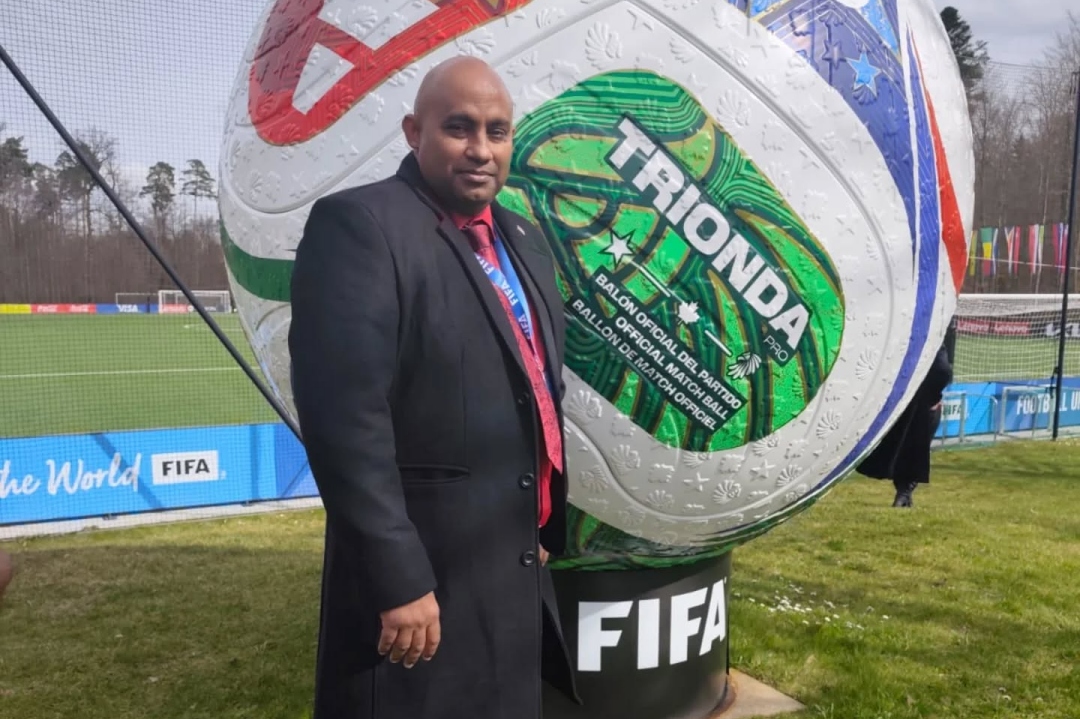
“[…] Mr St Gary Rose speaks extensively about what complainants are not entitled to demand. Yet he provides considerably less Read more

“[…] Our responsibility is not to respond to the loudest voice, but to protect every child according to their individual Read more
“[…] In April 2025, Wired868 reported that TTFA safeguarding manager Gary St Rose said his department had handled 561 reported Read more
“[…] There are also concerns about statements reportedly made to players and/or during discussions with members of the football community, Read more

Want to share your thoughts with Wired868? Email us at editor@wired868.com.
Please keep your letter between 300 to 600 words and be sure to read it over first for typos and punctuation.
We don’t publish anonymously unless there is a good reason, such as an obvious threat of harassment or job loss.