 Wired868 Wired868 for smart sport news and opinion
December will soon be upon us, and with that will come various hamper drives, toy drives and charitable children’s Christmas parties.
These are all commendable initiatives. And in the current economic times, much needed—as many households struggle to make ends meet. The economy contracted by 0.5 percent in 2025, and both the Ministry of Finance and World Bank are projecting contractions in real output in 2026.
Times are hard. And in hard times, simple acts of kindness go a long way.

(via iStockphoto.)
As a child, growing up in very humble circumstances, I often looked forward to the annual Christmas party hosted by the local Anglican church. Kids appreciate these treats—for some, it may be the only Christmas present for the season.
That said, looking back on this now, I rarely remember the specifics of those gifts. What I do remember, is what I call the ‘gift of empowerment’.
Throughout the year, my community supported me to attend school and provided external motivation that many young people often need. Many simply chose to be present as opposed to buy a present. The gift of empowerment.
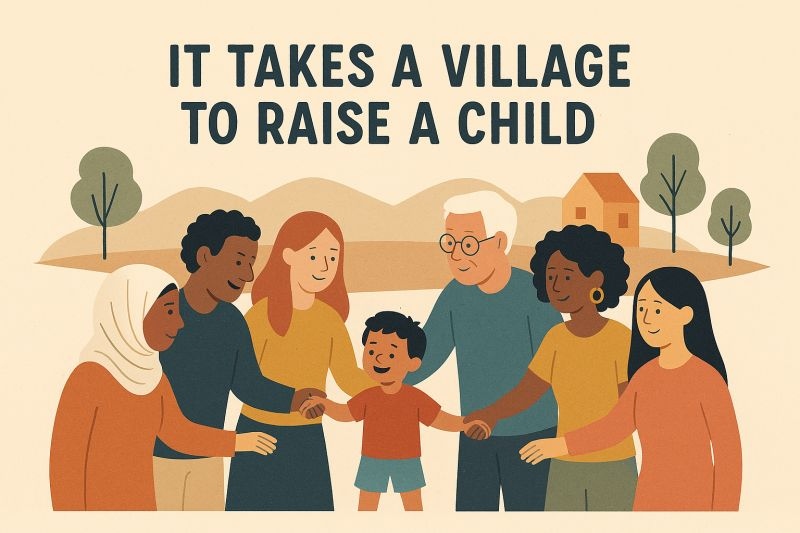
And the education system was instrumental too. At no point in my academic journey did I pay for tuition. Yet, I have been privileged to be born/raised in Morvant and have gone on to earn degrees from the London School of Economics and Political Science and Oxford University.
A solid Trinidad and Tobago public education system, including five formative years at Success Laventille, with dedicated teachers provided me the gift of empowerment.
I reflect on this now as, from observation, it appears as though giving has become increasingly focused on helping in the now, and less so on the gift of empowerment for the future.
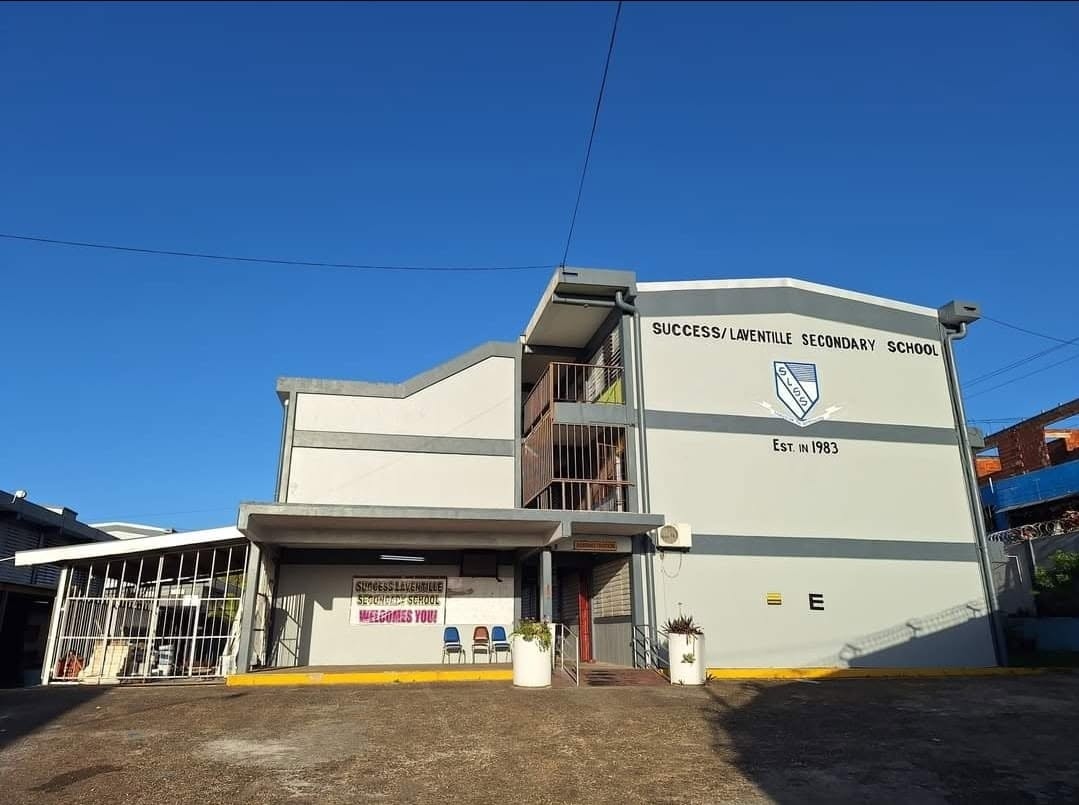
(via Success Laventille Secondary Alumni.)
Giving a man a fish is important, and at times necessary—teaching a man to fish is transformational. Sadly, it seems the need for a fish has expanded, but not the capacity to fish for oneself. The data show this in two ways.
First, the economy has failed to transform in a way which empowers more people. Data from the 2011 census showed that 600,000 in T&T were employed. The most recent labour force survey for the first quarter of 2026 estimates that 564,000 were employed.
The population and economy have grown in those 16 years, yet fewer people are employed. Fewer employed suggest fewer families who are able to make ends meet.
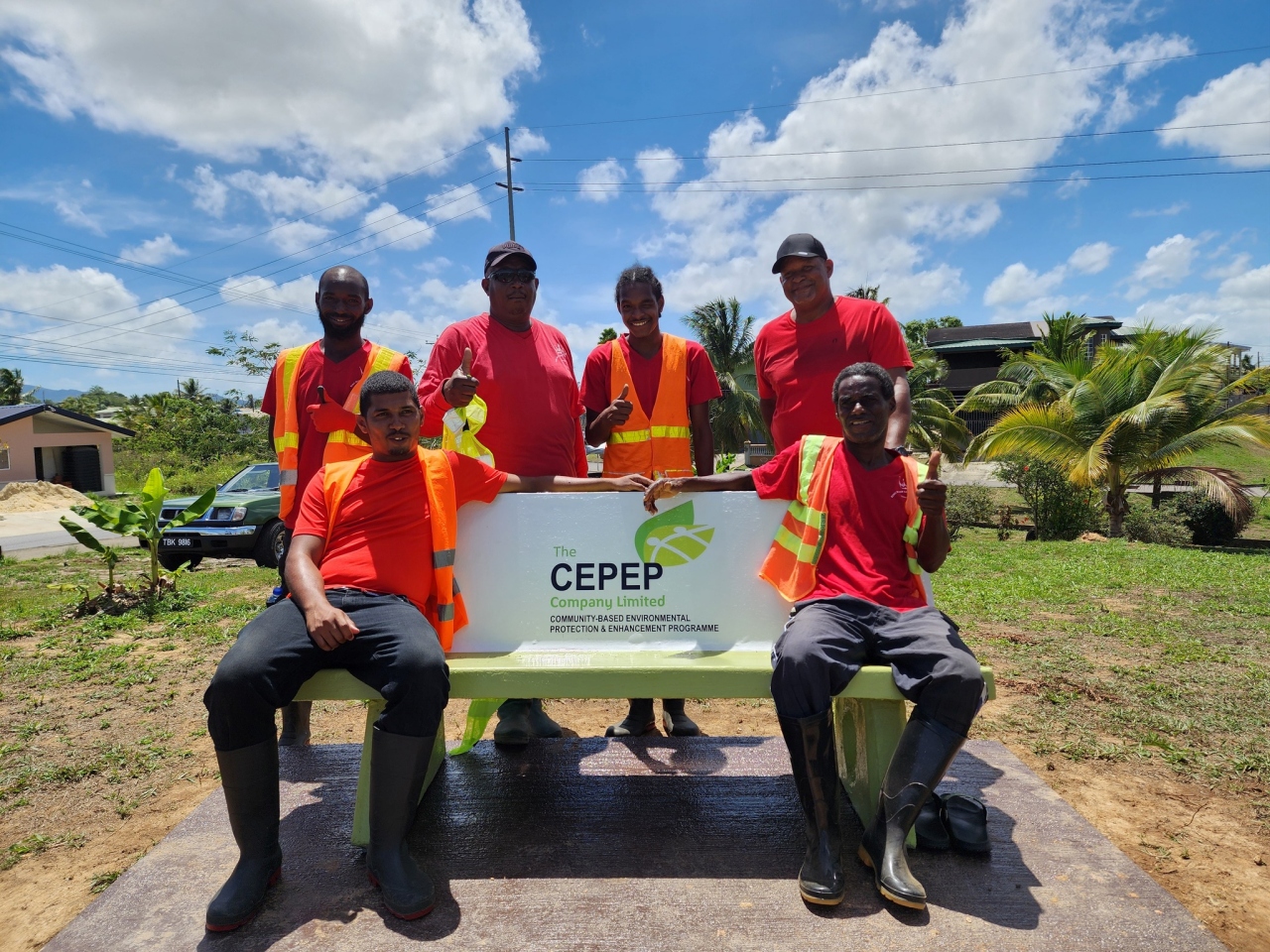
Photo: Cepep.
Data from the 2025 UN Report on the State of Food Insecurity aligns with this and shows that the share of the T&T population unable to afford a healthy diet increased from 31.5 percent in 2017 to 36.8 percent in 2024.
The 2025 Multidimensional Child Poverty Analysis conducted by UNICEF estimated that 35.7 percent of children aged 0–17 are multidimensionally poor, meaning they are deprived in at least two dimensions of well-being at the same time.
Second, systems of education and training are regressing. The 2026 World Bank Human Capital Report showed that among all high-income countries, Trinidad and Tobago had the largest decline in average learning outcomes between 2010 and 2025. Bear in mind the proliferation of paid extra lessons and private tutoring over this period.
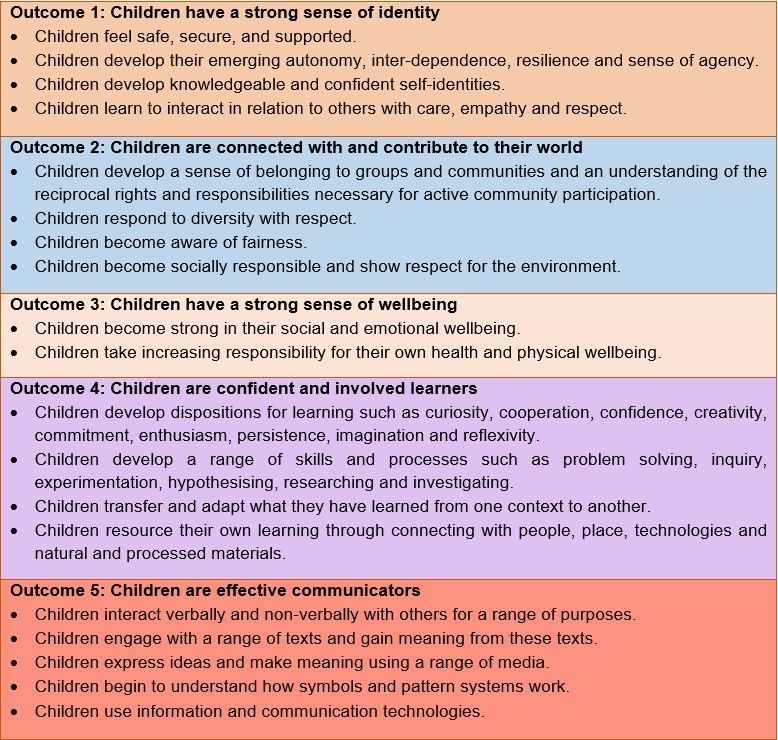
So, despite high levels of education spending, both public and private, measures of learning outcomes have actually declined. We are clearly doing something wrong.
T&T’s education score in the Human Capital Index is 103, lower than the average for Latin America and Caribbean (a score of 109) and the average for high-income countries (154).
This poor performance in the education pillar has pulled down the country’s overall human capital index. The on-the-job training score has also fallen, largely driven by a sharp decline for males.
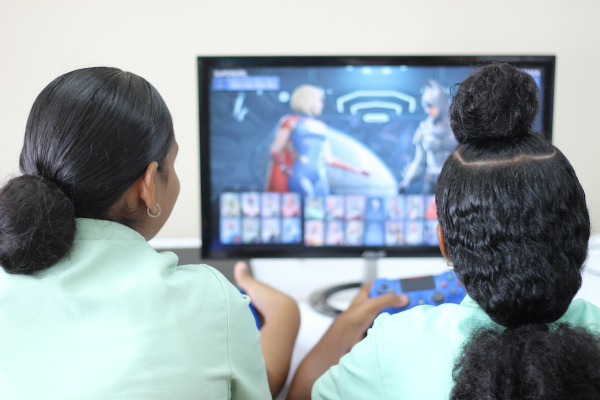
(via Ministry of Digital Transformation.)
Added to this decline in education learning outcomes is the narrowing of training opportunities for those not academically inclined, with closures/suspensions of programmes like Civilian Conservation Corp (CCC) and MiLAT.
Behind these data on learning outcomes and programme closures are people: young people. And particularly young people who need systems to work and communities to support them.
We should ask ourselves: are we giving them the best opportunity to succeed? Are we empowering them to be able to catch a fish? And importantly, what happens when they can’t?

Ella Andall powerfully warned of the proverbial missing generation.
So, as politicians and community leaders/activists ready themselves for the pictures and social media posts of the Christmas hampers and other distributions; perhaps they should also ask themselves some difficult questions:
How can we transform a society and shift structures, so that the need for hampers and these types of handouts reduces—and instead, we can have a population sufficiently empowered to earn and be more economically self-reliant?
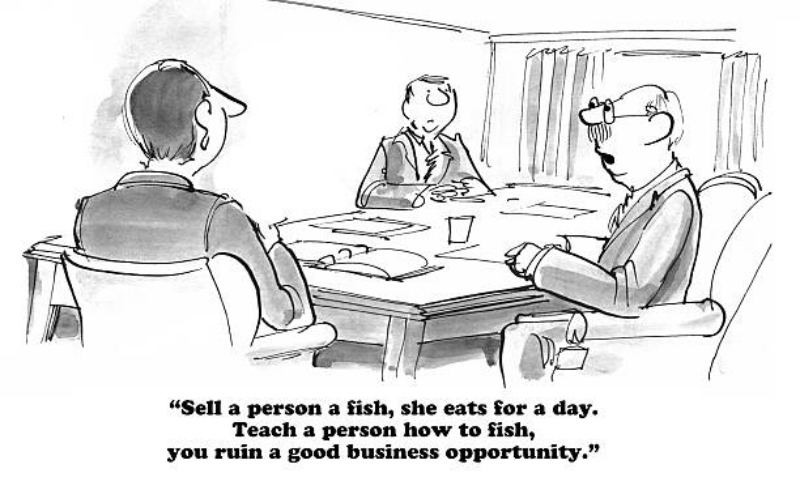
In fact, we must all ask ourselves this. Because if we, as a society, fail to provide that gift of empowerment that helps to transform lives, particularly young lives, when the missing generation comes looking, they will find us all.

“[…] Mr Raffique Shah admired Paris students protesting fuel prices and the poor conditions of schools in their poorer districts… Read more

The recent announcement by the government to divest state assets has stimulated some conversations on the role of the state Read more
There is an old adage that says: “a wise man learns from the mistakes of others, while a fool learns Read more
Having just celebrated 64 years of independence, discussions as to whether Trinidad and Tobago is better off since gaining independence Read more

Some years ago, I lived and worked in Sierra Leone. I arrived in the capital, Freetown, just ten years after Read more
“[…] Neither African nor Indian communities benefit from this… In cases where division arises unintentionally, accountability must fall on leaders, Read more

Dr Jamelia Harris is an economist and Assistant Professor at the University of Warwick. She studies and has written on the labour market, public finance and development policy in Africa and the Caribbean. She is a double President’s Medal recipient and holds a PhD from the University of Oxford.