 Wired868 Wired868 for smart sport news and opinion
Some years ago, I lived and worked in Sierra Leone. I arrived in the capital, Freetown, just ten years after a decade-long civil war.
The war was brutal. According to estimates 50,000 – 75,000 died, 20,000 had limbs amputated, 2 – 2.5 million were displaced, and hundreds of thousands of women and girls suffered systematic sexual violence.
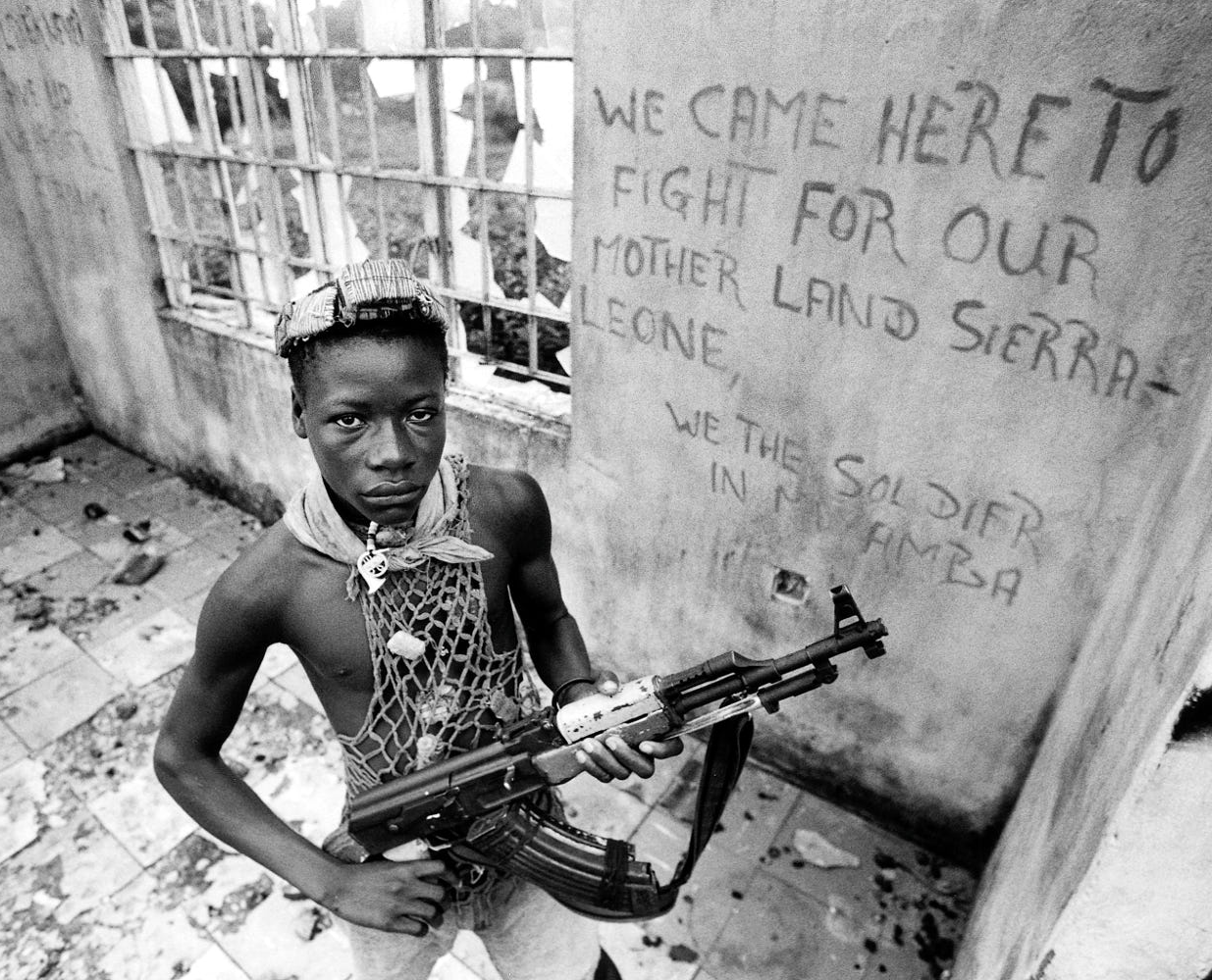
The vast majority of perpetrators—save for high-up warlords who were tried at the International Criminal Court—were living and walking around as normal. It marvelled me that a nation was able to heal and agree to move forward together. Sierra Leone has maintained peace since.
I observed this phenomenon, but did not have the vernacular to explain it until some years later. It is called a common national narrative; the stories we tell ourselves as nations.
Sierra Leoneans told themselves a story of national reintegration, and not individual/group revenge. As in Rwanda, a decade earlier, this national narrative of reconciliation was seen as necessary to the survival of the nation-state.
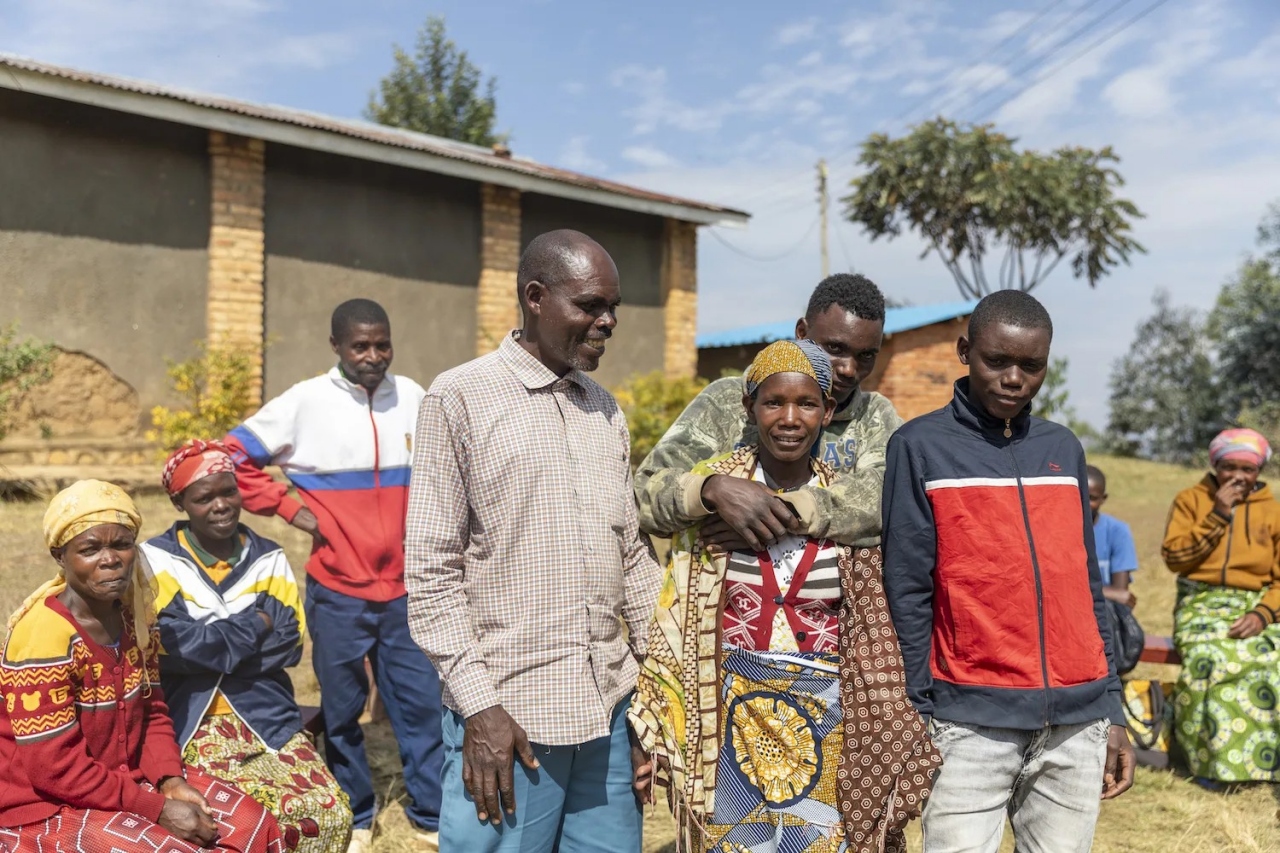
(via Interpeace.org.)
Through this lens, national narratives are visible in most democratic countries. Americans tell themselves the story of the “American Dream”, and even exported the idea too. It is a story of success through individual hard work.
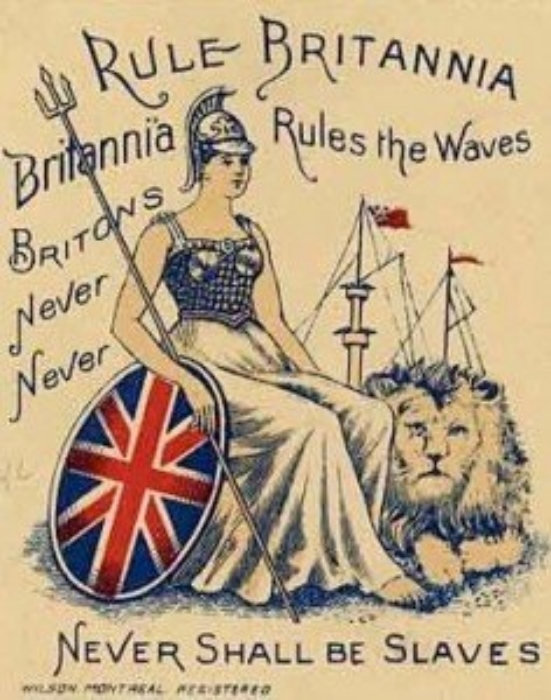
The British tell themselves the story of “British exceptionalism”—that they are unique and superior. They are a great, “world leading” nation.
South Africans tell themselves the story of “Ubuntu”: I am, because you are. They are an interconnected society.
For the Japanese, it is “Wa”—collective harmony and peace.
And these stories are just that: stories. In fact, renowned historian Yuval Noah Harari refers to them as “imagined realities”. But although imagined, they serve an important purpose of unifying countries, guiding social behaviour and shaping collective aspirations.
According to Harari, the collective story is instrumental to the survival of nation-states.

This led me to the question: what is the common story shared by Trinbagonians?
I do not think we have one; but I stand to be corrected. In fact, I would like to be wrong; for the sake of Trinidad and Tobago.
I hold this opinion because it seems we agree on very little. From what should be simple matters, like how we celebrate our independence, to the more substantial, how to address crime.

Photo: Ministry of National Security.
We cannot seem to find common ground. We cannot even agree if the ground should be a green space (our natural heritage), or paved.
When we became an independent country 64 years ago, we set an understandable and desirable aspiration for togetherness within diversity. Our motto is: “together we aspire, together we achieve”.
One of our three watch words is “tolerance”—the other two are “discipline” and “production”. The penultimate line of our national anthem is: “here every creed and race find an equal place”.

Photo: Pan Trinbago.
The emphasis on togetherness has always been necessary from our country’s inception.
In his noteworthy book, “The Mechanics of Independence” (page 58), ANR Robinson reflects on the 11th May 1962 delegation to London and writes that:
“There still existed sharp differences between the government and opposition wings of the Trinidad and Tobago delegation. Dispute centred of citizenship, fundamental rights, emergency powers, parliamentary appointments and other powers of the governor-general, delineation of constituencies, executive powers, the judiciary, appeals, the Judicial and Legal Service Commission, the public service, and the conduct of elections.”

The talks lasted about two weeks and resulted in Independence for Trinidad and Tobago.
Copyright: AP Photo/ Staff/ Laurence Harris.
Robinson notes that Dr Eric Williams (PNM) and Dr Rudranath Capildeo (DLP) compromised, like true statesmen, paving the way for Independence on 31st August 1962.
Compromise, symbols of independence (our flag, national anthem, coat of arms), and aspirations of togetherness. The nation-state was born. But, what of a collective story that we can all internalise as part of a national psyche?
Some entered the post-independence period jubilant with the promises self-determination could bring. Others entered weary with concerns for potential marginalisation.
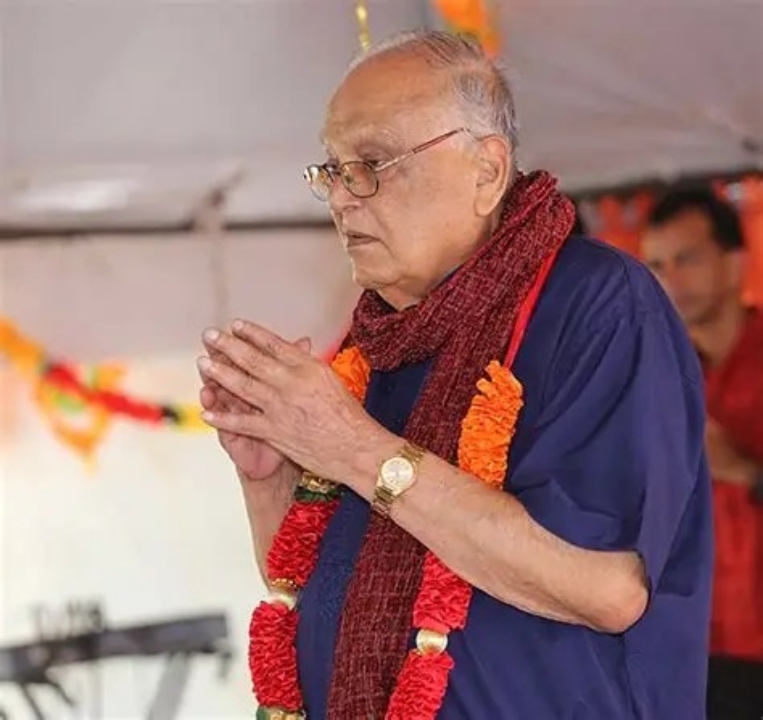
(via Indo Caribbean World.)
A common story did not emerge, as it should have. And we carry this baggage today.
Belief in a common narrative does not mean other lines of disagreement do not exist. The Republicans and Democrats disagree on who should have access to the American Dream (to include immigrants or not), but both sides largely believe in the American Dream.
The Brits disagree on if their “greatness” can be best achieved inside or outside the EU, but most Britons fundamentally agree on the story of their greatness.
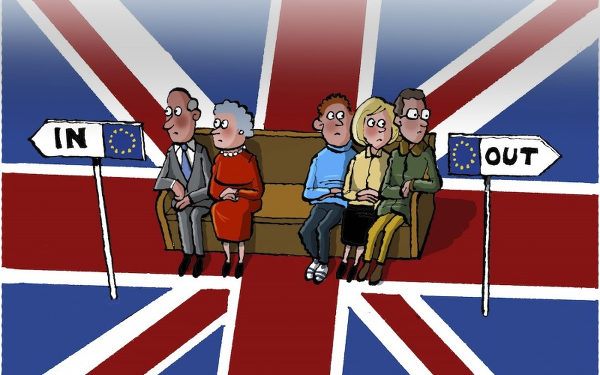
(Copyright Corbett Report.)
In the absence of a common story, there is space for tribalism to breed, and thrive. Instead of a collective “we”, the main characters in the story become “us” vs “them”.
As Yuval Noah Harari argues, tribalism brews hate and democracy weakens. When tribal groups form political factions and compete for power based on tribal interests, the winner takes care of their tribe, and not the nation.
Trust between groups breaks down. The nation-state suffers, and ultimately declines.
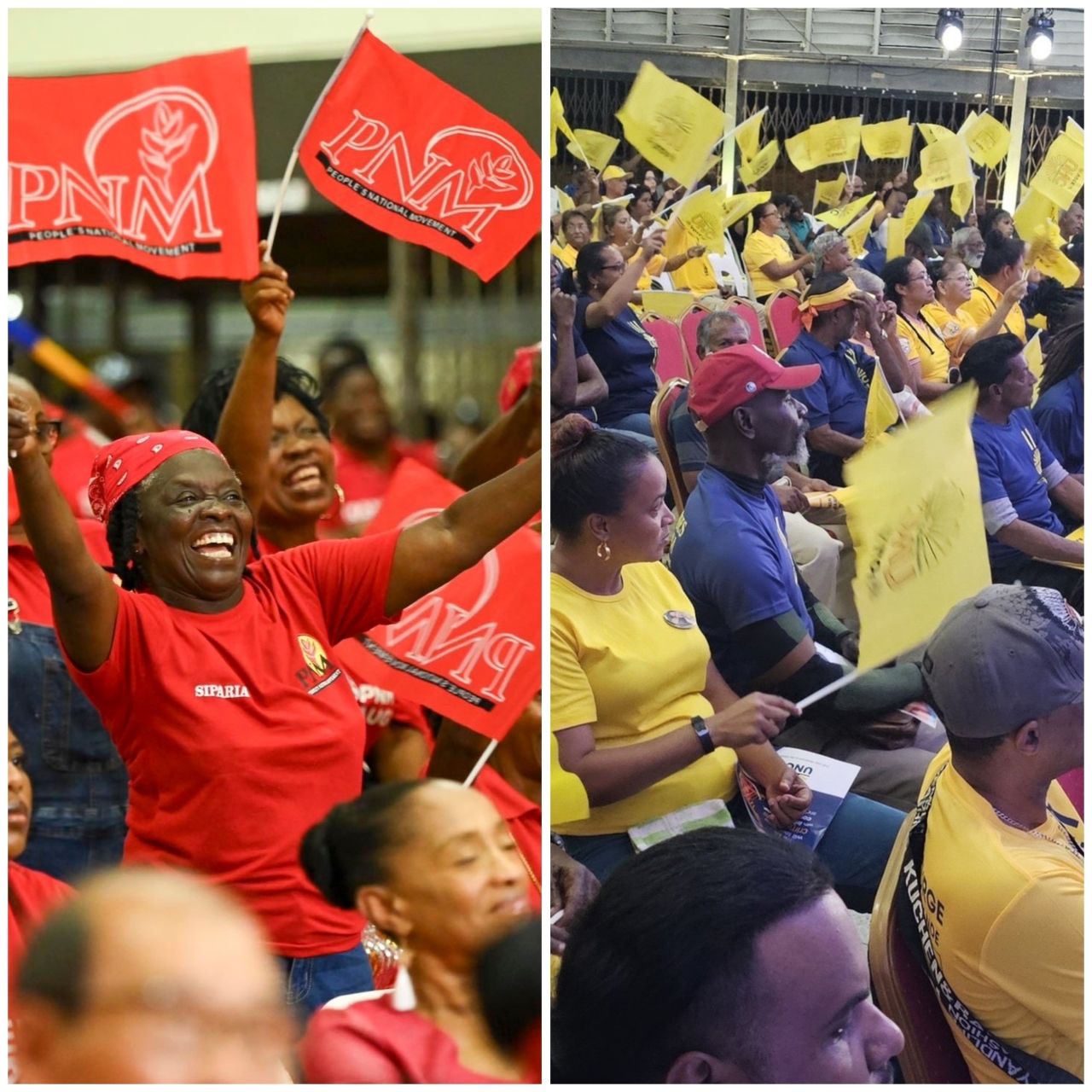
Economists have tried to measure the impact of national narratives and largely confirm the theoretical predictions, showing two effects.
First, when national stories are more individualistic (like the American Dream example), individuals are less in favour of redistribution and the provision of public goods.
This, as argued by economists from Harvard University, is why Americans cannot yet agree on universal free healthcare—while this was achieved in most European countries nearly a century ago.

Second, the active promotion of national stories in the post-independence years has been shown to positively impact social cohesion and economic development.
A study by an economist from the University of California (Berkeley) compared Kenya and Tanzania and found that in promoting a unifying national narrative and shared civic identity, Tanzania was able to mitigate some of the economic penalties associated with high ethnic diversity, and achieve higher levels of cross-ethnic public goods provision and local cooperation.
Sixty-four years on, in absence of a common narrative, Trinidad and Tobago has done remarkably well. We should all be proud of our post-independence achievements.

The two-island nation is only the second country in the English-speaking Caribbean to qualify in the tournament’s history, after Jamaica’s Reggae Boyz in 1998.
(Copyright AP Photo/ Shirley Bahadur.)
Just imagine how much better we could be if we found and nurtured a unifying national narrative.
Happy 64th Independence Trinidad and Tobago.
There is an old adage that says: “a wise man learns from the mistakes of others, while a fool learns Read more
Having just celebrated 64 years of independence, discussions as to whether Trinidad and Tobago is better off since gaining independence Read more
“[…] To the ‘UNC family’ she offers the old tired hymn: lagoons, cane fields, salt and rice, ponds and springs—the Read more
“[…] Neither African nor Indian communities benefit from this… In cases where division arises unintentionally, accountability must fall on leaders, Read more

A few years ago, Michal Teja captured hearts and titles with his hit song, DNA. At the time, I was Read more
Three thousand dollars a month. That’s the minimum National Insurance pension a citizen receives after a lifetime of work. It’s Read more

Dr Jamelia Harris is an economist and Assistant Professor at the University of Warwick. She studies and has written on the labour market, public finance and development policy in Africa and the Caribbean. She is a double President’s Medal recipient and holds a PhD from the University of Oxford.