 Wired868 Wired868 for smart sport news and opinion
I support democracy, human rights, political freedom and the right of the Cuban people to determine their own future. Those principles are important and should never be dismissed.
However, I am deeply disappointed by Trinidad and Tobago’s decision to vote against the United Nations resolution calling for an end to the US embargo on Cuba.
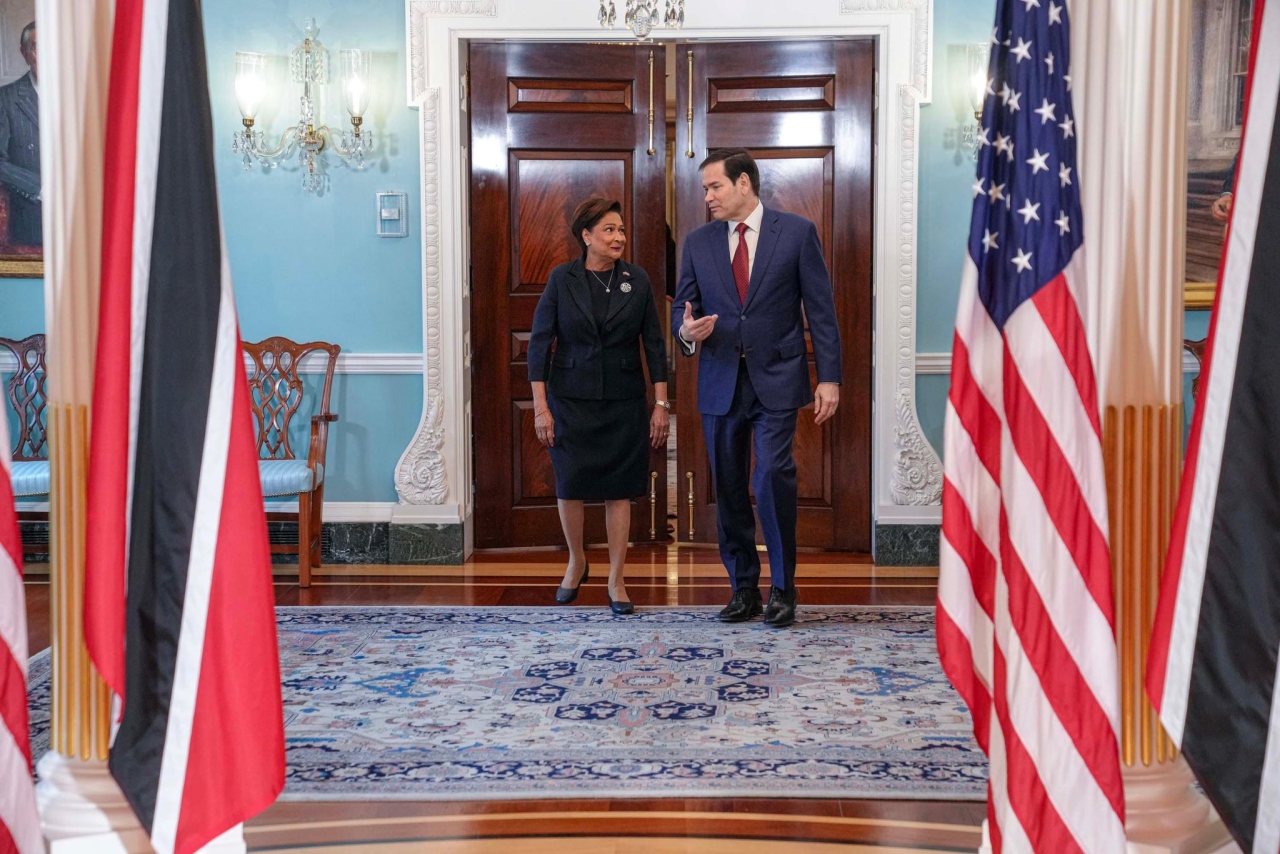
Photo: UNC.
The question before the United Nations was not whether one supports or opposes the Cuban political system. Rather, it was whether economic sanctions and isolation have helped or hindered the welfare and development of the Cuban people.
For more than three decades, Trinidad and Tobago consistently supported the resolution, reflecting a long-standing Caribbean belief that engagement, dialogue and respect for national sovereignty are preferable to coercive measures.
It is entirely possible to support democratic reform in Cuba while opposing policies that contribute to the suffering of ordinary Cubans. These positions are not contradictory.
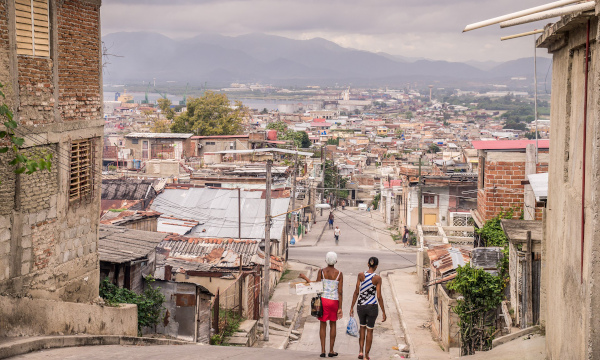
If our concern is genuinely for the Cuban people, then our actions should reflect that concern. The people most affected by economic restrictions are rarely those who hold power.
Instead, it is ordinary families, workers, pensioners, students and vulnerable citizens who bear the heaviest burden through shortages, reduced economic opportunities and declining living standards.
I find it difficult to reconcile declarations of solidarity with the Cuban people while supporting measures that have, for decades, failed to deliver meaningful democratic change yet continue to impose hardships on ordinary citizens.

Supporting the Cuban people should mean supporting policies that improve their quality of life, expand opportunities and encourage meaningful engagement with the international community—rather than measures that deepen their struggles and limit their prospects.
Trinidad and Tobago has historically been respected for pursuing an independent foreign policy grounded in regional solidarity, cooperation and principled diplomacy.
This recent vote represents a significant departure from that tradition and places Trinidad and Tobago at odds with the overwhelming majority of nations that supported the resolution.

(Copyright AFP 2014/ Roberto Schmidt.)
We should continue to support efforts that expand democratic freedoms, political participation and the protection of fundamental rights in Cuba. At the same time, we must recognise that meaningful democratic progress is unlikely to be achieved through policies that impose additional hardships on ordinary Cubans.
If the welfare of the Cuban people is truly our concern, then they must remain at the centre of our decisions—not be used to justify measures that may worsen the very suffering we claim to oppose.
After more than six decades of sanctions, the record raises an important question: have these measures improved the lives and prospects of ordinary Cubans, or have they merely compounded the hardships faced by those least able to bear them?

Genuine solidarity requires more than words. It requires policies that uphold human dignity, expand opportunity and create the conditions in which freedom and democratic progress can flourish.
Democracy is not strengthened by deepening the hardships of ordinary people, but by empowering them to shape their own future through greater engagement, opportunity and hope.
Once again, the calypso fraternity and the nation of Trinidad and Tobago have been plunged into mourning with the passing Read more
I am not a politician. I’m certainly not a senator. I am just a citizen who pays attention. So, when Read more

Today, Trinidad and Tobago, and indeed the Caribbean, bids farewell to a true cultural giant. With the passing of Dr Read more
“[…] It is nothing short of amazing how this current political directorate can go from conceptualization of 30 ‘police post’ Read more
Thirteen years have passed since health care workers, Lake Asphalt employees and other workers last received a salary adjustment. In Read more
“[…] To the ‘UNC family’ she offers the old tired hymn: lagoons, cane fields, salt and rice, ponds and springs—the Read more

Bryan St Louis is a former education officer for the Communication Workers’ Union (CWU).