 Wired868 Wired868 for smart sport news and opinion
Imagine her beside the hospital bed, handbag slipping off one shoulder, phone vibrating with messages from work.
Her father is recovering from a stroke and needs assistance with daily living. His tablets have changed and she is handed a prescription with handwriting that old schoolmasters would have disdainfully dismissed as “chicken scratch” in another era.
There is a dressing to do for a bedsore and a clinic appointment to arrange.

(via iStockphoto.)
“Yes, Doctor,” she says in a raspy voice that heralds a lingering cold.
Nobody asks whether she can lift him, works through the day or who will collect her children while she waits at the pharmacy.
The bed is needed, the nurses are stretched and it may have been wiser to keep her father for a few extra days for rehabilitation. Nevertheless, she is put in charge of home care.
We know this woman very well. She may be a sister, wife, niece or neighbour. Men undertake this work too—sometimes with extraordinary devotion. The girl often takes over by default.
There is always a reason why her time belongs to everybody.
At home, the daughter opens the discharge envelope. There are unfamiliar medicine names but an old bottle contains something that looks similar. Does the new prescription replace it? Should she give both?
The Internet is not the best guide in this situation.
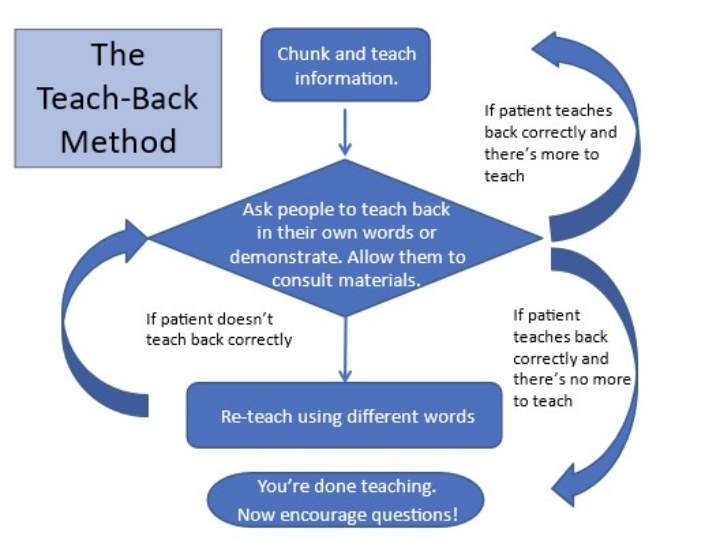
When treatment depends on a relative doing clinical work, we owe that relative a proper explanation and an opportunity to practise. The Agency for Healthcare Research and Quality recommends this approach, known as “teach-back”, as part of communication with patients and caregivers.
We should make it safe to say: “I cannot manage that.”
The US National Institute on Aging warns that caregivers may neglect preventive care and face sleep problems, physical and mental health difficulties. Persistent exhaustion, low mood, altered appetite, anxiety, loss of interest, low self-esteem, worsening pain or difficulty functioning are red flags for depression.
A clinician who asks only, “How is Daddy?” may miss an opportunity. There should be room to ask her privately: “How are you sleeping? What are you finding hardest? Who takes over when you need to leave?”
Then we need to listen without rewarding every disclosure with another instruction to be strong.
An extended family contains an impressive number of opinions, especially when living abroad. One relative recommends a specialist. Another sends a video about a useless supplement. Someone overseas is concerned that Daddy sounds tired. They are very happy to stay in comfort zones until the funeral or the will has to be read.
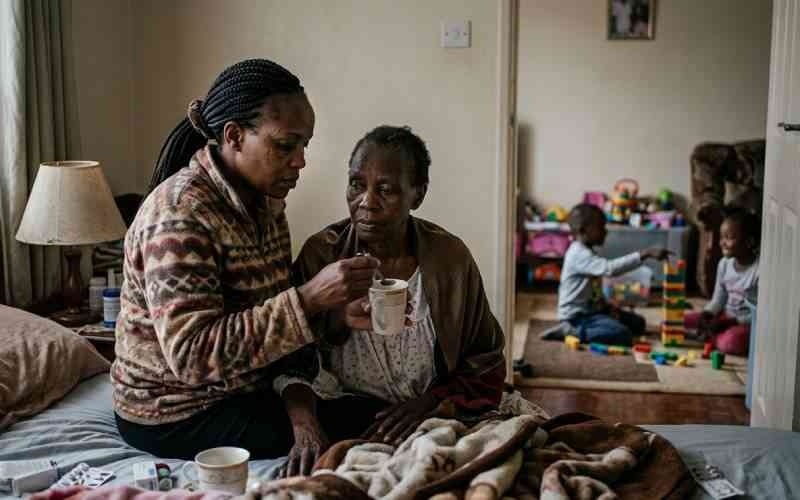
(via Standardmedia.co.uk.)
The jaded daughter holding the phone has just changed the sheets.
But “let me know if you need anything” leaves the exhausted person with another task: deciding what to ask for, whom to ask, and how to survive the disappointment if the answer is no.
Families can begin with an honest account of the work: bathing, meals, transport, medication, paperwork, supervision and nights.
Public hospitals face real pressure and beds are needed by people waiting for treatment. That makes realistic discharge planning more important.
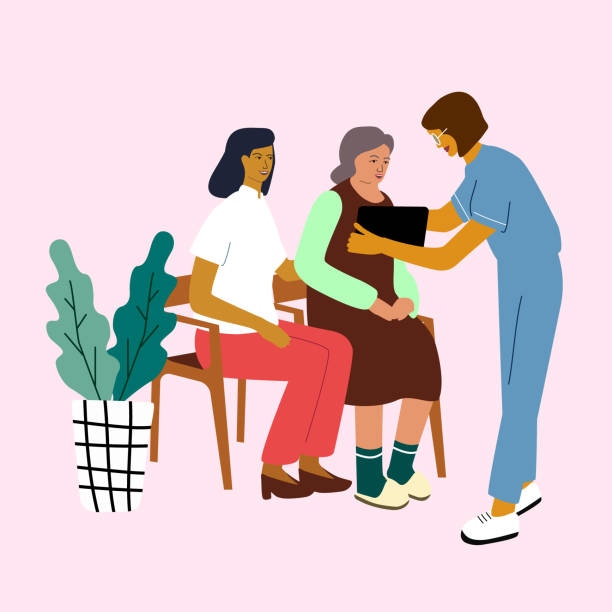
(via iStockphoto.)
Can the patient reach the bathroom? Are there steps at the entrance? Is the caregiver physically able to help? Can the household obtain the medicines and equipment? Who explains what deterioration looks like and whom to contact?
The patient’s wishes matter. But once a family member is expected to deliver care, their capacity becomes part of the clinical assessment. District nursing, rehabilitation, social work, pharmacy and community services can help families prepare.
A break should not require a family emergency. It can be planned before anyone reaches breaking point: a walk, a church service, an uninterrupted meal, a visit to her own doctor. The person taking over needs the relevant instructions and contact details.
There are consequences for relationships too. A husband wonders why there is no time together. Children learn that Mummy is always busy.

Employers can discuss predictable flexibility where feasible. Services can make appointments and communication easier to coordinate. Policymakers should treat support for home care, respite and caregivers as part of planning for an ageing population.
That fictional daughter at the bedside wants her father to be better and is willing to help. What she needs is a conversation and support.
At the next family discussion, replace praise with a commitment that can be written on a calendar and agree on one specific task you will take over this week.

As always, October looks lovely. There are pink ribbons to look at in the bank while waiting in an awfully Read more

The prescription for healthy living was flawless, if I do say so myself. Grilled fish, fresh vegetables, fruits bursting with Read more

Covid-19 was a masterclass in socioeconomic inequities but heatwaves have also ignited pervasive disparities in our society. The elderly, those Read more

World Suicide Prevention Day is observed annually on 10 September. The international theme for 2024 to 2026 is “Changing the Read more

In the days before the new academic year begins, the quest for books, uniforms and shoes continues. Health is often Read more

This Independence Day, Trinidad and Tobago turns 64. If the country were one of my patients, this would be about Read more