 Wired868 Wired868 for smart sport news and opinion
The prescription for healthy living was flawless, if I do say so myself.
Grilled fish, fresh vegetables, fruits bursting with antioxidants, legumes, thirty minutes of exercise each day, eight hours of sleep, less stress, avoid all the fried foods that have become staples in our diet, take medications that may not be available in the dispensary and a review in three months.

There was only one problem. It belonged to a life the patient did not have.
Imagine a woman who rises before dawn, catches the water taxi to work and returns in twilight. Unsavoury characters in the neighbourhood have made her afraid of exercise. There is little time for family or cooking so the cheapest option remains fast food.
She has failed “lifestyle modification” and pledges to do better in three months. Unfortunately, we have failed to understand her life.
The most sensible medical advice is useless when delivered without knowledge of money, time, safety, housing, work and care. Of course, personal responsibility is essential but poverty changes the equation.
The World Bank estimated that a healthy diet cost an average of US$4.91 per person per day in Latin America and the Caribbean in 2025. This was the highest regional cost in the world when adjusted for purchasing power. That figure sounds modest until placed beside transport, electricity, school expenses, medication and rent.
Ultra-processed products require little preparation, are available late, heavily promoted and often easier to find than affordable fresh food. Unfortunately, these are modern killers.
This does not mean that every local meal is unhealthy or that nutritious eating must involve imported berries or Atlantic salmon.
Our kitchens already know channa, lentils, pumpkin, bodi, cabbage, ochro, ground provisions, eggs, fruit and fish. However, marvellous cuisine requires access, storage, fuel, preparation and time.

Time is one of the least discussed health inequalities. A wealthier person may use a car instead of three taxis, have nannies help with children, flexible worktimes, grocery delivery and a gym to exercise.
We tell people to walk for 30 to 60 minutes per day. Where? On a road without a pavement? In brutal afternoon heat? Past traffic, flooding or harassment? At 5am before a long commute, or at 9pm after the children have eaten?
Sleep in a crowded or noisy home is not controlled by a bedtime routine alone. Shift work unsettles the body clock. Chronic stress can alter sleep, appetite and the energy available for planning.
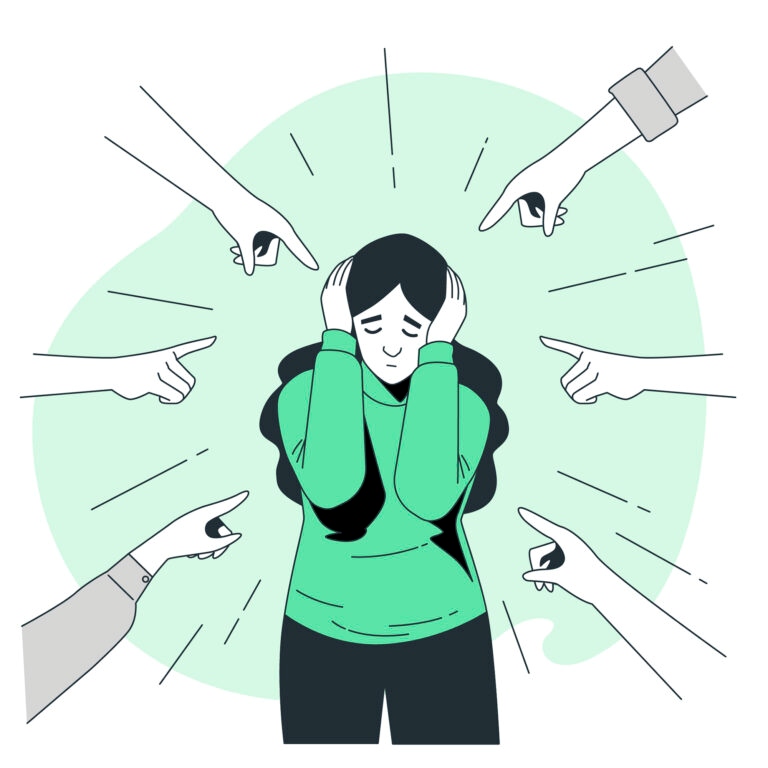
Weight attracts especially harsh judgment. A larger body is read as visible evidence of laziness or greed, although body weight reflects a complex milieu of biology, medicines, sleep, stress, food environment, income and activity.
Shame drives people underground and hampers proper care. Heaven alone knows when the GLP-1 injections will be available and, as we all know, these won’t be cheap.
People with obesity, diabetes and other chronic diseases deserve evidence-based medical care while they work on achievable changes.
Governments prescribe willpower too. It is politically convenient.
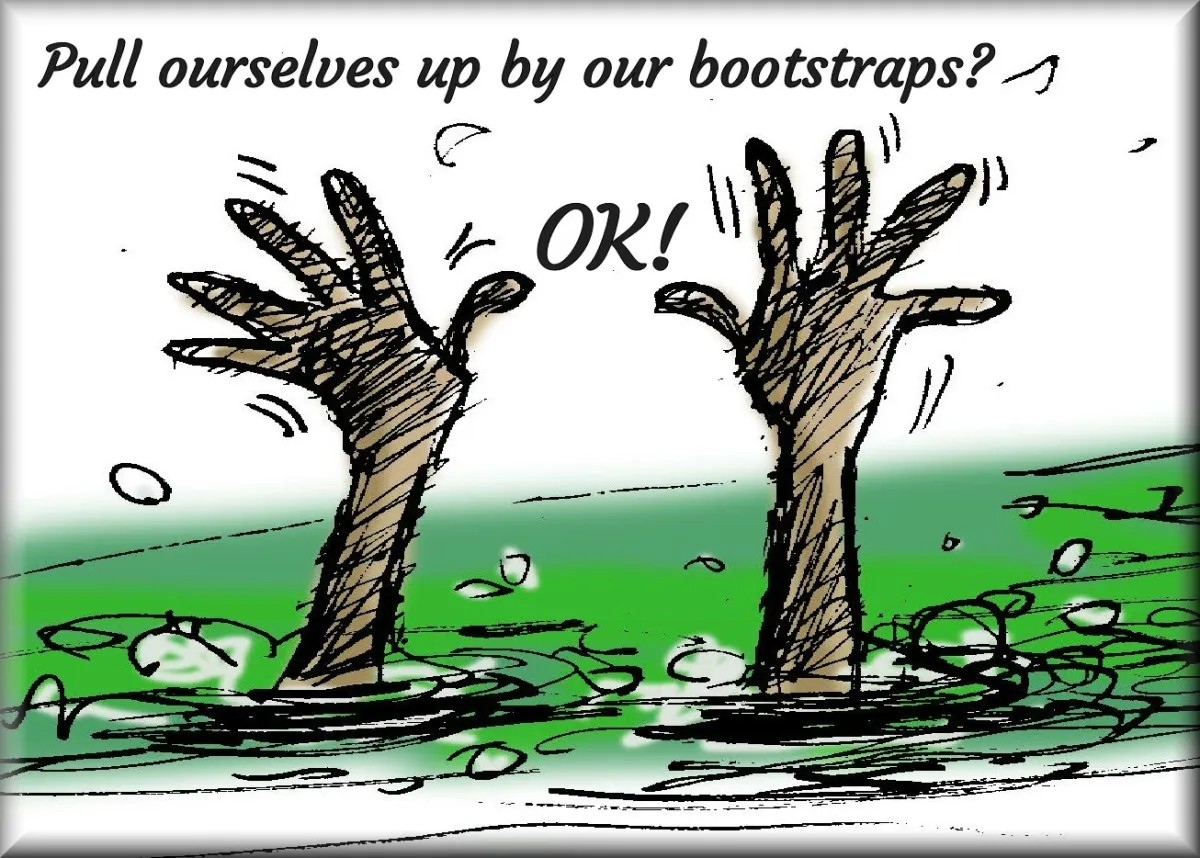
If diabetes is reduced to weak discipline, no one has to discuss the cost of food, aggressive marketing to children, inadequate school meals, unsafe communities, low wages or the shortage of accessible preventive care. Blame, like talk, is cheap.
The social determinants of health are complex. Make water freely available in schools and public places. Protect children from predatory advertising in the mass media. Use clear front-of-package warnings for unhealthy foods.
Support our farmers, markets and distribution systems that make fresh produce affordable. Ensure school meals are nutritious and appealing to developing brains.
Build pavements, lighting, recreation grounds and transport systems that allow movement without fear of crime. Offer clinic hours that do not mean loss of a day’s wages.

(via HappyHill Manor.)
Put dietitians, social workers, psychologists and community health workers within easy reach of primary care.
We love stories of the exceptional person who rises at 4 am, exercises after two jobs, feeds a family perfectly on very little and never misses an appointment. Such people exist but they are exceptions.
The woman in our opening needs care that fits inside the truth of her day. A health policy that depends on the poorest people having the greatest supply of willpower is not a policy. It is a travesty.

As always, October looks lovely. There are pink ribbons to look at in the bank while waiting in an awfully Read more
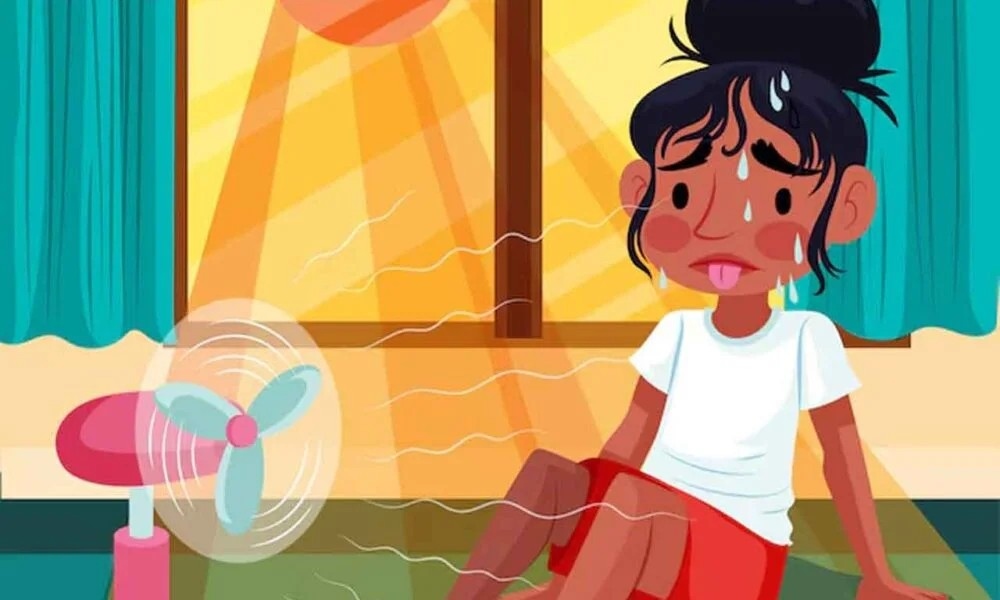
Covid-19 was a masterclass in socioeconomic inequities but heatwaves have also ignited pervasive disparities in our society. The elderly, those Read more
World Suicide Prevention Day is observed annually on 10 September. The international theme for 2024 to 2026 is “Changing the Read more

In the days before the new academic year begins, the quest for books, uniforms and shoes continues. Health is often Read more

This Independence Day, Trinidad and Tobago turns 64. If the country were one of my patients, this would be about Read more

The third scalding shower before breakfast was not for cleanliness. It was the only place the young man stopped vomiting. Read more

Derek King lacks vision and technical skills to be a national coach, Yorke should have been kept as I believe the team he was building was not playing together long enough for WC campaign.
TTFA has no leadership currently.