 Wired868 Wired868 for smart sport news and opinion
The third scalding shower before breakfast was not for cleanliness. It was the only place the young man stopped vomiting.
There was a cycle of blood tests, drips, injections for nausea, endoscopy and abdominal scans that yielded little useful information. The hot-water behaviour is such a peculiar clinical clue that it unlocked the diagnosis like an episode of House, MD.

Some patients discover it by accident and then bathe compulsively because the relief is so striking.
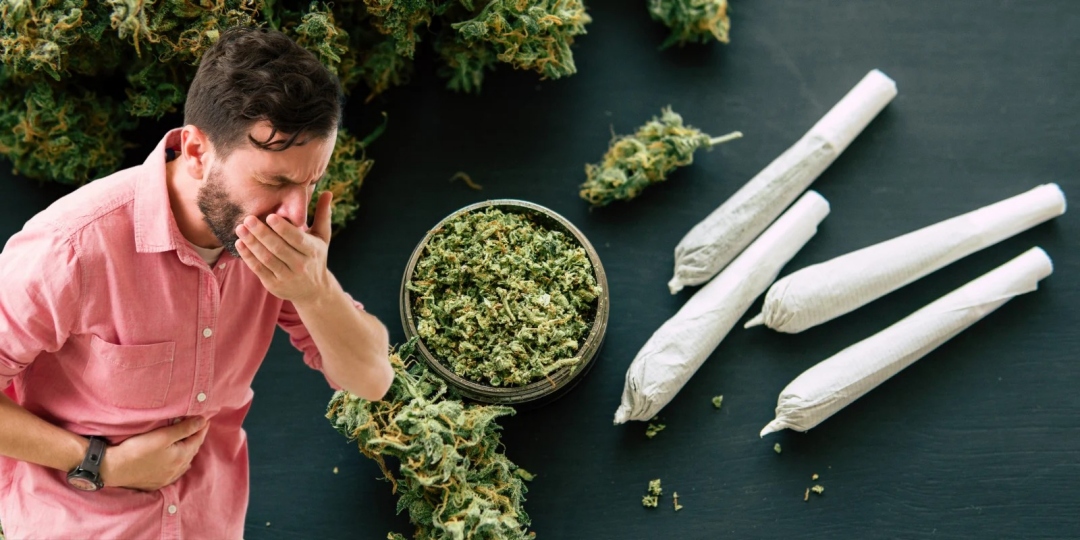
The “Cannabinoid Hyperemesis Syndrome” (CHS) is an odd entity. Cannabis (marijuana, ganja or “weed”) can reduce nausea and may be used medicinally. Yet in some people, prolonged frequent use produces the opposite: repeated attacks of severe nausea, abdominal pain and relentless vomiting.
Heat may affect pathways involved in temperature regulation, pain and nausea.
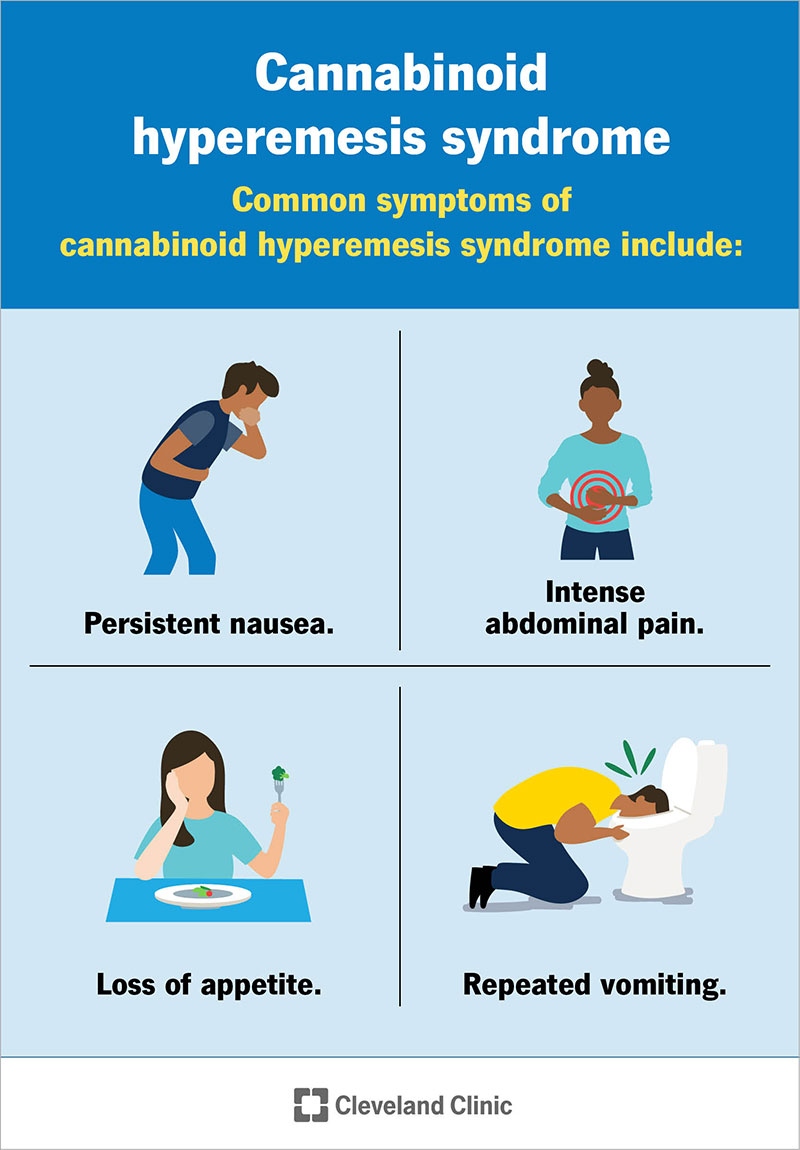
CHS often develops in stages. At first there may be mild early-morning nausea, vague abdominal discomfort or a fear of vomiting. The person continues eating and functioning. Cannabis may appear to help, so use continues or increases.
Then comes the classic hyperemetic phase: vomiting again and again, sometimes for hours or days. The patient paces, curls up, groans and returns to the shower.
This is also not a cure and prolonged hot bathing may worsen dehydration when a person is already losing fluid through vomiting.
Dehydration can become dangerous. The kidneys need blood flow. Potassium and other salts can fall which could cause unstable heart rhythms. Severe retching can injure the oesophagus.
Occasionally, individuals become confused, collapse or develop other serious complications.
The internet has found a crude nickname for these attacks: “scromiting”, a mash-up of screaming and vomiting. It is memorable but I do not particularly like it.

(via Health Digest.)
Anyone who cannot keep fluids down, is passing very little urine, becomes faint or confused, vomits blood, develops severe persistent abdominal pain, chest pain, fever or difficulty breathing needs urgent medical assessment.
Pregnancy, diabetic ketoacidosis, pancreatitis, appendicitis, intestinal obstruction, infection and poisoning do not disappear merely because someone uses cannabis.
There is no single blood test that announces CHS. Early attacks may be labelled gastroenteritis or food poisoning. Recurrent cases may accumulate CT scans, ultrasounds, endoscopies and a small pharmacy of anti-nausea drugs.

Results return normal or nonspecific. Someone writes “drug-seeking” in the notes, and the next encounter begins badly before the patient even enters the room.
A person with CHS is neither foolish nor necessarily addicted. Many have used cannabis for years without trouble. Some use it for sleep, anxiety, pain or nausea. Others simply do not regard marijuana as a drug worth mentioning or avoid health care’s judgement.
In the emergency department, treatment begins with intravenous fluid when necessary—correction of electrolyte disturbances and medication for vomiting or pain.
Standard anti-nausea drugs do not always work well. Doctors may use other medicines, including dopamine-blocking agents, or topical capsaicin under appropriate supervision. The latter activates heat-sensitive pathways and may mimic part of the hot-shower effect.
None of these is a licence for home experimentation. Some have important adverse effects and require clinical judgment.
The only reliable long-term treatment is stopping cannabis. Complete cessation allows the syndrome to resolve.

Frequent users may experience irritability, poor sleep, anxiety, reduced appetite and cravings when they stop. Some are self-treating grief, trauma or mental illness. They need a plan, follow-up and, when appropriate, counselling or addiction support.
Earlier this month, the US Centers for Disease Control and Prevention published a report examining emergency department visits involving CHS. The highest proportions occurred among people aged 15 to 24 and women were represented more than many clinicians might expect.
Vomiting in a young woman may be quickly attributed to pregnancy, anxiety, migraine or a stomach infection. Cannabis use may never be discussed, or she may not volunteer it because she expects a lecture rather than help.
(via Lad Bible.)
This is not a morality tale about cannabis or a claim that everyone who uses marijuana will develop the condition. CHS appears to affect a susceptible group of frequent users, and medicine still does not fully understand why one person becomes ill while another does not.
The cannabinoid system influences the brain, gut, appetite, pain and temperature regulation. With sustained exposure, those effects may become disordered.
Potency, frequency, duration and individual biology probably matter. As we know, “natural” is not a synonym for harmless.
We also need better local recognition. Emergency clinicians should consider CHS in recurrent unexplained vomiting, particularly when cannabis use is frequent and hot water brings relief.
General practitioners should ask before the third hospital visit, not after the tenth. Families should know the pattern while youths should hear about it without melodrama. The aim is to describe a condition many have never been told exists.
Sometimes the most useful medical clue lies in taking a good history. Why does the vomiting stop in a hot shower?

Ask the next question. Ask about cannabis.

In the days before the new academic year begins, the quest for books, uniforms and shoes continues. Health is often Read more

This Independence Day, Trinidad and Tobago turns 64. If the country were one of my patients, this would be about Read more
The half-used insulin vial was wrapped in a stained cloth and tucked inside a small purse. She had carried it Read more

Men will discuss chest pain, blood in the urine and constipation with surprising courage. Erectile dysfunction often arrives in a Read more

For thousands of years, humanity has suspected the moon of interfering in almost every department of medicine. Sleeplessness, fever, bleeding, Read more

Coffee and chocolate have spent years in and out of medicine’s good books. One month, coffee is blamed for palpitations, Read more