 Wired868 Wired868 for smart sport news and opinion
In the days before the new academic year begins, the quest for books, uniforms and shoes continues. Health is often ignored—but a child who is exhausted, hungry, anxious, dehydrated or struggling to see the board cannot succeed.
Sleep patterns may have changed during the vacation, so it is wise to move bedtime and waking earlier several days beforehand. Children aged six to 12 generally need nine to 12 hours of sleep, while teenagers need eight to ten.
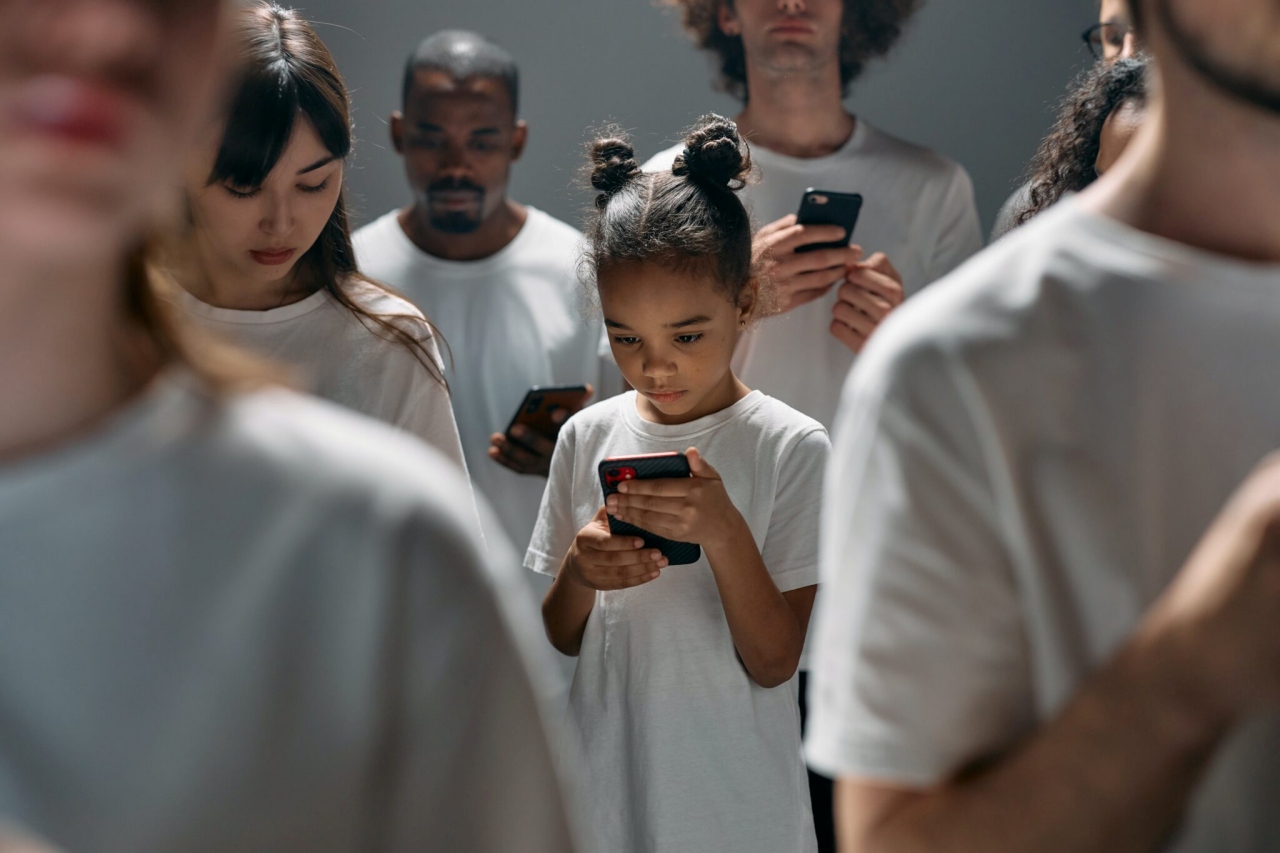
(via Brandfoundry.com.au.)
Sleep supports attention, memory, mood and physical health. Late-night messages, videos and games reduce sleep. Charge devices outside the bedroom where possible and create a predictable “wind-down” routine.
Pack bags, fill bottles and plan breakfast to avoid morning stress. It need not be elaborate or expensive. Oats, eggs, sada roti, fruit, yoghurt or a sandwich can do the job. Aim for fibre and protein rather than a sweetened drink or ultra-processed snacks.
If a child cannot eat at dawn, send a sensible packed option for later.
Water should be the everyday drink. Children may not recognise dehydration until headache, tiredness, poor concentration or dizziness appears.
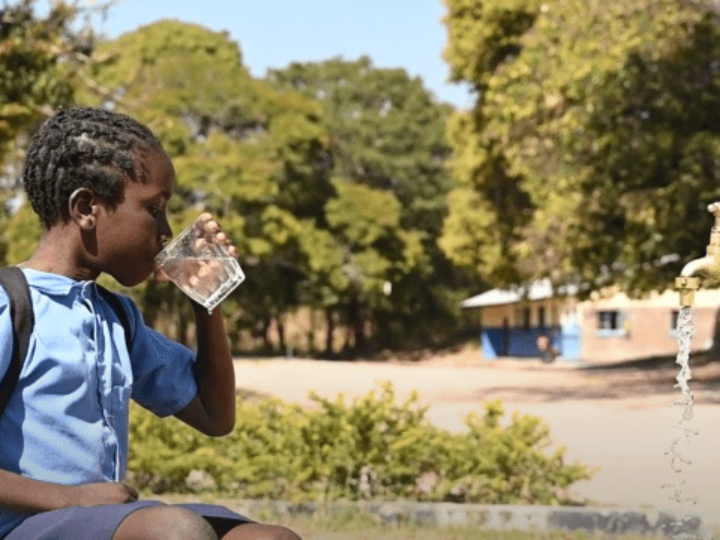
(via WVI.org.)
Those involved in sport need planned rehydration breaks, shade and adults who are aware of these symptoms. A child who becomes confused, faints or seems unusually hot during activity needs urgent medical attention.
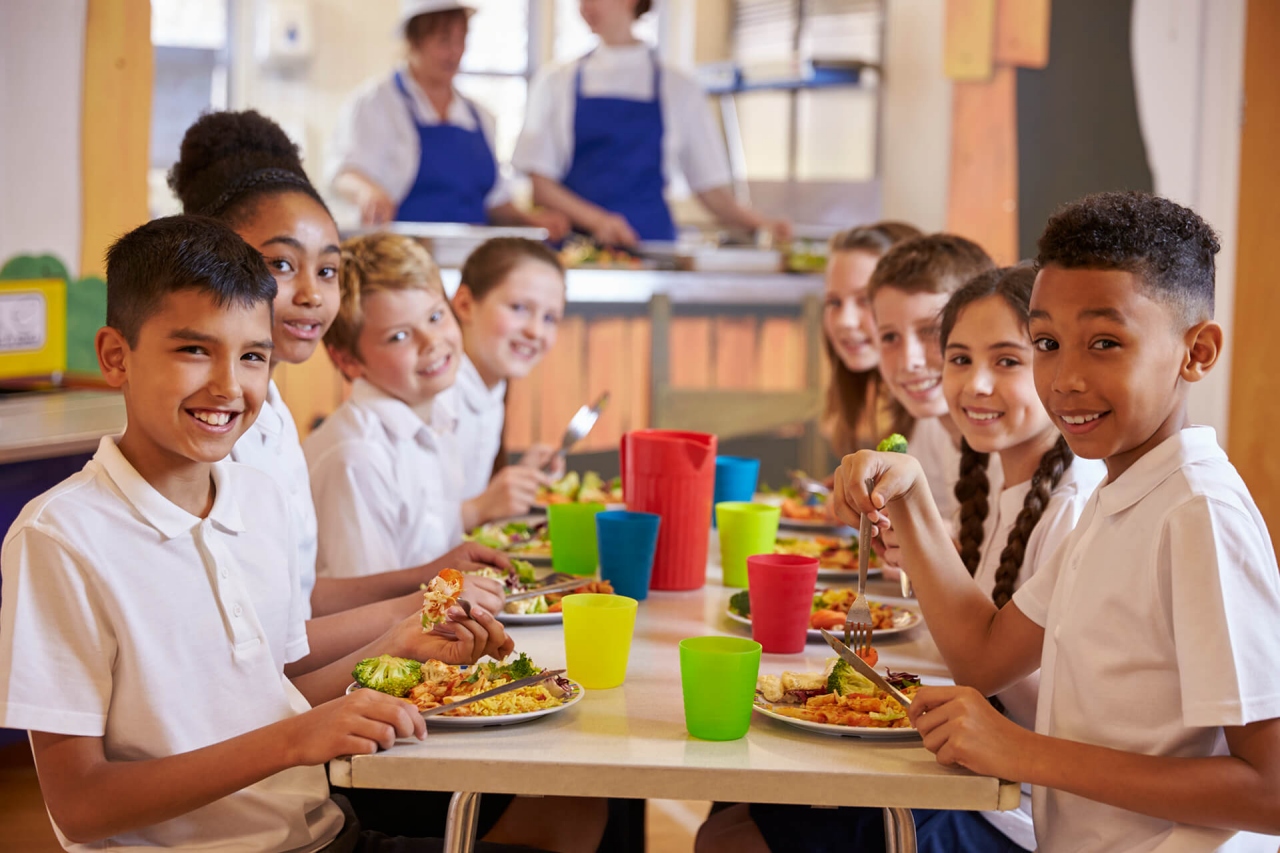
Keep perishable foods cold with an ice pack in an insulated bag and hot foods in a suitable container. Fruit, vegetables, ground provisions, whole grains and protein can sit beside the occasional treat.
Boxed meals from the school feeding programme must adhere to strict nutritional and hygiene requirements.
Check the child’s immunisation record against our national schedule and ask the health centre or doctor about anything missed. Vaccinations are freely available throughout the public system. Refill prescriptions if needed and arrange overdue medical, dental, vision or hearing reviews.
Children may squint, copy wrongly, move closer to the television, complain of headaches or appear inattentive if struggling to see. Hearing difficulty could be mistaken for disobedience. Dental pain can be a nightmare.
For children with asthma, diabetes, epilepsy, severe allergies or other chronic conditions, meet the relevant school staff early. Provide clear written instructions, emergency contacts and any prescribed action plan.
Unexpired medication should be in its original, labelled container with the child’s name and proper directions. Make sure the adults responsible know what the medicine is, when it is used and whom to call. Older children should also gradually learn to understand and manage their condition.
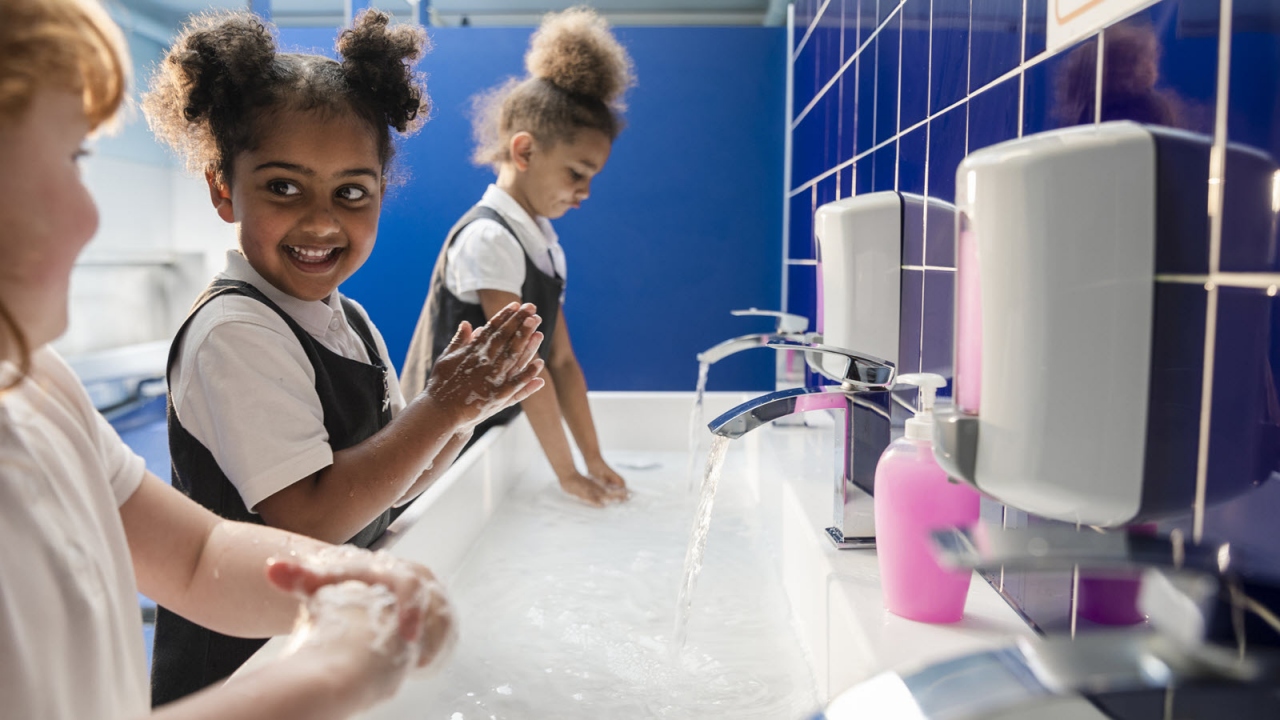
(via csl.com.)
Schools bring children and germs together! Sage advice still works: wash hands properly before eating and after the washroom, cover coughs or sneezes, avoid sharing bottles and do not touch the face unnecessarily.
Children with fever, repeated vomiting or diarrhoea, or who are plainly too unwell should stay home.
A discreet period kit containing pads, spare underwear and a sealable bag may be appropriate. Severe pain, prolonged or very heavy bleeding require investigation and can contribute to iron deficiency.
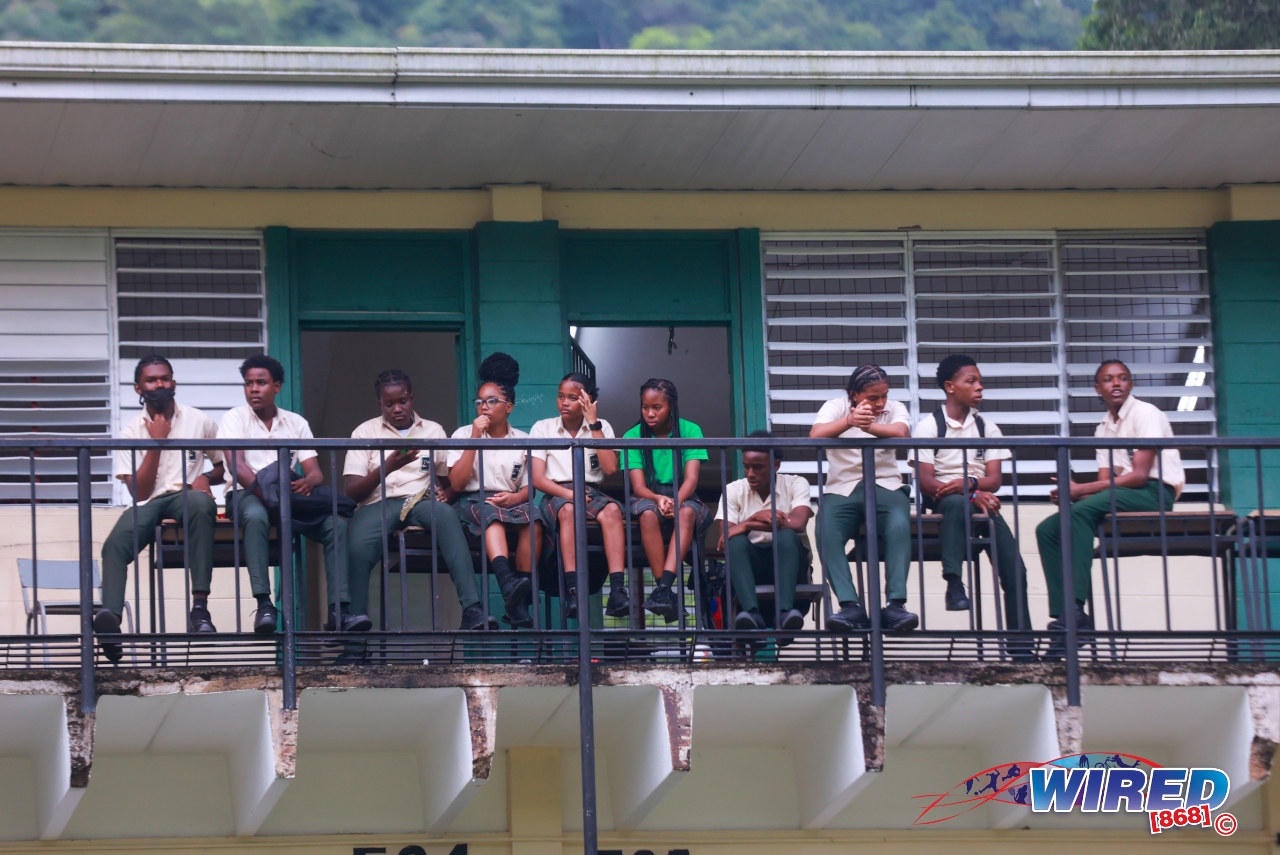
Photo: Nicholas Bhajan/ Wired868.
Choose a bag with two broad, padded straps. Use both straps, keep the heaviest books close to the back and remove unnecessary weight.
Children crossing roads need repeated teaching. Younger children should travel with an adult. Seat belts or age-appropriate restraints remain essential even on short trips and no child should be left in a parked vehicle.
Drivers must slow down near schools and, like abroad, speeding fines should be increased in these zones.
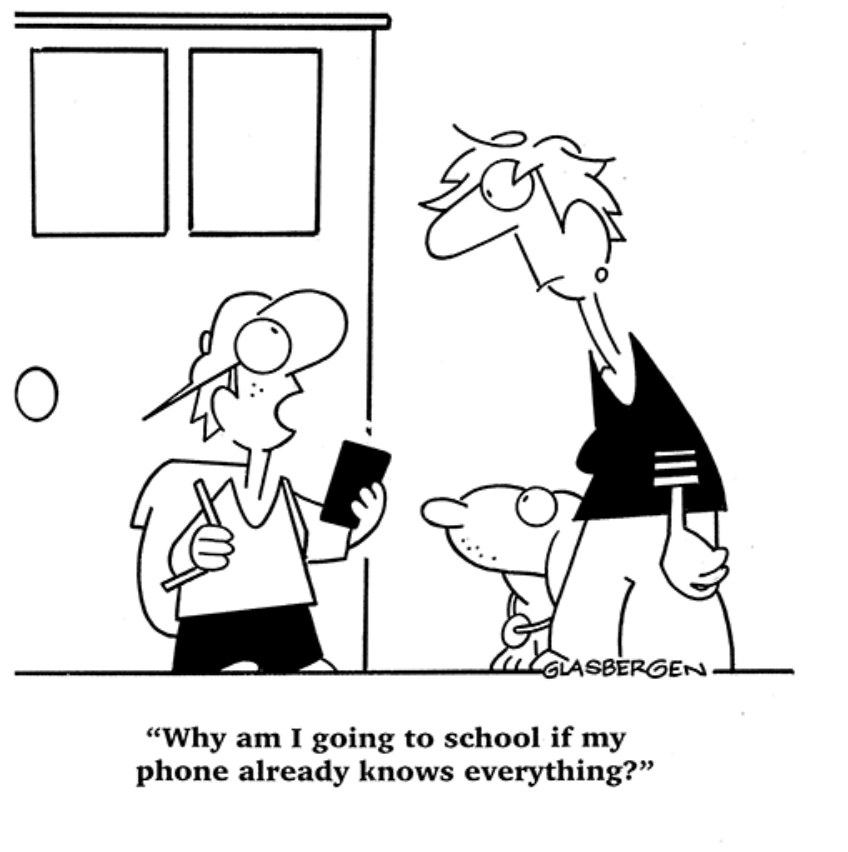
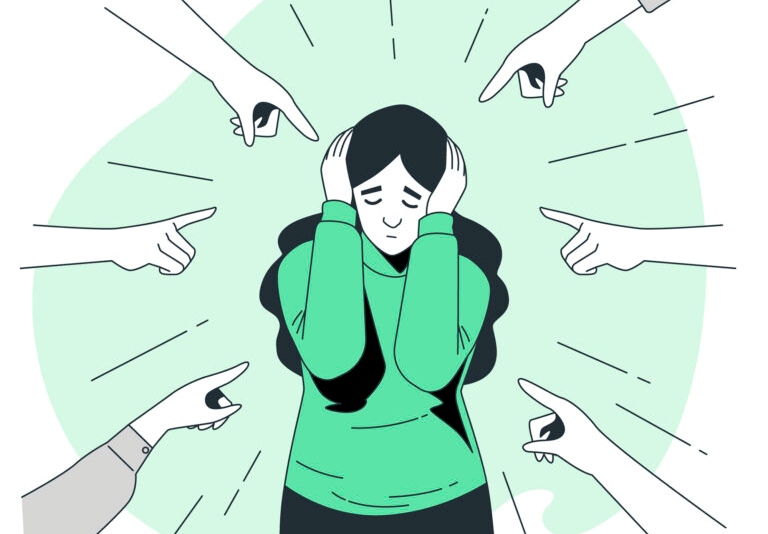
Of course, a new school, unfamiliar teacher, examination class or old bully can turn September into a season of dread. Anxiety may speak through stomach pain, headache, poor sleep, tears, irritability or repeated requests to stay home.
Identify a trusted adult. Watch for withdrawal, falling grades, damaged belongings, unexplained injuries, appetite changes or a sudden hatred of school.
Bullying, including online bullying, is not character-building. Threats of self-harm or suicide require immediate, serious action.

Do not compare one child relentlessly with a sibling, cousin or classmate. Why not praise preparation, persistence, honesty and improvement?
A report card reveals where help is needed and is certainly not a verdict on a child’s future.
Teachers and administrators carry part of the responsibility of healthy living for students. Some children deliberately withhold urine or stool because toilets are dirty, lack privacy or feel unsafe. This could lead to constipation, pain and embarrassing accidents.
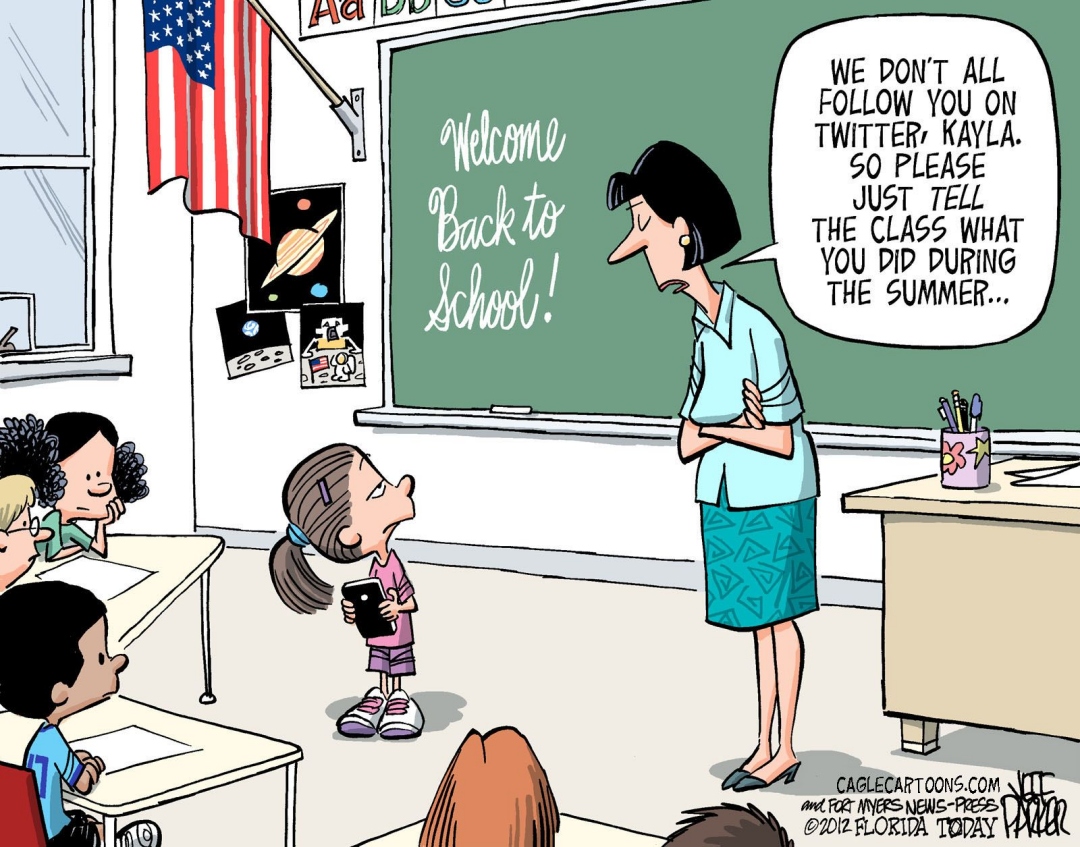
Clean drinking water, functioning lavatories, safe play, sensible heat precautions, time for movement and an atmosphere where a child can ask for help are essential in the new term.
Health and education are inextricably interwined. The goal is to send a child rested, nourished, safe and happy into a learning environment.
Indeed, the most valuable thing a child can carry back to school this year is the knowledge that we are always paying attention to the human being holding the pencil.

As always, October looks lovely. There are pink ribbons to look at in the bank while waiting in an awfully Read more
The prescription for healthy living was flawless, if I do say so myself. Grilled fish, fresh vegetables, fruits bursting with Read more
World Suicide Prevention Day is observed annually on 10 September. The international theme for 2024 to 2026 is “Changing the Read more

This Independence Day, Trinidad and Tobago turns 64. If the country were one of my patients, this would be about Read more
The third scalding shower before breakfast was not for cleanliness. It was the only place the young man stopped vomiting. Read more
The half-used insulin vial was wrapped in a stained cloth and tucked inside a small purse. She had carried it Read more