 Wired868 Wired868 for smart sport news and opinion
“[…] I urge our PM not to use the word ‘coolie’ to self-reference. I accept the fact that you may not be endorsing the slur but instead flipping the insult on its head to honour the resilience of people who survived indentureship and built lives despite oppression.
“However, I believe that in your position as PM, it should not be used. Trying to reclaim the word works differently when the speaker holds such a high office.
“Some will hear it not as reclamation but as normalisation. Some may then feel licensed to use it. Do not give it legitimacy…”
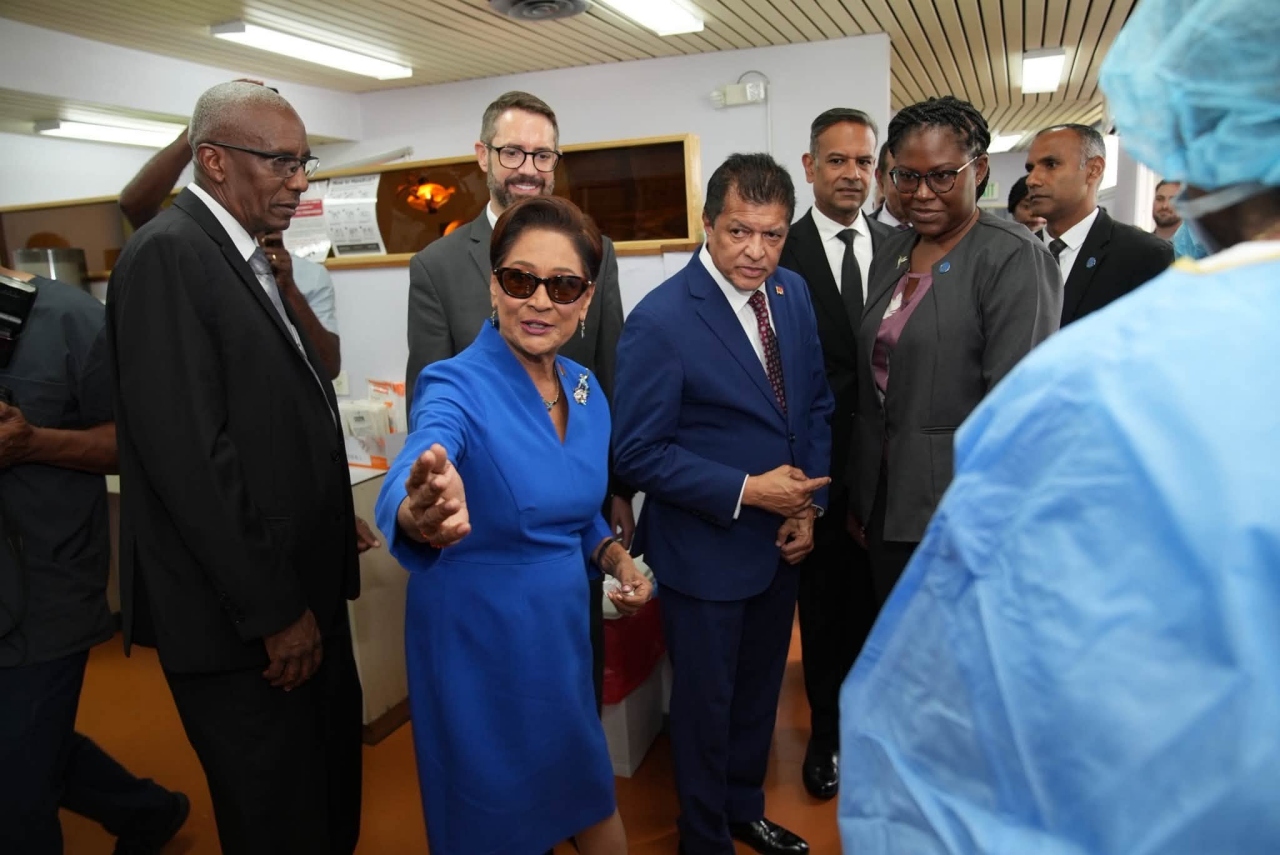
Photo: UNC.
The following Letter to the Editor, which suggests how T&T can counter racism and class bias effectively through the teachings of the Catholic Church, was submitted to Wired868 by Leela Ramdeen, consultant, CCSJ and director, CREDI:
Today, the state of race and class relations in Trinidad and Tobago continues to plague our society. Recently, amid the race controversies in T&T, Prof Emerita Rhoda Reddock warned that the country cannot keep approaching the brink of ethnic conflict without confronting the deeper problem.
“One day we are going to fall over the brink, and we’ll never be able to recover.”
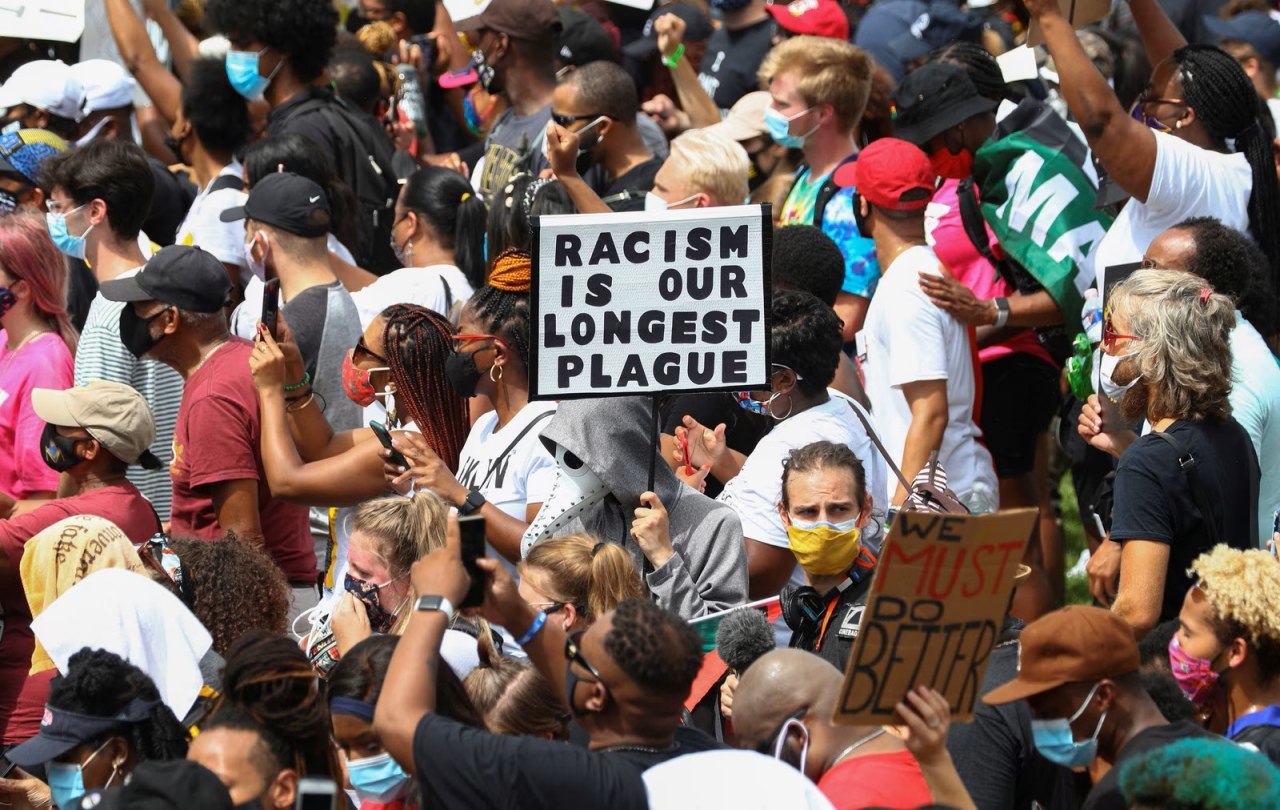
Prof Hamid Ghany wrote recently: “The increased debate over the post-Emancipation Day fallout on the issue of race in the society has confirmed the strength of our democracy during a State of Emergency.
“[…] The corporate elites really would prefer that the Afro-Indian working class not become conscious about their place in society and how they have been divided to look at each other as the enemy, when their strings are being pulled for them by powerful third parties to fear each other.
“[…] At the leadership level, it is about traditional political warfare between opposing political parties. What is happening on the ground is the opening of a door to class consciousness.
“[…] Both major parties have prominent members of the two major racial groupings in their ranks, so this is not about race. The debate is really about class and who dominates the social agenda and narratives.”
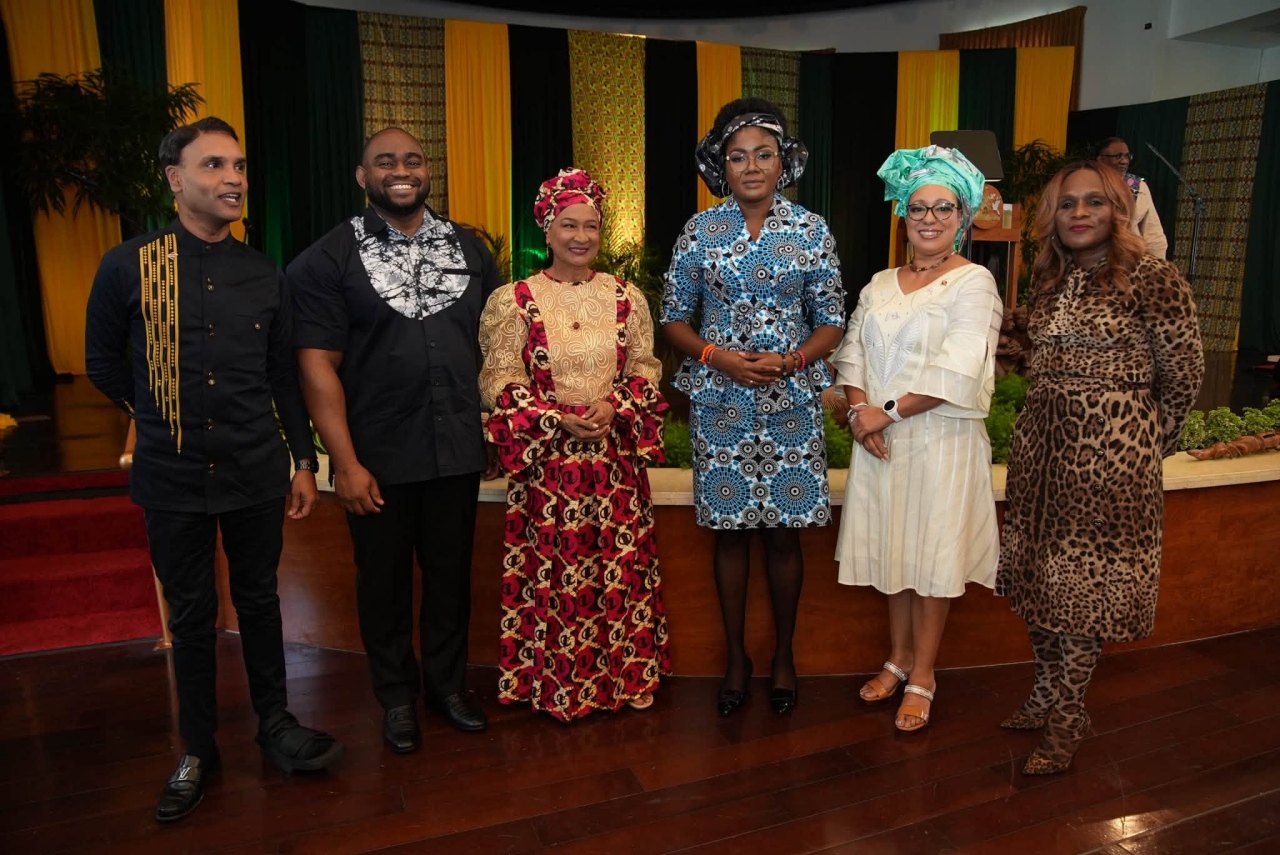
Photo: UNC.
The recent race controversies in T&T relate to:
- A UTT Emancipation Day programme that included tassa drumming and classical Indian dance alongside African performances. Critics argued this diluted the meaning of African Emancipation Day.
- There was the leaked audio recording—allegedly between Star Sabga and Genevieve Hadeed—containing the ethnic slur “stinking coolie”, allegedly aimed at the Prime Minister.
- Culture Minister Michelle Benjamin spoke at Emancipation Village. She praised Prime Minister Kamla Persad‑Bissessar and government. Sections of the crowd booed and jeered.
- The PM did not attend an event at the Emancipation Village, where she was advertised to speak. She said she was with family, having already attended two earlier events. The PM issued a statement. She called criticism racist, hateful and divisive.
- She remarked: “I don’t mind if they call me a stinking coolie”—reclaiming the slur from the leaked audio. Earlier she used the phrase “a little coolie girl is now PM”, framing the term as a badge of pride rather than an insult.
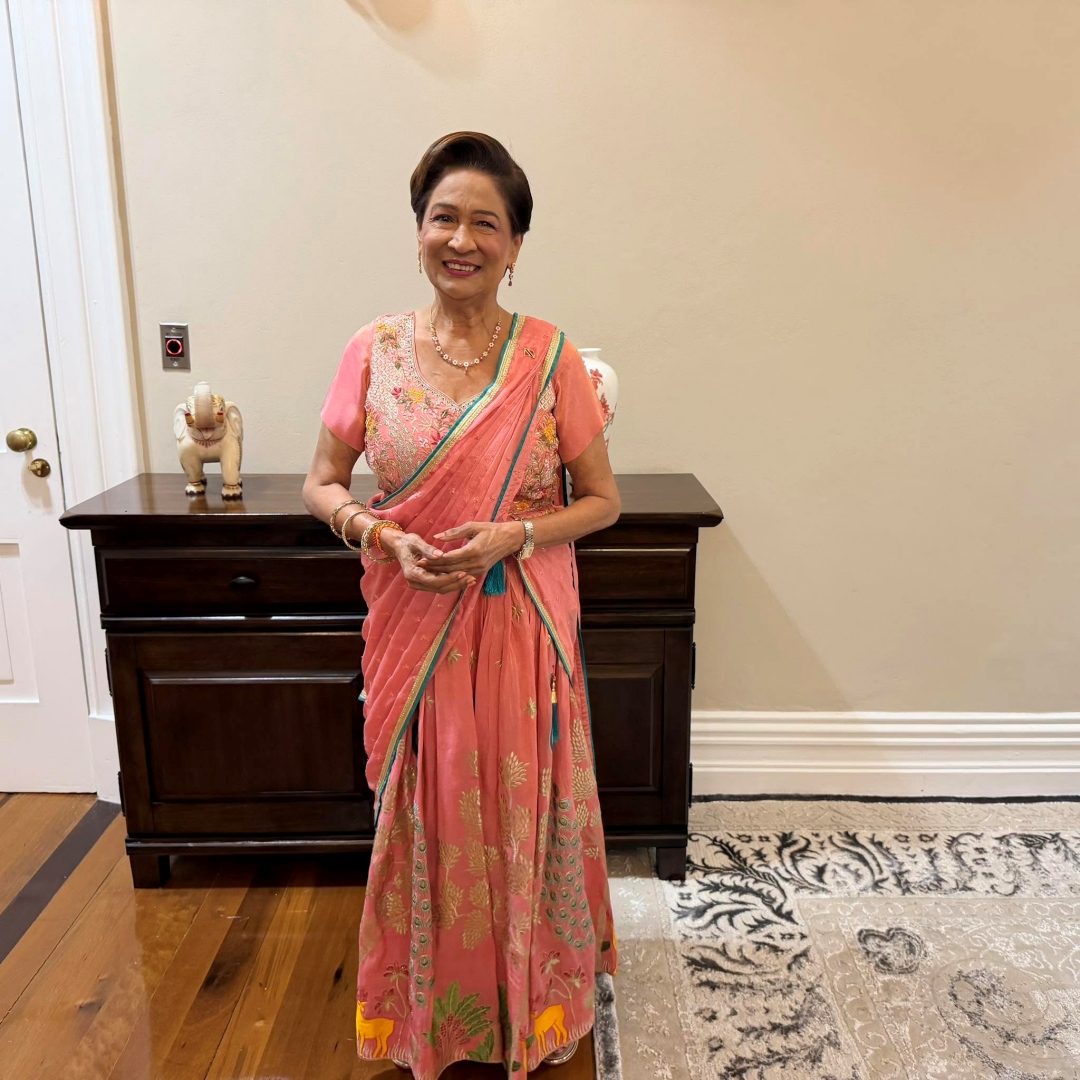
Photo: UNC.
Experts are warning that our country is reaching a racial breaking point. We are all aware of the deep historical wounds that have long festered beneath the surface—lines drawn by ethnicity, by class, by the privileges and disadvantages passed down through generations.
The ‘C’ and the ‘N’ words have been weaponised. They are derogatory, insulting and can cause trauma. Historically, the term ‘coolie’, meaning ‘labourer’, began as a colonial administrative term describing Indian indentured labourers.
Over generations, it hardened into a racial label, carrying connotations of servility and inferiority.

(via Riomate.)
I urge our PM not to use the word ‘coolie’ to self-reference. I accept the fact that you may not be endorsing the slur but instead flipping the insult on its head to honour the resilience of people who survived indentureship and built lives despite oppression.
However, I believe that in your position as PM, it should not be used. Trying to reclaim the word works differently when the speaker holds such a high office.
Some will hear it not as reclamation but as normalisation. Some may then feel licensed to use it. Do not give it legitimacy.
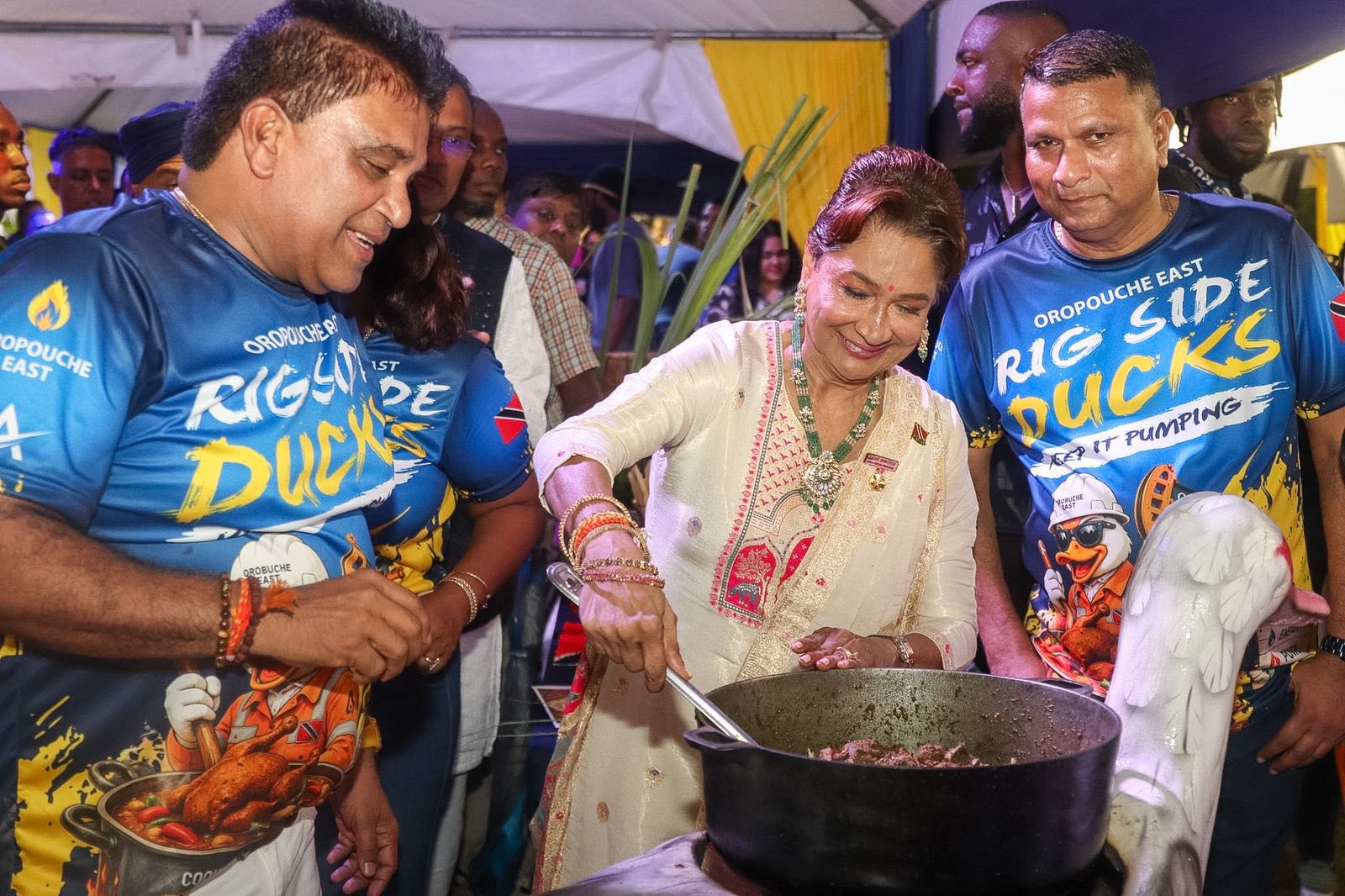
Photo: UNC.
In the midst of these controversies, let’s remember that addressing race and class inequities is a moral imperative, foundational to Trinidad and Tobago’s stability, prosperity, cohesion, and long-term viability.
Overcoming periods where racial prejudice/racism and derogatory comments rear their heads requires action across multiple levels of society—from policy and institutions down to everyday social norms.
These periods are often linked to political tension, economic anxiety, or viral media cycles. Addressing them requires both immediate boundaries and long-term structural work.

Photo: Allan V Crane/ Wired868.
Here are some examples of action that can be taken:
- We must create spaces that will allow us to discuss these issues honestly and without rancour.
- Leaders across politics, business, media, religious and community organisations must call out harmful rhetoric swiftly and explicitly, rather than waiting for public outrage to peak.
- Promote media and digital literacy to facilitate critical consumption of online content.
What can the Church do?
The Church is called to be a beacon of hope in our fractured world. Our mission is to build the civilisation of love. Catholics believe that conversion is possible: that a just and peaceful world is possible.
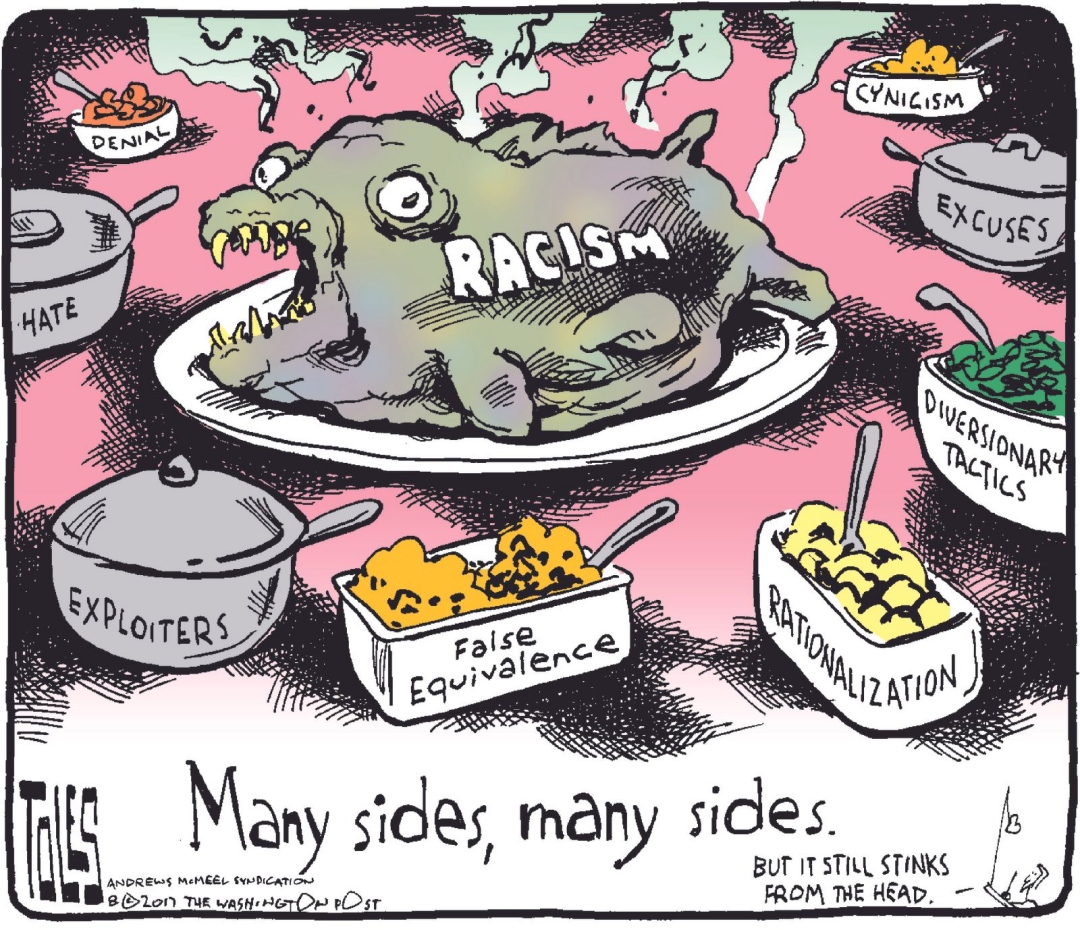
The Church continues to play its part in challenging racism and class bias. It nurtures conscience formation, attitudinal and structural change among the faithful and the wider society.
It instils in our hearts the teachings of the Magisterium. Gaudium et Spes reminds us that: “The joys and the hopes, the griefs and the anxieties of the men of this age, especially those who are poor or in any way afflicted, these are the joys and hopes, the griefs and anxieties of the followers of Christ.”
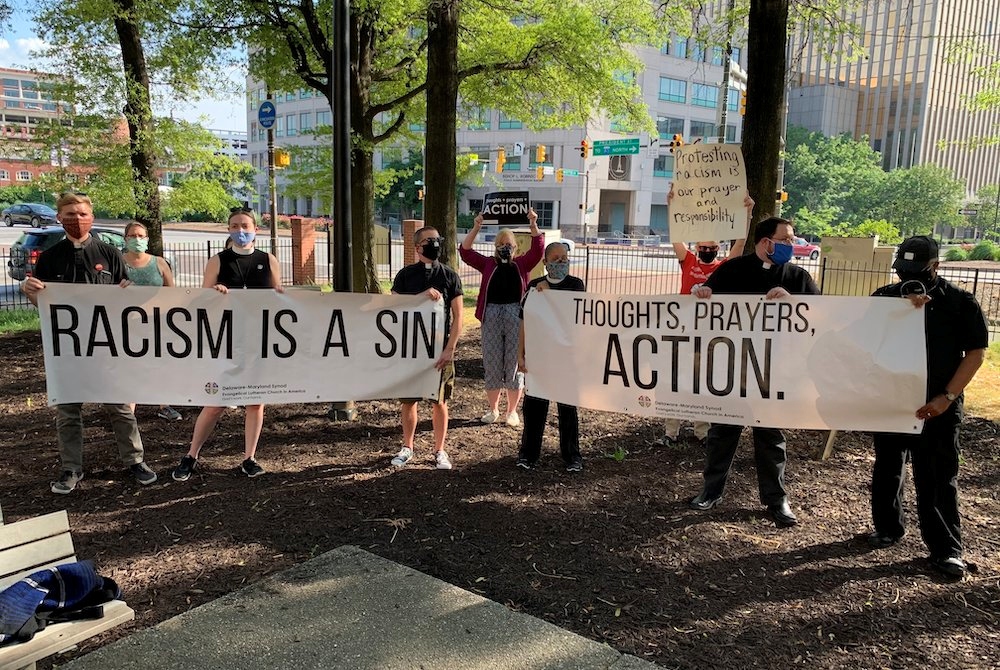
To counter racism and class bias effectively, the Church teaches us how to live our faith. St Paul’s Letter to the Galatians (3:28) reminds us that at Baptism we receive a new identity.
(via CNS photo/ Tim Swift, Catholic Review.)
We are all children of God, brothers and sisters, because we have been united in Christ, who redeemed us: “There is neither Jew nor Greek, there is neither slave nor free, there is neither male nor female; for you are all one in Christ Jesus.” And see James 2:1–9.
The Church should:
- teach that the human being carries the irreducible image of God (Genesis 1:27). Racism and class bias are theological errors that violate God’s creation;
- promote its Social Doctrine and civic advocacy with the aim of dismantling structural injustice (eg, Isaiah 10, Amos 5, Micah 6:8);
- promote civic participation, ensuring marginalised communities have equal access to civic engagement;
Instead of sowing seeds of fear and division, let’s stand in solidarity with each other to promote mutual respect, peace and harmony among the diverse ethnic communities and social strata in our society/world.
Humanity is one. Praise God.
A recent event triggered an avalanche of blocked memories. One dates back to more than 50 years ago. A man Read more

“[…] It’s not necessarily that I don’t like you—it’s just immensely discomforting to be up close and personal. “It feels Read more

In two years, I will be a pensioner myself. So when I say the upcoming budget must increase the old Read more

“[…] ‘No rule was broken’ is a legal answer to a question that isn’t, at its heart, legal. It’s a Read more

Is this new UNC Government celebrating our Independence, or declaring its independence from public accountability and the rights of its Read more
Racial tensions are running high in Trinidad and Tobago at the moment. It is sad—heart-breaking really. Our “leaders” have descended Read more

Want to share your thoughts with Wired868? Email us at editor@wired868.com.
Please keep your letter between 300 to 600 words and be sure to read it over first for typos and punctuation.
We don’t publish anonymously unless there is a good reason, such as an obvious threat of harassment or job loss.