 Wired868 Wired868 for smart sport news and opinion
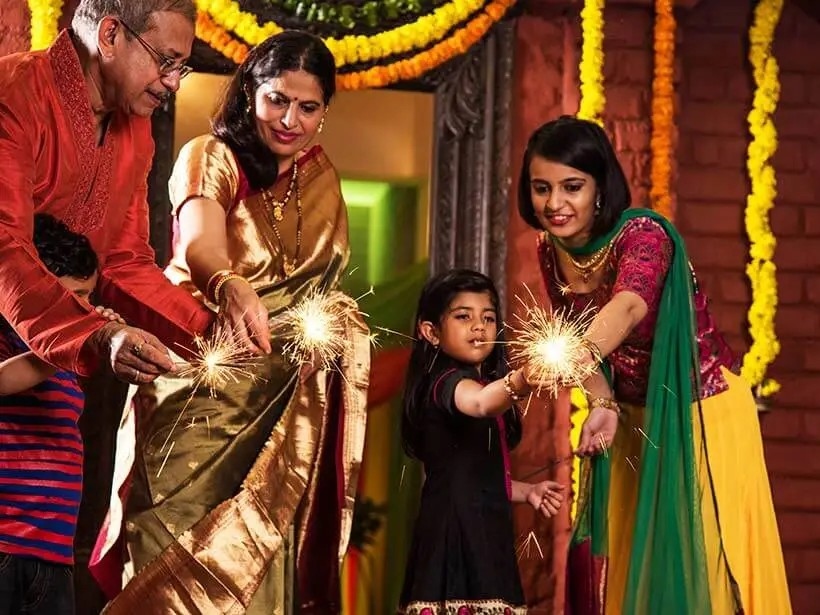
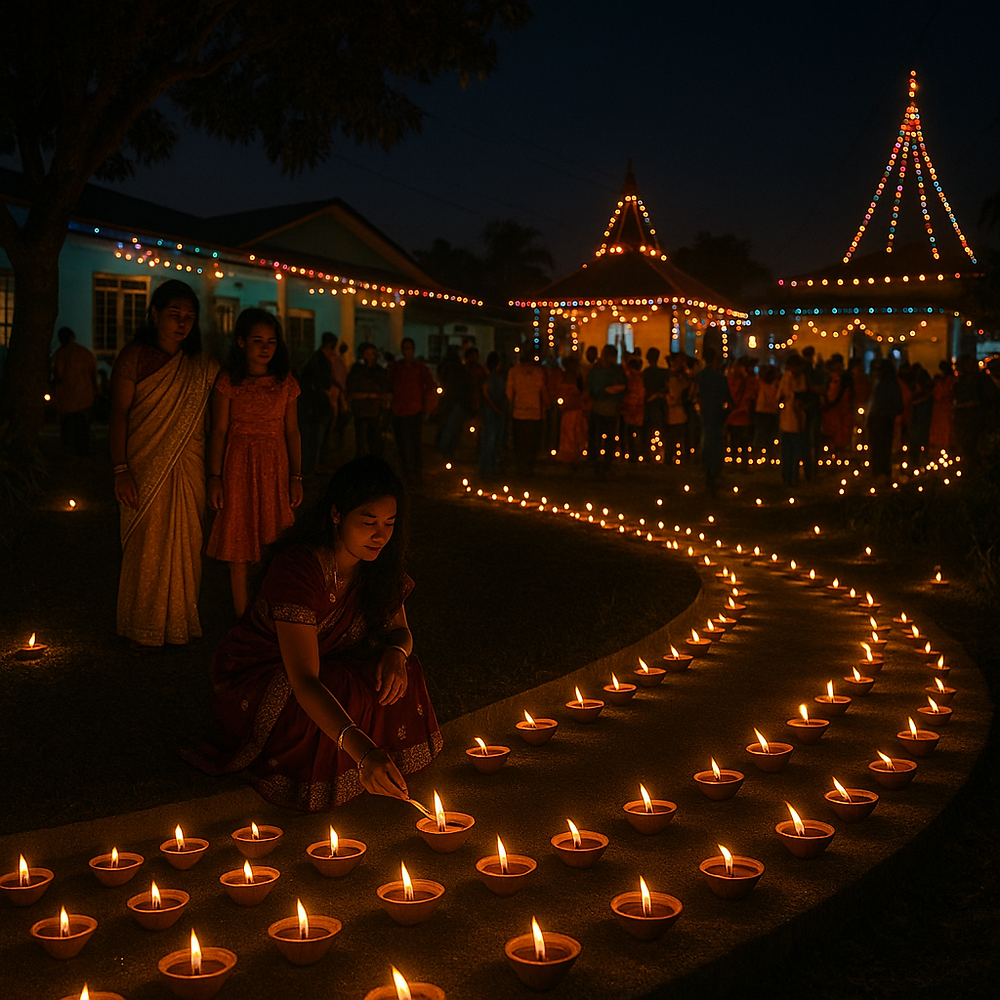
Before the first deyah is lit on Divali, somebody has already done a great deal of work. The house has been cleaned, food has been prepared, oil has been poured and wicks arranged (no fireworks, please).
Hopefully, the gathering is not an opportunity for that annoying aunt to ask about your weight, biological clock, medical history and potential suitors.
(via Indian Express.)
For Hindu families, it is a sacred festival, with prayer and devotion to Mother Lakshmi. Among the traditions associated with it is the return of Rama and Sita to Ayodhya, welcomed with lamps after their exile.
The magnificent Ramleela events throughout the country are national treasures. As for the political exchanges surrounding Divali Nagar’s sponsorship, perhaps everyone could step back long enough to let the lamps do their work.
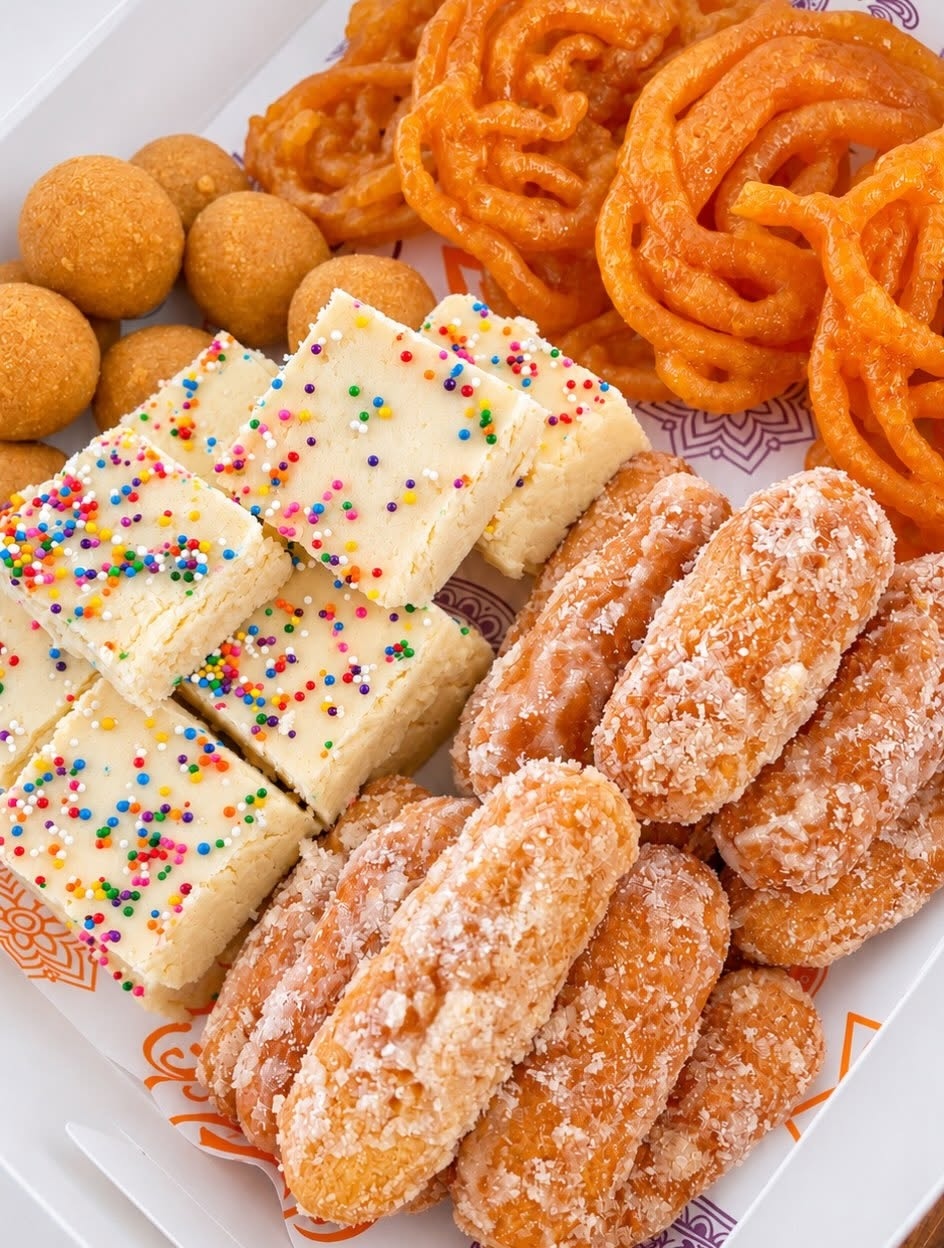
For someone managing diabetes, smaller portions, water or unsweetened drinks and vegetables alongside the festive dishes allow people to enjoy themselves without glucose spikes. Total carbohydrate intake matters, including rice, roti and sweets.
(via Classy Delights.)
Fireworks can cause burns, eye injuries and permanent hearing damage, all for a spectacle that lasts seconds. There is nothing festive about leaving someone else hurt or terrified. It also doesn’t make sense to invite an elderly mamoo (uncle) to your home if the staircase is too steep or you don’t have a bathroom that is accessible.
If there is an accidental burn, cool the affected area under cool running water for 20 minutes. Remove nearby jewellery and clothing that is not stuck.
Avoid butter, oil or toothpaste. Deep or extensive burns, injuries involving important areas such as the face or hands and suspected smoke inhalation need urgent medical attention.
Divali preparations also bring another question to mind. Someone can help with the cooking, distribute sweets, smile for the photograph and still be struggling badly.
Depression is an illness for which effective treatments are available but stigma exists. These persons have humour, opinions, memories and something to contribute beyond an opportunity for the rest of us to feel compassionate. They deserve a place at the table where the decisions are made and one where the food is served.

The same care belongs in our public life. We cannot talk warmly about children while making little room to hear their fears. We cannot celebrate older people and then treat the work of caring for them as somebody else’s problem. Nor does gratitude to healthcare workers excuse poor treatment of them for the rest of the year.
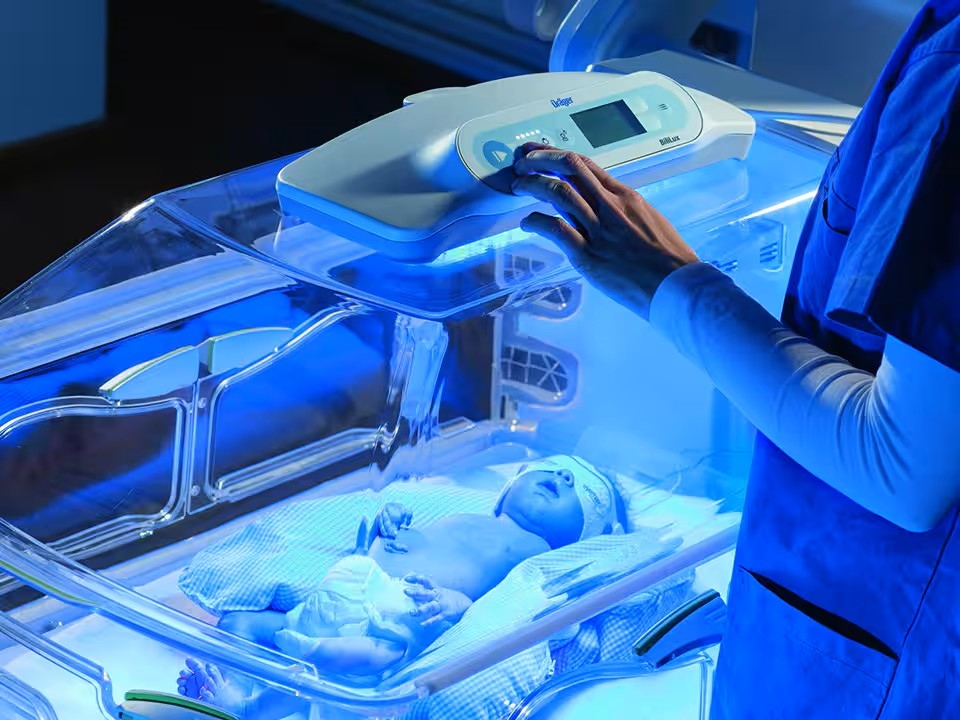
Divali is also called “The Festival of Lights”. In a newborn unit, light can be treatment. For babies whose jaundice requires phototherapy, carefully controlled blue light changes bilirubin into forms the body can remove more readily. The treatment is prescribed and monitored—it is not a reason to put a jaundiced baby in the sun.
Think of what surrounds that light: someone recognises the problem, someone measures the bilirubin, someone checks the equipment, feeds the baby and explains the plan to anxious parents.
(via Draeger.com.)
Good intentions require arrangements. When public funds are wasted, the loss eventually reaches a bedside. It may mean equipment left unrepaired, supplies not purchased or a service unable to meet demand.
Citizens are entitled to ask what was promised, what was delivered and who is responsible for the difference.
Of course, no one needs a government portfolio to make another person’s day more bearable. A lift to a clinic can help. So can collecting a prescription, giving a caregiver a few hours’ rest or a casual visit.
(via Masxworld.)
This Divali, there will be much to enjoy: the prayers, the deyahs, the food, the children’s excitement and the generosity of strangers. Joy has its own place in a troubled country.
Then morning will come. The lamps will have burned down. People will return to work, to clinics, to wards and to the care of relatives who were ill before the holiday and remain ill after it.
What we do for them will say more about us than anything we said beside a lighted lamp.
Shubh Divali, Trinidad and Tobago.
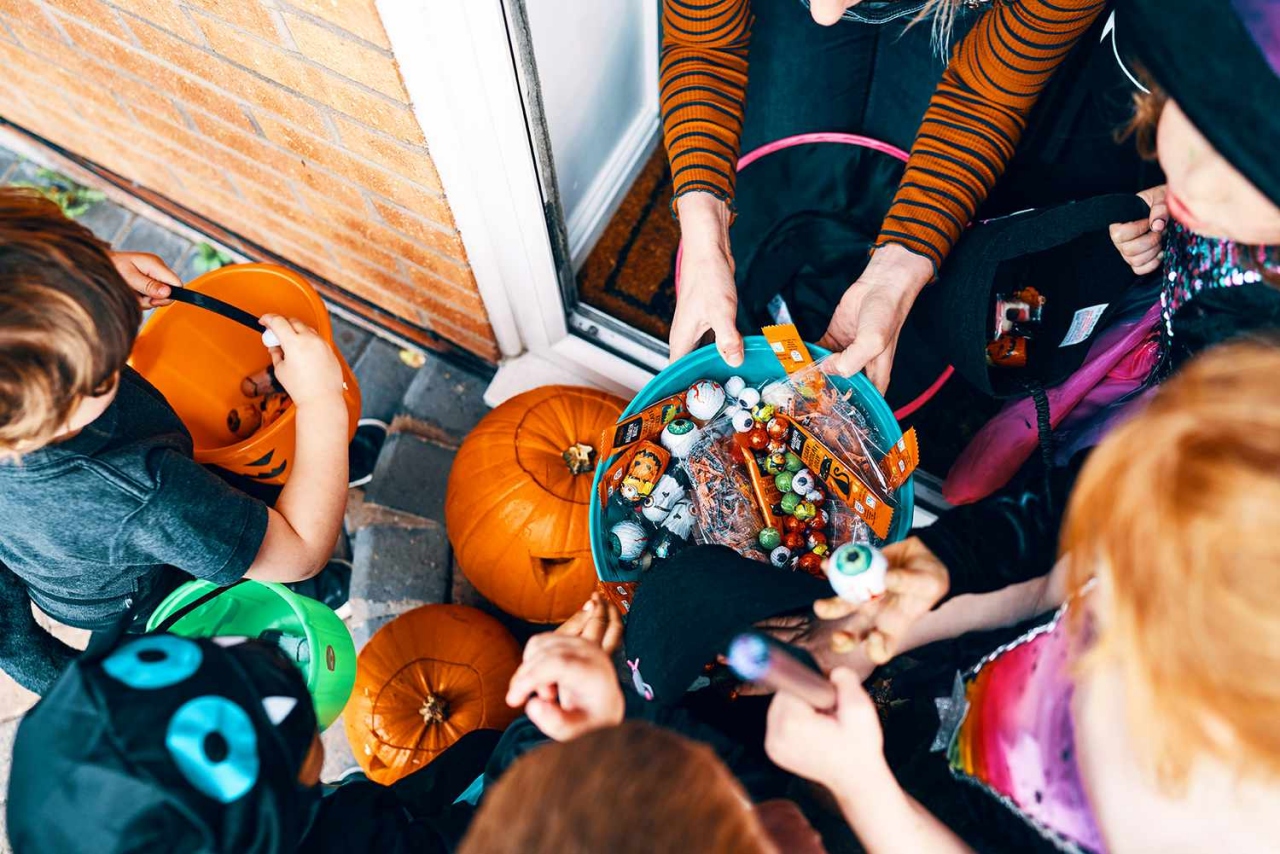
The soucouyant, douen and La Diablesse have been doing the night shift for generations locally. Now they must compete with Read more
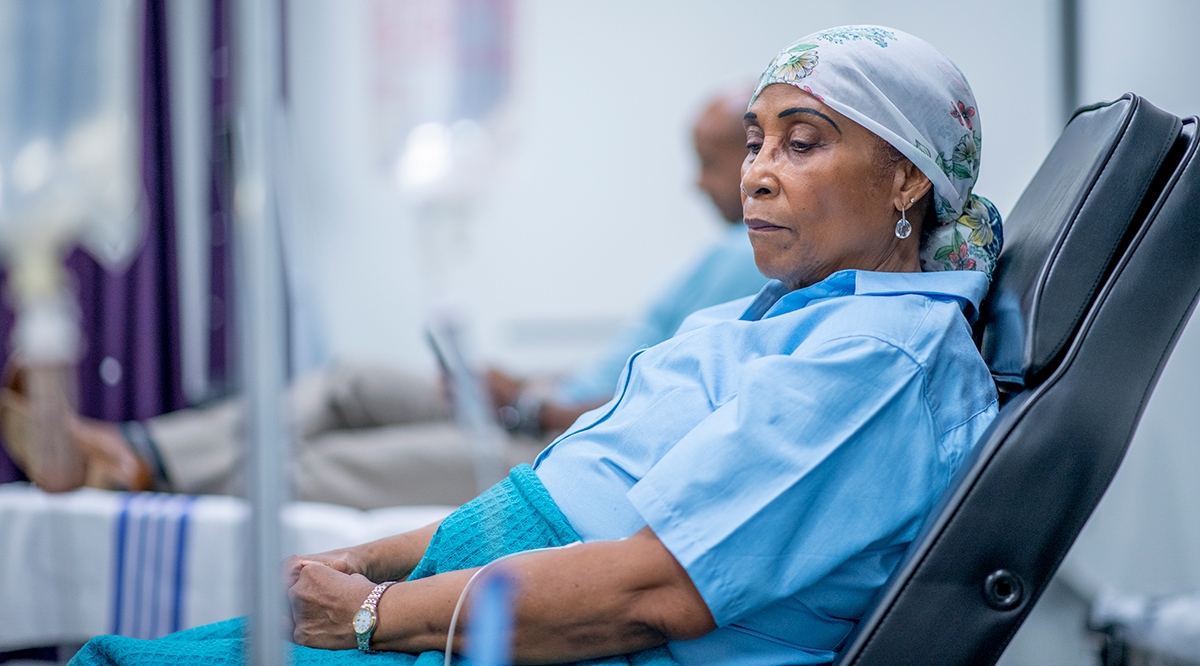
Mrs M died last year. I remember the vegetables from her husband’s garden (including my first dragonfruit) and the delicacies Read more
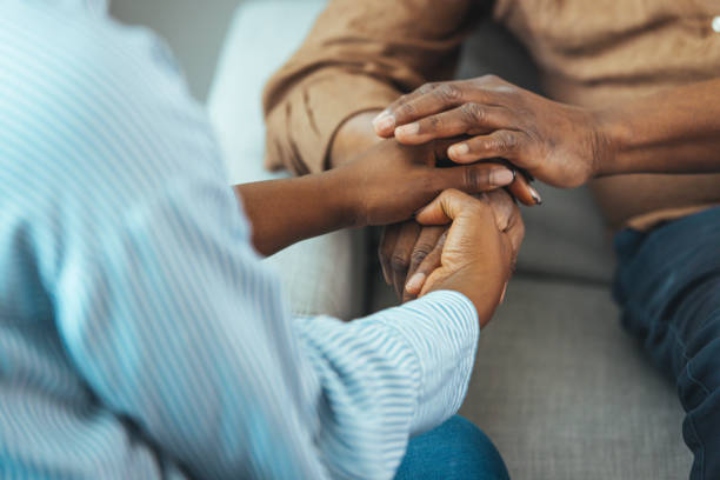
Imagine her beside the hospital bed, handbag slipping off one shoulder, phone vibrating with messages from work. Her father is Read more
As always, October looks lovely. There are pink ribbons to look at in the bank while waiting in an awfully Read more
The prescription for healthy living was flawless, if I do say so myself. Grilled fish, fresh vegetables, fruits bursting with Read more
Covid-19 was a masterclass in socioeconomic inequities but heatwaves have also ignited pervasive disparities in our society. The elderly, those Read more