 Wired868 Wired868 for smart sport news and opinion
The tragedy off Staubles Bay last Sunday left six people dead after two pleasure craft—a 28-foot vessel and a 29-foot vessel—collided in waters that should be among the safest in the country.
Six families are grieving. The victims were young. And the uncomfortable truth is that this was not an unavoidable act of God. It was a preventable failure, and the warnings have been sounding for decades.

Compare it with the road. If two cars collided on a major highway and six people died, the response would be immediate and systematic: licences checked, insurance verified, vehicles inspected, drivers breathalysed, speed and road conditions examined, a coroner’s inquest opened, charges laid where warranted, and a minister forced to answer questions.
We accept that as normal because we decided long ago that driving is a privilege with rules attached. Yet on the water, we have allowed a parallel transport system to operate with almost none of those guardrails.
Were the operators licensed? Were the vessels insured and registered? Was anyone tested for alcohol? Were there speed limits? Was anyone patrolling?
Those are not exotic or difficult questions. They are the bare minimum of a functioning maritime safety regime, and the fact that we are still asking them after six deaths is the real scandal.
Whatever reservations some may harbour about its leadership, Fishermen and Friends of the Sea (FFOS) has put it bluntly: “Thirty years of warnings, thirty years of excuses.”
The organisation has pleaded with successive governments to modernise fisheries and maritime management legislation—to mandate vessel registration, captain licensing, operator competency, speed restrictions and enforcement. Thirty years. And still we are burying teenagers.
The draft Small Boats Policy already proposes licensing and inspection for pleasure craft and fishing vessels, but it remains a draft. The Shipping Bill 2026, which would repeal and replace the creaking Motor Launches Act and Shipping Act, has been introduced but not passed.
Pass it. Implement it. Stop treating draft policies as substitutes for law.
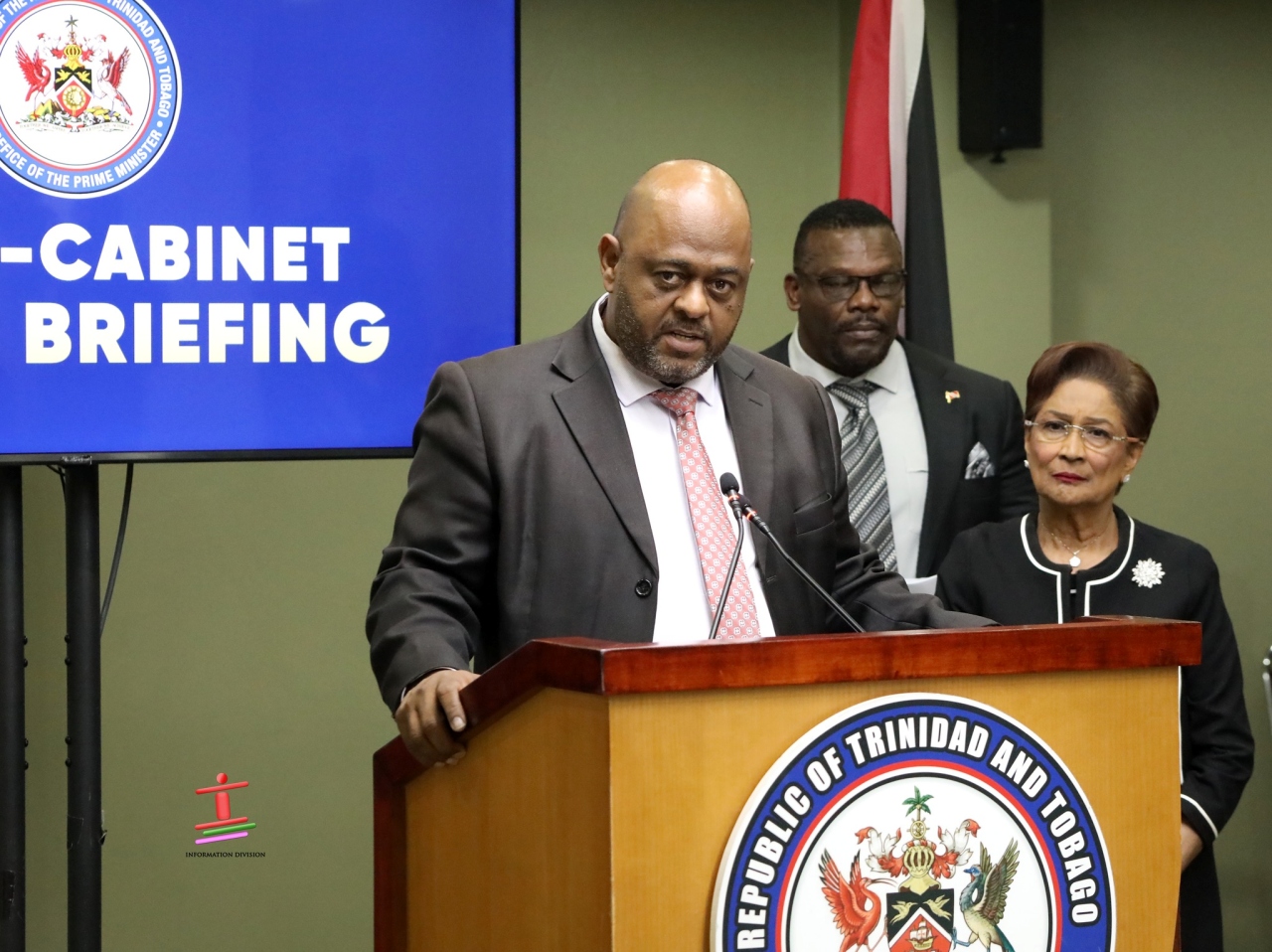
Photo: Office of the Prime Minister.
The pragmatic fixes are not mysterious. Make registration, insurance and operator licensing mandatory for all powered pleasure craft above a modest horsepower threshold. Set a minimum age for operating high-powered vessels and require a competency test, just as we do for drivers.
Make life jackets mandatory to wear—not merely to carry—for every passenger, on every trip. Reports that life jackets were available on one vessel but not worn should end that debate immediately.
Require VHF radios, GPS and emergency beacons, and back that up with random inspections at ramps and marinas. Introduce enforceable speed limits and no-wake zones near bays, anchorages and swimming areas, with a legal alcohol limit and testing powers.

Reckless operation should carry penalties that bite: fines, suspension and seizure.
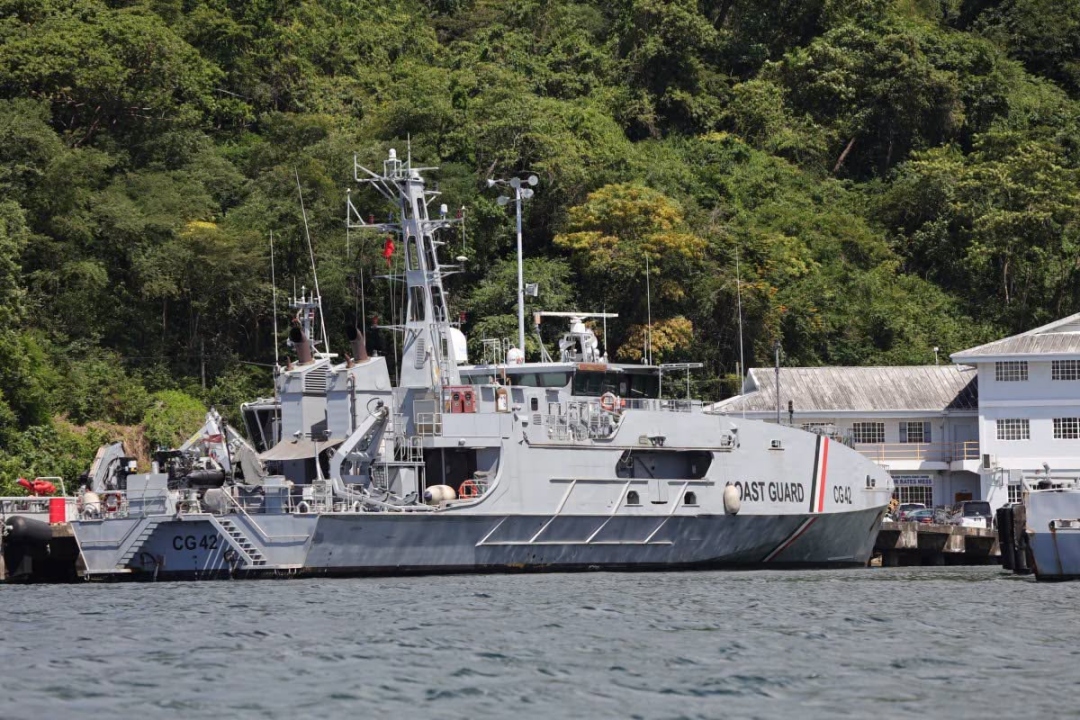
We also need boots on the water. The Coast Guard’s primary mandate is border security, and that is understandable—but it cannot be an excuse for leaving recreational boating unpatrolled. Establish a dedicated marine safety unit with funding, training and clear authority to stop, cite and, where necessary, seize vessels.
The Defence Minister insists there was no government inaction because the Coast Guard arrived in four minutes. That is commendable. But responding quickly to a tragedy is not the same as preventing one.
And reports that a child may have been at the helm of one vessel—still unproven and denied by at least one party—should appall us, because the fact that such a scenario is even plausible tells you everything about the regulatory vacuum in which we are living.
Finally, accountability. An independent, transparent investigation must be completed and made public, with findings on causation and recommendations carrying deadlines.
The ministry and the Maritime Services Division should publish an implementation timetable and annual safety statistics, and Parliament should scrutinise both. Three decades of draft policies and repeated warnings cannot end with another condolence statement and another file on a shelf.
I do not want to be writing this letter again. I do not want to see another family clutching photographs on the evening news. The solutions are affordable, practical and overdue.
If we can licence every driver, register every car and police every road, we can do the same on the sea. Six lives demand nothing less.

“[…] A child is not a collection of bills to be divided equally without considering the circumstances of the parents Read more

“[…] It’s not necessarily that I don’t like you—it’s just immensely discomforting to be up close and personal. “It feels Read more

“[…] I urge our PM not to use the word ‘coolie’ to self-reference. I accept the fact that you may Read more

In two years, I will be a pensioner myself. So when I say the upcoming budget must increase the old Read more

“[…] ‘No rule was broken’ is a legal answer to a question that isn’t, at its heart, legal. It’s a Read more

Is this new UNC Government celebrating our Independence, or declaring its independence from public accountability and the rights of its Read more

Salaah Inniss is an ardent writer with an enthusiasm for bringing insightful views on national issues. He graduated from Cipriani College in Environmental Management, and is presently working in the Integrated Facilities Building Service Industry. He is an empathetic supporter of conservation and the protection of the environment.