 Wired868 Wired868 for smart sport news and opinion
“[…] In April 2025, Wired868 reported that TTFA safeguarding manager Gary St Rose said his department had handled 561 reported concerns over three years.
“According to his account, 23 progressed beyond counselling, 15 were settled through mediation and eight involved formal correspondence. He said formal action had been taken on approximately four occasions. Read the report.
“These figures must be interpreted carefully. A reported concern is not necessarily a proven safeguarding violation, and the figures do not establish how many cases remain unresolved today. Nor do they provide an independently audited breakdown of completion times and corrective actions.
“That is precisely the problem: the public cannot reliably assess the effectiveness of a safeguarding programme without meaningful information about its outcomes…”

The following Letter to the Editor, which considers whether the Trinidad and Tobago Football Association (TTFA) Safeguarding Department is functioning in a manner that properly protects children and can earn the trust of parents and stakeholders, was submitted to Wired868 by Betterment:
Due process must protect fairness, not become an excuse for indefinite uncertainty when the welfare of children in TTFA-sanctioned sport is at stake.

Photo: Nicholas Bhajan/ Wired868.
When parents entrust their children to the Trinidad and Tobago Football Association (TTFA), they are placing their trust in an institution responsible for more than football development. They are trusting it to protect their children.
That trust cannot depend on policies, workshops and public assurances alone. It must be demonstrated when safeguarding concerns are reported, when risks need to be assessed and when corrective action is required.
So, should parents and guardians demand a timeline for addressing safeguarding concerns involving their children?
Absolutely. They should demand urgency, accountability and a clear timetable for action—not a predetermined verdict.
The distinction matters. Parents cannot reasonably dictate whether an allegation is substantiated, demand that an individual be punished without a fair hearing or insist that confidential information be disclosed.
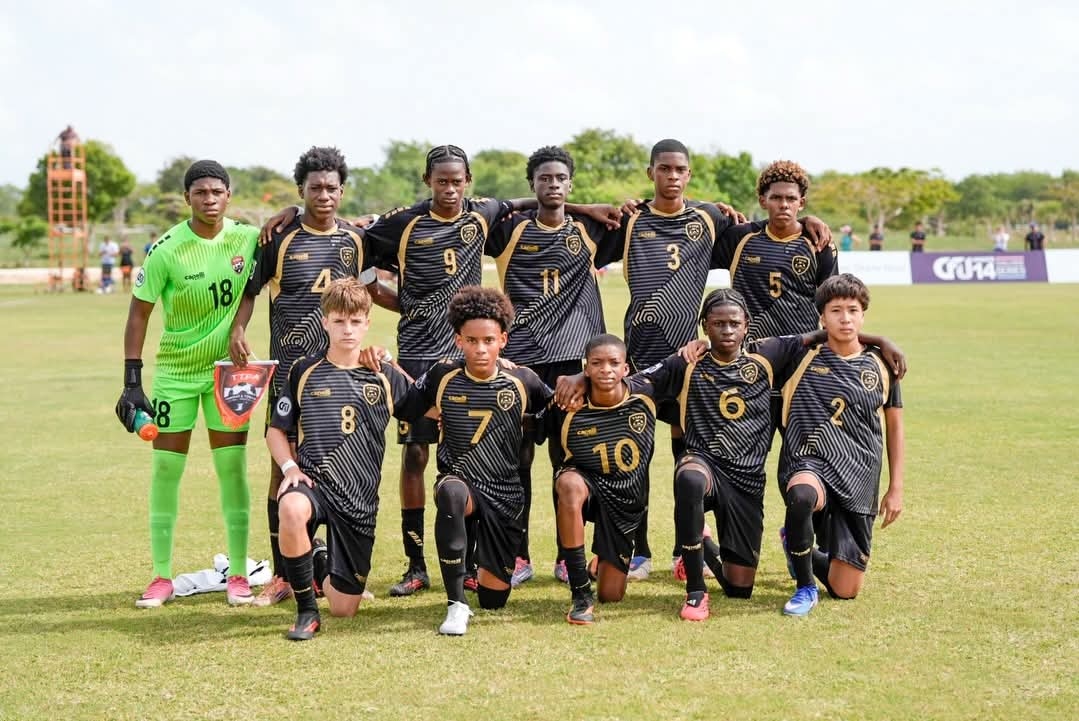
Photo: CFU.
But they should not be told that, because they cannot control the investigation, they have no legitimate say in how promptly their concerns are addressed.
Due process and accountability are not opposing principles. Both are essential to effective safeguarding.
The numbers demand greater transparency
In April 2025, Wired868 reported that TTFA safeguarding manager Gary St Rose said his department had handled 561 reported concerns over three years.

According to his account, 23 progressed beyond counselling, 15 were settled through mediation and eight involved formal correspondence. He said formal action had been taken on approximately four occasions. Read the report.
These figures must be interpreted carefully. A reported concern is not necessarily a proven safeguarding violation, and the figures do not establish how many cases remain unresolved today. Nor do they provide an independently audited breakdown of completion times and corrective actions.
That is precisely the problem: the public cannot reliably assess the effectiveness of a safeguarding programme without meaningful information about its outcomes.

Rondon received his second safeguarding suspension on 21 July 2026, which runs for 90 days until 19 October 2026.
Photo: Daniel Prentice/ Wired868.
The TTFA should publish annual, anonymised statistics showing the number of reports received, the number investigated, the number closed, the number still open, the average time taken to resolve matters and the corrective measures implemented.
Protecting confidentiality does not prevent the publication of aggregate statistics.
Other reporting demonstrates that these questions extend beyond one publication or one complainant.
In March 2025, Trinidad and Tobago Newsday reported that the TTFA had imposed an indefinite restriction preventing national Under-17 coach Shawn Cooper from coaching minors.

(via TTFA Media.)
The decision raised questions about the application of the association’s safeguarding policy and the implications of an open-ended restriction. Read Newsday’s report.
In May 2026, the Trinidad Guardian reported that the High Court dismissed Cooper’s application for an injunction to lift the restriction. The judge considered, among other matters, his delay in seeking interim relief and the evidence presented.
The decision was not a final determination of every issue in the underlying dispute. Read the Guardian’s report.
This case illustrates why safeguarding procedures must protect everyone involved. Children must be protected from potential harm, while people subject to restrictions must receive fair treatment and access to appropriate procedures.

Photo: Nicholas Bhajan/ Wired868.
An unresolved or prolonged process can undermine confidence on both sides.
Meanwhile, Newsday reported in December 2024 that the TTFA had revised its safeguarding policy, including provisions concerning licensing, background checks and the engagement of individuals working with children. Read the report.
Having a policy is necessary. Demonstrating that it works consistently, promptly and fairly is the real test.
In October 2026, Wired868 published competing accounts concerning safeguarding and travel arrangements involving the Boys’ National Under-14 team. A concerned parent raised questions about a player’s travel difficulties, supervision and outstanding reimbursement.

Romain is the National U-14 team manager and the subject of a safeguarding complaint.
Photo: Daniel Prentice/ Wired868.
The TTFA safeguarding manager subsequently outlined the correspondence and explained that aspects of the matter required input from multiple departments.
The manager maintained that the concerns remained under consideration and that confidentiality and procedural requirements limited what could be disclosed. The allegations were not established findings.
Nevertheless, the exchange raises a legitimate question: when a parent reports a concern, should that parent be entitled to ask whether immediate risks have been assessed and when the next update is expected?
Yes.
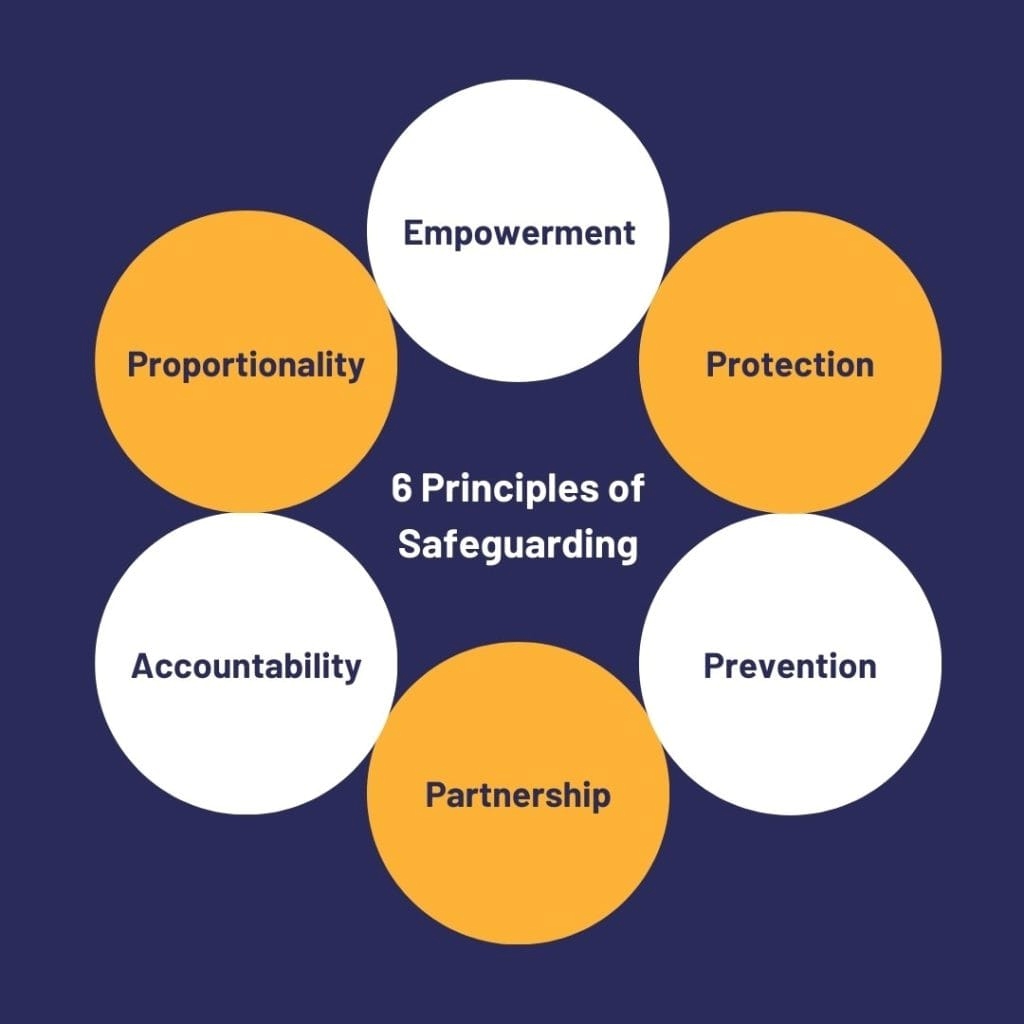
The association may need time to obtain records, interview relevant people and assess conflicting information. But some protective steps do not require a final verdict. Travel procedures can be reviewed, supervision arrangements strengthened and potential risks assessed while an investigation continues.
The investigation may take time. Protecting a child from an immediate risk cannot simply be postponed until the investigation ends.
Fifa’s safeguarding framework recognises that protecting children requires appropriate prevention and responses to concerns, as well as systems for addressing risks.

In March 2026, Fifa announced a comprehensive safeguarding policy structured around prevention, response—including investigation, resolution and remedy—competition safeguarding, monitoring and evaluation, and governance and accountability. Read Fifa’s announcement.
This is an important principle for the TTFA: safeguarding is not complete merely because a complaint has been received or an investigation has commenced. The system must also manage risk, review its effectiveness and address deficiencies.
A parent who asks for a timeline is not necessarily attempting to control the process. They may simply be seeking reassurance that the matter has not disappeared into an administrative maze.
(via TTFA Media.)
The TTFA’s position that a complainant cannot determine the investigation’s timetable is understandable, if it means that no complainant can dictate a verdict or force an investigator to ignore due process.
It becomes much less persuasive if interpreted to mean that the institution need not provide reasonable expectations, explain avoidable delays or review outstanding matters.
Parents should not dictate the outcome. But neither should an institution have unlimited discretion to leave them without meaningful procedural updates.
What should parents be entitled to demand?
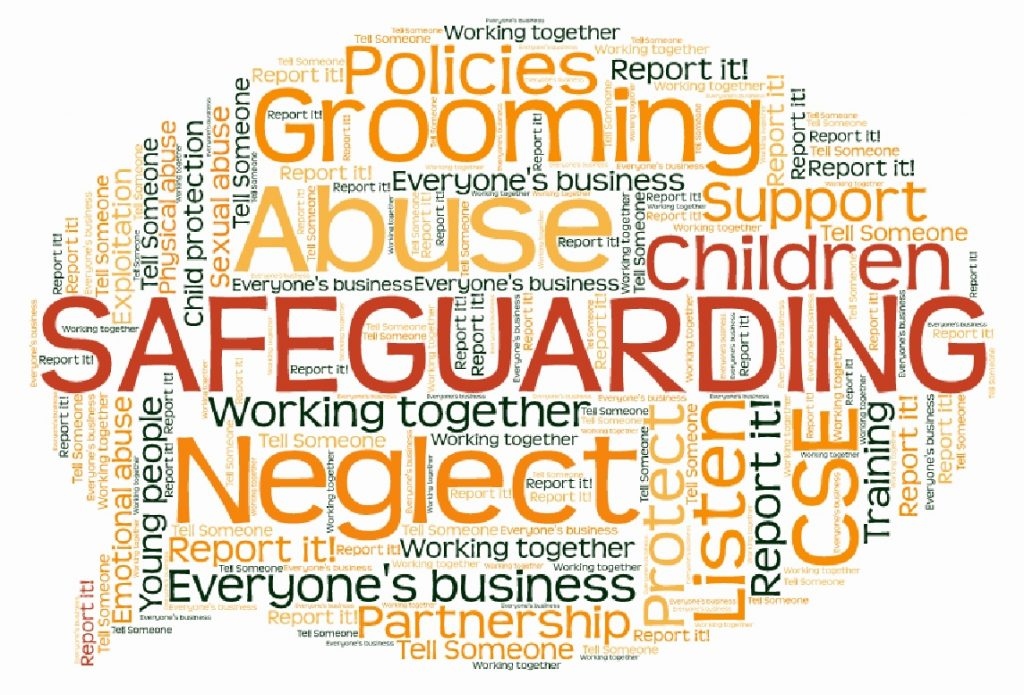
The TTFA should establish clear service standards for safeguarding complaints involving minors:
- Prompt acknowledgement and an initial assessment of risk.
- Consideration of appropriate interim protective measures where necessary.
- An indicative timeline for the next procedural milestone.
- Regular updates when investigations remain open.
- Written explanations when expected timelines change.
- Periodic review of prolonged restrictions and unresolved cases.
- Appropriate communication about the outcome, subject to confidentiality and the rights of others.
These standards would not force investigators to rush complex matters. They would require the institution to manage those matters responsibly.
A parent requesting an expedited review should not automatically get priority over every other case. The request should be assessed according to the seriousness and immediacy of the risk, the child’s circumstances and the need for a fair investigation.

Photo: Daniel Prentice/ Wired868.
That is not parental interference. It is a reasonable expectation of responsible administration.
There is a danger in treating every demand for urgency as an attack on due process. Equally, there is a danger in allowing public pressure to determine guilt or punishment. Neither approach serves children.
The answer is a transparent process with clear milestones, proportionate interim measures, justified extensions and appropriate oversight.
Parents must respect confidentiality and refrain from demanding predetermined findings. The TTFA, in turn, must recognise that confidentiality does not prohibit every meaningful update, and that procedural fairness does not eliminate the responsibility to explain delays.

Photo: Sinead Peters/ Wired868.
When a child participates in a TTFA-sanctioned activity, safeguarding responsibility does not begin when a complaint is resolved. It exists throughout the process.
The association should therefore welcome reasonable questions about timelines, risk management and corrective action. These questions are not a threat to safeguarding. They are part of the accountability that gives safeguarding credibility.
Our children are not files awaiting administrative closure. They are young people entrusted to sporting institutions for their development, protection and wellbeing.

Photo: Wired868.
Parents should never have the power to dictate guilt. But they should have every right to demand urgency when risk warrants it, a reasonable timeline for action, meaningful updates and accountability when delays cannot be justified.
Due process is essential. Indefinite uncertainty should not be its price.
|
Wired868 has provided readers with solid, independent journalism since 2012. If you appreciate our work, please contribute to our efforts. Support Independent Journalism |


“[…] A Trinidad and Tobago National U-14 player was reportedly left at Piarco International Airport at approximately 3am, after the Read more

“[…] The safeguarding process belongs to the protection of the child and the proper management of risk—it does not belong Read more
“[…] There are also concerns about statements reportedly made to players and/or during discussions with members of the football community, Read more

“[…] Safeguarding in youth sports does not simply mean preventing abuse; it encompasses a proactive commitment to avoid all unnecessary Read more

“[…] Under Fifa’s Code of Conduct and Disciplinary Code, the use of profanity or degrading language by coaches can constitute Read more

“[…] The pattern is familiar: someone speaks up, gets labelled, and only later do we come to understand the weight Read more

Want to share your thoughts with Wired868? Email us at editor@wired868.com.
Please keep your letter between 300 to 600 words and be sure to read it over first for typos and punctuation.
We don’t publish anonymously unless there is a good reason, such as an obvious threat of harassment or job loss.