 Wired868 Wired868 for smart sport news and opinion
“[…] Often, our instinct is to protect athletes. Making mistakes, losing races, or failing can be embarrassing, frustrating, and sometimes devastating. So, we try to make them feel better by saying things like: ‘It’s okay’, or ‘You’ll get them next time’.
“While those statements may be true, they are incomplete. Failure is part of the learning process, but coaches must help athletes understand why the failure occurred and what can be learned from it…”
The following guest column on the importance of critical feedback from coaches was submitted to Wired868 by Canada-based track coach Tony Hatt:

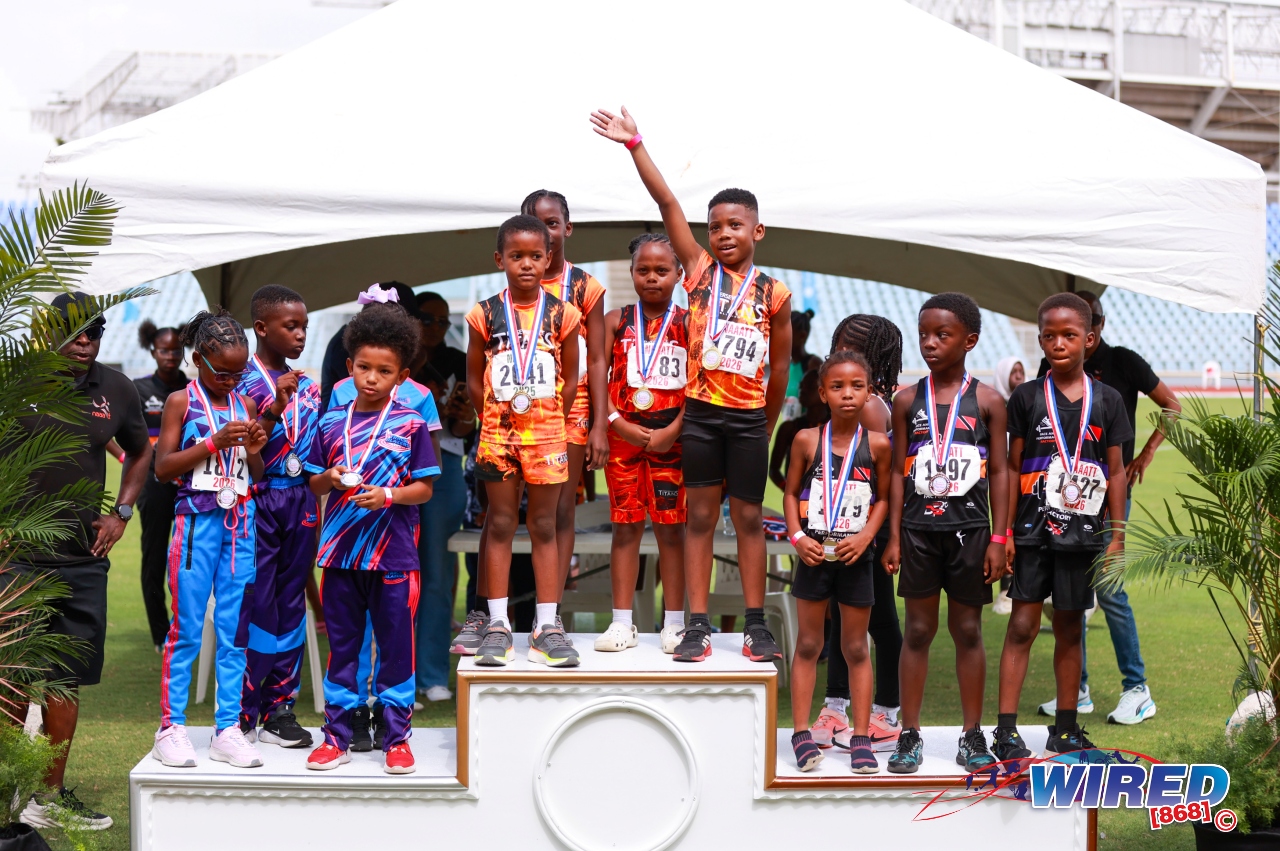
Photo: Allan V Crane/ Wired868.
Many coaches avoid criticism because they do not want to hurt feelings. As a result, giving negative feedback ranks high on the list of things many coaches would rather avoid.
I am not going to sugar-coat an athlete’s performance or claim expertise where I do not have it. I have been coaching for more than 40 years and writing columns even longer. My approach has remained the same regardless of who I coach.
One of our responsibilities as coaches is to help develop mental toughness and resilience. That responsibility becomes even more important during major championship-type events.

Photo: Daniel Prentice/ Wired868.
Often, our instinct is to protect athletes. Making mistakes, losing races, or failing can be embarrassing, frustrating, and sometimes devastating. So, we try to make them feel better by saying things like: “It’s okay,” or “You’ll get them next time.”
While those statements may be true, they are incomplete.
Failure is part of the learning process, but coaches must help athletes understand why the failure occurred and what can be learned from it. That learning is what helps them improve next time.
Ignoring or sugar-coating mistakes, poor performances, and losses prevents learning and growth. Acknowledging mistakes, normalizing setbacks, and helping athletes process them builds resilience and maturity.
Athletes must understand: “Yes, you failed, but that does not make you a failure.”
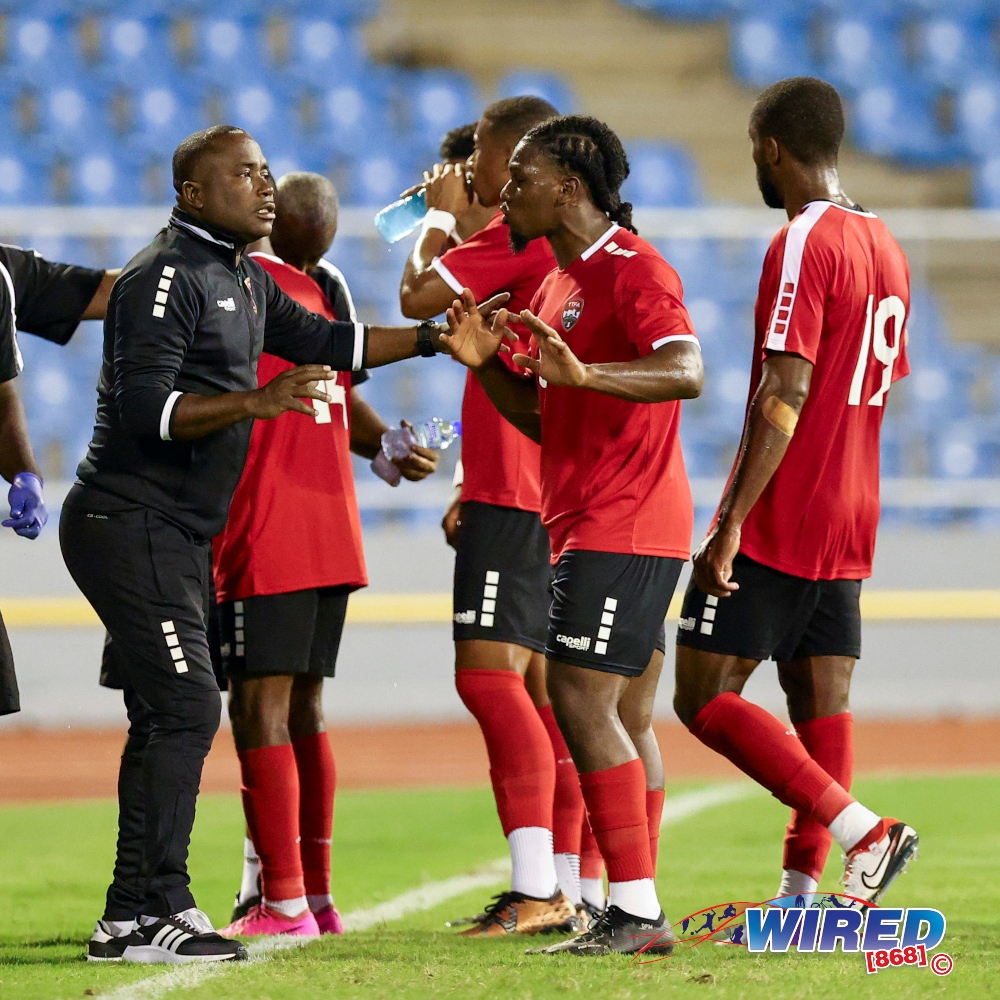
Photo: Daniel Prentice/ Wired868.
At the same time, we should not act as though growth only comes from failure. Athletes can learn a great deal from success—both their own and that of others. This is especially valuable with young athletes because it allows coaches to teach without constantly criticizing.
Praise should not simply recognize results; it should identify the effort, discipline, strategy, or skill that produced the success.
Even the best athletes need honest feedback on how they can improve in training and competition.

Photo: Daniel Prentice/ Wired868.
As coaches, we owe it to our athletes to recognize excellent effort while also providing constructive criticism, so they clearly understand the standards required for improvement.
If athletes only hear from a coach when they perform poorly, they may feel unappreciated and eventually stop giving extra effort because “the coach never notices anyway”. On the other hand, if athletes hear only praise or silence, they are being deprived of the honest feedback necessary for development.
At the end of the day, our actions speak louder than our words. Coaches can say all the right things, but athletes will remember what we consistently demonstrate through our behaviour.
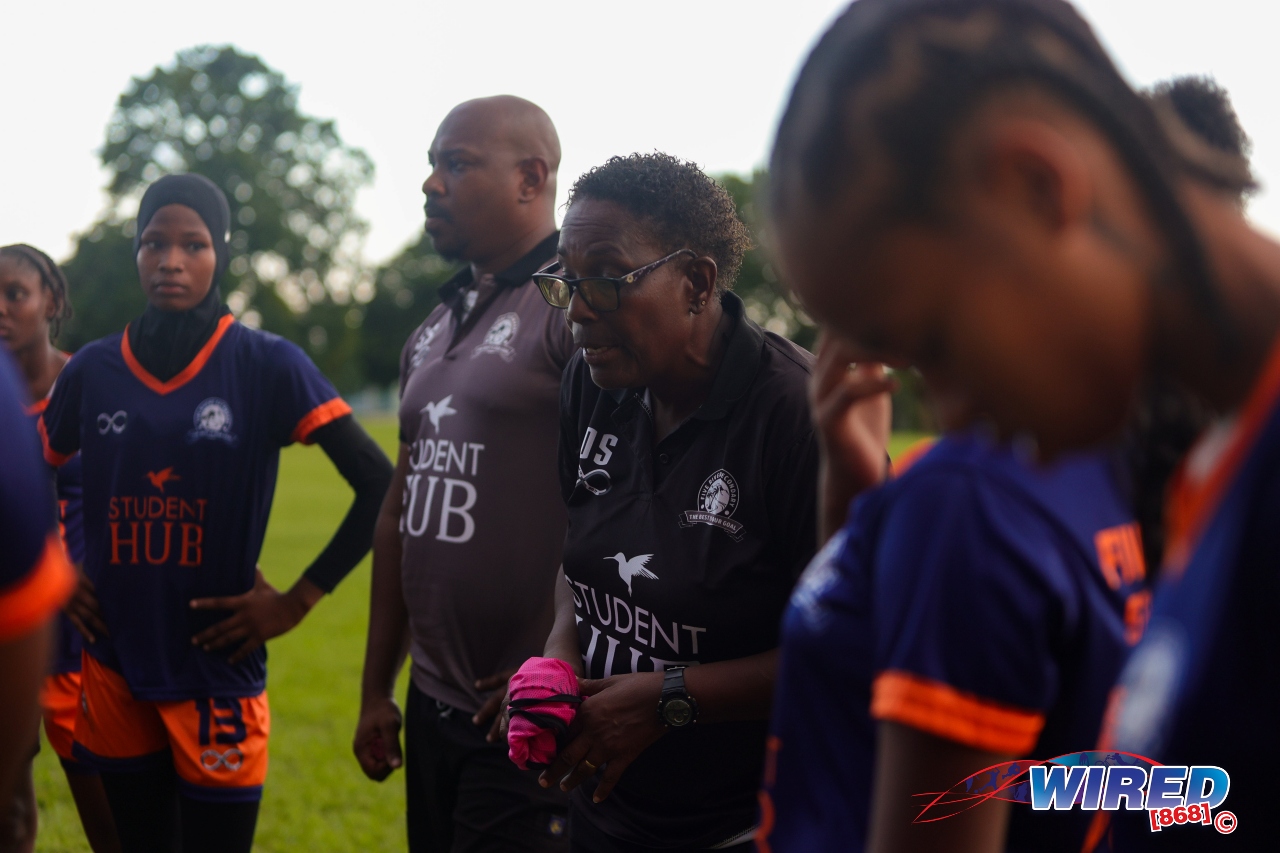
Photo: Nicholas Williams/ Wired868.
Coaches should deliberately think about the values, habits, and qualities they want to instil in their athletes. Write them down. Define what they mean and what they look like in everyday practice.
Athletes learn far more from what coaches consistently model than from what they merely say.
Run strong and free.

“[…] Concacaf has announced that a 16-team Women’s U-17 qualifying competition will take place in February 2027, as part of Read more
“[…] We kick off the Nations League competition on the road against Haiti, followed by Dominican Republic at home (on Read more
Trinidad and Tobago Boys’ National Under-14 Team head coach Randolph Boyce said his troops were placed in a tough group, Read more
“[…] This is not about necessarily copying Jamaica’s MVP, but developing the same philosophy with Trinidad and Tobago coaches, facilities, Read more

“[…] A letter was sent out on the 16th of July 2026 to all schools with its sole purpose being Read more

“[…] If a member (Trinidad school) is unable to fulfill their obligations it should be that member who must bear Read more

Want to share your thoughts with Wired868? Email us at editor@wired868.com.
Please keep your letter between 300 to 600 words and be sure to read it over first for typos and punctuation.
We don’t publish anonymously unless there is a good reason, such as an obvious threat of harassment or job loss.