 Wired868 Wired868 for smart sport news and opinion
In October 1995, I was part of a fellowship offered by the Committee to Protect Journalists. A dozen or so journalists from around the world were included and we met in Washington for a week before heading out to different newspapers.
I had chosen New Orleans because I felt it might be the most interesting spot for me as a Caribbean person and I spent a memorable month at the Times Picayune. Among the activities preceding the newspaper affiliations was a session at the Brookings Institute.
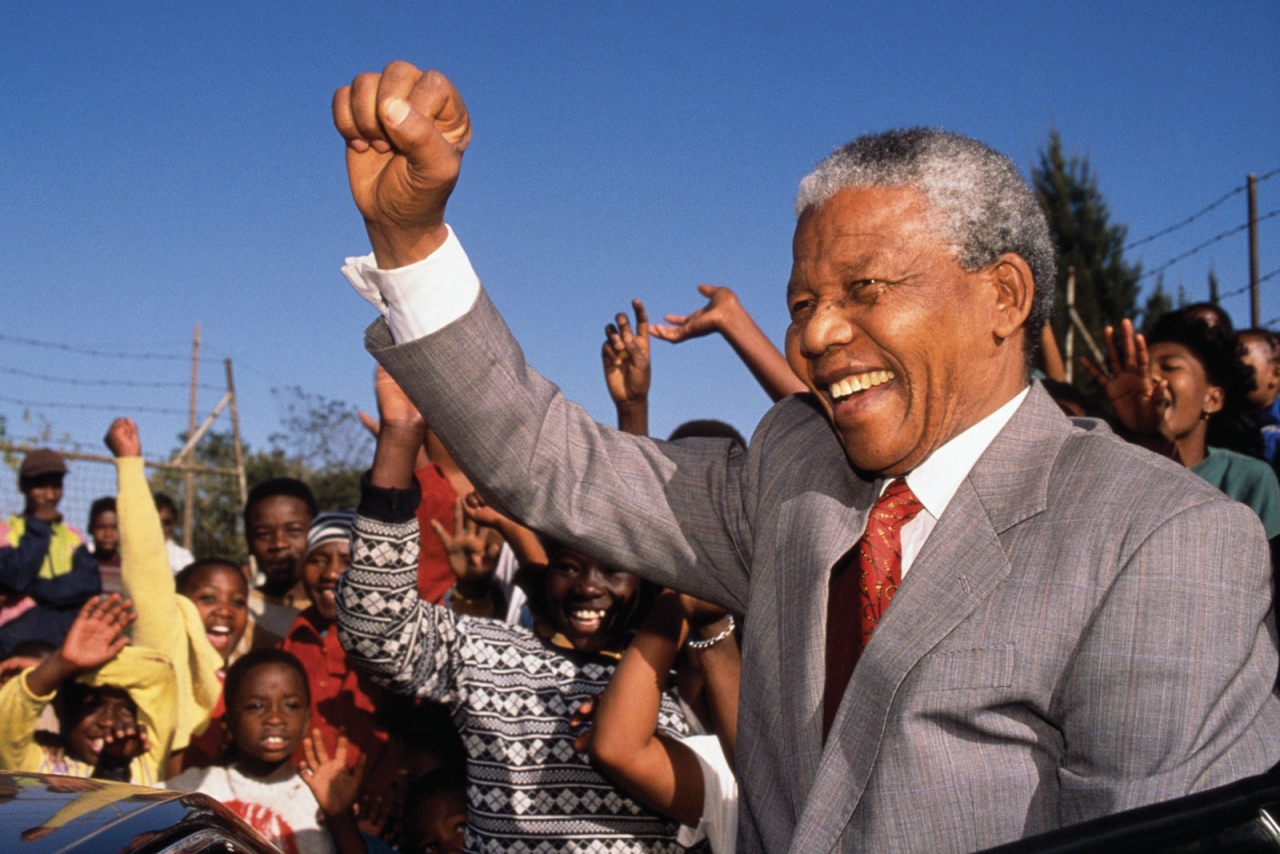
(via Ubm News.)
Participants were asked to name two influential political figures of the twentieth century. I chose Nelson Mandela and Mohandas Gandhi. I don’t remember the names of the choices of the facilitators, but they were all North American.
Recently, I was thinking about those two gentlemen, who left such powerful impressions on global politics, and felt compelled to recall the nature of their leadership and the complexity of the circumstances, given the trajectory of our descent as a society.
Back then, just over 30 years ago, while I knew the general stories which turned them into legends, it wasn’t until later that I learned more by reading both their autobiographies and delving deeper into their lives.
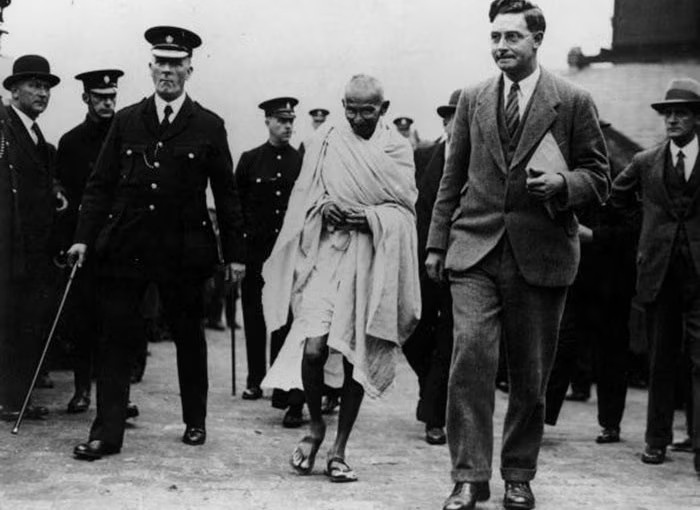
I was so disappointed by the insides of Gandhi’s mind that it altered my perception of him. I wrote about his conviction that as a man he was master of his wife (and children) in a 2020 column.
“Her duty was easily converted into my right to exact faithfulness from her, and if it had to be exacted, I should be watchfully tenacious of the right,” he’d written, adding that it caused a “bitter quarrel between us”. But he was sure of his righteousness.
“Let not the reader think, however, that ours was a life of unrelieved bitterness. For my severities were all based on love.
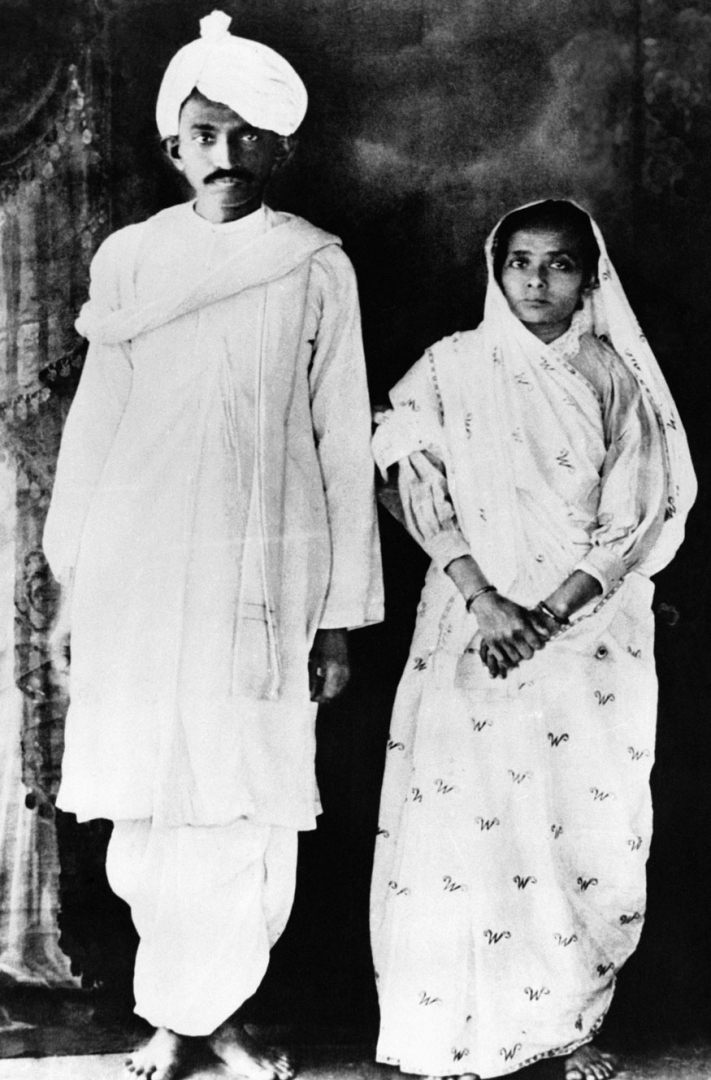
“I wanted to make my wife an ideal wife. My ambition was to make her live a pure life, learn what I learnt, and identify her life and thought with mine.”
There were stories too about Mandela. Stories that remind us that humans are not angels. (It always raises the question for me of the standards we hold for heroes, and how we measure them. What lines must remain inviolable?)
Integrity and decency are fundamental characteristics for me. But that aside, I believe that the way they navigated the volatility of their societies was a remarkable feat, worthy of emulation. Space doesn’t permit a lengthy summary but outlines might suffice.
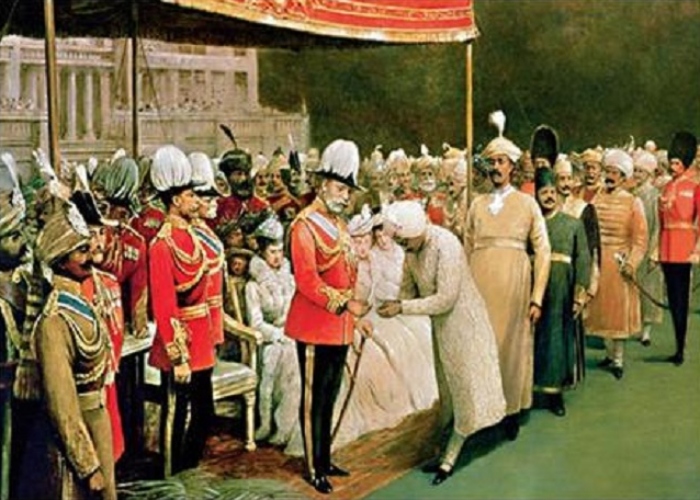
Gandhi was a key figure in the opposition to British colonisers (the enterprise at the heart of practically all global misery). He was against their occupation of India and campaigned against participating in the Second World War.
“Quit India,” he declared.
He was arrested and it triggered a wave of attacks against the British. He called for non-violent responses in the years that followed. He opposed the Partition that split India and Pakistan.
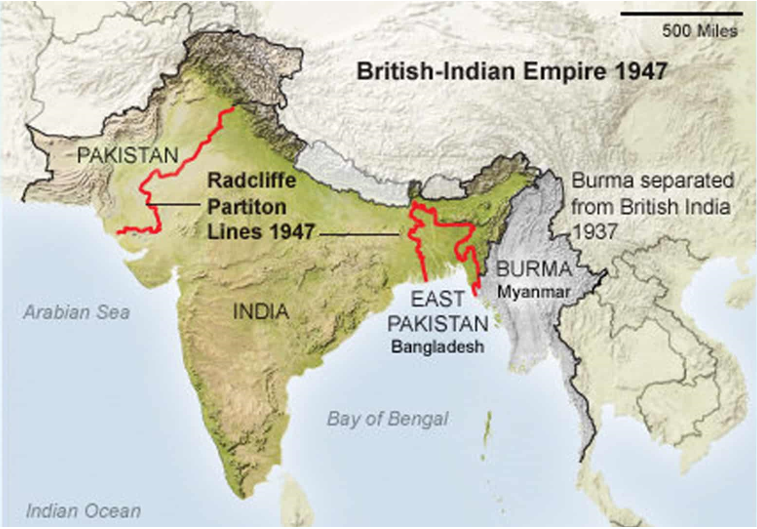
When Independence was declared in 1947, the country was riven. Hindus fought Muslims and Muslims fought Hindus. Murder and violence left hundreds of thousands dead and displaced, while the British packed their bags and left.
Gandhi’s resolute leadership in this tumultuous time cannot be diminished.
Meanwhile, over in South Africa, another grim horror had been relentlessly unfolding. Apartheid, instituted in 1948, a year after Partition, was decimating the black citizens and legally approved rules were used to crush the townships under the boots and bullets of the Afrikaners.
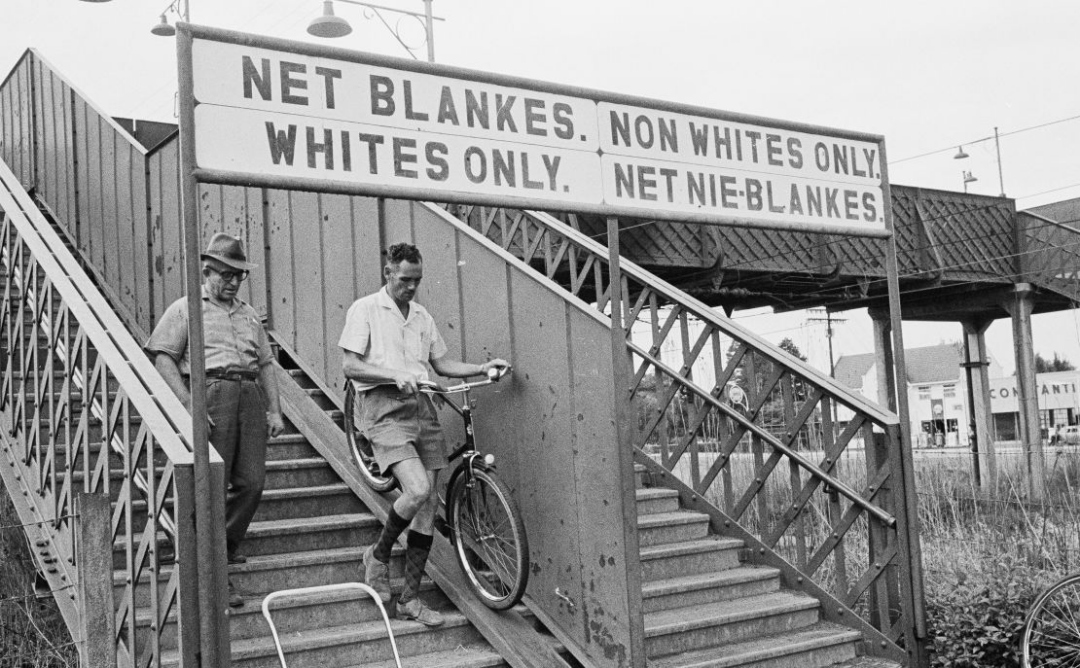
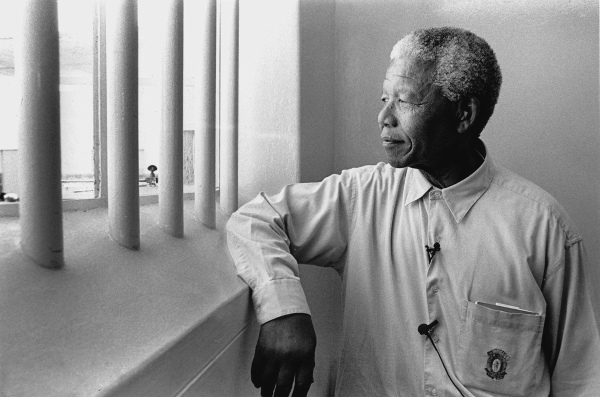
Mandela was an early member of the African National Congress, the ANC, and campaigned for civil rights. Like Gandhi, he was arrested for his activism and eventually in 1963 he was sentenced to life imprisonment.
As global voices were increasingly raised in protest against the apartheid system, and “Free Nelson Mandela” became the rallying cry, South African President FW de Klerk released him in 1990.
The following year he became president of the ANC and three years later, when apartheid was officially ended, and democratic elections were finally held, he was elected South Africa’s president in 1994.
(via LA Times.)
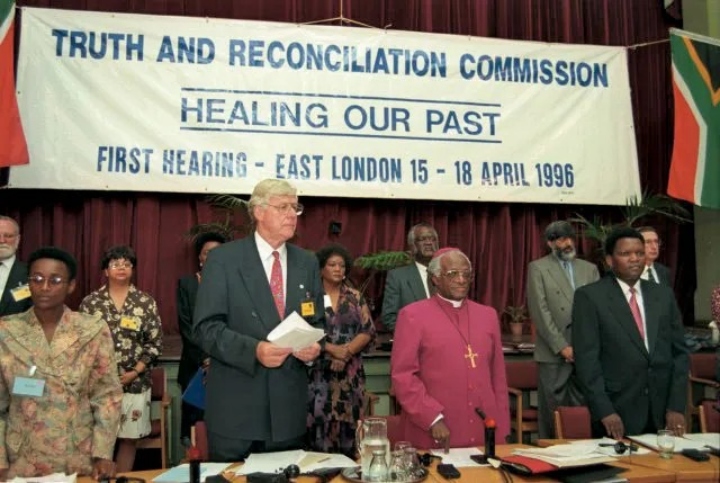
What he did next was extraordinary. He set up the Truth and Reconciliation Commission in 1995. With Archbishop Desmond Tutu as its chair, the Commission set up committees to focus on human rights violations, reparations, and amnesty, as it held public hearings across the country.
The TRC reported on the atrocities, but also offered a framework for healing—giving primacy to reconciliation over retribution. Naturally, its approach did not find total support. For many, the suffering could not be forgiven.
But the TRC introduced a new perspective on the path to healing, what was called transitional justice. Obviously, there were structural limitations, but the intent of national healing was its primary objective.
Even after his death, Mandela is still acclaimed for his role and his principles in the quest for justice and healing.
Despite their attempts, Gandhi and Mandela were unable to fix everything in their societies, but they chose paths that offered hope.
If we really care about ascending to a civil society which we can feel proud to claim as our own, then we would do well to look at the roads they travelled.
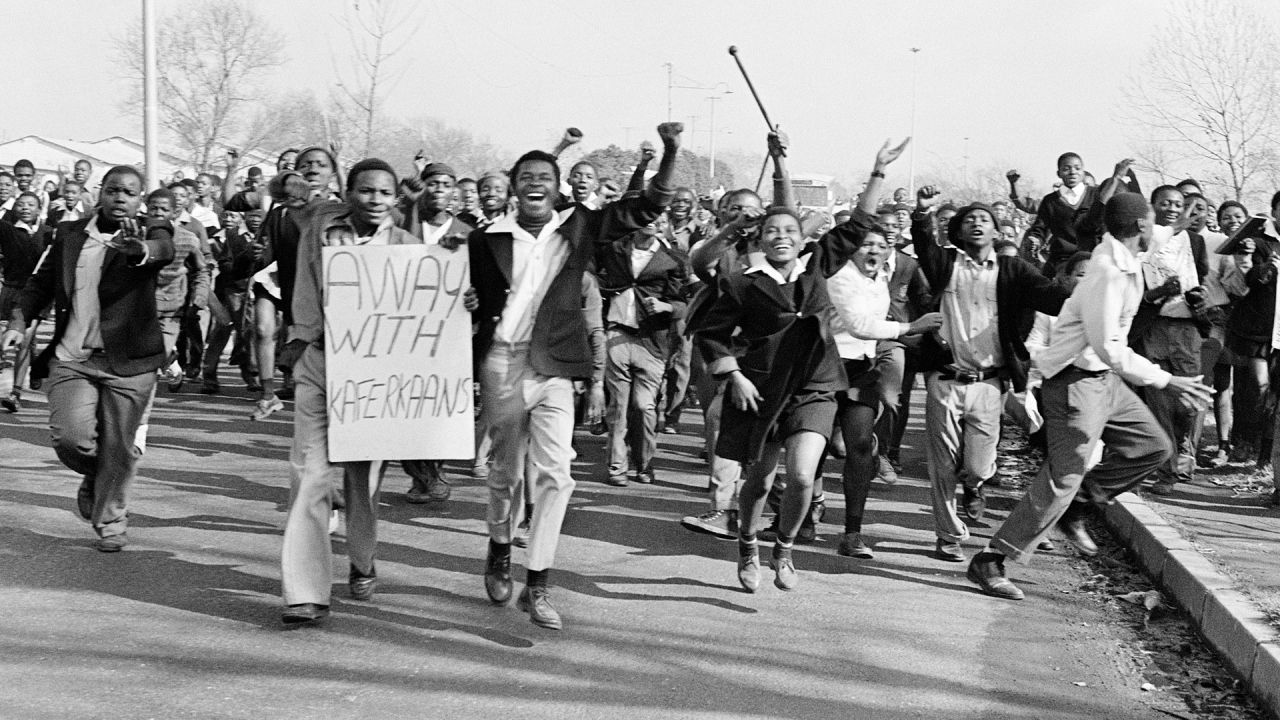
(via Unisa.ac.za.)
Evidently, this place we call home is carrying a load of fetid baggage. We can choose to lift it out of its crass morass or wallow like brainless beings, bereft of decency or integrity, on the road to perdition.
Having just celebrated 64 years of independence, discussions as to whether Trinidad and Tobago is better off since gaining independence Read more
My bossy back demands an extreme degree of planning if I am to venture out. Sitting or standing for an Read more
For those who might have wondered about the absence of my column last week, the Express has decided that it Read more

It isn’t something I do—but when Alta, the Adult Literacy Tutors Association, contacted me to ask if I would write Read more
Someone suggested rather irately that I write about how the rich and powerful operate with a different code, with such Read more
In the rhythm of life in Trinidad and Tobago, and across the wider Caribbean, we know the power of a Read more

Vaneisa Baksh is a columnist with the Trinidad Express, an editor and a cricket historian. She is the author of a biography of Sir Frank Worrell.