 Wired868 Wired868 for smart sport news and opinion
It isn’t something I do—but when Alta, the Adult Literacy Tutors Association, contacted me to ask if I would write something to bring some attention to their Readings Under the Trees event, I could not refuse.
Their annual event, held at the Royal Botanical Gardens (I am surprised that it is still called Royal) from 2.30 to 5.30pm on 14 March, is an informal gathering of authors and Alta student writers to share their work with the public.
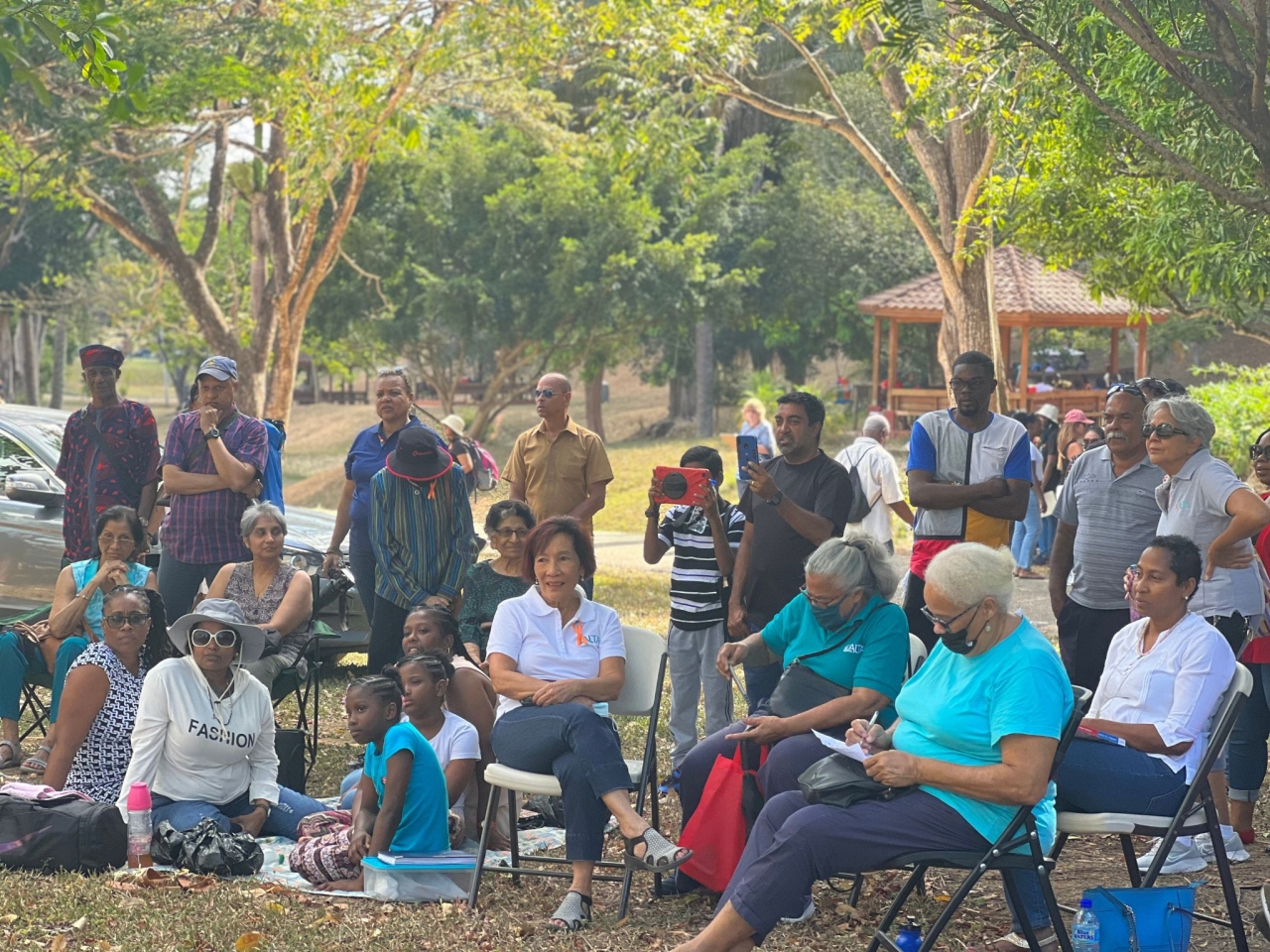
Photo: Janine Mendes-Franco/ Global Voices.
They describe it as a picnic-style affair, and encourage guests to walk with chairs, blankets, and food, so they can hunker down comfortably while listening to the literary fare. Although it’s a good month from now, you can jot it down in your calendar. After Carnival, it’s a welcome pause to reflect.
In any case, it seems worthwhile to talk about what Alta is all about because it is a largely unnoticed but valuable contributor to our society.
For someone who was a precocious reader, hitting up newspaper sentences by the time I was three, a world without written words seems a dull place. I’ve had a tumultuous life, and I’ve often said that reading was my saviour and writing my salvation.
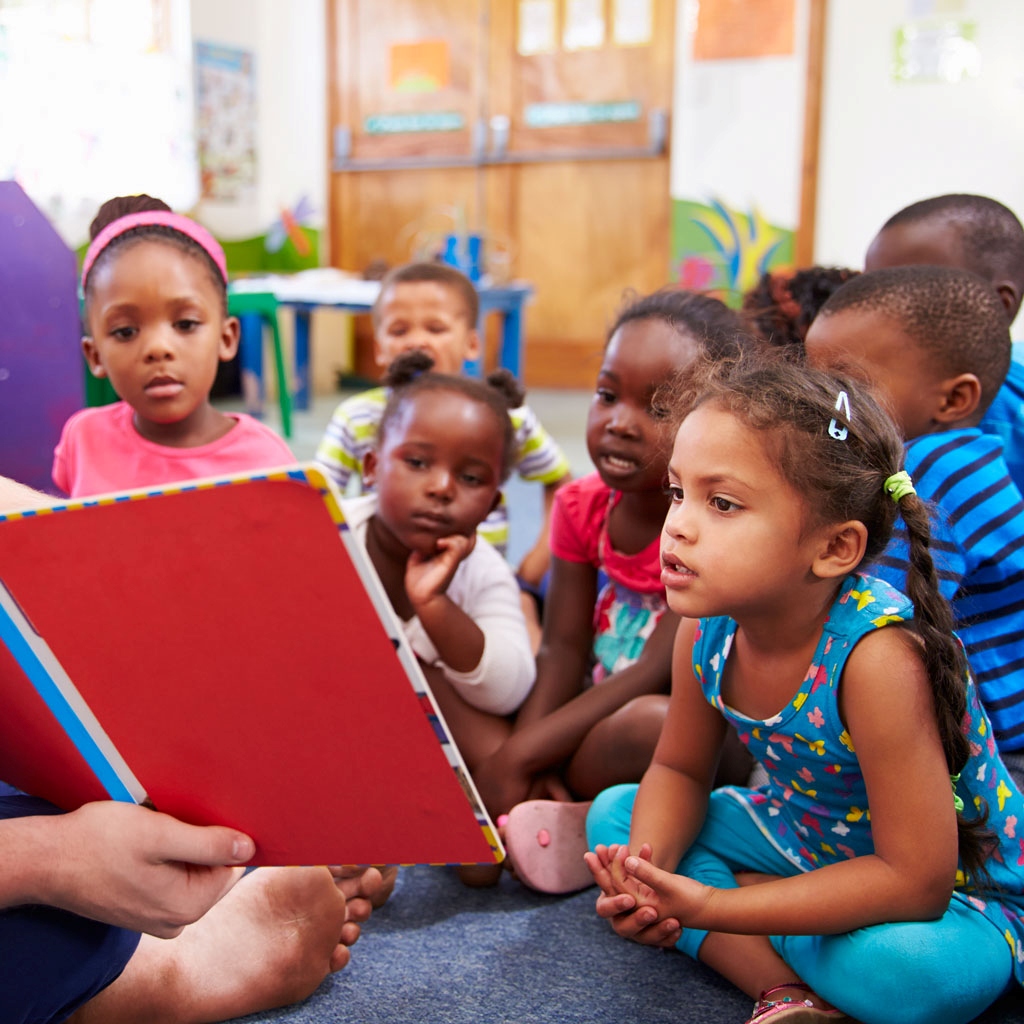
Photo: Shutterstock.
Both enabled me to process things, to compare situations, and to find ways to articulate what they mean in a manner that is useful, at least to me.
From early childhood I could escape into all kinds of exotic scenarios and join in on adventures that fed my imagination. Books, magazines, comics, everything was a source of curiosity for me.
The August holidays would be enlivened once school texts were bought for the new term. I read every single one before September.
I know I was extreme, but reading was my joy from small.
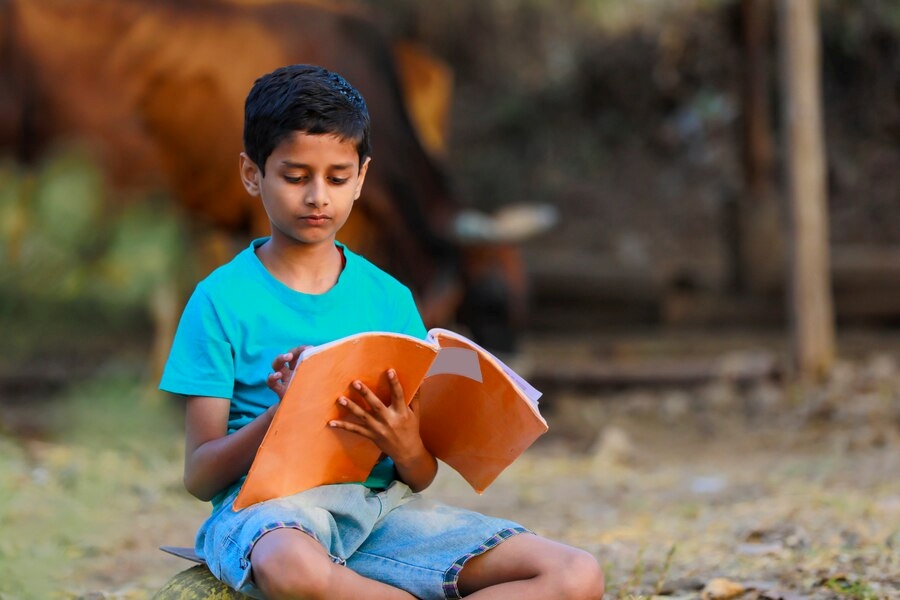
I know many people who do not enjoy reading. I also know many who cannot read—many who stumble through lines haltingly. They can speak fluently and are often quite vociferous, but they are awkward in front of the written word. It embarrasses them and they tend to hide it by avoiding environments that require reading.
If you think about it, several factors contribute to difficulty with reading. Probably the biggest is the impact of poverty on access to schooling. You have to miss classes to help out at home in one way or another. You might be sickly. You might need special methods of teaching that are unavailable in school. The possibilities are sadly innumerable. Just as the consequences.
Youngsters are maimed by this inability and out of pride, can turn to the life of the underworld, where their street smarts become currency.

I was told, rather sheepishly, by a man that because of his rough childhood, he never learned to read, and in the shadowed lifestyle he turned to, he was able to mask it for years. Yet, at 40, he confessed he was ashamed that he couldn’t read.
It meant that he, like many others, could not apply for many jobs, because even if they had the skills required, they couldn’t get past interviews. Doors are shut to them.
So, when Paula Lucie-Smith started up Alta in 1992, 34 years ago, she did it out of an awareness of the gaps. “Education has failed to meet the needs of our adult students at least once already,” says their website (https://alta-tt.org/).
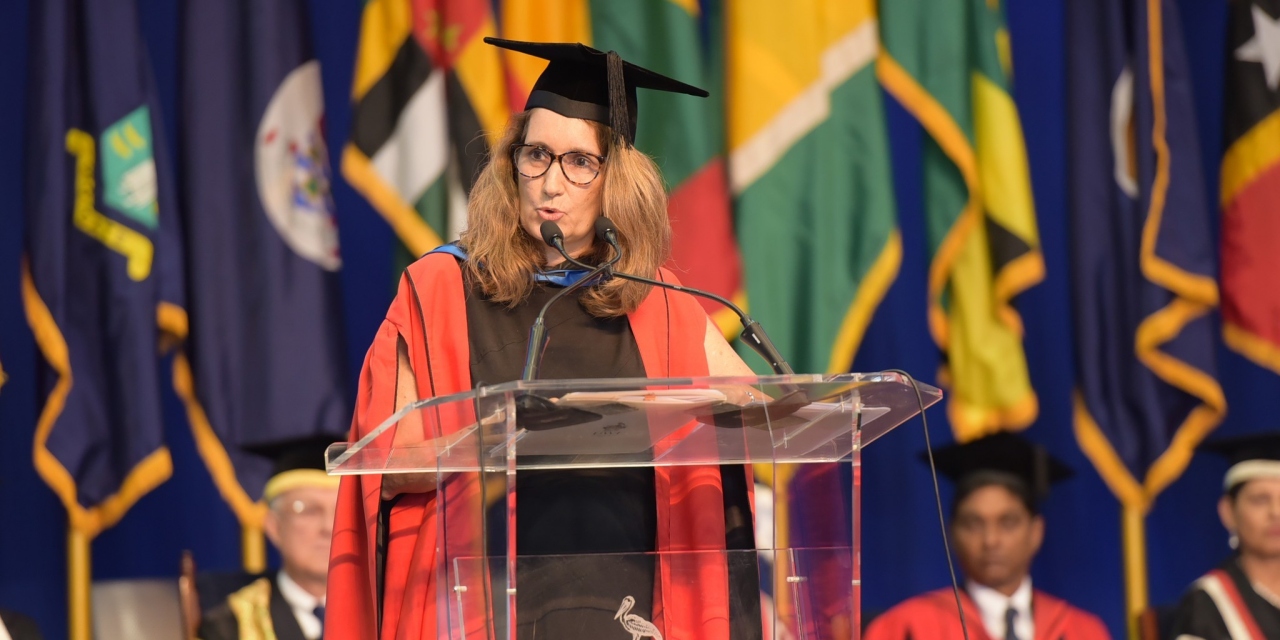
She previously volunteered in an adult literacy programme that was a joint project of the Ministry of Education and Unesco, and wanted to get adult literacy teachers to share ideas and to hook up with students in need. The programme is now taught by unpaid volunteers, and has the support of Nalis (National Library and Information System Authority), which provides space for classes.
You can register for Alta community classes at Nalis libraries on the first Tuesday or Wednesday in September.
Nalis is one of my favourite public institutions, and that is not simply because it provides library services. The people there have worked hard and sensibly to engage the public. They have a lively presence on social media, and offer a wide range of activities for every age group.
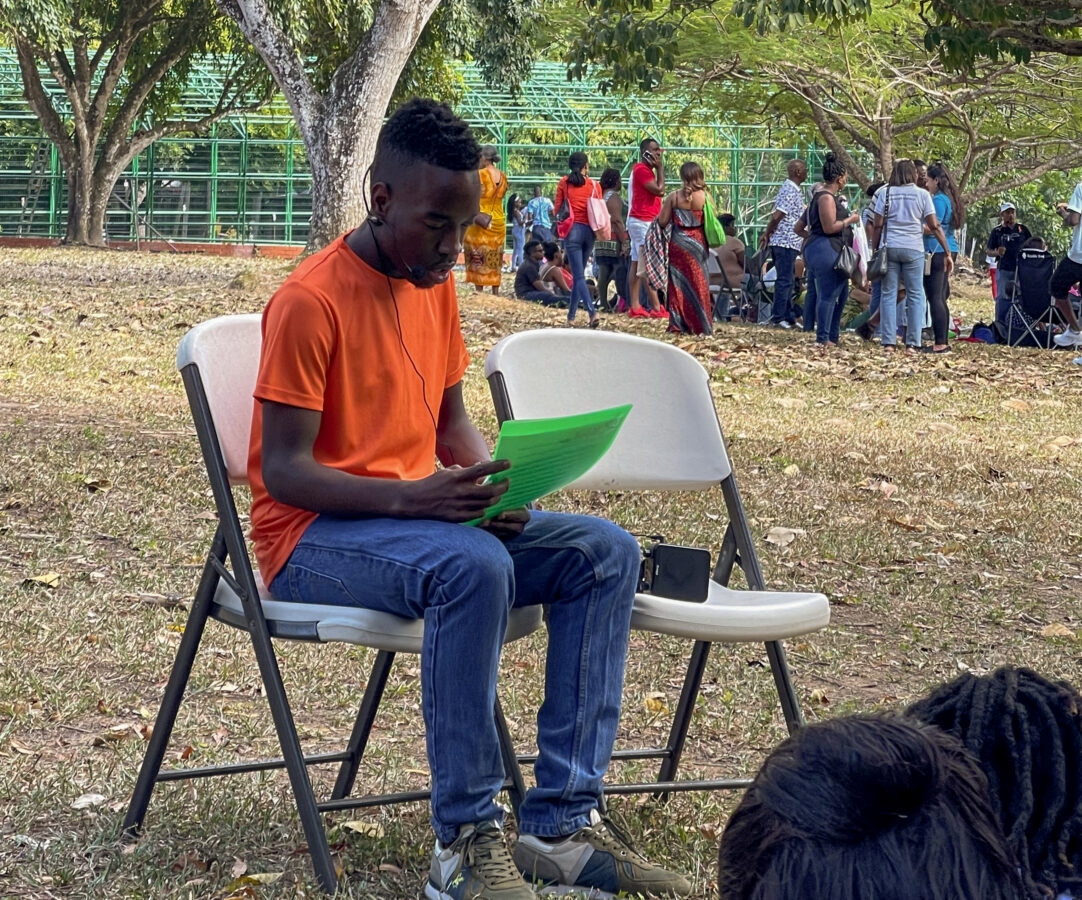
Photo: Alta.
They are currently hosting an exhibition at the Heritage Library celebrating Brian Honoré. It’s called Cultural Warrior: Calypso, Legacy & Heritage, and will run until February 20, at the Rotunda of the National Library in Port of Spain. They had extempo at the launch.
The Central Bank Museum is also hosting an exhibition called Mas: Tradition, Memory and the Critical Contemporary, featuring characters from six artists and mas practitioners, which runs until 27 March.
Describing it, the Museum curator, Nimah Muwakil, said their work “revisits, deconstructs and re-envisions traditional Carnival characters. Through Moko Jumbies, Baby Doll, Cow Mas, and Soumayree portrayals, the exhibition examines how traditional forms continue to speak to contemporary global concerns.”
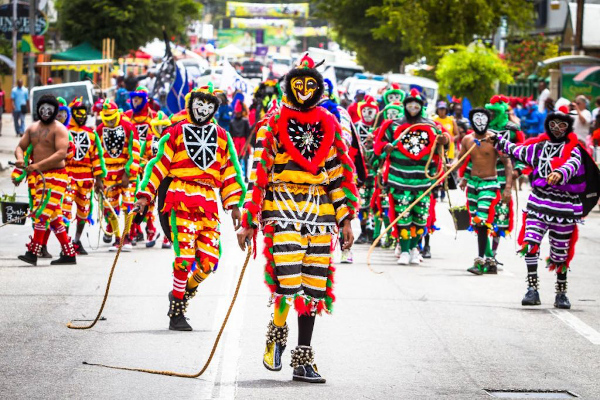
(Copyright Trinidad Newsday.)
The work, she said, reflects on memory, heritage, identity and the evolving nature of mas as a critical space for commentary.
The National Archives too has joined in the growing interest in traditional characters, with what they call a “small” exhibition at the Public Search Room on St Vincent Street. Staff have even made a Midnight Robber costume for their depiction of “Carnival of Long Ago”.
They have all contributed to bringing history through our cultural artforms to those who might not otherwise have access.

Photo: Roger Lewis/ Look Into My Eyes.
How could any of us not be proud of the work that these institutions have been doing for us?

In October 1995, I was part of a fellowship offered by the Committee to Protect Journalists. A dozen or so Read more
My bossy back demands an extreme degree of planning if I am to venture out. Sitting or standing for an Read more

For those who might have wondered about the absence of my column last week, the Express has decided that it Read more
Someone suggested rather irately that I write about how the rich and powerful operate with a different code, with such Read more
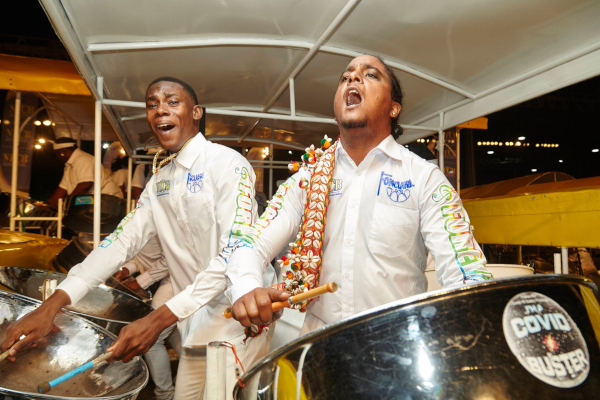
My father considered music of any kind to be unpleasant noise. In his later years, when he became a bible-toting Read more

A dear friend sent me a despondent message in response to my lament about divisive and crass online comments. “I Read more
Vaneisa Baksh is a columnist with the Trinidad Express, an editor and a cricket historian. She is the author of a biography of Sir Frank Worrell.