 Wired868 Wired868 for smart sport news and opinion
As I have made plain, I value the commentaries contained in letters to the editor. Last week I quoted the contribution of Anthony Bennett of San Fernando with regard to the lack of accountability permeating the state enterprise culture.
I did so in the course of a commentary following the High Court’s unfavourable review of the award made by a state enterprise of a sole-selective contract worth $34million.
This was the latest example of the questionable management of public funds through the porous, party-in-power dominated state enterprise sector.

(Copyright SPORTT.)
Last Monday, the current president of the Joint Consultative Council (JCC), Fazir Khan, in a letter to the editor of the Trinidad Express newspaper, expressed confidence that the Office of the Procurement Regulator (OPR) will provide “comprehensive coverage of the procurement oversight function” given how many review applications the OPR has received.
In an earlier column published on 29 June, I did refer to the importance of this office in the context of the persistent abuse of the state enterprise sector.
Fazir Khan may be right and I hope that he is. However, I drew attention to the candid statement of Procurement Regulator Beverly Khan, made on the occasion of the laying in Parliament in September 2024 of the first report of the Office of Procurement Regulator (OPR).
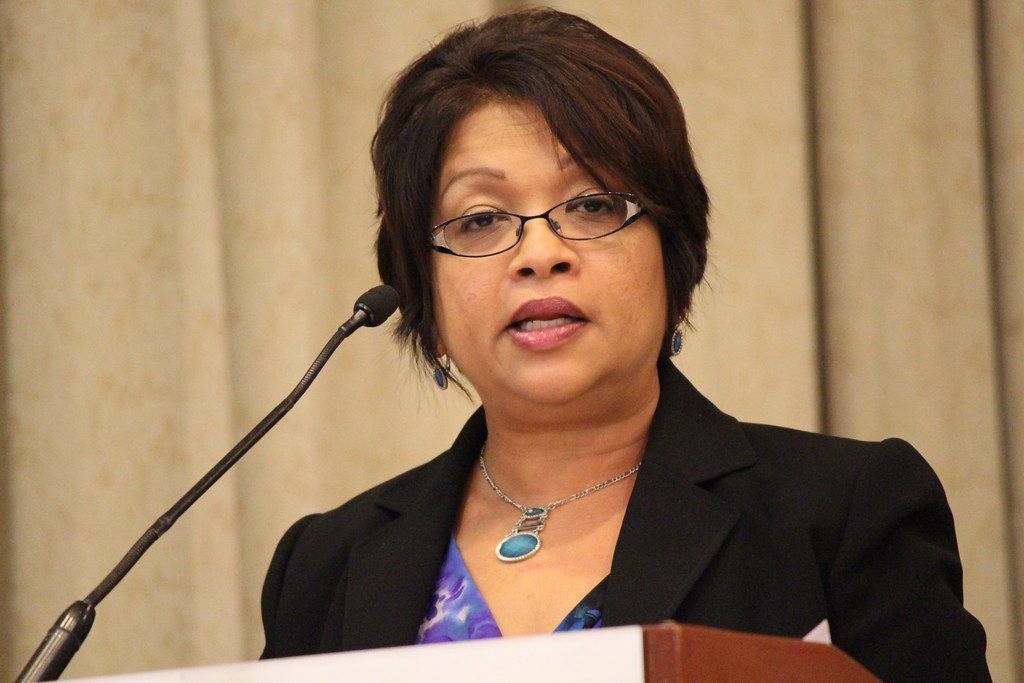
The report was nine months late and the OPR informed us that “despite being in the works for over five years, the public service was unprepared for the implementation of the Public Procurement and Disposal of Public Property Act.”
The JCC invested notable effort and resources pressing over a long period for procurement legislation. This organisation, as do all citizens, deserves better than shrivelling implementation.
We will see what the second report of the OPR tells us about progress with the matters before it. Will the fruit of implementation also shrivel on that tree?

There are other new legislative trees and many grandiose announcements which we look at with raised hopes; but we have difficulty in obtaining the fruit of implementation.
For example, for two decades there was talk of abolishing preliminary inquiries in indicatable criminal cases—one of the major sources of inordinate delay in the administration of criminal justice.
Eventually the Administration of Justice (Indictable Proceedings) Act 2011 (the AJIPAA) was enacted and amended to provide for indictable cases to go straight to the High Court preceded by sufficiency hearings before Masters of the High Court, but it was not proclaimed and brought into operation until December 2023.
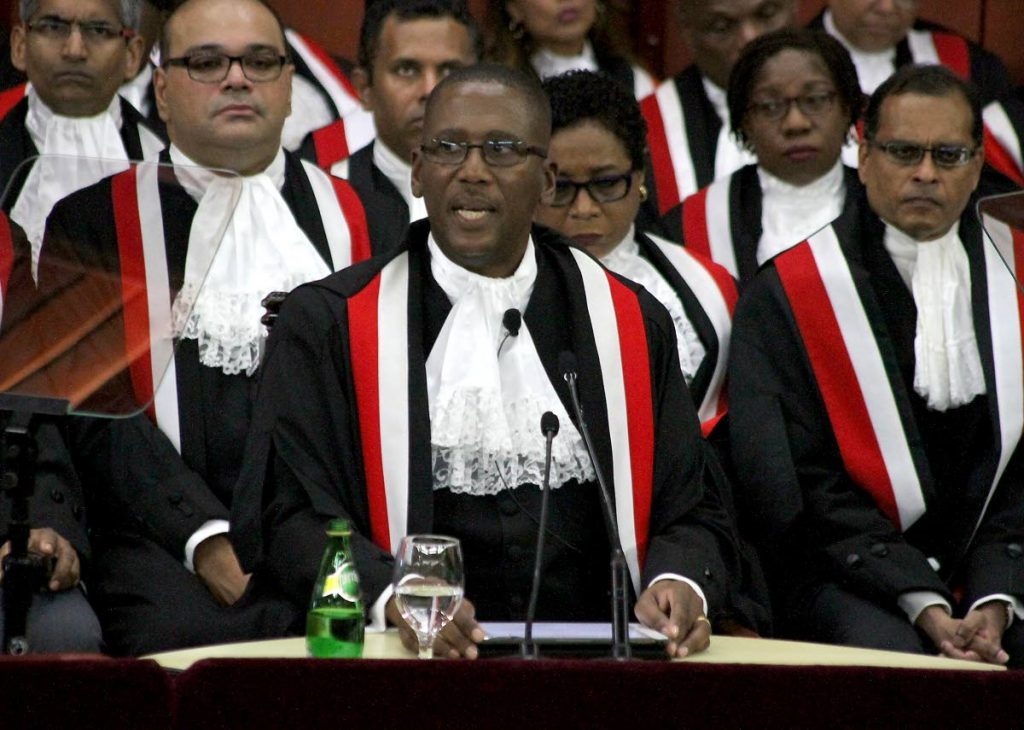
The new procedure was intended as the prompter means by which it would decided whether there was sufficient evidence for a case to proceed to the High Court on an indictment, which would be filed before the start of the sufficiency hearing. According to the Judiciary’s website, the Master will set “deadlines for key actions to be taken before a sufficiency hearing”.
This legislation, it was said, “heralds a new era in legal proceedings and criminal justice reform”. What is the current state of fulfillment of this promise?
In another informative letter to the editor, attorney at law Brent Winter recently asserted that the new system was failing because:

“The prosecution, often-citing chronic staff shortages and a lack of resources, has consistently failed to meet court-mandated deadlines for filing essential documents like indictments and witness statements. The consequences of this unpreparedness are stark and alarming.”
Winter then identified several cases in which the accused were discharged on account of prosecution failures or delays in complying with court orders.
One previously regular writer of letters to the editor, Scarlet Benoit-Selman, has now become a significant weekly columnist with the Trinidad Express newspaper. I refer to her insightfulness in the context of implementation failures because many of her columns deal with critical unfinished pieces of governance.

Last Sunday, for example, in connection with our African Emancipation Day national holiday having fallen on the Friday before, Scarlet, whose writings contain striking aphorisms, warned: “We must be cautious not to confuse commemoration with completion.”
And so it is with touted pieces of legislation, many vainglorious announcements and commemorations.
When will we move seriously to hire staff if necessary, to train all staff appropriately and implement promises toward completion of the urgent tasks of socio-economic reform?
There is an old adage that says: “a wise man learns from the mistakes of others, while a fool learns Read more

“[…] As we navigate 2026, we find ourselves facing a rather curious paradox: the very mechanism designed to illuminate public Read more

In light of current general statements about economic diversification, it will not surprise my readers that I will proceed on Read more

This is my penultimate column before I proceed on my break after twenty-four years of writing these weekly columns. As Read more

Trinidad and Tobago entered into the Americas Counter Cartel Coalition, which was announced in Doral, Florida, two weeks ago at Read more

David Rudder famously sang in 1996 in The Madman’s Rant: “Somebody clean out the weed real fast. But somebody letting Read more

Martin G Daly SC is a prominent attorney-at-law. He is a former Independent Senator and past president of the Law Association of Trinidad and Tobago.
He is chairman of the Pat Bishop Foundation and a steelpan music enthusiast.