 Wired868 Wired868 for smart sport news and opinion
“[…] As we navigate 2026, we find ourselves facing a rather curious paradox: the very mechanism designed to illuminate public spending is operating with the lights dimmed.
“[…] Monitoring without regular reporting is like installing a state-of-the-art security camera but refusing to plug in the monitor. The conspicuous infrequency of comprehensive Annual Reports to Parliament forces us to ask: why must we rely on last-minute, multi-billion-dollar emergency brakes instead of disciplined, preventative transparency? […]”
The following Letter to the Editor on the use of data by the Trinidad and Tobago government, via the Office of Procurement Regulation (OPR), was submitted to Wired868 by Gyasi B Ambrose, a registered engineer from Valencia:
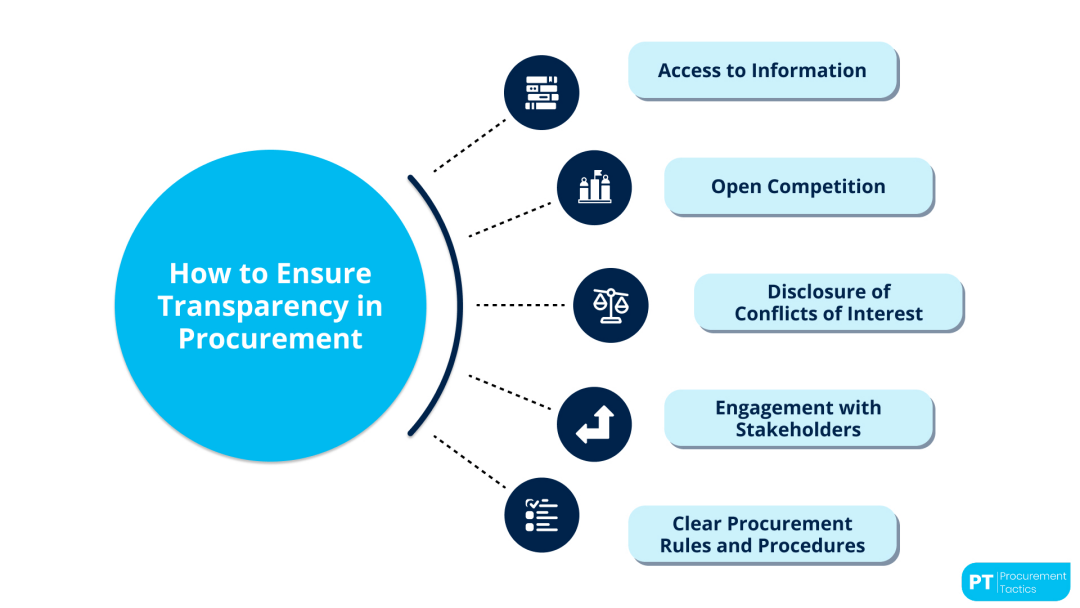
It is a foundational principle of systems design and project management that you cannot improve what you do not consistently measure.
For years, the nation eagerly anticipated the full proclamation of the Public Procurement and Disposal of Public Property Act, heralding it as the ultimate upgrade to our national operating system for accountability.
Yet, as we navigate 2026, we find ourselves facing a rather curious paradox: the very mechanism designed to illuminate public spending is operating with the lights dimmed.
I write this with the utmost respect for the monumental task placed before the Office of Procurement Regulation (OPRTT) and the Government. The OPR is clearly working behind the scenes.
We saw this vividly in April when the Regulator rightly stepped in to halt the award of $3.4 billion in Housing Development Corporation (HDC) contracts across 11 companies pending a comprehensive review. This intervention proves the OPR has the capacity to monitor the environment.
However, monitoring without regular reporting is like installing a state-of-the-art security camera but refusing to plug in the monitor.

The conspicuous infrequency of comprehensive Annual Reports to Parliament forces us to ask: why must we rely on last-minute, multi-billion-dollar emergency brakes instead of disciplined, preventative transparency?
We need only look to the rigorous schedule of the Auditor General for a masterclass in statutory discipline. The recently laid 2025 Auditor General’s Report unveiled profound fiscal irregularities, notably revealing that the HDC diverted $78.07 million approved for housing construction into grass cutting, garbage collection, and other unauthorised maintenance activities.
This is precisely the kind of systemic, root-cause anomaly that routine OPR Annual Reports should be identifying and placing in the public realm.
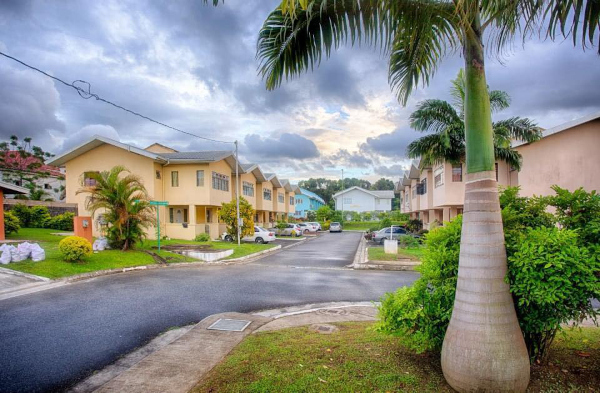
(via HDC.)
If the OPR reported its findings with the same disciplined cadence as the Auditor General, red flags regarding the procurement ecosystems of state enterprises would be visible long before they escalated.
Routine, predictable sunlight reduces the likelihood of bad procurements taking root, thereby eliminating the need to suddenly freeze $3.4 billion contracts at the eleventh hour.
To the Honourable Prime Minister and the Procurement Regulator: we applaud the active interventions, but the public is still waiting on the diagnostics. True transparency is not achieved merely by reacting to flawed contracts—it is achieved through the continuous disclosure of system performance.
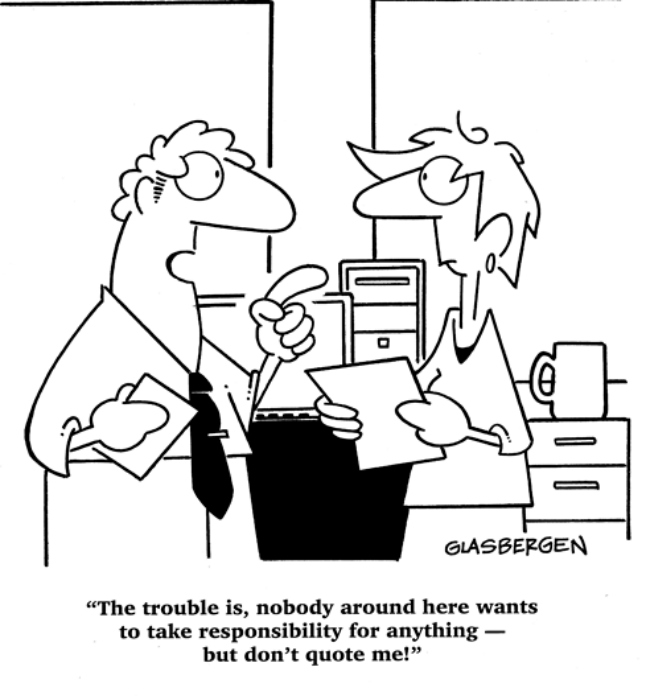
We have the legislation. We have the Office. Now, respectfully, we need the data.
Only then can we move past the mere illusion of transparency and begin the actual work of continuous national improvement.

“[…] Mr Raffique Shah admired Paris students protesting fuel prices and the poor conditions of schools in their poorer districts… Read more

Once again, the calypso fraternity and the nation of Trinidad and Tobago have been plunged into mourning with the passing Read more
I am not a politician. I’m certainly not a senator. I am just a citizen who pays attention. So, when Read more

Today, Trinidad and Tobago, and indeed the Caribbean, bids farewell to a true cultural giant. With the passing of Dr Read more
There is an old adage that says: “a wise man learns from the mistakes of others, while a fool learns Read more
“[…] It is nothing short of amazing how this current political directorate can go from conceptualization of 30 ‘police post’ Read more

Want to share your thoughts with Wired868? Email us at editor@wired868.com.
Please keep your letter between 300 to 600 words and be sure to read it over first for typos and punctuation.
We don’t publish anonymously unless there is a good reason, such as an obvious threat of harassment or job loss.
