 Wired868 Wired868 for smart sport news and opinion
I write on behalf of the thousands of working men and women of Trinidad and Tobago who spent their entire productive lives contributing to the National Insurance Scheme, only to retire on a minimum pension of TT$3,000 per month.
Three thousand dollars. That is what a lifetime of work is worth in this country.
Now let us look at what a lifetime in politics is worth.
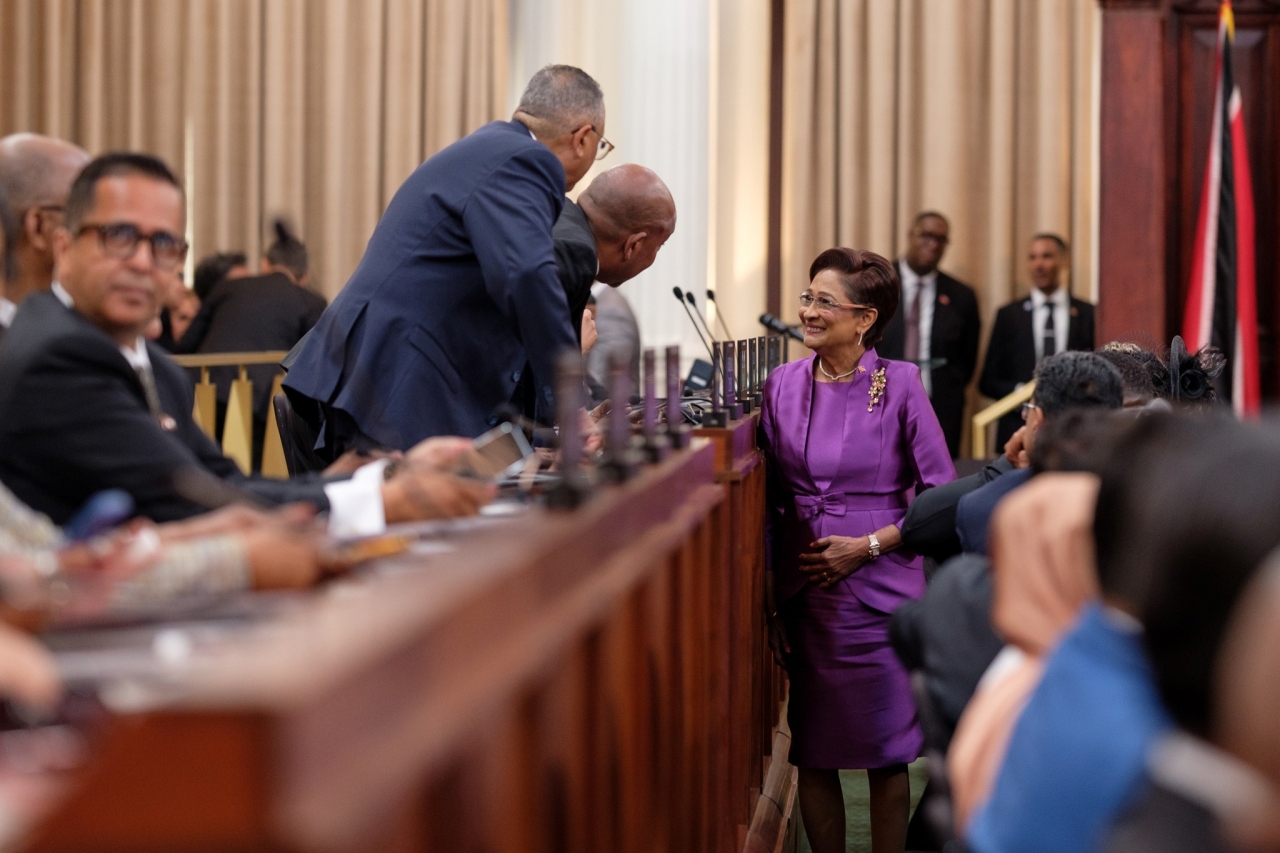
Copyright: Office of the Parliament 2025.
A member of Parliament who serves a single five-year term walks away with a monthly pension of approximately TT$20,515. A long-serving MP or minister—someone who may have served 18 years or more—retires on TT$60,050 per month, a figure that increases automatically every time the Salaries Review Commission grants a raise to sitting parliamentarians.
They do not even have to be present in the legislature for their pension to grow. It grows while they sleep.
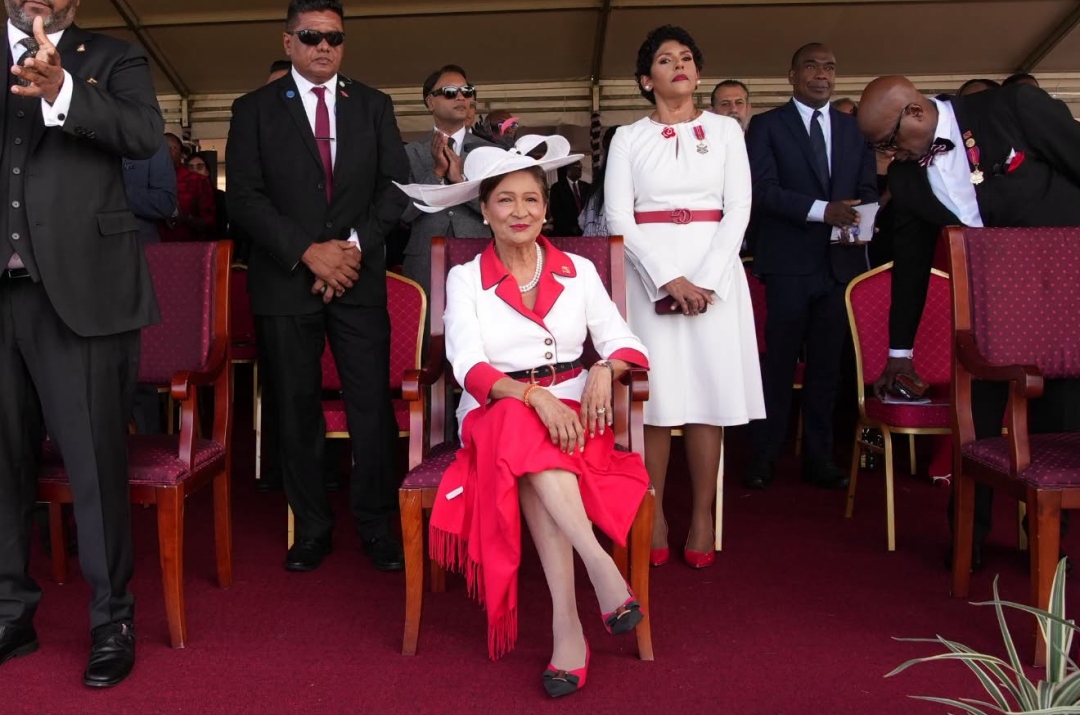
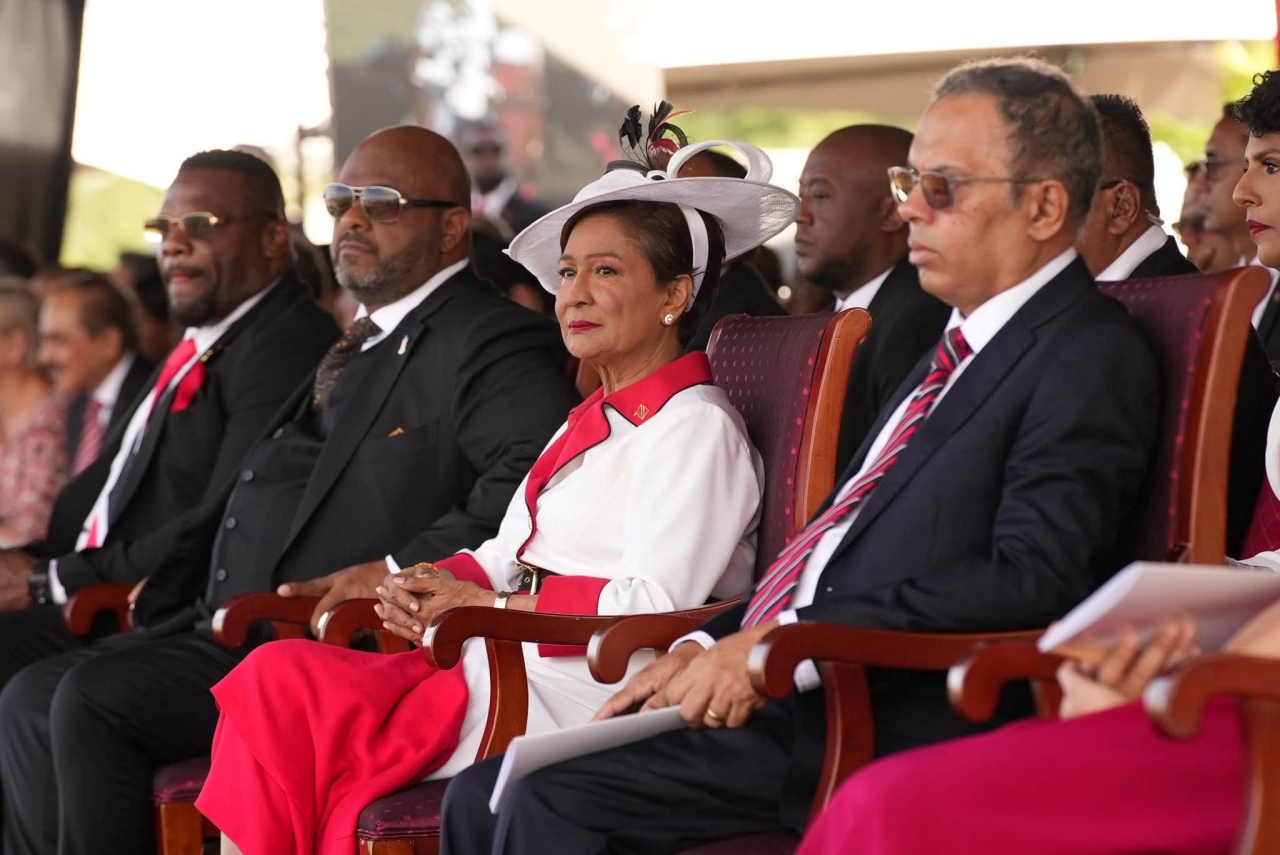
And at the very top of this pyramid sits the former prime minister, entitled under the Prime Minister’s Pension Act to a monthly pension equal to the full salary of the sitting prime minister—currently in the region of TT$88,000 per month. That pension, too, rises automatically with every SRC review.

Photo: OPM
It is, in effect, a lifetime guarantee of wealth, funded entirely by the taxpayer.
Let us be precise about what these numbers mean. A retired prime minister collects approximately 29 times the pension of the ordinary NIS contributor. A one-term MP—someone who served just five years—collects nearly seven times what the factory worker, the nurse’s aide, the market vendor receives after a lifetime of mandatory contributions.
And lest we forget: an MP who runs for re-election and is rejected by the very electorate they served is entitled to a gratuity of six months’ emoluments “to adjust to their new life”.

The ordinary worker receives no such cushion. They receive $3,000 and are expected to survive on it.
It is worth noting that Parliament did recently act on the Prime Minister’s Pension Act—but only to prevent a former PM, who served a mere 45 days, from qualifying.
When the shoe pinched a colleague, reform came swiftly. It has never come with such urgency for the pensioner collecting $3,000 a month.

Photo: PNM.
This is not a partisan observation. Governments of every stripe—PNM and UNC alike—have presided over and benefited from this arrangement.
The laws governing parliamentary pensions were not written by accident. They were written by parliamentarians, for parliamentarians, with little regard for the citizens who fund them.
We are a nation that speaks loudly about equality, hard work, and dignity. But our pension system tells a very different story—one in which those who make the laws exempt themselves from the indignities those laws visit upon everyone else.
The Finance Minister has rightly warned that the NIS fund faces collapse within a decade and has announced painful reforms: higher contribution rates, a rising retirement age. Working people are being asked to contribute more and wait longer.
That may well be necessary. But it is unconscionable to demand sacrifice from the many while the few continue to draw pensions that would be considered extraordinary in any developed country in the world.
I call on the Government to urgently review the Parliamentary Pension Act and the Prime Minister’s Pension Act; to cap all political pensions at a reasonable and transparent multiple of the NIS minimum; and to index NIS pensions to inflation so that our retirees can live with dignity—not merely exist.

The measure of a society is how it treats its most vulnerable. Right now, we are failing that test—and every pensioner collecting $3,000 a month feels that failure every single day.
I am not a politician. I’m certainly not a senator. I am just a citizen who pays attention. So, when Read more

Today, Trinidad and Tobago, and indeed the Caribbean, bids farewell to a true cultural giant. With the passing of Dr Read more
“[…] It is nothing short of amazing how this current political directorate can go from conceptualization of 30 ‘police post’ Read more
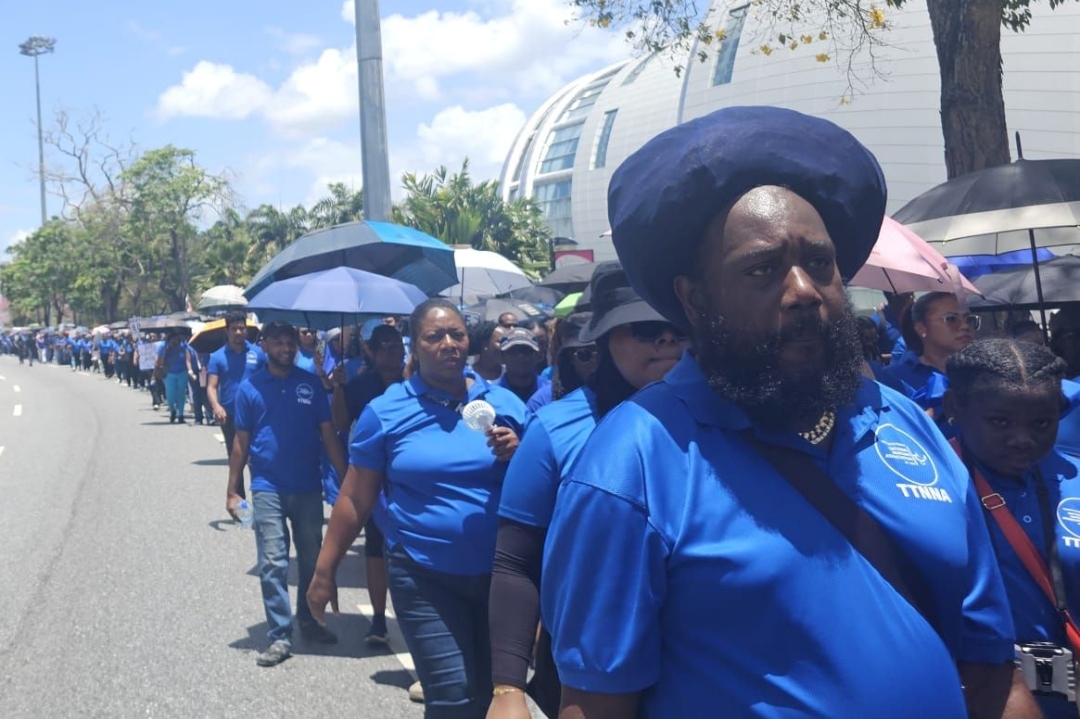
Thirteen years have passed since health care workers, Lake Asphalt employees and other workers last received a salary adjustment. In Read more

Having just celebrated 64 years of independence, discussions as to whether Trinidad and Tobago is better off since gaining independence Read more
“[…] To the ‘UNC family’ she offers the old tired hymn: lagoons, cane fields, salt and rice, ponds and springs—the Read more

Dennise Demming grew up in East Dry River, Port of Spain and has more than 30 years experience as a communication strategist, political commentator and event planner. She has 15 years experience lecturing business communications at UWI and is the co-licensee for TEDxPortofSpain. Dennise is a member of the HOPE political party.

Does the author expect or is advocating that ALL .must fetch the same pension? Does he know the terms of politicians service are not union debated only SRC?
Do we agree that in every endeavour from yardboy to CEO must be given equally?
Do we not realize Prime Ministers and Ministers despite their responsibility often are paid way below workers in our government salary scales. Does he have a sense of justice or just another lazy thinker?
The writer is female, Lennox, Dennise is female.
I think she is merely attempting here to get ordinary folk, the man-in-the-street discussing this and other issues because that is the first step to effecting change. And her enthusiasm perhaps runs away with her.
She contends that every “citizen contributing to the National Insurance Scheme (…) retire(s) on a minimum pension of TT$3,000 per month,” which is “what a lifetime of work is worth in this country.”
But the next sentence seeks to establish what, according to her, “a lifetime in politics is worth.”
It says this: “A member of Parliament who serves a single five-year term walks away with a monthly pension of approximately TT$20,515.”
The manifestly important point about the disparity is made. But to suggest an equivalence between a lifetime of work and a FIVE -YEAR lifetime in politics makes, I submit another equally important point.
I hasten to add, however, that the writer’s sense of (in)justice is not in question. There is a body of material right here on Wired868 that, I submit, bears that out.
The pm to much desk thumping and parliamentary fanfare announced that subscribers to private pension funds effective January 2026 would be exempted from income tax. I think this was announced in April. To my knowledge this has not materialized todate. My suspicion is that a lot more is required by way of an official document(s) for this to occur. Hopefully we are not being sucked into another one of those bait and switch scenarios the public being caught up in more and more.
Hey, many more of us need to comment on these issues if we are to make a difference.