 Wired868 Wired868 for smart sport news and opinion
“[…] The old Caribbean fowl thief occupied a strange cultural category. He (mainly men were the culprits) was a criminal, a nuisance, folk trickster, survivalist, but rarely an existential threat. He stole chickens, your pet birds, mangoes, goat, maybe coconuts.
“[…] What many people mourn today is the transition from petty subsistence theft to industrialised criminality, gang violence, contract killings, home invasions, kidnapping, narcotics economies, militarized firearms…”
In the following Letter to the Editor, Orson Rogers of Belmont explains why he now misses the ‘tief’ of yesteryear, in a new era of disconnected violence:

In my younger days, the greatest neighbourhood pest was the “fowl thief”. He would enter your chicken coop at night with a crocus bag and tief your fowls. I never thought that I would long for the days of those criminals
The old Caribbean fowl thief occupied a strange cultural category. He (mainly men were the culprits) was a criminal, a nuisance, folk trickster, survivalist, but rarely an existential threat. He stole chickens, your pet birds, mangoes, goat, maybe coconuts.
People cursed him, joked about him, sometimes beat him if caught—but he generally existed inside a shared moral ecosystem. There were boundaries. He avoided unnecessary violence, killing, and terrorising the entire community.
In much of the Caribbean, especially rural and semi-rural communities, the fowl thief was almost a social archetype. He appears in calypso, village stories, comedy, police blotters, and oral folklore.
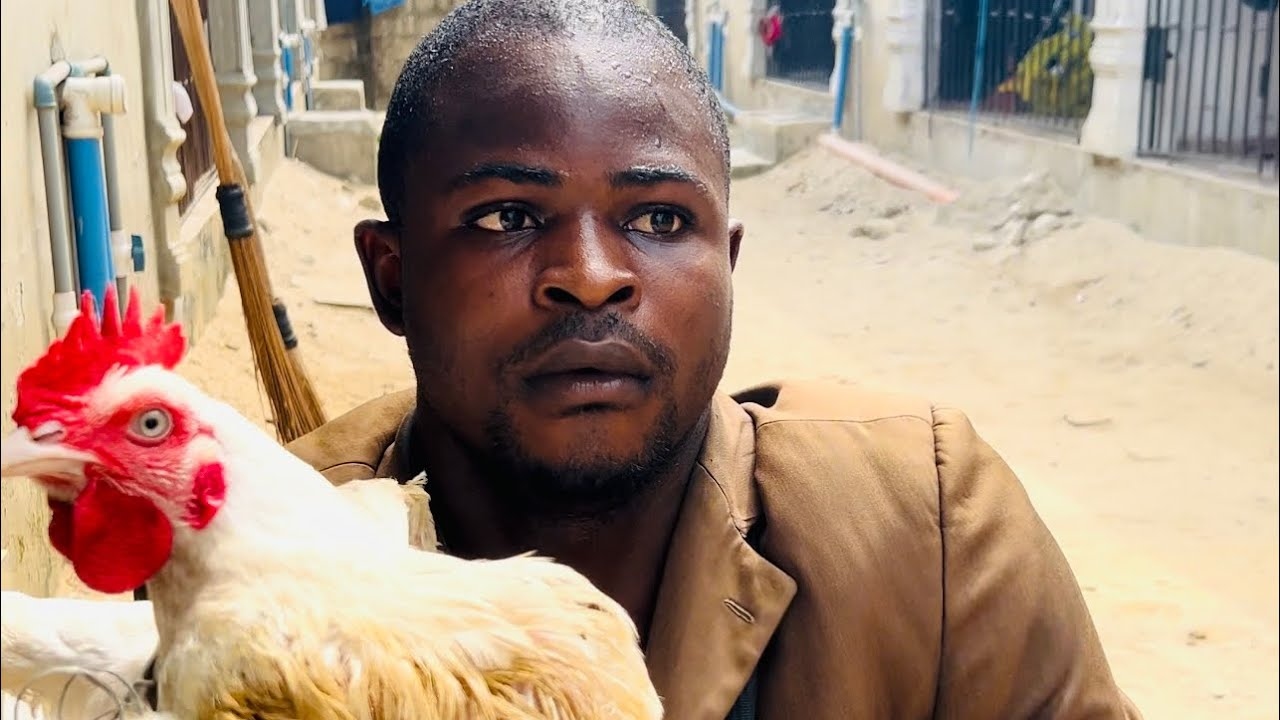
What many people mourn today is the transition from petty subsistence theft
to industrialised criminality, gang violence, contract killings, home invasions, kidnapping, narcotics economies, militarized firearms.
The transformation from the rogue, hustler, stickfighter, or thief into the modern gangster has been shaped by the new cocaine routes, political patronage, and imported weapons cultures.
The older criminal economy often reflected poverty and opportunism. The newer one reflects transnational trafficking, state corruption, social fragmentation, weakened community controls, and hyper-violent masculinity, shaped by global criminal markets.
So, when older Trinidadians say things like “Boy, give me back the days of the old fowl thief,” they are often making a deeper statement.
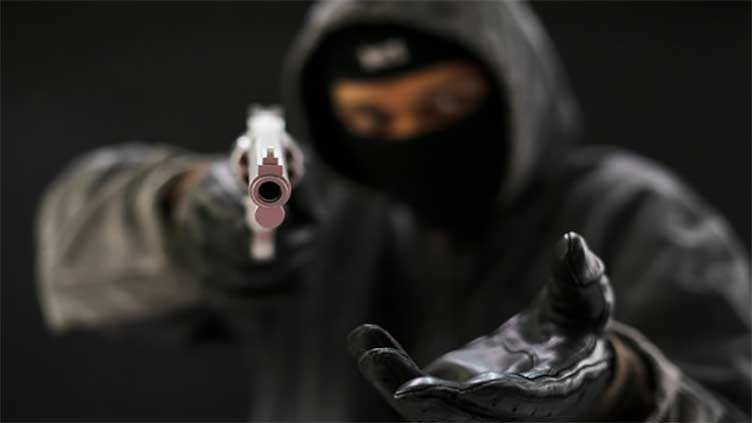
They long for a community once felt governable, a time when violence had limits and criminals were still socially embedded, and fear had not yet become ambient.
There is also a class and historical dimension. The fowl thief emerged from:
- rural deprivation,
- plantation poverty,
- informal economies,
- survival cultures after slavery and indentureship.
He was often viewed as morally wrong but still recognisably human.
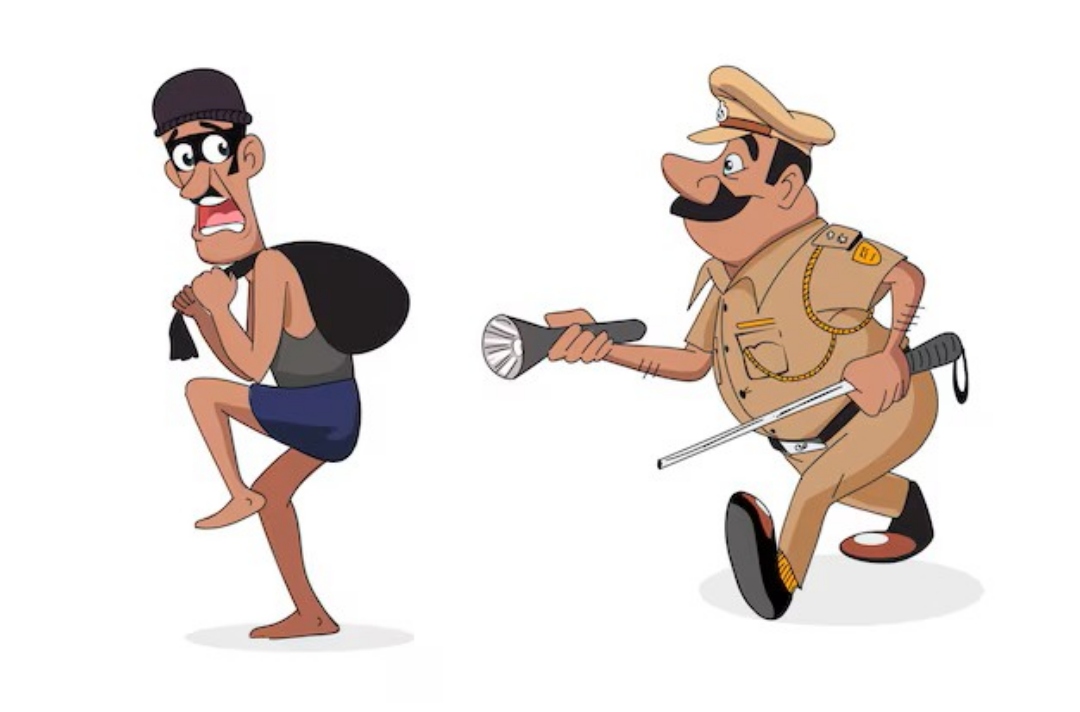
Modern organised violence can feel anonymous, heavily armed, and disconnected from communal accountability. Thus, our reflection is less about romanticising theft than about recognizing how the scale and character of social violence have changed.
What I am expressing is not really nostalgia for the fowl thief himself. It is nostalgia for a social order in which criminality still operated within recognisable limits.
|
Wired868 has provided readers with solid, independent journalism since 2012. If you appreciate our work, please contribute to our efforts. Support Independent Journalism |


I am not a politician. I’m certainly not a senator. I am just a citizen who pays attention. So, when Read more

Today, Trinidad and Tobago, and indeed the Caribbean, bids farewell to a true cultural giant. With the passing of Dr Read more
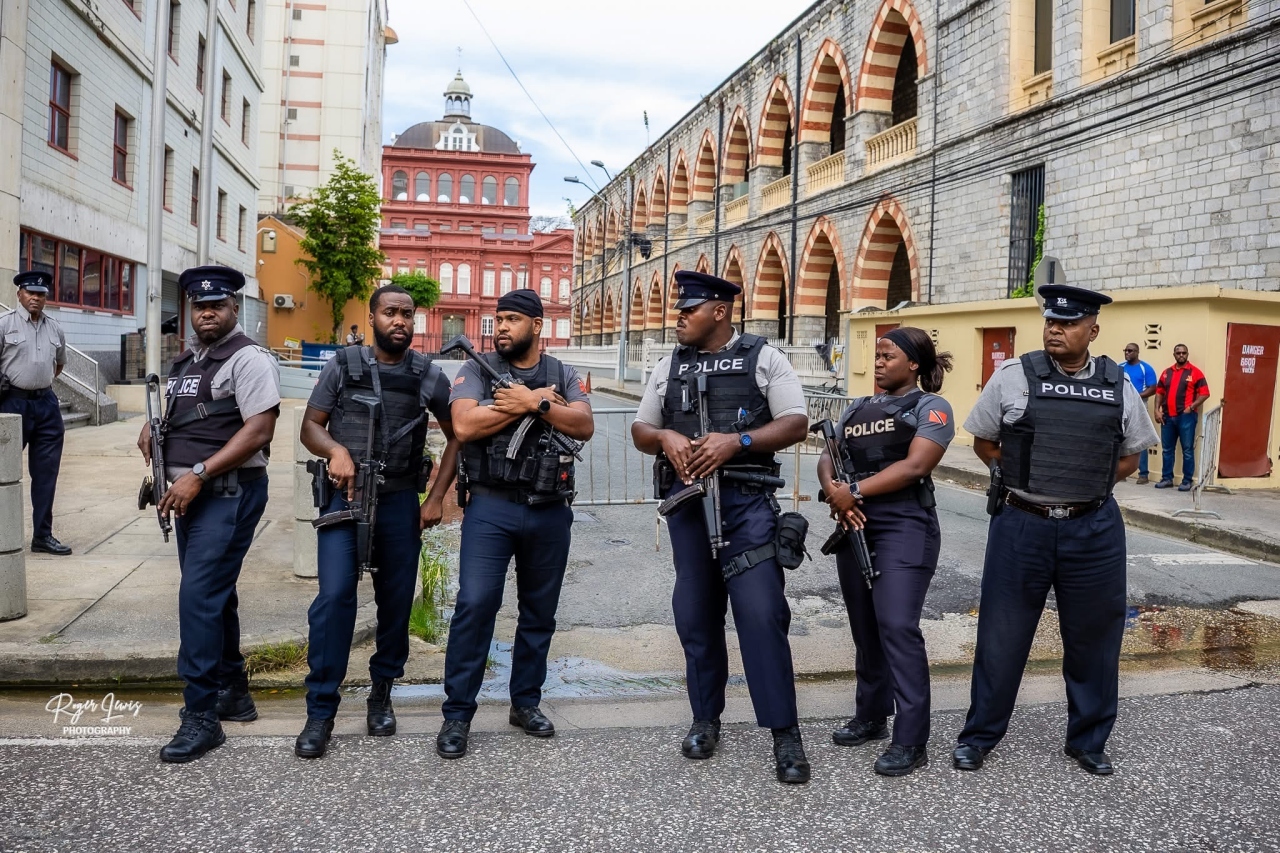
“[…] It is nothing short of amazing how this current political directorate can go from conceptualization of 30 ‘police post’ Read more
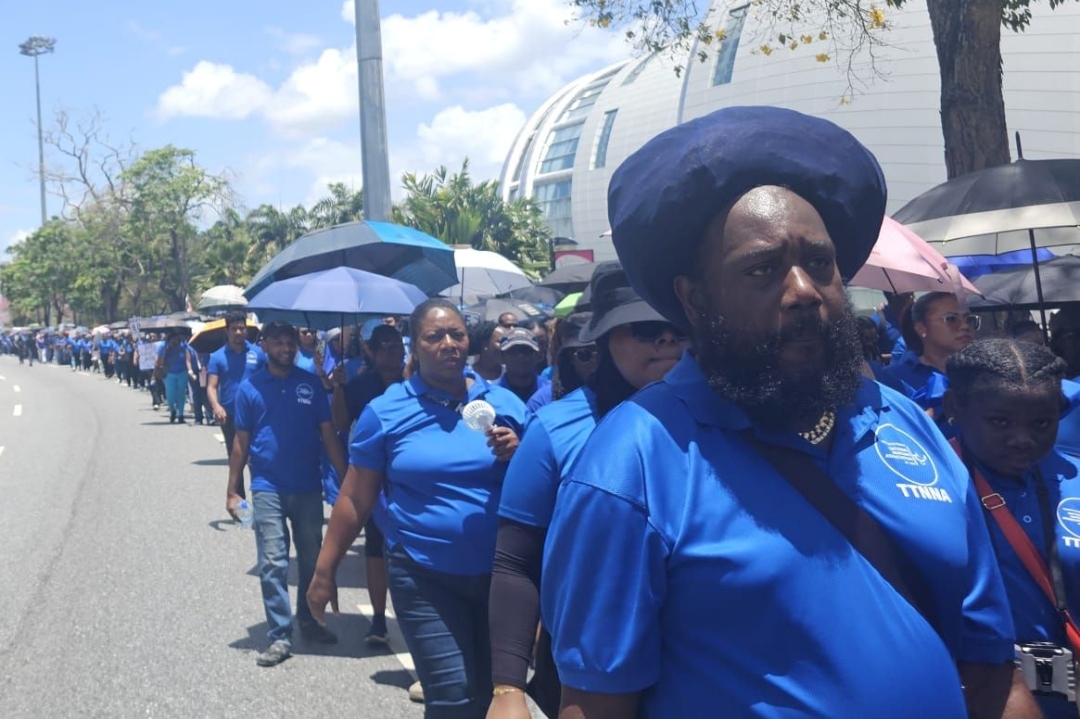
Thirteen years have passed since health care workers, Lake Asphalt employees and other workers last received a salary adjustment. In Read more

“[…] To the ‘UNC family’ she offers the old tired hymn: lagoons, cane fields, salt and rice, ponds and springs—the Read more

“[…] The media release by the heads of judiciaries—that seemed to focus on the leak of the emails and breach Read more

Want to share your thoughts with Wired868? Email us at editor@wired868.com.
Please keep your letter between 300 to 600 words and be sure to read it over first for typos and punctuation.
We don’t publish anonymously unless there is a good reason, such as an obvious threat of harassment or job loss.