 Wired868 Wired868 for smart sport news and opinion
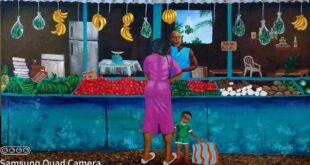
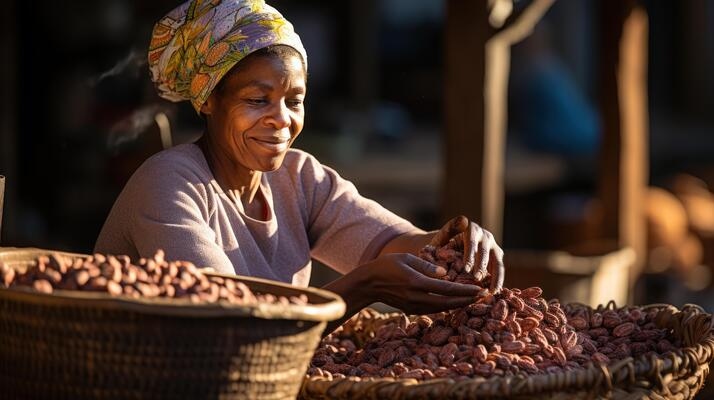
She wasn’t one of my regular produce vendors—her stall was just off my usual tracks and her array of vegetables and herbs was not wide.
One day, she had chataigne. I had been craving it for some time. The only place I’d seen it was selling it frozen (cleaned and steamed) in small sandwich bags for $60. So when I beheld the little beauties, I pulled over.
She would clean and bag them for $100. In fact, she said, I could get $200 worth. I calculated that since it had become increasingly difficult to find someone who would clean it, I could cook and freeze the lot. I agreed.
She showed me her finger, which was fairly swollen and discoloured. She had injured it somehow.
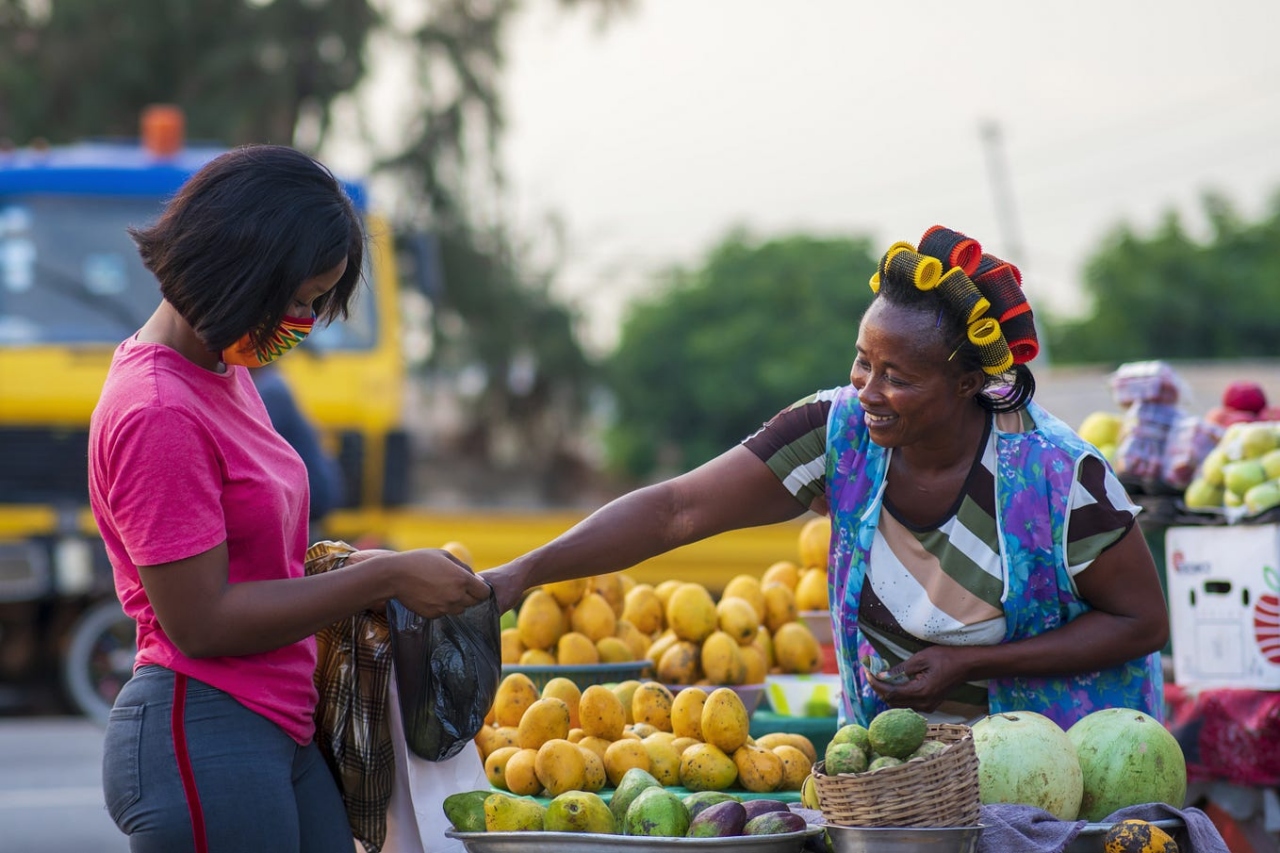
“It slowing me down,” she said, gesturing to the half-filled bag in front of her. Her fingertips were brown, the kind of stain that comes from peeling dasheen bush stems.
A lively chatterbox, she rattled on about all manner of things, barely pausing between subjects. She took my phone number and promised to let me know when she had a fresh batch. That Saturday, she called and said in about an hour it would be ready.
She had a problem, she said abruptly in the middle of her chatter on the phone. A man (I gathered she bought produce from him) was threatening her because she was short in payment. He had come by the stall with a pitbull demanding the money by Sunday.
“You could lend me $200 please? I will pay you back next week.”
Without giving me a chance to respond, she narrated an overwhelming litany of woes.
When I got there and gave her the money, I observed that her finger seemed even more swollen. She had not got any treatment, and she had to continue doing what she could because sales were slow. She had sciatica and her back was painful.
A friend had come to help her, but she didn’t have any experience cleaning chataigne. I learning from the best, she said.
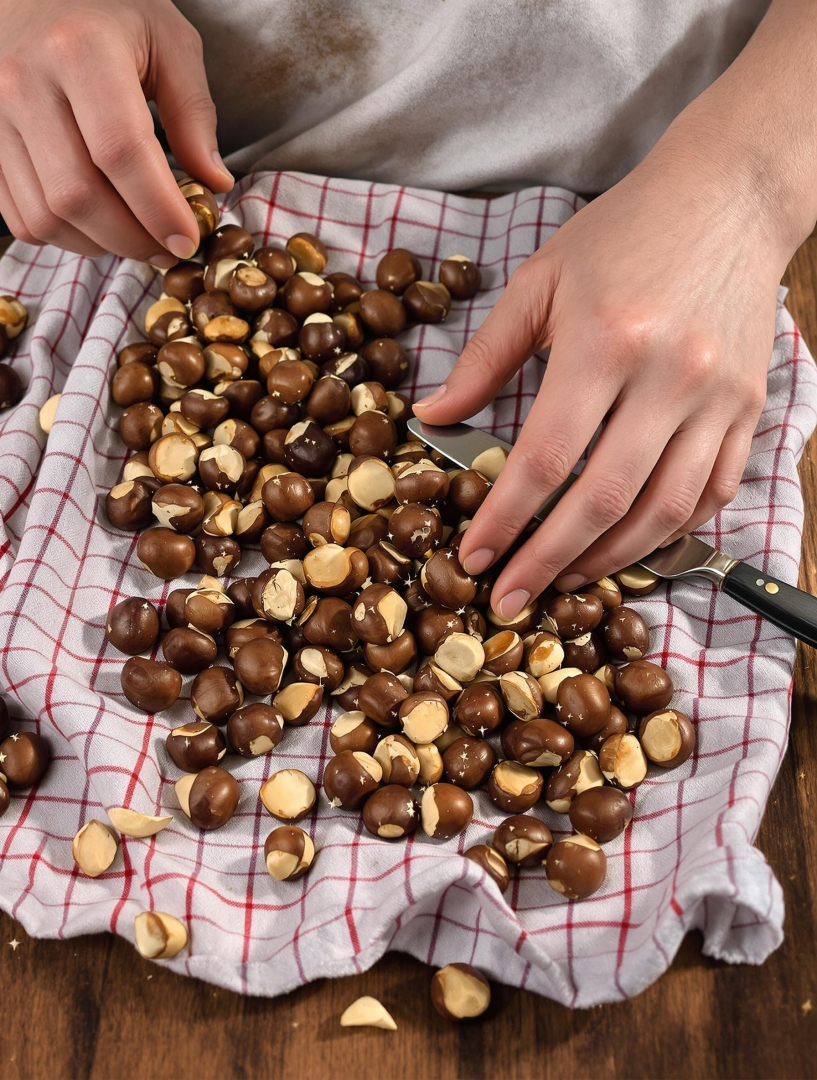
If you have ever done it, you will know how laborious cleaning chataigne is. You can never really pay enough to have it cleaned.
I took the two bags: six pounds’ worth. That night, I decided to separate the seeds from the flesh, intending to steam them. It took me an hour, and I marvelled at how beautifully they had been cleaned. Yet it bothered me knowing what she goes through.
Early on Sunday morning, I went and bought some medication for her back and finger. She looked confused, but was so grateful, she invited me to take anything I wanted from her stall. When I refused, she said: “Here, at least take a bottle of pepper sauce I make last night.” (The pepper sauce is hot and tasty.)
I told her not to worry about repaying me, just try to get the man off her back and look after her finger.
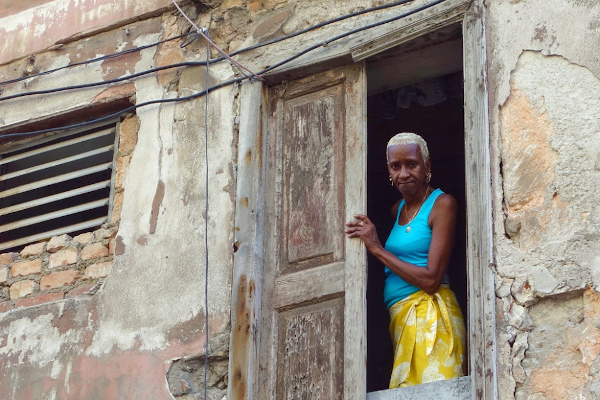
It’s been a few weeks and I haven’t seen her since. I keep wondering what has happened to her. For years she was in that spot. The stall is clearly abandoned, as if she had never been there. An invisible woman.
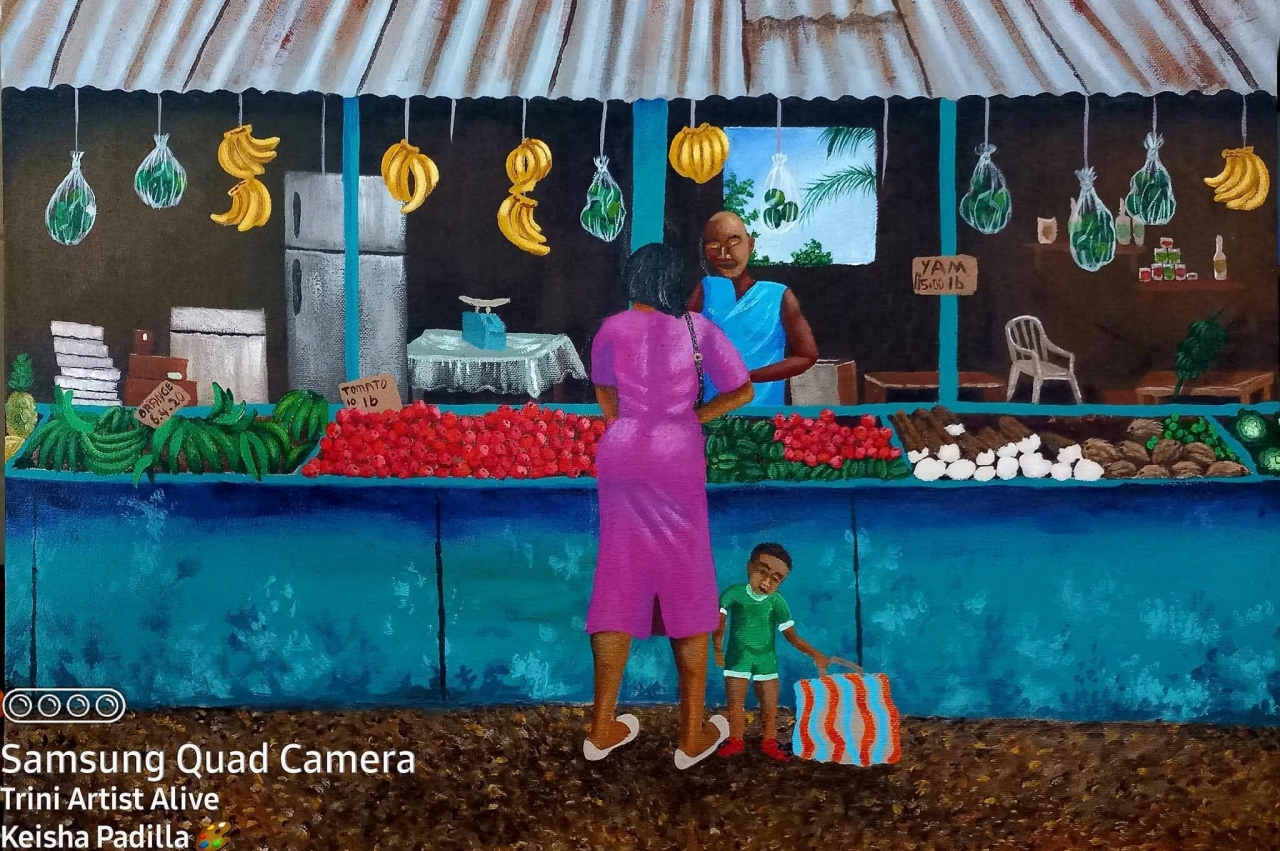
Similar to the woman at one of my regular stalls. She rises before the sun. Some days she goes to the market first. Every morning, she makes breakfast and lunch for her husband and adult son, before setting out her produce.
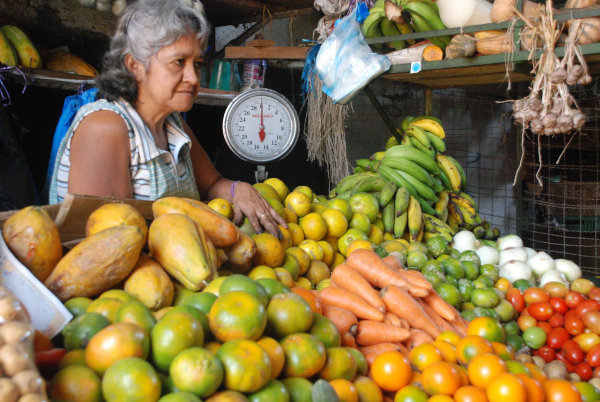
She cooks them food you would consider a country-side feast. The son likes chicken, the husband won’t eat it. She cooks separate dishes to accommodate their moods and fancies. Every day.
At her stall, she is always busy, serving people. Many of the female customers are fussy and sometimes rude. Not so, the men. They tend to seek her advice on what was a best buy. Her expression can get grim as she weighs and bags.
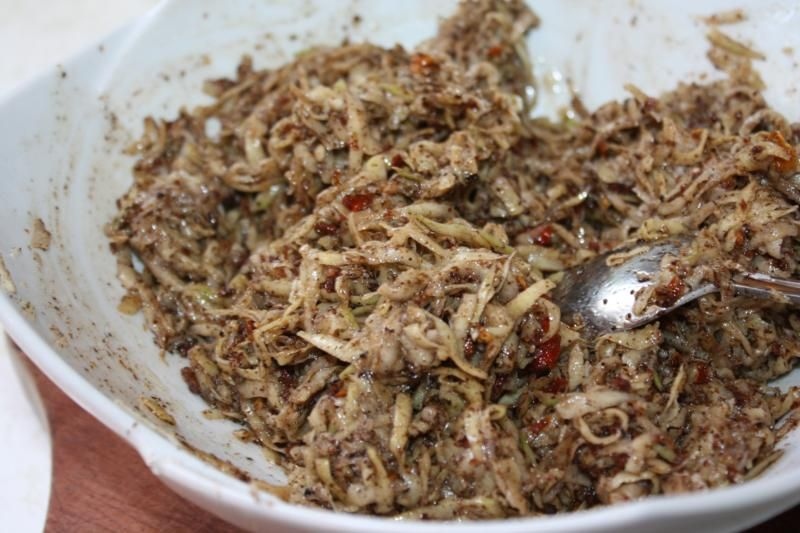
In the quiet spells, she peels and sorts—seated next to the little fan blowing hot air on her face. She makes pepper sauces and kuchelas from anything in season. They are popular.
Her health is failing. Some days she shows me the medication she gets from the clinic, and we talk about how hard it is to keep going on the worse days, especially in the blistering heat.
If her business is doing well, it is because she works tirelessly to keep it going. I see little evidence of any substantial help from the family she tends. Sometimes she grumbles.
These two mothers represent a way of life that is very commonplace among a section of our society. The drudgery is unrelenting, unappreciated and undervalued. More often than not, it goes unnoticed. Invisible.
(via Stable Diffusion Web.)
Recently, Ramon Gregorio published an analysis of a survey on motherhood done in May by his company, Lucent Research. They’d studied 1,000 mothers and caregivers across T&T, he wrote, gathering 60 pages of data.
His subjects may not have belonged to the category of women I’ve described, but the findings are revealing. His subjects may not have belonged to the category of women I’ve described, but the findings are revealing.
“She is caregiver, financial planner, emotional anchor, decision-maker and often the primary architect of household survival,” adding that it “paints a vivid picture of women carrying immense responsibility while remaining deeply hopeful for the future of their children.”
Financial strain was a common theme, he reported.

“Nearly 89 per cent of respondents reported that household grocery spending increased after becoming mothers, making it the most consistent finding across every demographic category. Transport, housing, utilities and children’s activities have also become significantly more expensive for most households.”
“The findings reveal a generation of women navigating rising living costs, digital transformation, emotional pressure and changing family structures, all while maintaining strong family-centred values. At the centre of this story is a mother who is resilient, ambitious and increasingly stretched thin.”
He noted that harder times have increased the burden of care; but women are not abandoning their children.
“Yet despite these rising costs, mothers continue to prioritise their children above themselves. More than half of the respondents admitted they had reduced personal ‘me-time’ spending in order to absorb household expenses.
“This sacrifice is not symbolic; it is visible in family budgets and daily decisions. The modern Trinbagonian mother is constantly recalculating priorities, choosing school expenses over self-care and stability over personal comfort.”
And she is often alone on this journey.
“The burden becomes even heavier in single-parent households, which make up approximately 30 per cent of the study sample. In these homes, mothers overwhelmingly carry responsibility for financial, educational and healthcare decisions.
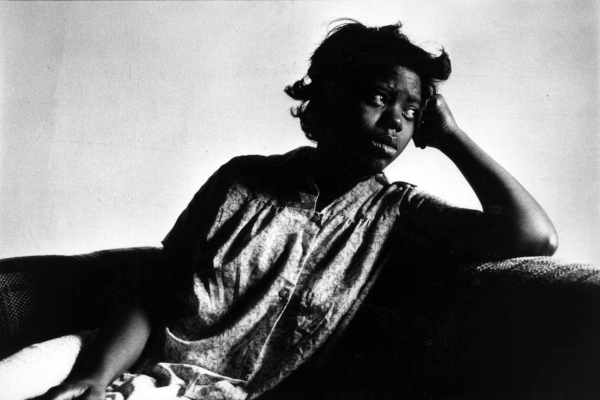
“Many single mothers reported feeling isolated, with some describing themselves as ‘flying solo’ without significant support systems.”
The findings of the study should influence businesses, policymakers and financial institutions, he noted.
“Retailers and food brands must understand that mothers want both value and quality. Banks and financial institutions must recognise the growing importance of single-parent households and the demand for more personalised services.
“Digital brands must appreciate that mothers are highly engaged online consumers who actively research and influence purchasing decisions. For policymakers, the study reinforces the reality that mothers are bearing the brunt of the cost-of-living crisis. Programmes such as the School Feeding Programme remain essential support systems for many households.
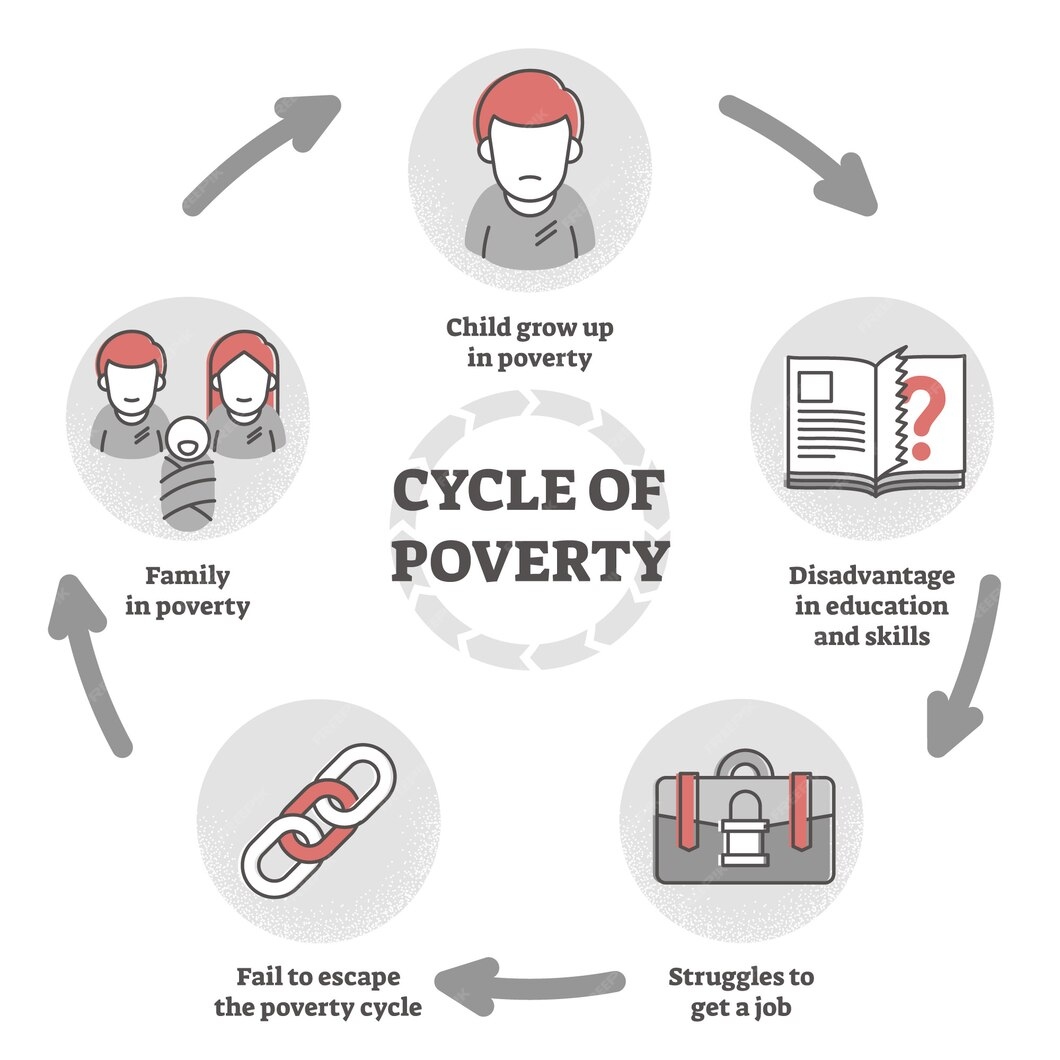
“Any policies aimed at strengthening families must acknowledge the actual structure of modern households rather than relying on outdated assumptions about two-parent family models.”
It is important research that should indeed inform national policy. Women are the backbone of our society.
How can we help to ease the load so they can breathe?
No matter how thrifty I am, it is a challenge to manage the high cost of living. Working from home Read more
The half-used insulin vial was wrapped in a stained cloth and tucked inside a small purse. She had carried it Read more
When I reach into the freezer for something from my hoard of cooked dishes, I am often reminded of the Read more

Ask someone for help to resolve an issue and more often than not they will tell you that YouTube is Read more

I was a fair way into my column when the call came. It was from one of the sharpest, most Read more

There is a quiet daily miracle. Not the kind that makes headlines. Not the kind that is measured in numbers, Read more

Vaneisa Baksh is a columnist with the Trinidad Express, an editor and a cricket historian. She is the author of a biography of Sir Frank Worrell.