 Wired868 Wired868 for smart sport news and opinion
For some time, the thought of approaching a memoir as a collection of essays has been floating about.
Assembling memories in the hope that they might make for useful reading means committing to candour and truth. People’s feelings have to be taken into account. What to include, what to leave out.
The folks swinging in and out of your life story are inevitably those for whom you have some degree of care. Yet, they are precisely the ones with whom you would most likely have complicated relationships. Relatives, for instance, appear and often disappear, sometimes under grimy circumstances.
I had devoured Safiya Sinclair’s How to Say Babylon twice, which was primarily an account of her turbulent relationship with her parents.
Within her poetic prose, riveting by itself, was a tale of a tortured sensibility torn between dread and love for the people who dominated her life.
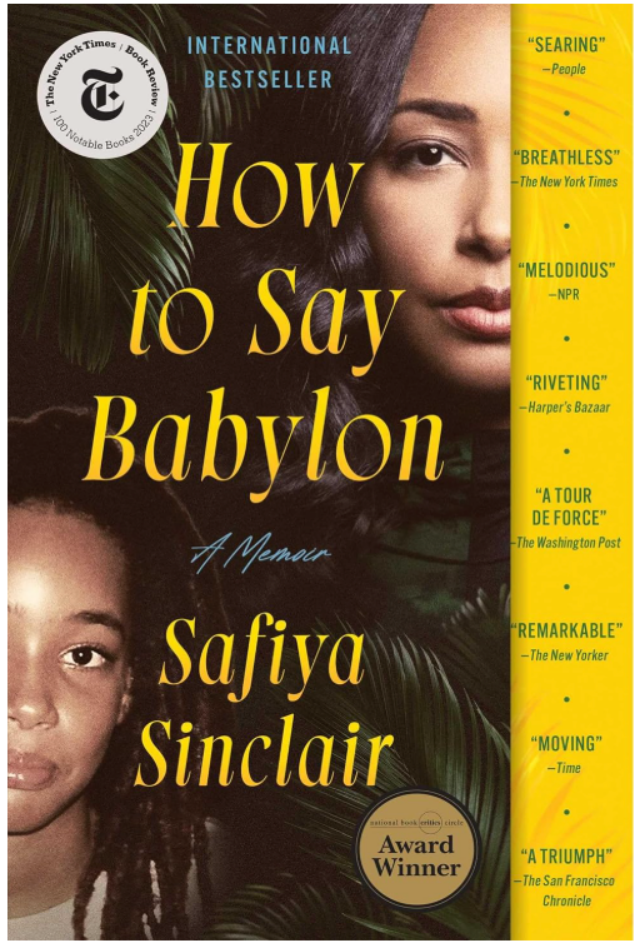
It is located mainly within the Rastafarian community in Jamaica, where she grew up, and its very Caribbean texture made it vivid and recognisable.
Her parents were still alive and present when she wrote it. How she managed to tell her story with courage and find her way towards her own liberation and acceptance was instructive.
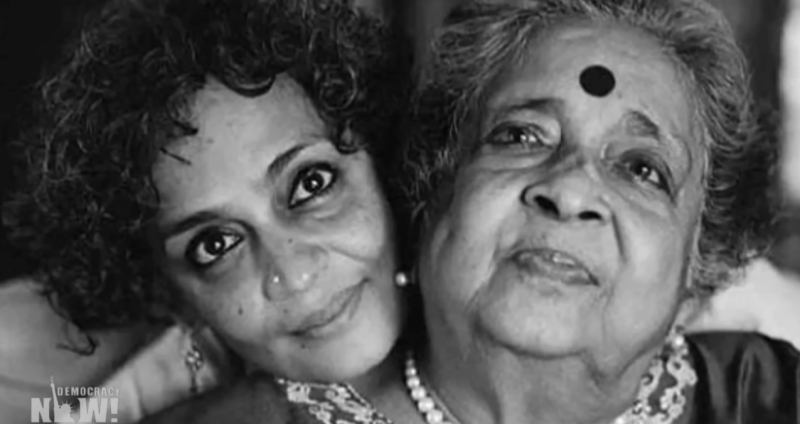
Then Arundhati Roy, the acclaimed Indian author, released her cauldron of toxic parental potions, Mother Mary Comes to Me, and I could not put it down either.
Her mother, Mary, was a formidable woman; strong, accomplished, acerbic and controlling. Roy’s book came out after her parents had died. Her life was full of rebelliousness and rage, fuelled by a fierce spirit that was constantly being shoved back down her throat.
For both women, reading and writing became their salvation, as they have been for me. They were able to take apart pain, hold it closely and look deeply into the eyes of their demons.
There is a kind of discipline in that capacity. You have to be able to examine yourself. To do that, you have to take the time to know and love the person you find yourself to be.
I am often reminded of Derek Walcott’s poem, Love after Love, which opens with these lines:
“The time will come
when, with elation,
you will greet yourself arriving
at your own door, in your own mirror,
and each will smile at the other’s welcome …”
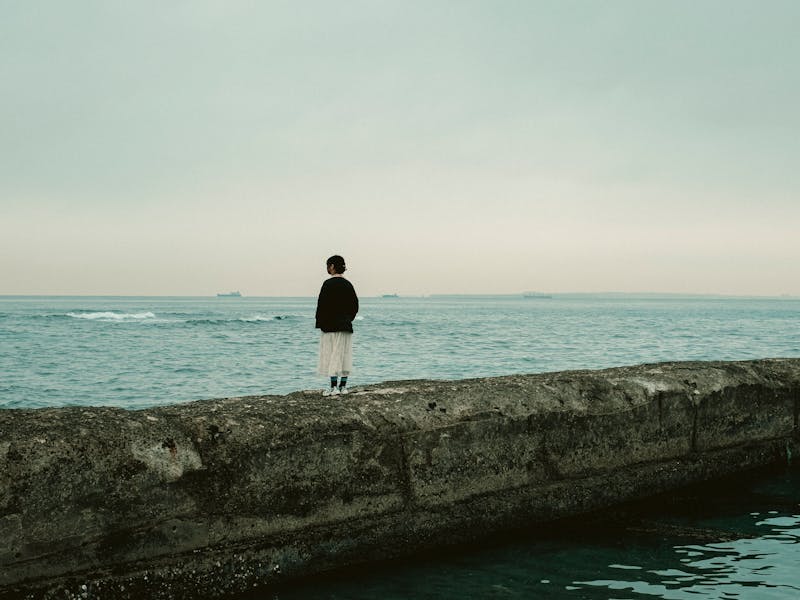
This is simply my reflection on how to find words to describe relationships that are heavily contaminated by a range of emotions that can careen from one end to the other on the spectrum of feelings.
In recent times, people I know have lost a parent. Whatever the nature of their relationships, it has inevitably been jolting and overwhelming.
In a world that is inclined to ignore the fractures between parent and child, it is often drummed into hapless heads that one must love unconditionally, must accept abusive words and deeds, must honour that “sacred” bond formed by the meeting of egg and sperm.
It is an agonising burden that is the source of deep conflict within the self.
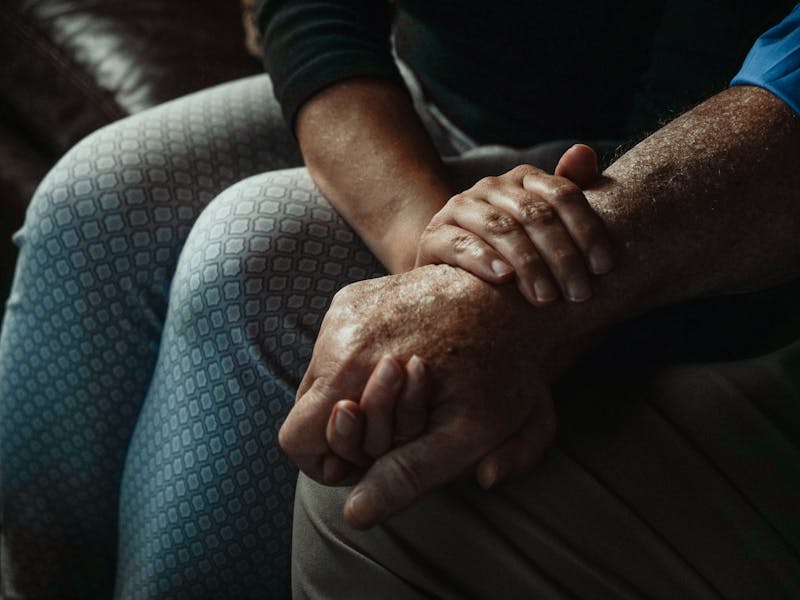
A woman in her sixties found the grace to pay tribute to the goodness in her mother. Privately, she asked herself how it was that all these other people were gifted that side of her personality, and she was not?
It was a central question for Roy. Why did she not qualify to receive the generosity that her mother bestowed on her disciples?
A man, who’d seethed at what he perceived to be his mother’s controlling, manipulative behaviour, found some measure of balance as he gathered memories about her caring nature for her eulogy.
What if he had misinterpreted her actions?
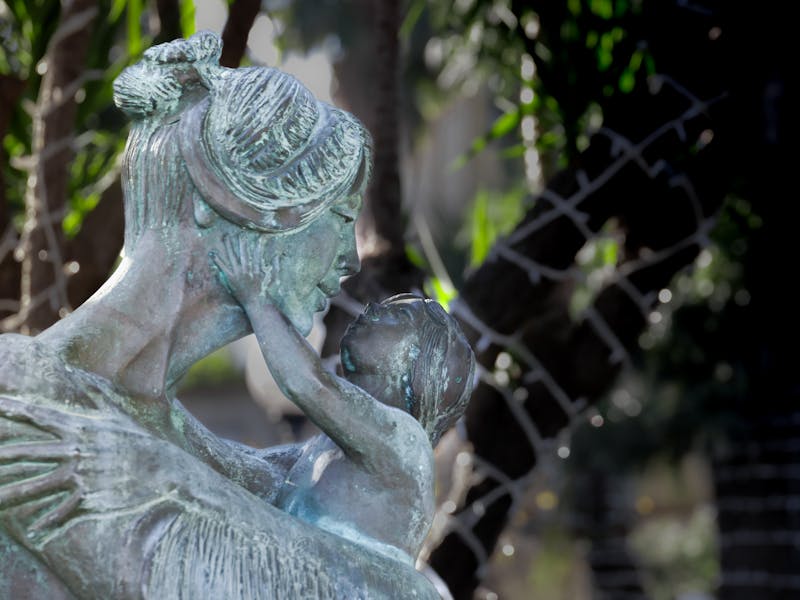
When my father died, two different feelings were uppermost. I do not think they were conflicting.
He had been suffering terribly for some time, and his life had been so reduced by constant misery that it made me feel sorry for him. But our relationship had shattered a few years before, and I had moved mentally into a place where he was my father in name alone.
I went to see him because, as he shrivelled closer to death, he kept calling for me, and it brought additional grief to my siblings to see him in that state of unrest. My presence granted him some kind of peace of mind, and brought me some, as well.
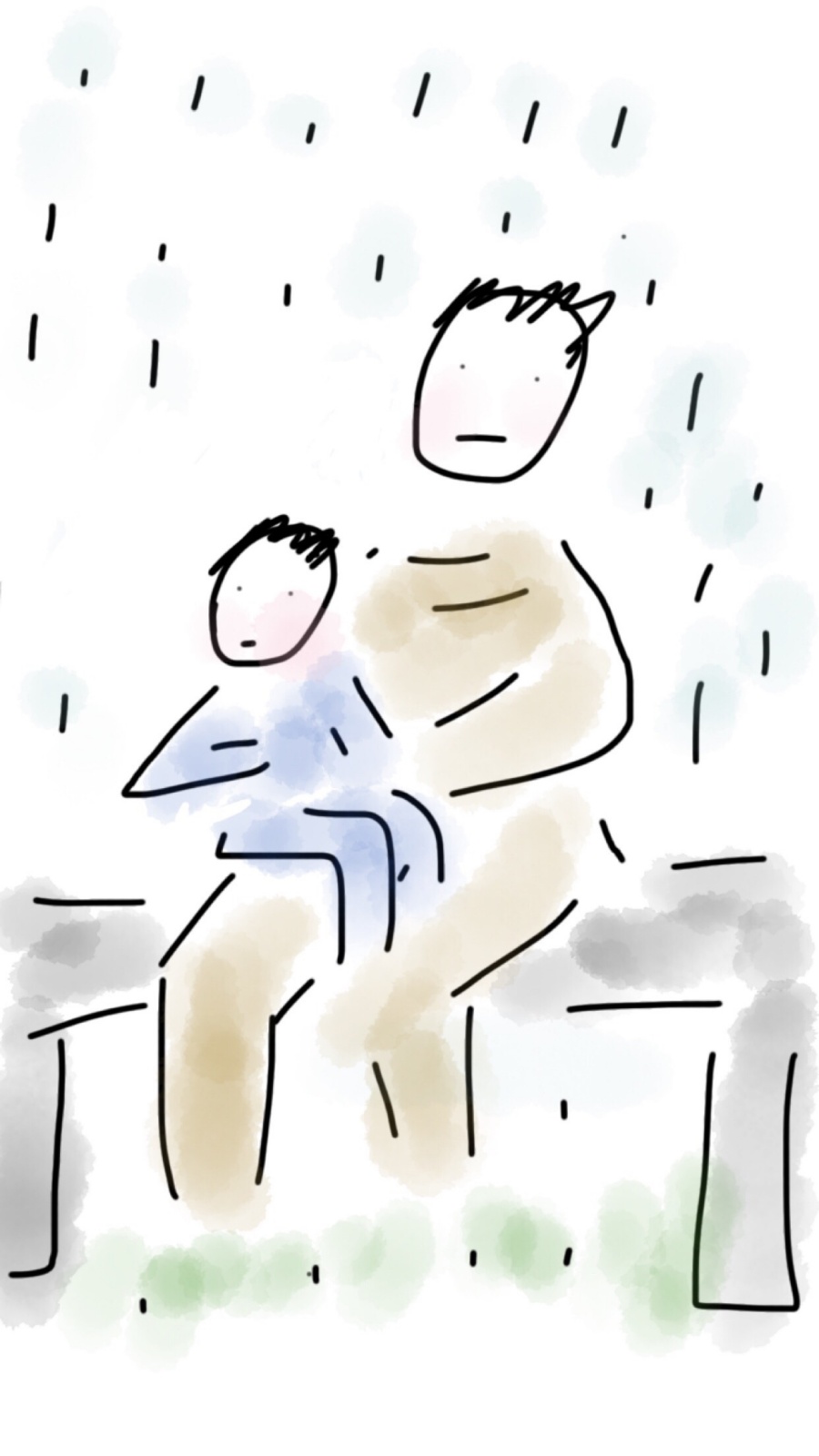
These are the challenges faced by those who have not enjoyed the loving relationships that are taken for granted as the norm. I believe those warm, nurturing environments are the exception. They are more uncommon than we think.
Our early childhood experiences stretch deep into adulthood and are powerful forces in the way we see the world.
I have abandonment issues, a young woman tells me. I have trust issues, a middle-aged man tells me. I was always told I would be a failure, says another. I was the black sheep. My father/mother hates me. I am a disappointment.
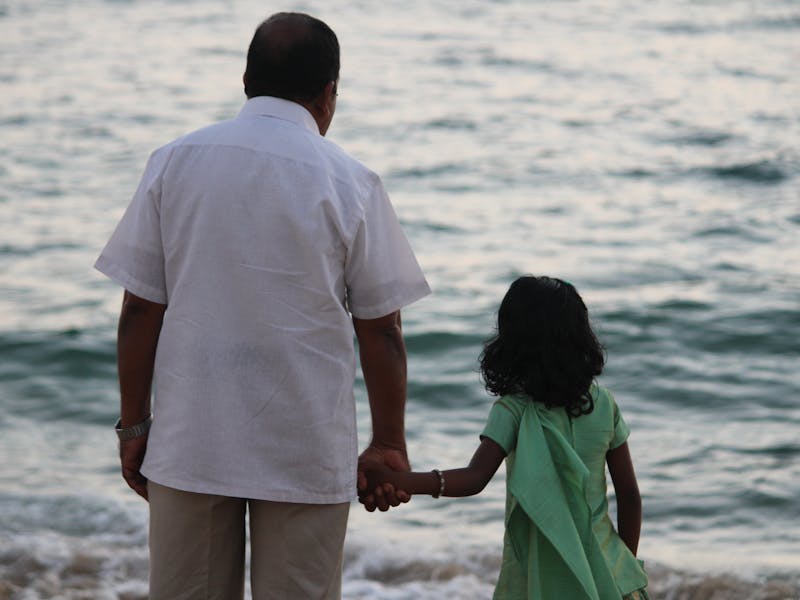
It’s a long list of accumulated stabs that have left huge scars on the psyche. Often, they are suppressed until something peels off a scab and the wound is revealed. There’s no way to accurately measure the damage.
I am told mental health professionals have an acronym, ACEs, Adverse Childhood Experiences, for it. Yet, it is possible to find some form of internal reconciliation with the people who hurt us, knowing they were hurt too, as children.
No matter how thrifty I am, it is a challenge to manage the high cost of living. Working from home Read more
World Suicide Prevention Day is observed annually on 10 September. The international theme for 2024 to 2026 is “Changing the Read more

Coffee and chocolate have spent years in and out of medicine’s good books. One month, coffee is blamed for palpitations, Read more
When I reach into the freezer for something from my hoard of cooked dishes, I am often reminded of the Read more
The school holidays have arrived. Children wake later. Shoes disappear under beds. Lunch kits are forgotten for a while. Grandparents Read more
There is one image from childhood that has never left me. After the Common Entrance results were announced, the school Read more
Vaneisa Baksh is a columnist with the Trinidad Express, an editor and a cricket historian. She is the author of a biography of Sir Frank Worrell.