 Wired868 Wired868 for smart sport news and opinion
The danger was never the word. The danger… was that it sounded familiar.
Once upon a time, leadership had a language. It was measured. It was deliberate.
It understood that words, once spoken, carried weight far beyond the moment in which they were uttered.
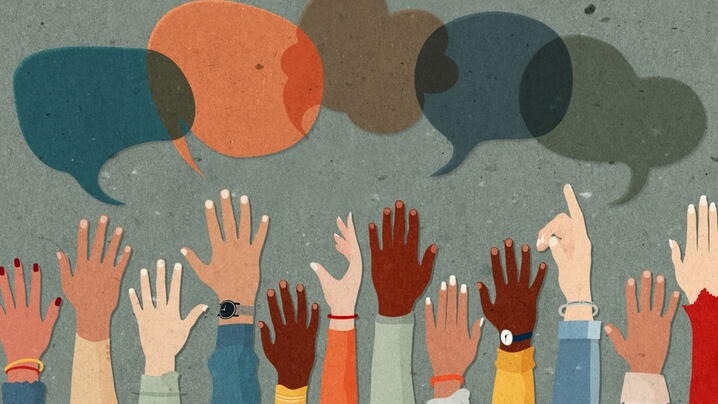
(via AdobeStock.)
Today, it seems, we are learning a different vocabulary.
A recent exchange in our political landscape included “jamette”. It travelled quickly through conversations, headlines, WhatsApp messages and, inevitably, laughter. Not because it was profound, but because it was… familiar.
The defence, such as it was, relied on a familiar logic: that previous lapses from “the other side” somehow excuse present ones.
In Trinidad and Tobago, language has always carried colour. We speak in rhythm, in metaphor, in wit. Our expressions are textured, alive and, at times, mischievous. There is beauty in that. There is identity in that.
But there is also a line.
And the difference between language that enriches a culture and language that erodes a standard often lies in how—and where—it is used.
The issue, then, is not the word itself.
The issue is this: when did we become comfortable with this being the language of leadership?
I remember, as a high school student, accompanying my father to the Red House when he served as an independent senator. I did not understand everything that was said, but I understood the atmosphere.
There was a seriousness to the room. A sense that words mattered. Debates were not always polite, but they were purposeful. Arguments were constructed, not thrown. Voices rose—but they rarely fell.
The country, at that time, had a president in Noor Hassanali whose quiet dignity seemed to set the tone for public life. There was a steadiness, a sense of proportion, a recognition that public office was not simply a platform, but a responsibility.
I suspect my sensitivity to language did not begin in the Senate.

(Copyright Office of the President.)
It began at home. My mother taught English literature and, in her world, words were never casual. They were chosen, shaped, respected.
She taught that language could elevate a thought—or diminish it. That a sentence, properly formed, carried not just meaning, but intention. Perhaps that is why I still listen, even now, for more than what is said. I listen for how it is said.
In medicine, we are taught something very early: the way you speak to a patient matters almost as much as what you prescribe.
A careless word can undermine trust. A dismissive tone can erode confidence. A moment of disrespect can linger long after the clinical details are forgotten. Because language, once released, cannot be retrieved. It can only be remembered.
Politics, like medicine, is built on trust—quietly earned, easily lost.
Yet we now find ourselves in an era where political exchanges increasingly resemble performance. The volume rises. The phrases sharpen. Applause follows. And somewhere beneath the theatre, substance struggles to be heard.
It is not that serious issues no longer exist. It is that they must now compete with spectacle.
There is, of course, an undeniable entertainment value in all of this. The quick retort. The perfectly timed phrase. The moment that spreads before the day is done.
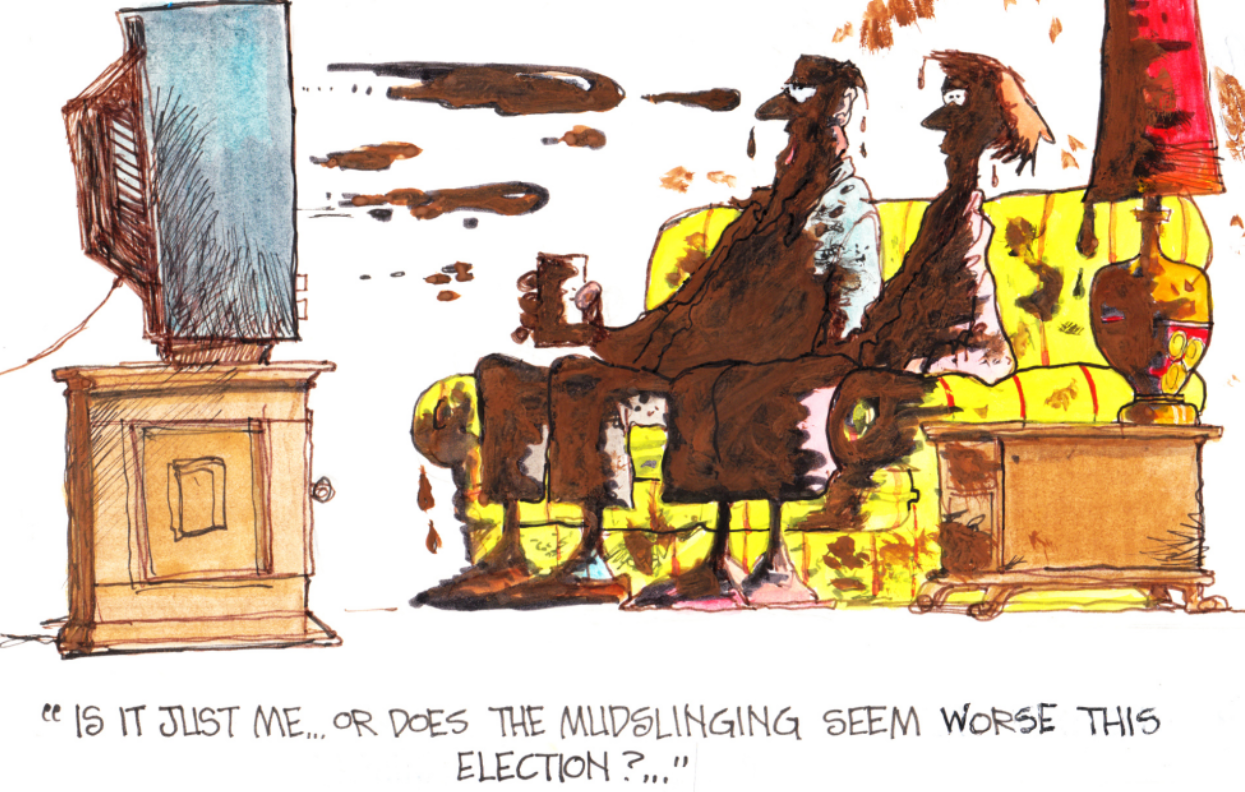
But entertainment is not governance.
And humour, while useful, is not a substitute for leadership.
Language does not decline overnight. It shifts—quietly, almost imperceptibly.
One phrase becomes acceptable, then another, then another. Until one day, we look around and realise that the tone has changed, but no single moment felt like a fall.
A country eventually speaks the way its leaders do.
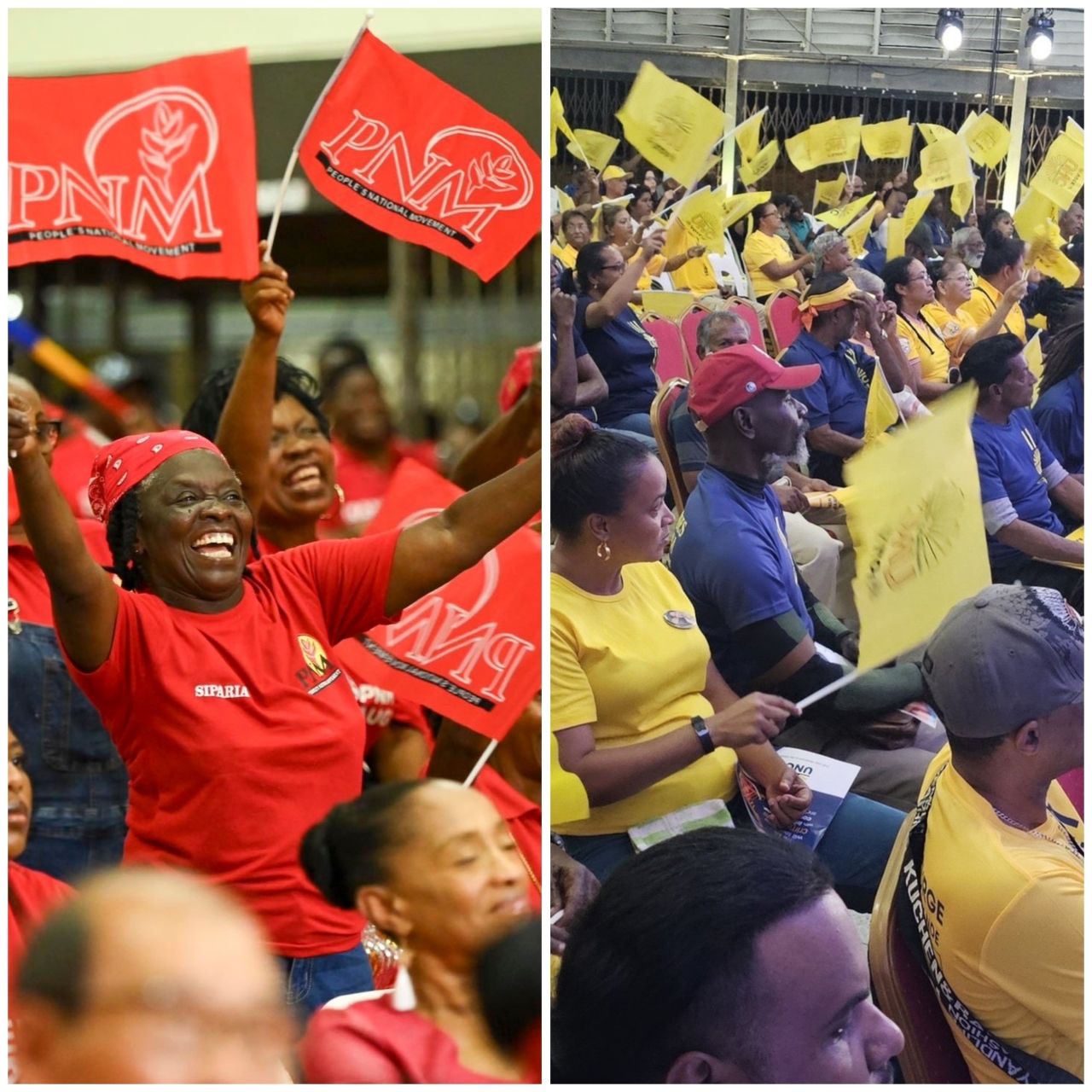
Not immediately. But inevitably.
Children absorb tone long before they understand policy. Public spaces begin to echo what is normalised at the highest levels. And so, the standard set at the top does not remain there. It filters downward into conversation, into culture, into everyday life.
Our strength lies in our expressiveness, our humour and our ability to say much with little. But even within that vibrancy, there has always been an unspoken understanding—that certain spaces demand a certain standard.
Leadership is one of those spaces.
(via Office of the President.)
The question, then, is not whether a word was colourful, clever, or even culturally resonant. The question is whether it belongs in the vocabulary of those entrusted with national responsibility.
Because words do more than describe.
They define.
It would be easy to dismiss this as trivial—to say that there are bigger problems. And there are. A healthcare system under strain. Economic pressures. Rising chronic disease. Communities asking for more than promises.
But it is precisely because these issues are so serious that the tone of leadership matters.
Photo: UNC.
Clarity requires discipline. Trust requires respect. Progress requires focus. And all three begin with language.
Perhaps, then, the moment calls not for outrage, but for reflection—not about who said what, but about what we are willing to accept.
Because when standards fall slowly, they rarely feel like a fall at all.
They feel like normal.
And that is the quiet danger.
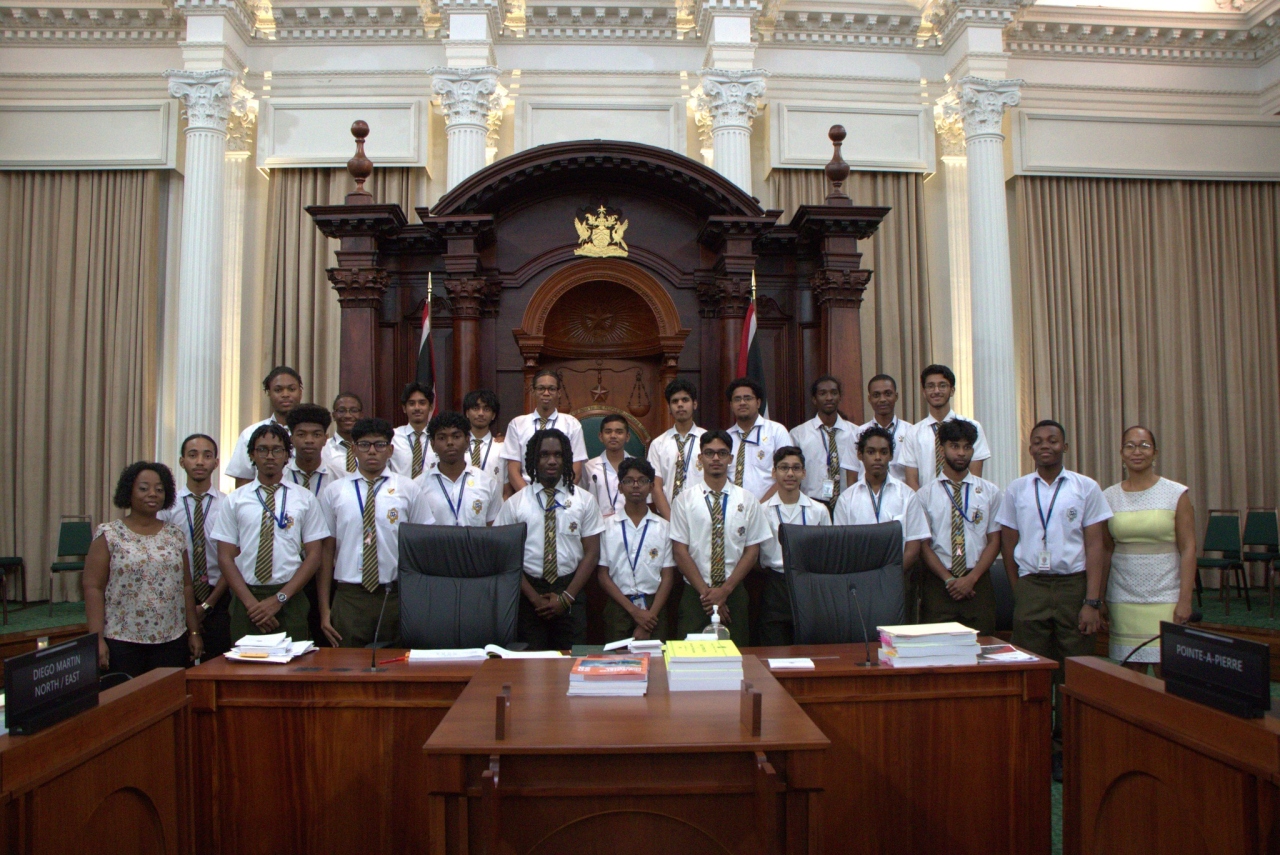
Photo: Office of the Parliament 2025.
In the end, the question is not whether a word was spoken. Or what “the other side” said.
The question is whether we still remember what leadership is supposed to sound like.
Because when language falls… leadership rarely rises.
I am not a politician. I’m certainly not a senator. I am just a citizen who pays attention. So, when Read more
There is an old adage that says: “a wise man learns from the mistakes of others, while a fool learns Read more
Thirteen years have passed since health care workers, Lake Asphalt employees and other workers last received a salary adjustment. In Read more
“[…] The media release by the heads of judiciaries—that seemed to focus on the leak of the emails and breach Read more
“[…] Neither African nor Indian communities benefit from this… In cases where division arises unintentionally, accountability must fall on leaders, Read more

A few years ago, Michal Teja captured hearts and titles with his hit song, DNA. At the time, I was Read more


And yet one of the biggest transgressing group are your colleagues. Both ironic and appalling.