 Wired868 Wired868 for smart sport news and opinion
There are many ways to kill a man.
Some are sudden. Some are brutal. Some are mercifully brief.
Crucifixion was a slow, deliberate medical death.
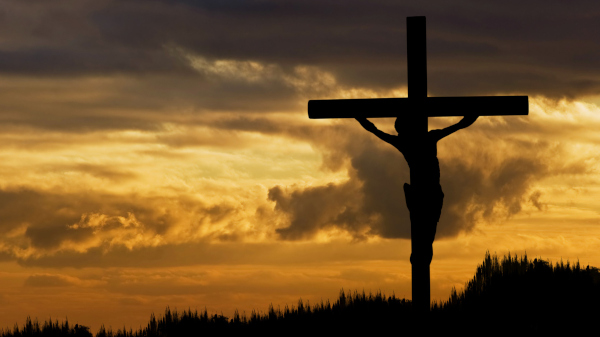
The Romans may not have had physiology textbooks, blood gas analysis or intensive care units, but they understood something grimly practical about the human body: if you suspend a man by his arms, stretch his chest open, wound him deeply, drain his blood and leave him exposed, breathing itself becomes a form of torture.
That is one of the unsettling truths of Good Friday. For many, it is a sacred mystery. For others, it is a story learned in childhood, repeated so often that its horror has softened around the edges.
And the body is telling us something terrible.
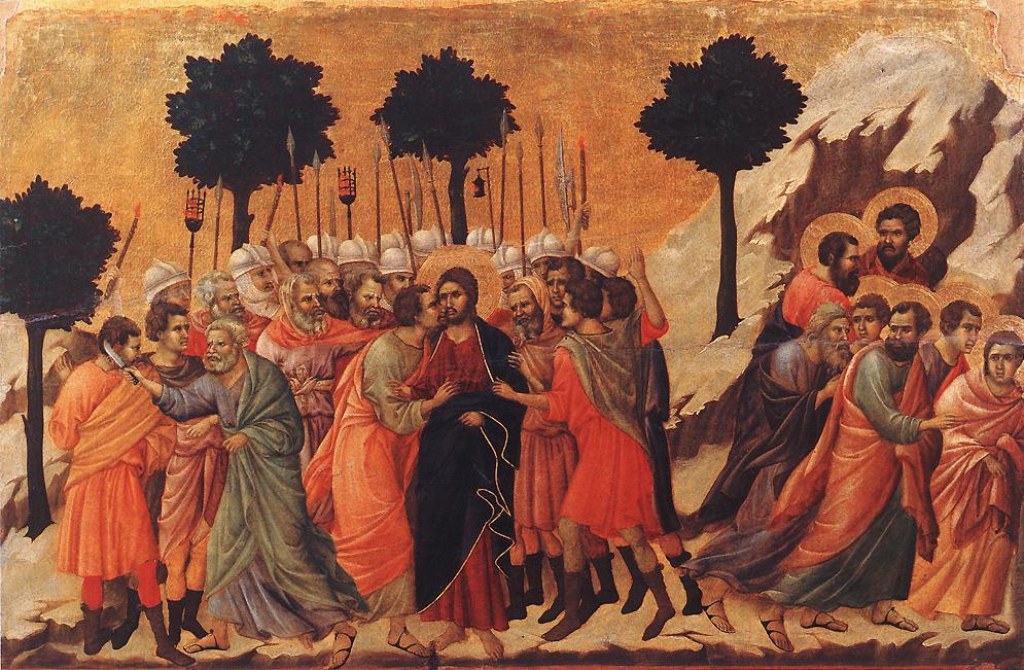
The process began long before the nails. Roman scourging was savage. The whip, often weighted with metal or bone, tore through skin and subcutaneous tissue, sometimes exposing muscle beneath. It lacerated the back, shoulders and legs.
Blood loss could be substantial. Pain would have been extreme. By the time a condemned man reached the cross, he was often already profoundly weakened.
In modern medical language, this was the beginning of shock.
The heart would race in an effort to preserve circulation. Blood pressure would begin to fall. The skin would grow cold, pale and clammy. The body, that stubborn defender of life, would divert blood toward the brain and vital organs, sacrificing comfort and clarity in the desperate hope of survival.
Then came the cross itself.
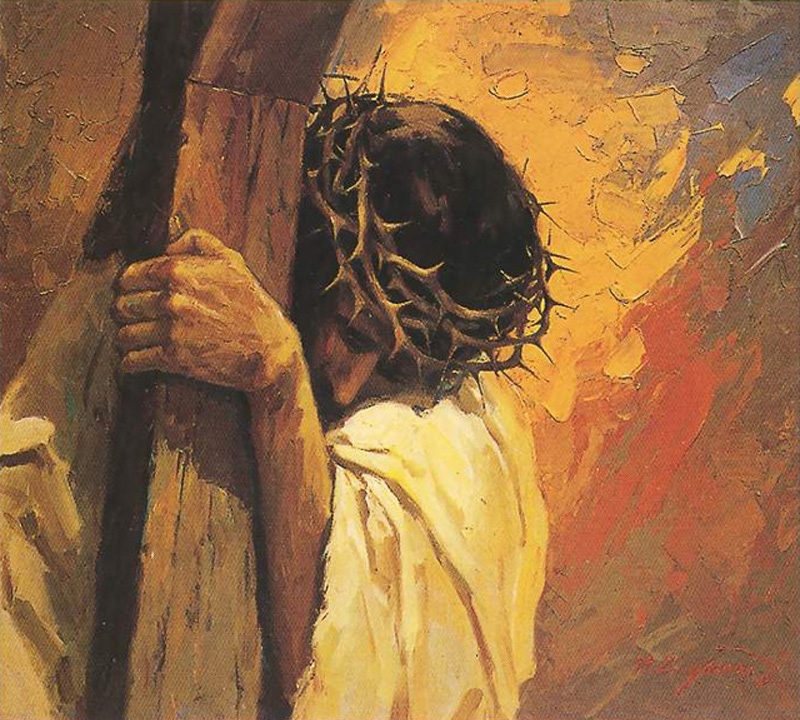
This is where the cruelty becomes almost mechanically brilliant in its design. With the arms stretched outward and upward, the chest wall is held in a position that makes inhalation easier than exhalation.
Air can enter. But to breathe out effectively, the victim must lift his body while fighting pain simply to perform what healthy people do without thought every few seconds.
Breathing becomes labour.
Breath becomes agony.
And the body, which can endure astonishing things for astonishing lengths of time, begins its slow surrender.
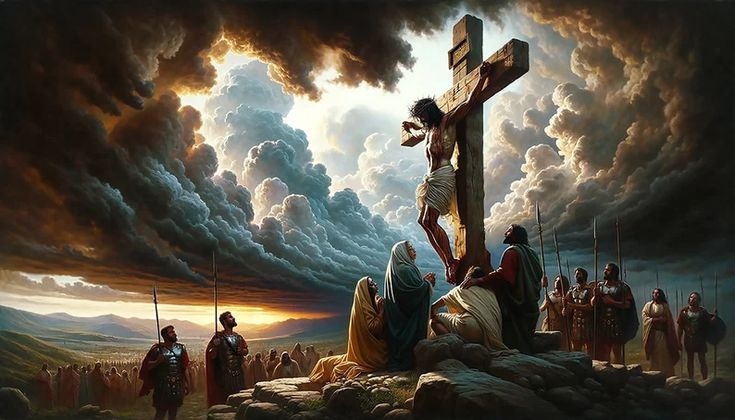
Hours pass. Muscles fatigue. The effort required to rise becomes too much. Carbon dioxide accumulates because the lungs cannot empty properly. Acidosis deepens. Oxygen levels fall. Exhaustion overwhelms the will to keep lifting.
Eventually the body sags, the chest sinks, respiration becomes shallow and ineffective, and death comes creeping forward through a combination of asphyxia, collapse, trauma, shock and sheer physiological failure.
This is not poetic language. It is medicine.
There is another detail in the Passion account that has always caught the attention of doctors. After death, when the side was pierced by a soldier, the witness records that “blood and water” flowed out.
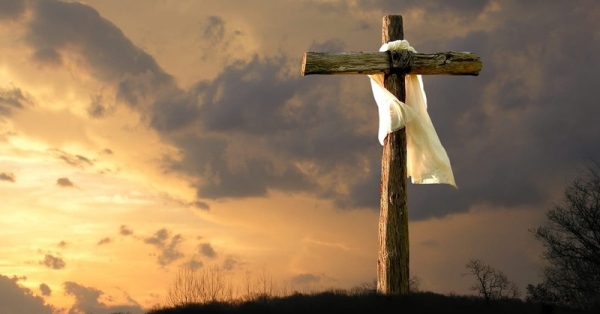
To many readers, it is simply one more detail in a sacred narrative. However, severe trauma can produce fluid around the lungs or heart. Blood may collect in the chest. A spear wound could release both blood and a lighter, clearer fluid, creating the striking impression of “blood and water”.
Whether one reads that moment through the lens of faith, medicine, or both, it is vivid in a way that feels remembered rather than invented.
Good Friday is full of such details.
There is also a tradition, cherished in parts of Christian history though not recorded in the biblical text itself, about the Roman centurion at the cross. My father reminded me recently that the soldier is sometimes named as Longinus.

One version says that as Christ’s blood fell, a few drops touched the centurion’s damaged eyes and he was healed.
Theology embraces mysteries that medicine cannot measure. There is something profoundly moving about the image: a hardened soldier standing at the site of death and finding that what touches him restores his sight.
Illness strips away illusion. It humbles the proud, frightens the strong, slows the busy and forces even the most self-assured among us to reckon with our own frailty.
A diagnosis can do in a day what years of success cannot: it can make a person look honestly at life. A man who ignored his health for years suddenly begins to cherish ordinary mornings. A woman who survived a frightening admission stops postponing joy. Families who barely spoke find themselves holding hands at a bedside.

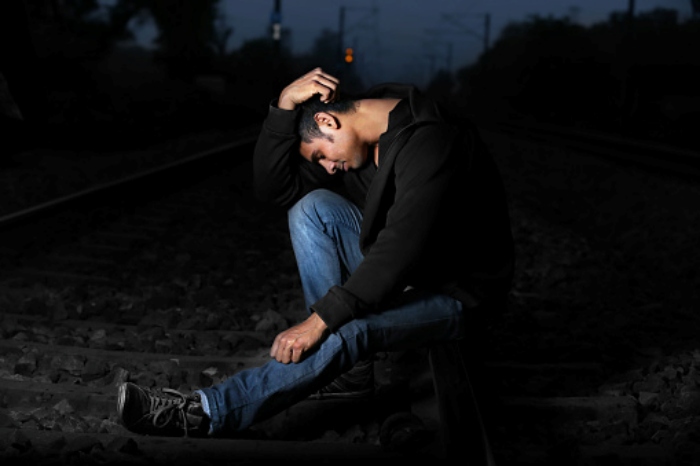
Modern people do not carry wooden crosses through Jerusalem but we do carry burdens. We carry stress like a second skeleton. We carry grief in our blood pressure, worry in our sleep, fear in our gut, loneliness in our appetites or trauma in our hearts.
We bring these things into clinics every day, though we do not always name them.
Medicine treats the numbers: blood pressure, glucose, cholesterol, creatinine or haemoglobin. But behind the numbers there is often another story.
A man is hypertensive not only because of salt, genes, and weight but because he has not slept peacefully in years. A woman’s diabetes is not only a matter of insulin resistance but of shift work, caregiving, financial anxiety and the exhausting mathematics of survival.
(via iStockphoto.)
Anxiety is not imaginary. Stress is not weakness. The body records what the soul endures.
That is why one of the most overlooked parts of the Easter story may be the silence between Friday and Sunday.
We are uncomfortable with silence now. We fill every moment. We glorify busyness. We boast about exhaustion as if it were a medal of honour.
That is a lesson modern society desperately needs. Some of us are being slowly crucified not by wood and nails but by relentless pressure, poor sleep, hidden despair, untreated illness and the worship of productivity. We are moving, but not healing.

Good Friday asks us to look honestly at suffering.
Easter asks us to believe that suffering is not the last word.
We see recovery after strokes. We see people walk again. We see cancer remissions. We see depression lift. We see broken lives stitched back together in ways that no scan could have predicted and no algorithm could have promised.
Of course, not every story ends in cure. Doctors know that too. Some wounds remain. Some prayers are answered differently than we would wish. Some Fridays are darker than others.
But even then, there is meaning in care, dignity in compassion and grace in simply refusing to abandon one another in pain.
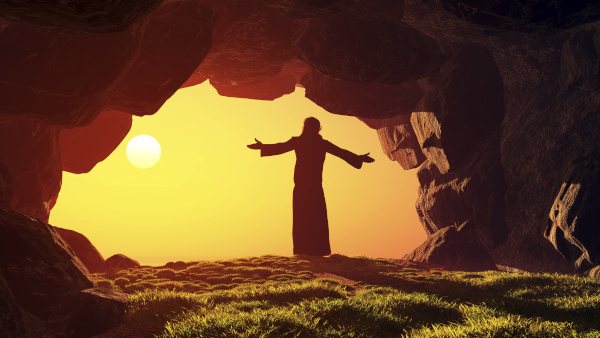
Good Friday is not only about how Christ died.
Because beyond the blood, beyond the breathlessness, beyond the brutality of the Cross, there remains one defiant truth that medicine can recognise but never fully explain:
The empire perfected death.
But it still could not keep life in the grave.
World Suicide Prevention Day is observed annually on 10 September. The international theme for 2024 to 2026 is “Changing the Read more

In the days before the new academic year begins, the quest for books, uniforms and shoes continues. Health is often Read more

This Independence Day, Trinidad and Tobago turns 64. If the country were one of my patients, this would be about Read more
“[…] I urge our PM not to use the word ‘coolie’ to self-reference. I accept the fact that you may Read more

The third scalding shower before breakfast was not for cleanliness. It was the only place the young man stopped vomiting. Read more
The half-used insulin vial was wrapped in a stained cloth and tucked inside a small purse. She had carried it Read more