 Wired868 Wired868 for smart sport news and opinion
In light of current general statements about economic diversification, it will not surprise my readers that I will proceed on my break, commencing today, only after some further comments concerning pan and culture.
In fact, one of my intended video documentaries will be about my exposure to pan, which started even before I was a teenager.

Photo: OTP.
This week, as the sequence of regional carnival seasons begun, I am suggesting that carnival, our principal cultural tourism earner, may not gain further space in the global market in the face of regional competition.
However, before I develop that thought, this column would not be an authentic Daly commentary unless I invite my readers to keep in mind my prescriptions for the development of the panyard model, the promotion of pan in venues across the entire world, and of the dire need for a fully functional drum factory located in our country.
In the years 2021 and 2022, when Covid took us off the road, we lost the opportunity to implement a re-designed cultural development policy for Carnival, despite calls to do so.

Photo: Pan Trinbago.
Professor Dr Keith Nurse, distinguished economist and social scientist frequently dealt with the globalisation of our Carnival and its reach.
In September 2023, at a panel discussion entitled Re-engineering the Economics of Carnival for Sustainability, Professor Nurse reportedly stated:
“Visitor arrivals and spending are tracked across 19 days for Carnival, but the expanding reach of the festival, which really begins formally on Boxing Day, and the efforts by event promotors, performers and steelbands to continue working throughout the year, call for an expanded idea of when Carnival happens and the real impact it has on the national economy.”

(via Patrice Roberts.)
Professor Nurse (see Trinidad Guardian 23 February 2025) recently confirmed that we suffer from “Carnival data poverty”.
He was specific that the only data that Trinidad and Tobago currently captures is visitor arrivals and that for more than a decade we have not captured “data going beyond just the arrival and expenditure, but where the people came from in detail and it would also drill down on all of the expenditures.”
According to Professor Nurse, it had previously been the practice that a document emanating from the Central Statistical office would indicate “not just what people were spending on things for Carnival, but also how much was being spent outside of things related to Carnival”.
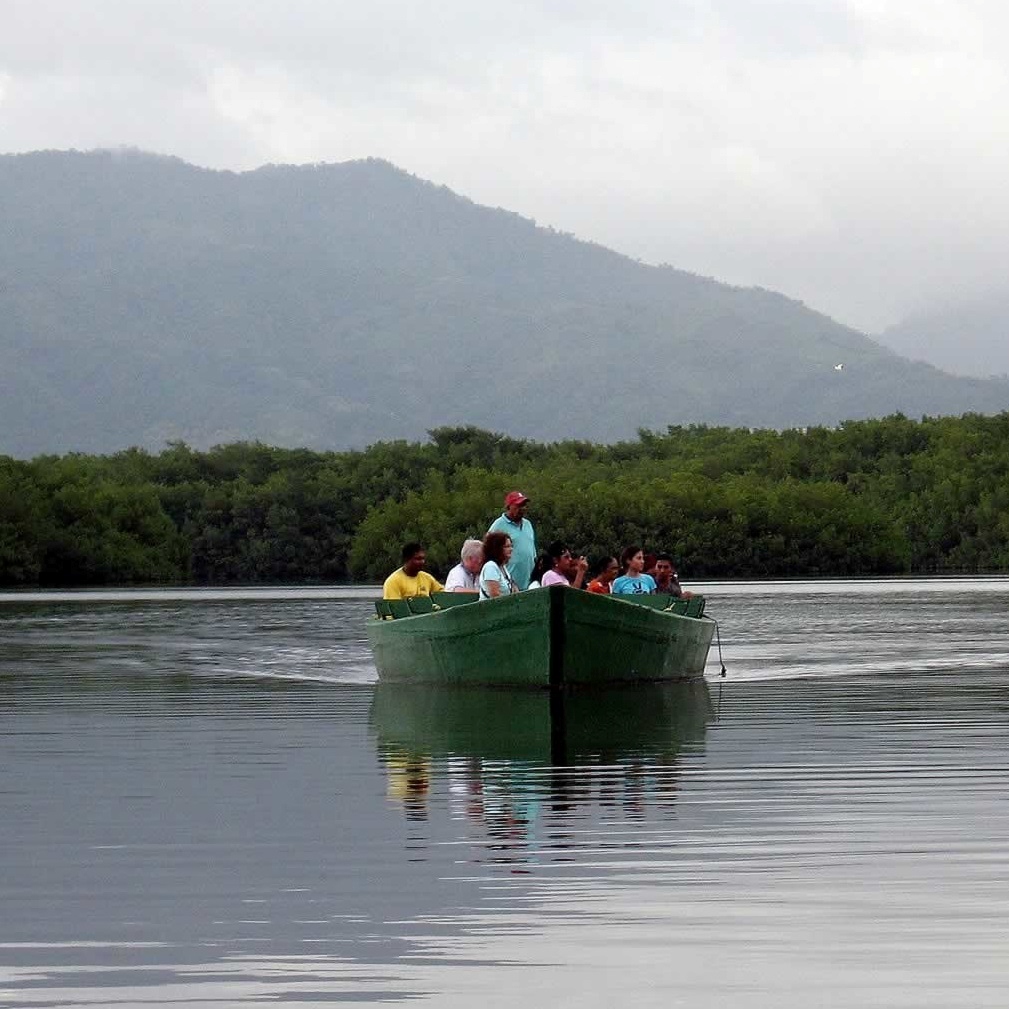
(via Island Experiences TT.)
He gave the example of visits to the Caroni Bird Sanctuary and the Asa Wright Nature Centre.
By contrast, earlier this year, in Jamaica, their Minister of Tourism announced the completion of an economic impact assessment study of carnival in Jamaica, which was intended to give insight into the festival’s contribution to the country’s tourism and creative economy.
According to the report in the Jamaica Observer of 27 April 2025 of the launch of the findings of the study, Jamaica aims to become “the carnival capital of the Caribbean”.
The Ministry of Tourism and local event promoters are reportedly planning to make the staging of carnival in Jamaica the biggest in the region despite carnival not being a native Jamaican celebration. They are relying on “Jamaica’s prime logistical positioning, its hotel and transportation system already in place” as key advantages.
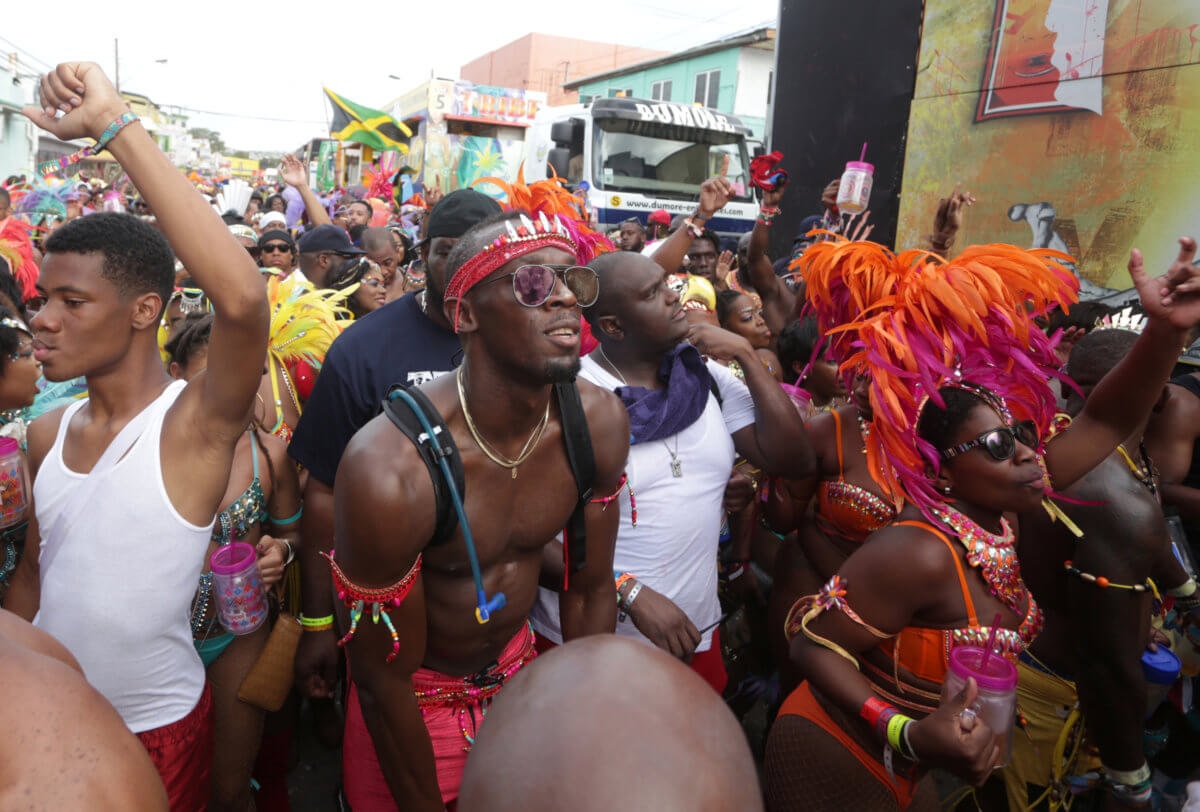
(via Caribbean Life.)
The Jamaica Observer report acknowledged that carnival has deep historical roots in Trinidad and Tobago and several other Caribbean islands. Jamaica only began celebrating carnival on the national level in the early 1990s but it is now claimed to be the fastest growing carnival in the region.
At the recent official media launch of St Lucia Carnival 2026, Minister of Tourism there reportedly had in hand a survey of visitors to St Lucia Carnival 2025.
Where are we now? Probably at the point of more so-called stakeholder consultations.

(via Ministry of Culture and Community Development.)
What data will inform those consultations? What do we know, for example, about the contribution of the fete economy in Trinidad, now cramped out for space and transportation access?
What proportion of visitor expenditure is paid to providers located abroad? Do we intend to better leverage pan and street food?
Perhaps we will simply remain wrapped in the delusion of “the greatest show on earth” while others move forward with our cultural ingredients.
“[…] As we navigate 2026, we find ourselves facing a rather curious paradox: the very mechanism designed to illuminate public Read more

This is my penultimate column before I proceed on my break after twenty-four years of writing these weekly columns. As Read more
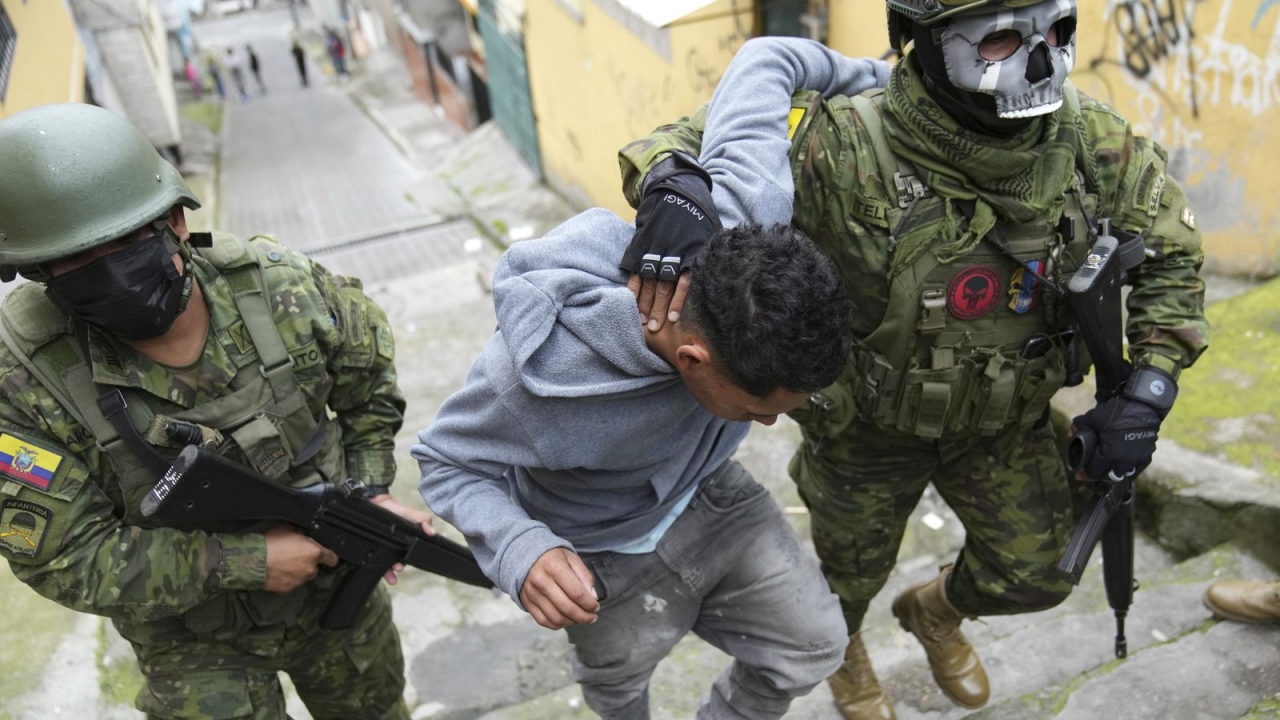
Trinidad and Tobago entered into the Americas Counter Cartel Coalition, which was announced in Doral, Florida, two weeks ago at Read more

David Rudder famously sang in 1996 in The Madman’s Rant: “Somebody clean out the weed real fast. But somebody letting Read more
In light of the announcement last Tuesday of yet another state of emergency (SoE) I feel compelled to restate a Read more

For those who might have wondered about the absence of my column last week, the Express has decided that it Read more
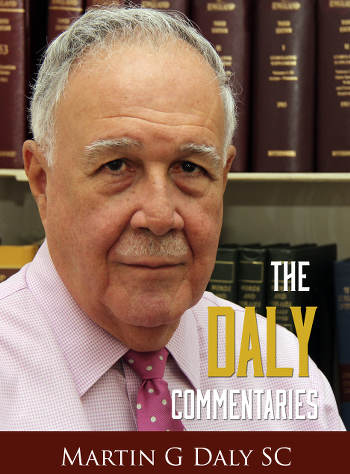
Martin G Daly SC is a prominent attorney-at-law. He is a former Independent Senator and past president of the Law Association of Trinidad and Tobago.
He is chairman of the Pat Bishop Foundation and a steelpan music enthusiast.