 Wired868 Wired868 for smart sport news and opinion
In light of the announcement last Tuesday of yet another state of emergency (SoE) I feel compelled to restate a main theme of these columns.
We have barely advanced positively in politics or in governance and little ever changes, even after a general election at which we vote out an unsatisfactory, non-performing incumbent government.
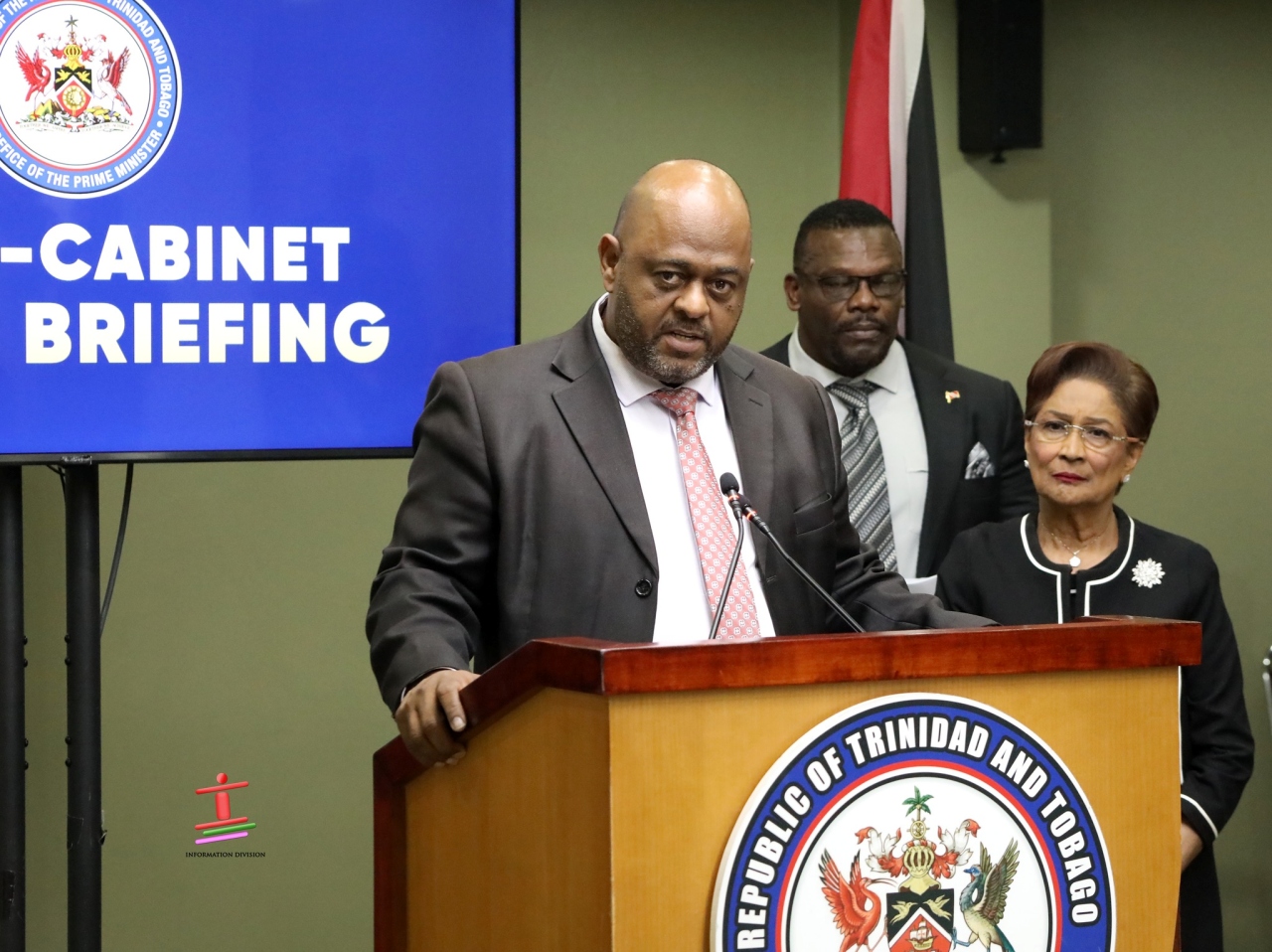
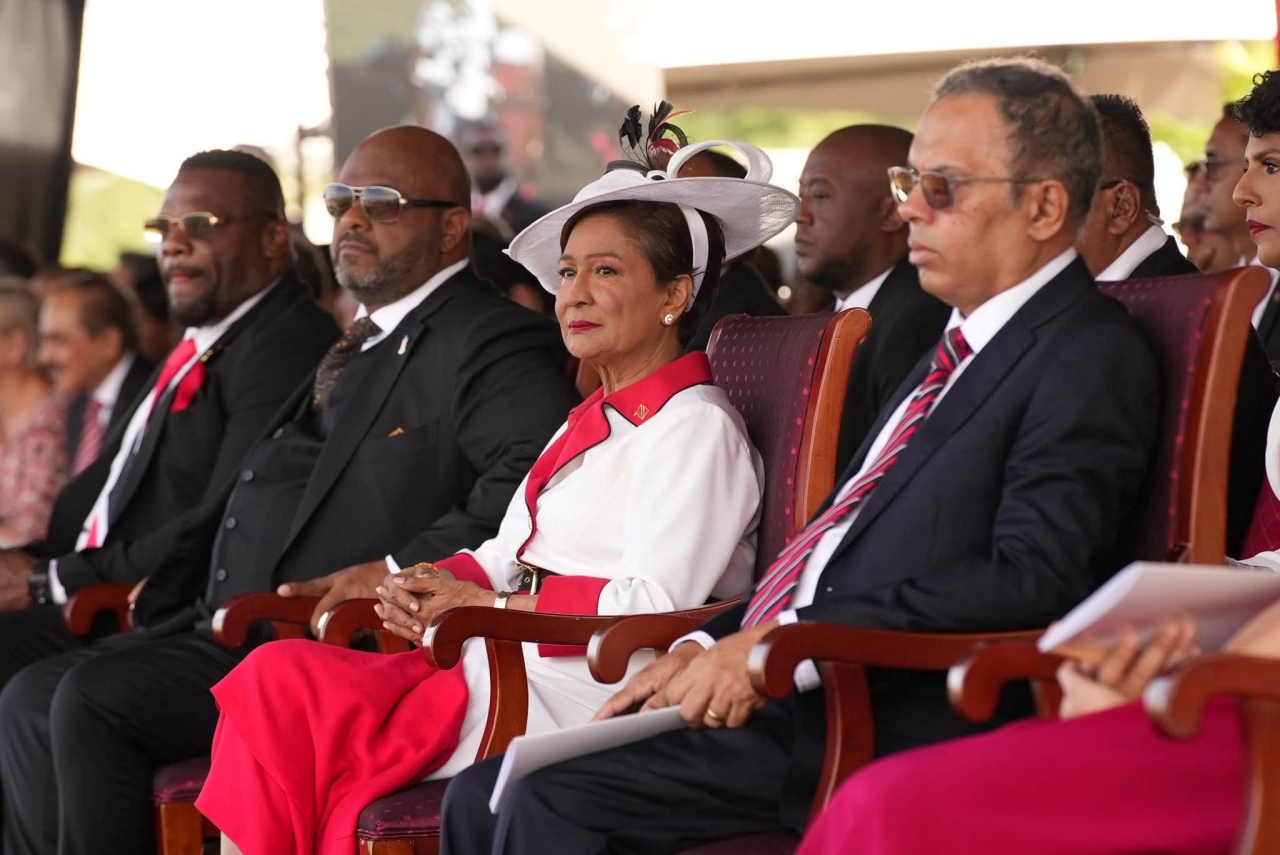
Photo: Office of the Prime Minister.
Our governments rarely put forward coherent policies about anything let alone the treatment of violent crime.
The SoEs of August 2011, December 2024, July 2025, and now this one of March 2026, were declared by the two different governments in power at the respective times. The common thread that runs through them is their declaration following waves of violent crime.
The grounds for declaration of the three most recent ones have referred to threats from organised criminal gangs within and outside the country’s prisons.

For nearly two decades, none of our governments have had a policy to curtail violent crime. Murder was first deflected as confined to “hot spots”, a bystander killing was dismissed as “collateral damage” and meetings were called with so-called community leaders.
Government contracts for make-work programmes became the subject of deadly turf war. Our borders were allowed to remain porous and we descended into a gun-ridden, gang infested, narco-infiltrated State.
Changes of Government did not result in decisive policy interventions. Commencing with a reference to a column going back to 2003, I did a Violent Crime Retrospective published on 23 September 2023.

Their political roles were reversed at the time.
(Copyright Power102fm.)
Fellow commentator Raffique Shah commented nearly ten years ago on what I had been writing. In his column entitled All Ah We Dead, published on 28 April 2016, he stated:
“In other words, there is a general breakdown of law and order across the country, with criminals engaging in what I would describe as an insurgency, which is loosely described as a rebellion against authority.
“My colleague Martin Daly SC goes beyond that: it’s a coup d’etat, he posits, in which the state has ceded large areas of the country, including the nation’s prisons, to criminal elements.”
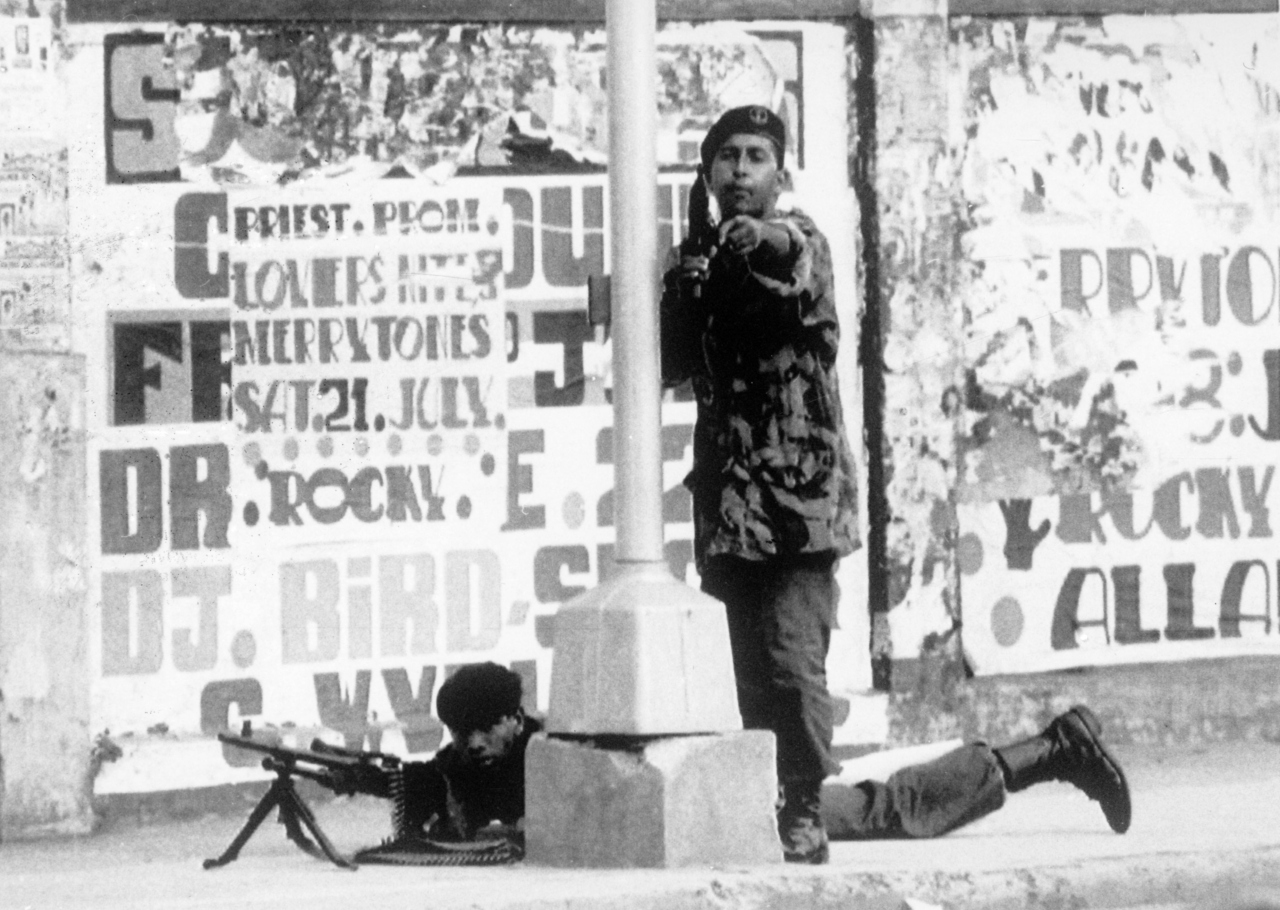
Photo: AP Photo/ Scott J Applewhite.
Isn’t that where we have remained suffering under the ascendancy of the criminal and corrupt elements—stuck with only intermittent attempts at temporary suppression without a long-term plan for curtailment?
Merely playing politics and the blame game damages the national interest. I saw that first hand before I withdrew from participation in the management of the situation in 1990 relating to the grant of the amnesty to the members of the Jamaat Al Muslimeen, following the attempted coup of 27 July 1990.
I am not reliant on hearsay or folklore. I was present in Camp Ogden from early on the morning of 28 July. After the release of the hostages, I was present at and attended a meeting in the Hilton Hotel, which had the character of a legal summit.
I also went twice to the residence of the then Prime Minister ANR Robinson on urgent legal business.
I have never got around to writing my account of what really happened with the amnesty. I am now making arrangements to do two or three videos, the first of which is to place that historical record into video form.
For that I need a break from writing these columns.
The video will tell the story of how the amnesty came into existence and how the issue of it was managed and litigated from my standpoint as a participant in those events, until the time I withdrew for the following reasons: the written advice from the legal summit was not followed, politics came into play, and I disagreed with how the litigation was to be conducted.
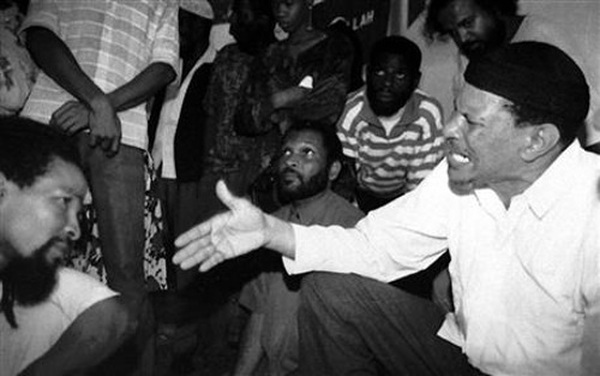
Photo: AP.
The main ground of my disagreement was basically the same as that of our revered former chief justice and first president of the Caribbean Court of Justice, the late Michael de la Bastide.
It must be re-emphasized that the Simmons Commission of Enquiry, before whom both Michael and I gave evidence, remained perplexed at the fact that an important legal point about the amnesty was not taken. That appears from the record of the Commission’s proceedings.
I am nearing the end of my twenty-fourth year as a weekly columnist in the Trinidad Express newspaper. My break will begin immediately after Easter, Sunday 5 April.
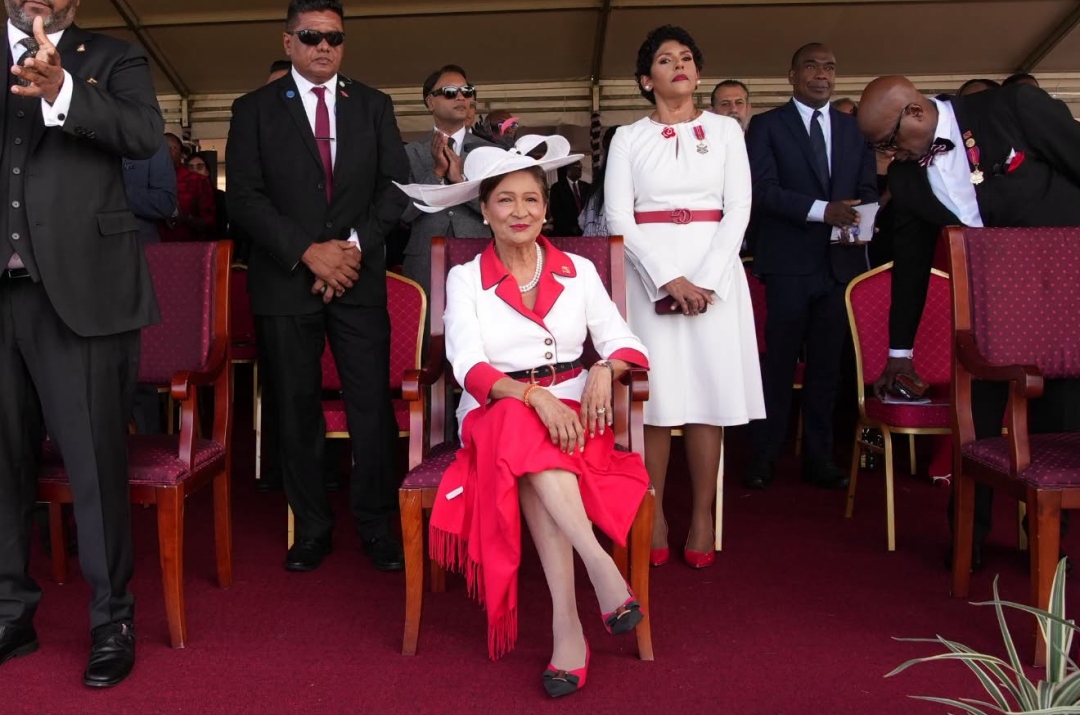
I am not a politician. I’m certainly not a senator. I am just a citizen who pays attention. So, when Read more
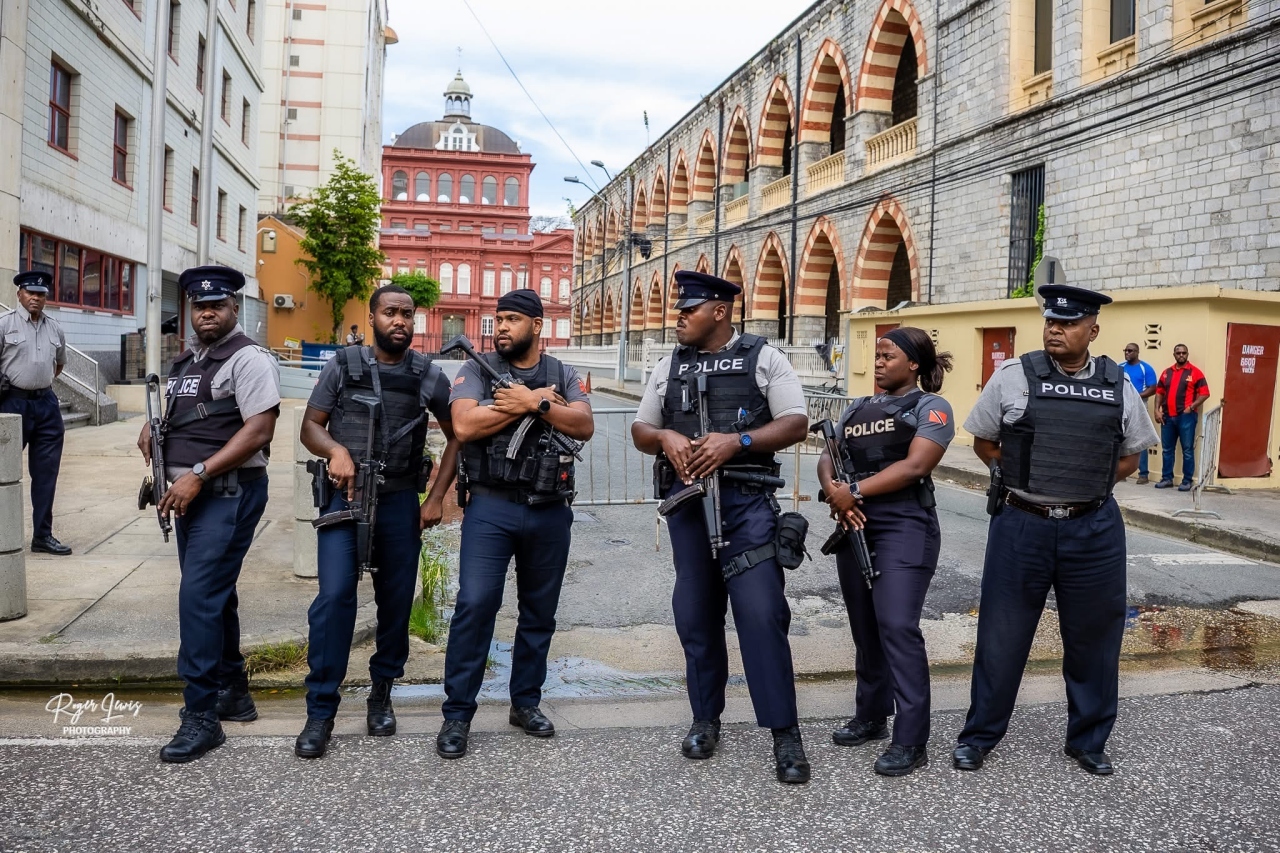
“[…] It is nothing short of amazing how this current political directorate can go from conceptualization of 30 ‘police post’ Read more
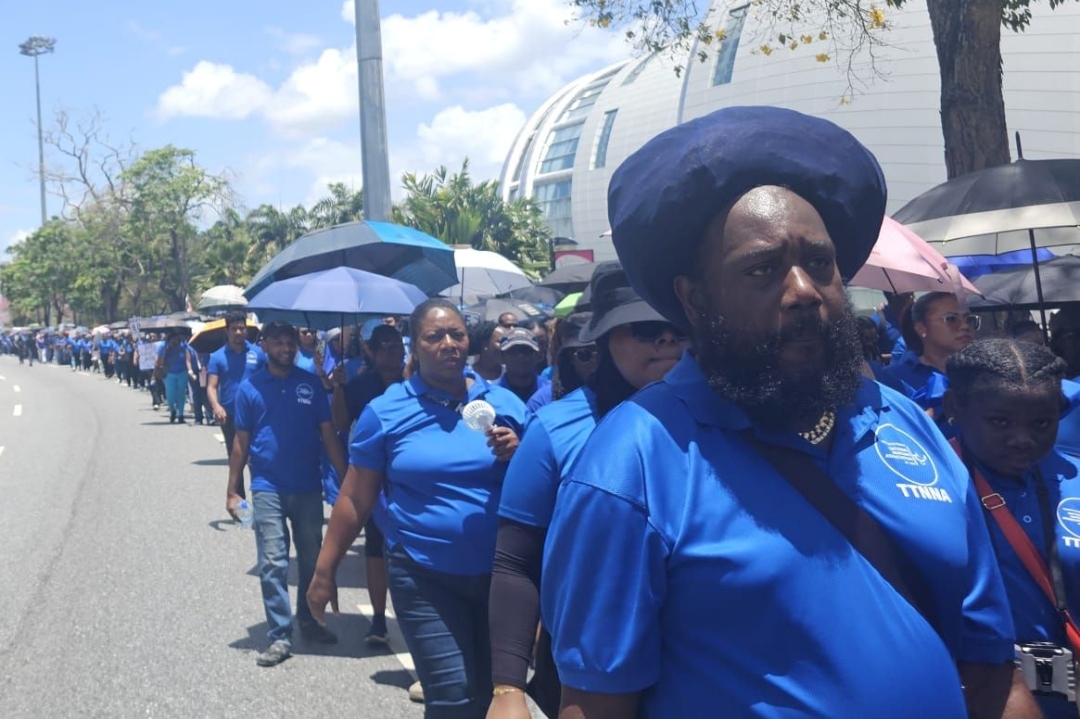
Thirteen years have passed since health care workers, Lake Asphalt employees and other workers last received a salary adjustment. In Read more
“[…] To the ‘UNC family’ she offers the old tired hymn: lagoons, cane fields, salt and rice, ponds and springs—the Read more
“[…] Neither African nor Indian communities benefit from this… In cases where division arises unintentionally, accountability must fall on leaders, Read more

A few years ago, Michal Teja captured hearts and titles with his hit song, DNA. At the time, I was Read more
Martin G Daly SC is a prominent attorney-at-law. He is a former Independent Senator and past president of the Law Association of Trinidad and Tobago.
He is chairman of the Pat Bishop Foundation and a steelpan music enthusiast.