 Wired868 Wired868 for smart sport news and opinion
Many women arrive in clinic apologising for their bodies.
“Doctor, I know… it’s my weight.”
They say it before I check their blood pressure. Before I review their blood tests. Before I ask about sleep, stress, grief, work, hormones or the fact that they have not eaten a quiet meal in months.
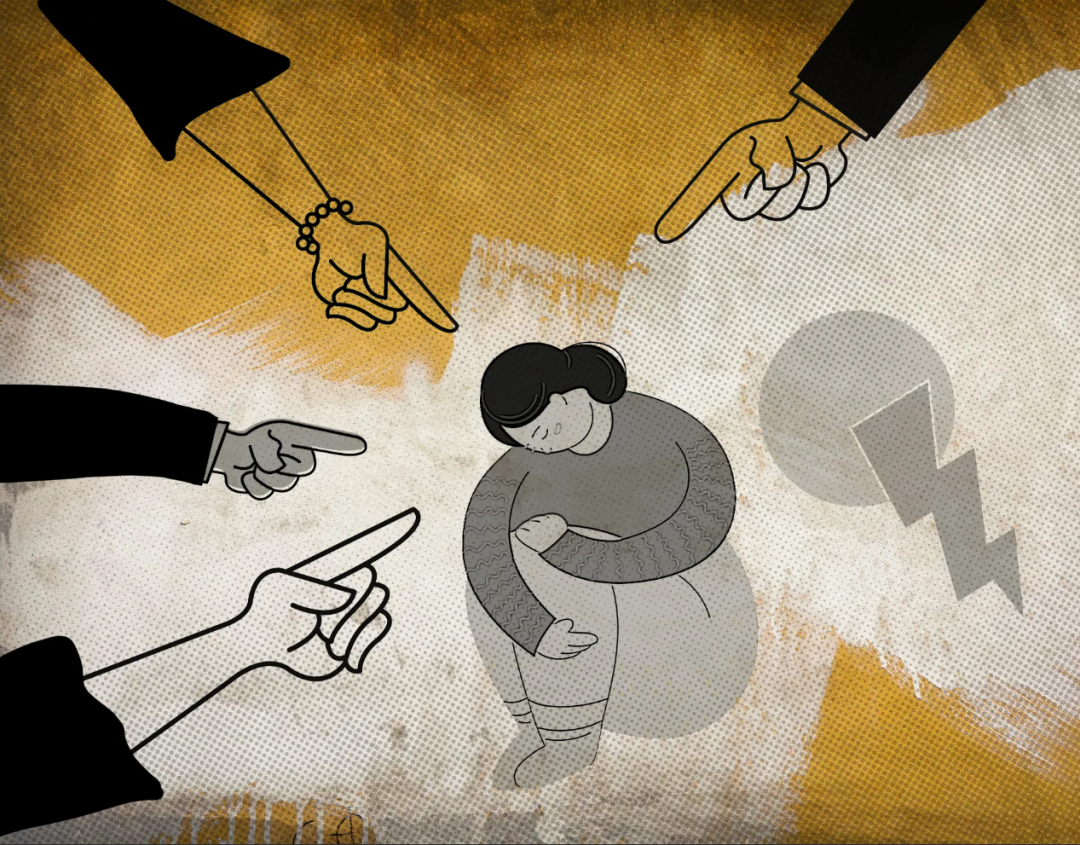
They apologise as if excess weight is a confession.
It isn’t.
This week the calendar places two observances side by side: World Obesity Day and International Women’s Day.
One asks us to confront a growing medical crisis. The other asks us to celebrate women.
The overlap is uncomfortable.
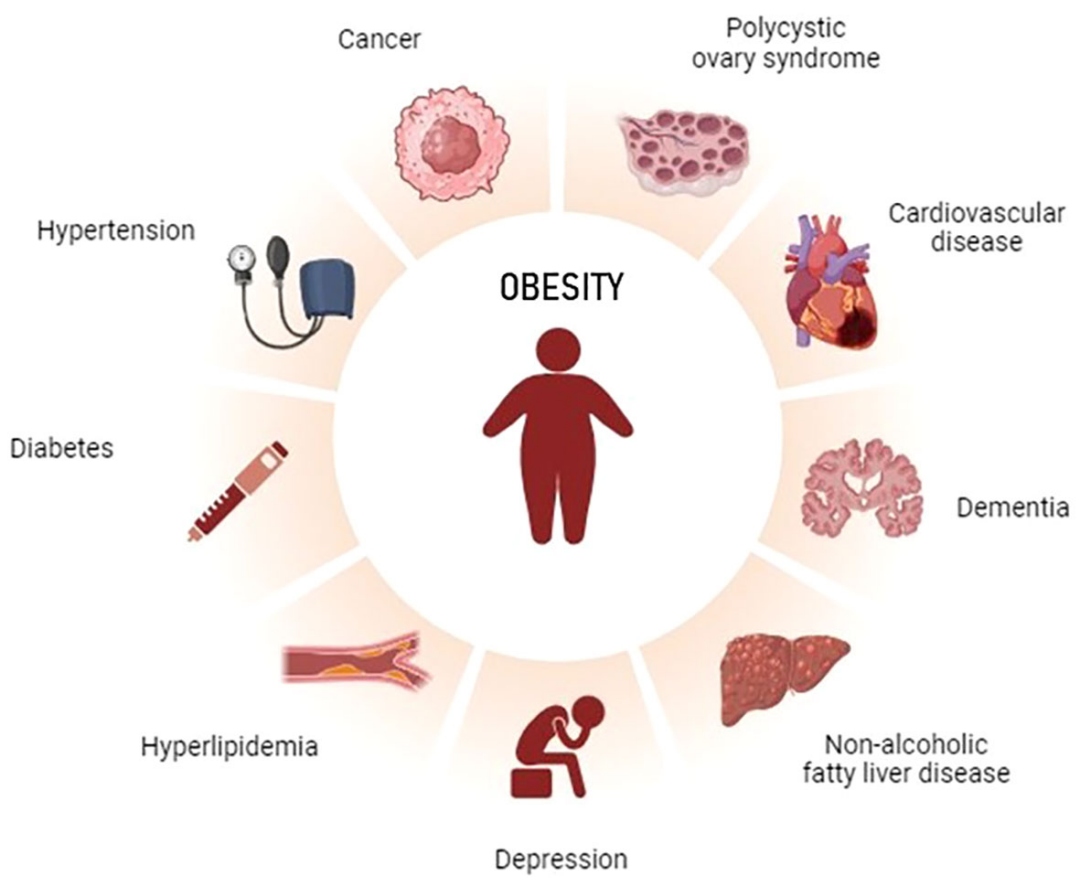
Obesity is not cosmetic or trivial. It increases the risk of diabetes, hypertension, heart disease, gallstones, fatty liver, osteoarthritis and stroke. It complicates pregnancy. It worsens outcomes in infections. It increases the risk of several cancers.
We see the consequences daily: in dialysis units, in amputations, in cardiac wards, in intensive care beds.
However, shame has never healed anyone.
And in this country, shame is often the first treatment women receive.
Women carry a disproportionate metabolic burden. Biology plays a role. Hormonal conditions such as polycystic ovarian syndrome alter insulin sensitivity and make weight loss far more difficult than most people realise.
Thyroid disorders are more common in women. Pregnancy changes metabolism. Postpartum weight retention is real. Perimenopause redistributes fat in ways that can feel sudden and bewildering.
Certain medications, including antidepressants and contraceptives, may also influence appetite and weight.
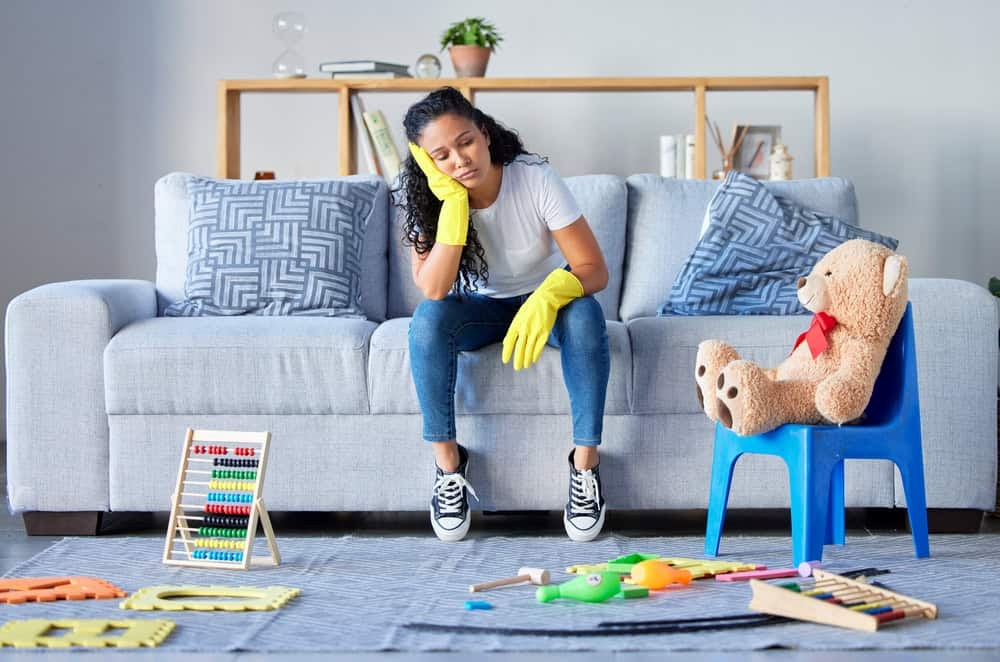
Women are more likely to be caregivers. They care for children, ageing parents, partners and extended family. Caregiving is an act of love, but it is also chronic stress. Chronic stress raises cortisol levels.
Sleep deprivation disrupts appetite hormones. Exhaustion narrows food choices to what is quick, cheap and available.
When a woman tells me she has “tried everything”, I no longer assume exaggeration. I ask better questions.
- How many hours do you sleep?
- Who cooks in your home?
- When do you eat?
- Who do you care for?
- What do you worry about when the house finally becomes quiet?
Calorie-dense, ultra-processed foods are cheap and aggressively marketed. Sugary drinks are easier to find than water in some places. Healthier food frequently costs more.
Safe, walkable spaces are inconsistent. Work schedules are long. Commutes are exhausting. Many households function in survival mode.
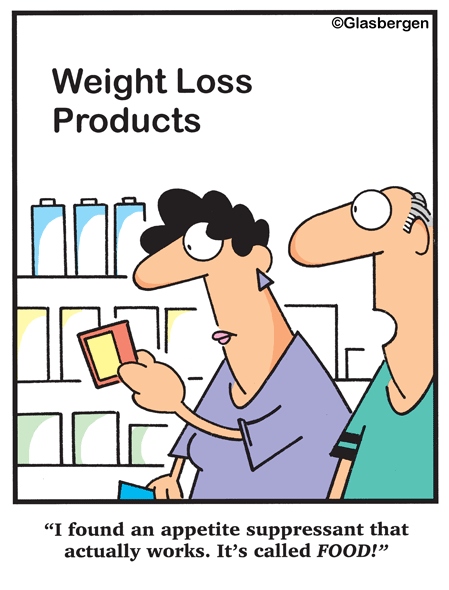
Yet when laboratory results return abnormal, we individualise the outcome. Eat less. Move more. Try harder.
Personal responsibility matters. But responsibility without opportunity is a hollow instruction.
If the environment makes unhealthy choices easier than healthy ones, blaming individuals becomes a convenient substitute for reform.
From adolescence, girls learn that their bodies are open to commentary. Too thin. Too thick. Too dark. Too tall. Too loud. Too quiet.
By adulthood, many women have internalised the idea that their physical appearance is public property. The scale has become a courtroom and far too many women arrive already convinced they are guilty.
On International Women’s Day we celebrate women’s achievements: their leadership, resilience and brilliance.
We can acknowledge risk without stripping people of dignity. We can encourage healthier habits without humiliating those who struggle. We can speak honestly about disease without turning patients into cautionary tales.
When women feel heard rather than blamed, they engage. When advice is tailored to their reality, shift work, childcare, financial limits, it becomes practical rather than patronising.
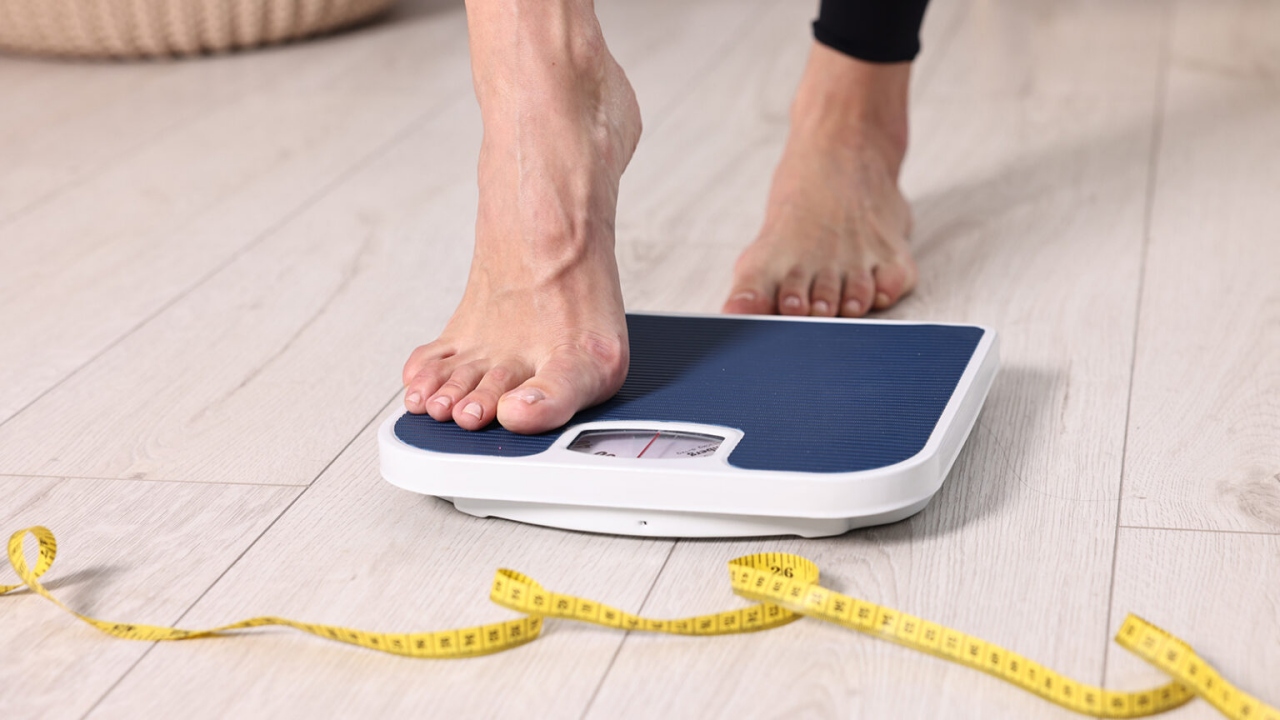
When goals are incremental rather than dramatic, they become sustainable.
Mental health also deserves attention. Depression and anxiety both contribute to and result from weight gain. Emotional eating is not a character flaw. It is often a coping mechanism. Trauma alters stress pathways. Chronic insecurity changes physiology.
The mind and metabolism are not separate departments.
Food insecurity does not always look like hunger. It often looks like cheap calories and limited options. When budgets are tight, price matters more than glycaemic index.

Public health that focuses only on individual behaviour while ignoring structural realities is incomplete.
As a country, we must ask harder questions.
- Are healthier foods accessible and affordable?
- Do school environments reinforce nutrition education or undermine it?
- Are urban spaces designed for movement or for cars alone?
- Are we regulating advertising aimed at children?
- Are women screened early for metabolic risk, particularly those with hormonal conditions?
Perhaps the heaviest thing many women carry is expectation.
- Expectation to nurture endlessly.
- Expectation to excel professionally.
- Expectation to maintain households.
- Expectation to look unchanged by time, childbirth or stress.
- Expectation to manage everything without complaint.
Health does not exist outside these expectations.
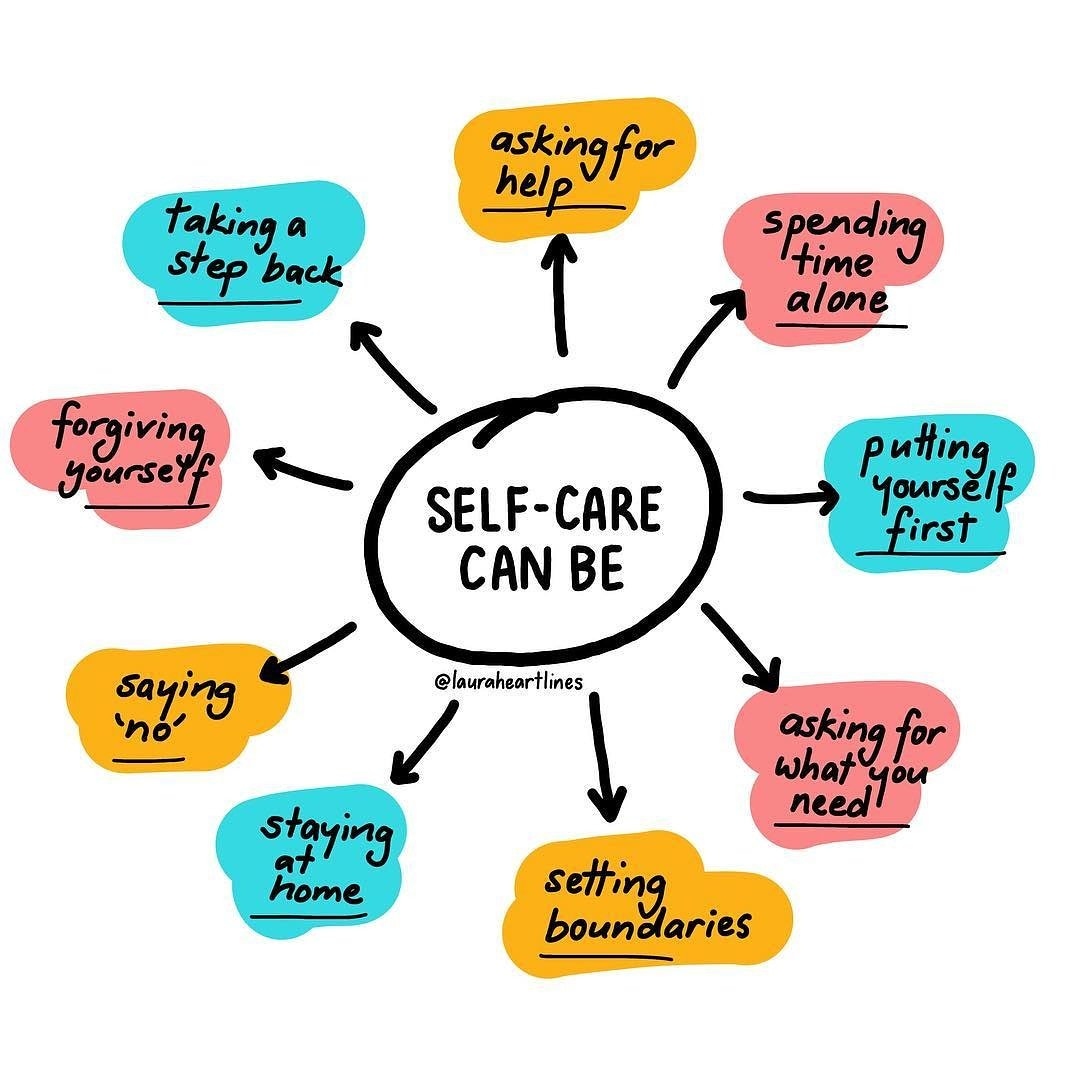
If we truly want to honour women this week, our celebration must extend beyond bouquets and hashtags. It must include policy, infrastructure and compassion.
Compassion in clinics, where conversations about weight are handled with care rather than contempt.
Compassion in media, where bodies are not reduced to punchlines.
Compassion in governance, where long-term health is prioritised over short-term convenience.
On World Obesity Day we should recommit to prevention, early intervention and evidence-based care.
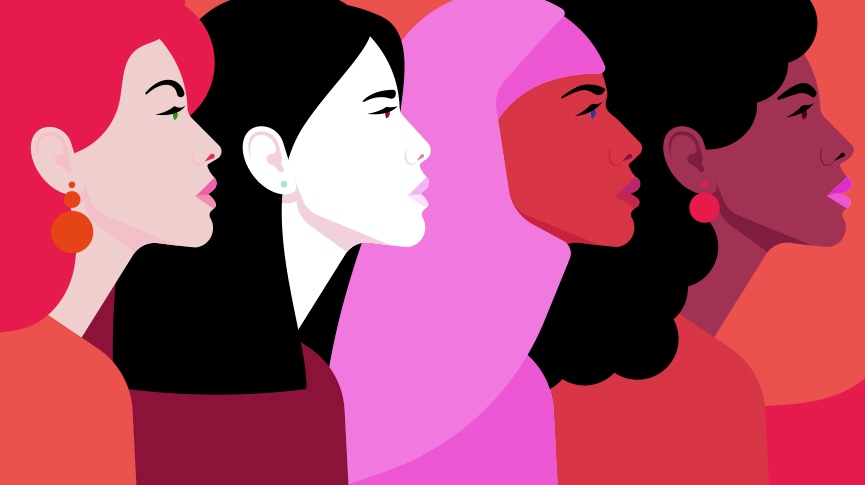
On International Women’s Day, we should recommit to dignity, equality and structural change.
The two commitments are not separate.
They meet in the clinic, where a woman sits across from her doctor and apologises for her body before saying anything else.
Perhaps we can build a society where health is supported rather than sabotaged. Where advice is practical rather than punitive. Where women do not feel compelled to confess before they are even examined.
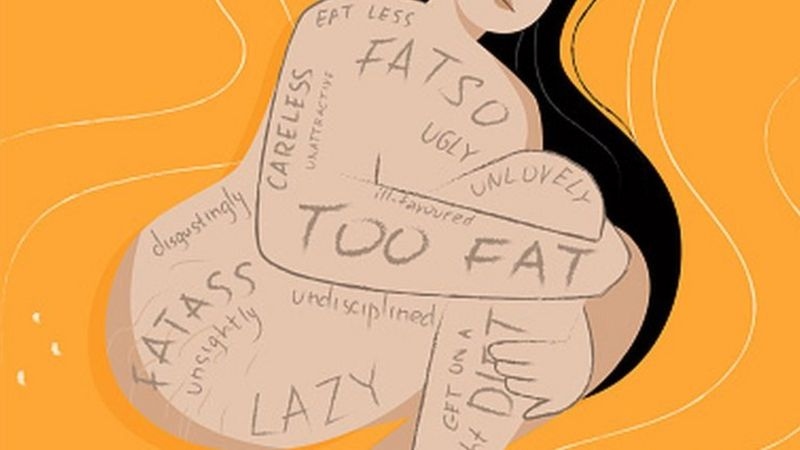
The heaviest thing women carry is not their weight.
It is the judgement attached to it.
World Suicide Prevention Day is observed annually on 10 September. The international theme for 2024 to 2026 is “Changing the Read more

In the days before the new academic year begins, the quest for books, uniforms and shoes continues. Health is often Read more

This Independence Day, Trinidad and Tobago turns 64. If the country were one of my patients, this would be about Read more
The third scalding shower before breakfast was not for cleanliness. It was the only place the young man stopped vomiting. Read more
The half-used insulin vial was wrapped in a stained cloth and tucked inside a small purse. She had carried it Read more

Men will discuss chest pain, blood in the urine and constipation with surprising courage. Erectile dysfunction often arrives in a Read more