 Wired868 Wired868 for smart sport news and opinion
On 30 August 1962, speaking at a youth rally, Dr Eric Williams stated the now famous words: “You carry the future of Trinidad and Tobago in your school bags.”
Dr Williams’ address linked our nation’s success directly to education and the development of our youth. And we have much to be grateful for because of that vision.

Access to secondary education expanded in the 1960s. And so did vocational training. For example, the John S Donaldson Technical Institute was established in 1961, with the first course being taught in 1962.
About two decades later, in the early 1980s, the Ministry of Sport and Youth Affairs was established with the aim of “empowering the nation’s youth” as a key mandate.
With these initiatives, the level of skills in the population expanded significantly in the post-independence years, which among other things, fuelled economic growth and development.
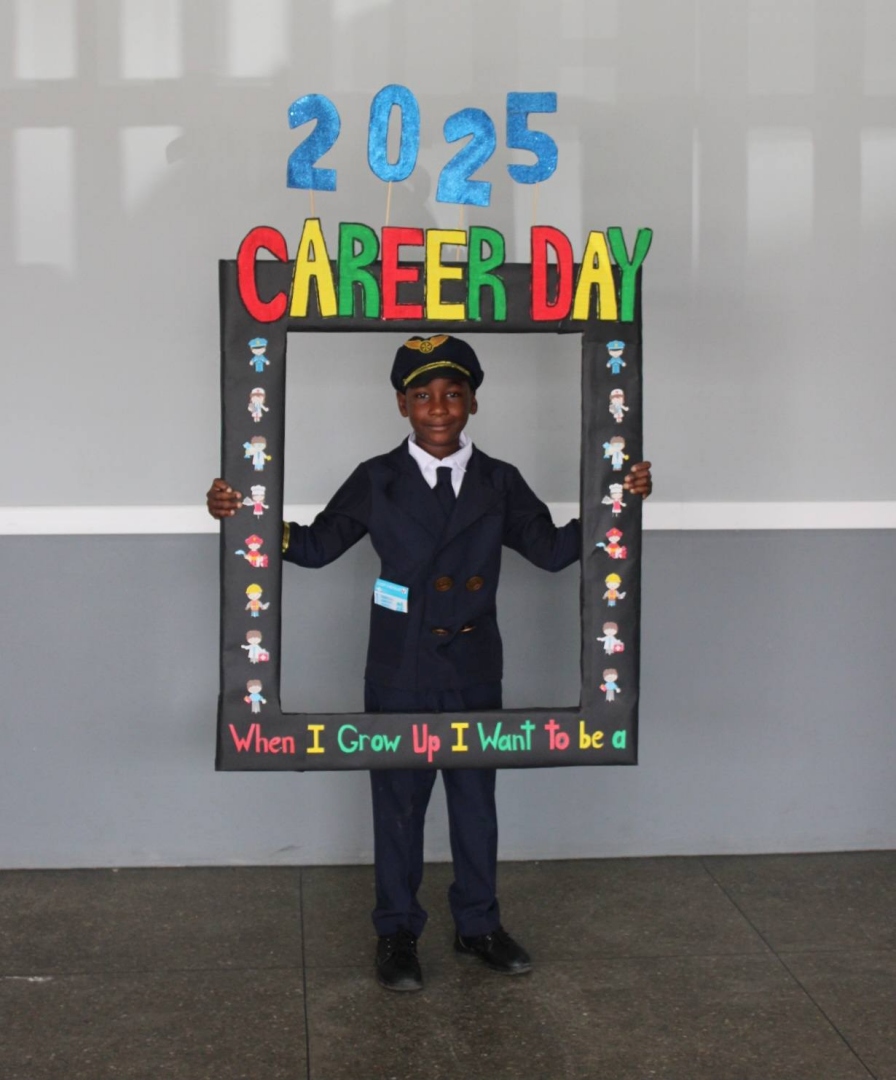
Photo: Ministry of Education.
Dr Williams was correct: the future of Trinidad and Tobago is in our young people. But what future do our young people have in T&T?
There have been several developments this year, and particularly in recent days which bring this question to the fore. This week, it was announced that the Military-Led Academic Training (MiLAT) programme would be suspended, pending a review of its financial viability.
The MiLAT Programme targets young men, ages 16 – 20 years, who do not have a full CSEC Certificate. It offers academic training, mentorship, and helps raise aspirations. According to newspaper reports, about 200 young men are currently enrolled in the programme. Countless others have benefitted from the programme since its inception in 2007.
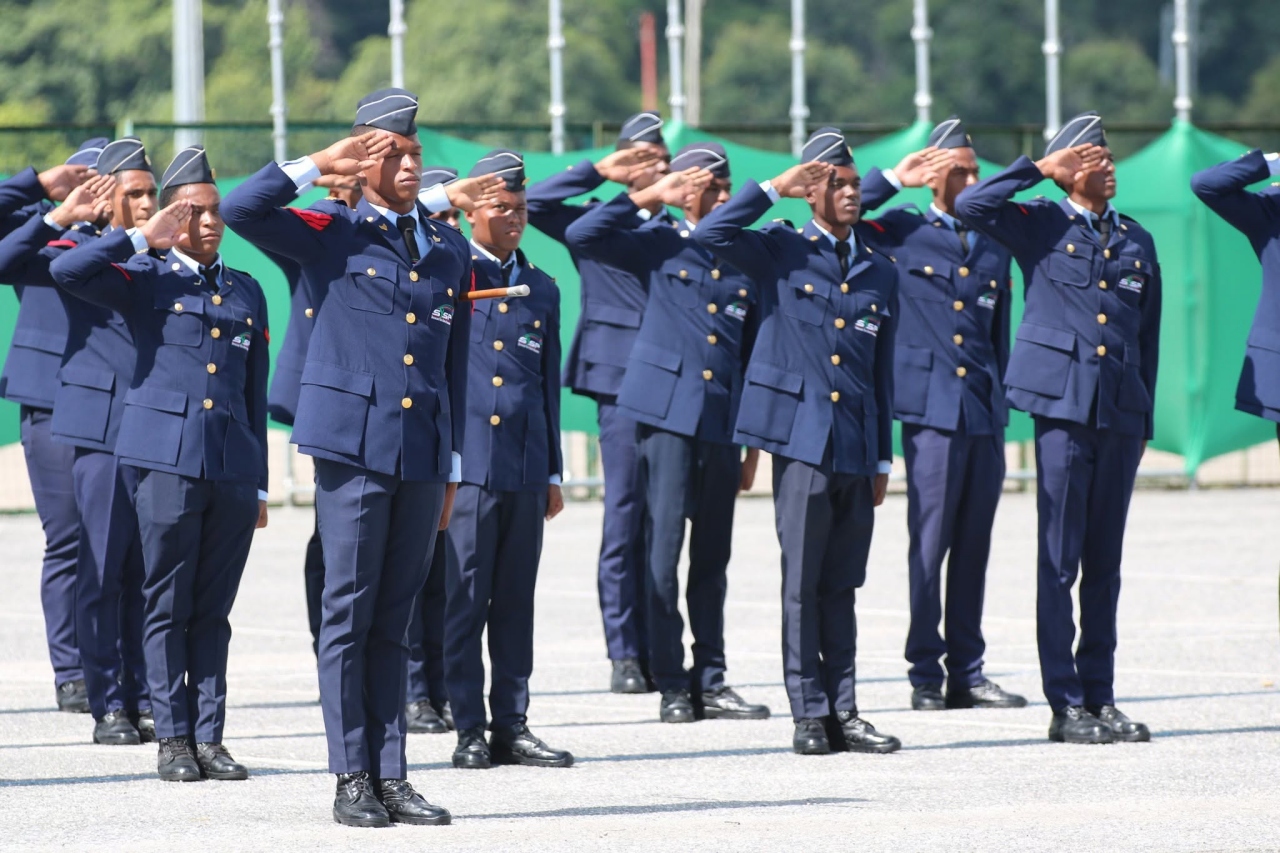
(via MiLAT.)
This announced “pause” should raise concerns because of recent history. The Civilian Conservation Corps (CCC) was “paused” early last year, with reports of staff being sent home in July 2025. There has still been no news of the programme’s future.
An intake of 1000 students was due to start last year, each hoping to better their lives. CCC targeted socially marginalised young adults, ages 16 – 25 years.
It was also announced this week that Trinidad and Tobago would not participate in the 2026 North American, Central American and Caribbean Athletic (NACAC) under-18 and under-23 championships in Mexico, due to funding issues. This affects about 30 young national athletes.

Photo: Dennis Taye-Allen/ TTGameplan.
Thankfully, a late intervention from the Ministry of Sport and Youth Affairs allows the National Association of Athletics Administrations of T&T (NAAATT) to send a smaller delegation.
This follows an earlier disappointment for young athletes. In May 2026, the Ministry of Education advised of the cancellation of the National 3K Finals and Track and Field Championships, “due to unforeseen circumstances”.
In January 2026, it was announced that the 2026 Republic Bank National Youth Football League would be “paused” this year. The National Gas Company (NGC) also cut an estimated $700 million in sponsorships to sports, arts and culture.

Photo: Nicholas Bhajan/ Wired868.
The financial costs of these programmes or events are easy to determine. It is a simple monetary figure: dollars and cents. The benefits, however, are less clear and extremely difficult to estimate—a problem known as “lack of market prices” in economics.
How do we value the lives changed through these programmes? The young men from MiLAT who may have otherwise turned to a life of crime but instead, after participating in the programme, find a job, become a present father, or go on to mentor another at-risk youth?
We cannot put a price on these benefits.

World Cup 2026 is filled with many stories of players who overcame challenges to finally become professional footballers. Supposed one such story could have started for a T&T player at the 2026 Republic Cup National Youth Football League?
What about the primary school student who may have found their passion for athletics at the National 3K Finals and Track and Field Championships? We cannot put a price on the true cost of the absence of participation in these events.
Investing in our young people benefits not just them, but all of society too. We cannot put a price on that.

Photo: Nicholas Bhajan/ Wired868.
Yes, our young people carry the future of Trinidad and Tobago in their school bags. As a country, we need to wake up to the simple fact that the proverbial school bag not only includes books, stationery and, in 2026, laptops too. But also, footballs, netballs, running spikes, cadet uniforms, tools, hairdressing kits, pan sticks, paintbrushes, costumes.
Some people are gifted academically and become university graduates. Others have other gifts and talents. Why can’t we invest in them too?
Reform is not bad, and oftentimes necessary. But destruction without creation leaves a gap—and some gaps can become too big to close.
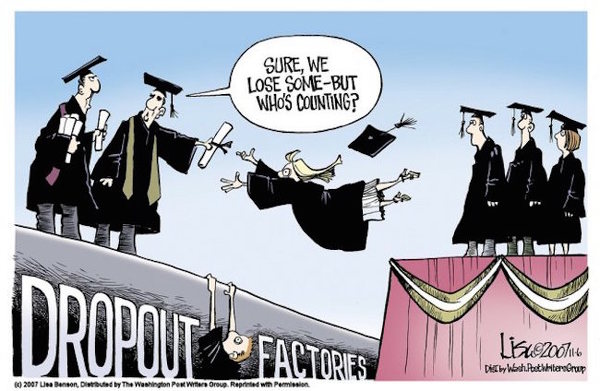
As the decisions makers ask the question: what of the costs; perhaps they should also ask the critical question: what of the future of our young people?
|
Wired868 has provided readers with solid, independent journalism since 2012. If you appreciate our work, please contribute to our efforts. Support Independent Journalism |


The recent announcement by the government to divest state assets has stimulated some conversations on the role of the state Read more
I am not a politician. I’m certainly not a senator. I am just a citizen who pays attention. So, when Read more
There is an old adage that says: “a wise man learns from the mistakes of others, while a fool learns Read more
Thirteen years have passed since health care workers, Lake Asphalt employees and other workers last received a salary adjustment. In Read more
Having just celebrated 64 years of independence, discussions as to whether Trinidad and Tobago is better off since gaining independence Read more
“[…] To the ‘UNC family’ she offers the old tired hymn: lagoons, cane fields, salt and rice, ponds and springs—the Read more

Dr Jamelia Harris is an economist and Assistant Professor at the University of Warwick. She studies and has written on the labour market, public finance and development policy in Africa and the Caribbean. She is a double President’s Medal recipient and holds a PhD from the University of Oxford.
