 Wired868 Wired868 for smart sport news and opinion
In 1942, Austrian economist Joseph Schumpeter coined the term ‘creative destruction’. It describes a process where innovative products, technologies, and business models continuously replace outdated ones. New firms and jobs are created, and old ones die.
In Trinidad and Tobago, we experienced creative destruction in the past century. Sugar (and agriculture in general) declined, and the energy sector became dominant in the 1950s. After structural adjustment under the IMF in the late-1980s/early-1990s, employment in manufacturing and related industries declined, and employment in services increased.
One thing dies, and another is born: creative destruction.

In contemporary times, however, it appears as though the destruction has been happening without the creation. This is troubling, yet insufficiently highlighted, as our contemporary economic discourse is usually short-term, and often politically motivated.
How has the economy changed year-on-year? Or with a change in administration? These are important questions, but they miss bigger structural trends.
Analysing a lengthy time horizon makes evident this story of destruction without creation.
Our energy sector has likely passed its peak. Based on CBTT data, average daily crude oil production hovered around 125,000 barrels between 1993 and 2003. It peaked at about 145,000 barrels per day in 2005 and has been declining since.

Copyright: Stephen Broadbridge.
Natural gas and LNG production increased steadily from 1993 to 2010. Both have been declining since 2010, though there were short rebounds between 2015 and 2019.
The same pattern is evident with foreign direct investment (FDI)—the inflow of capital into Trinidad and Tobago. According to World Bank data, net FDI as a share of gross domestic product (GDP) peaked at 17.4% in 1997, following the years of market liberalisation.
Since then, there has been an overall declining trend (with some fluctuations), reaching an all-time low of -7% in 2012.
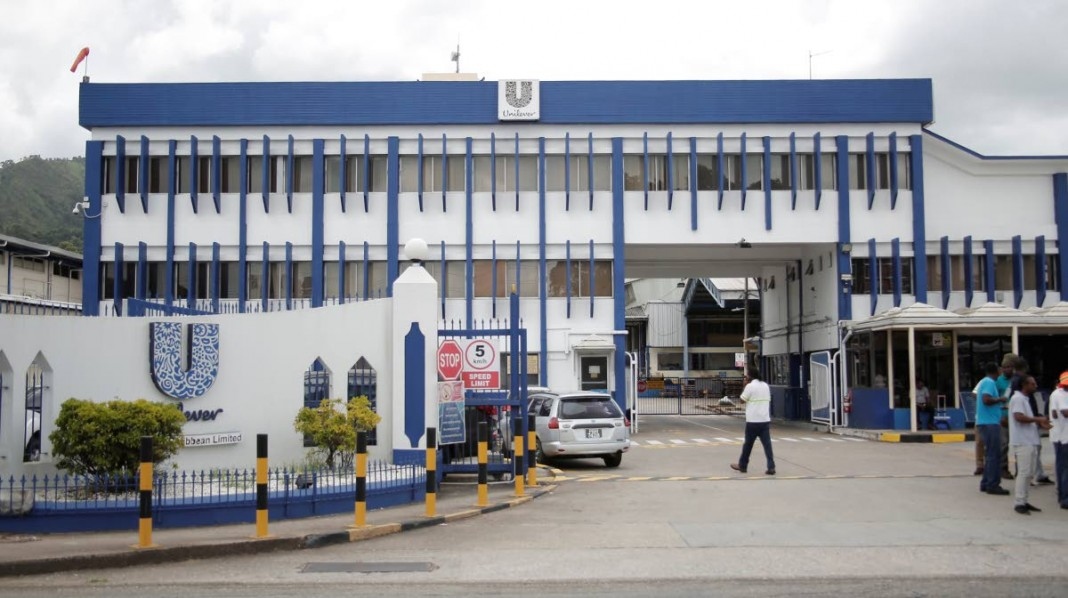
What does a negative number mean? It means divestment—capital leaving T&T, seeking better returns elsewhere. We all know stories of this in recent times. Unilever has wound down operations. Nutrien is considering selling its facilities. BP and Digicel have reduced employment.
(via CNC3.)
The third indicator is employment. The employment-to-population ratio peaked at 63 percent in 2008 and has been declining since, with brief periods of rebounds. The rate is currently 56 percent.
These changes are structural; and particularly concerning for sectors like manufacturing. The example of Unilever brings this point home.
When Unilever closed its factories, T&T stopped manufacturing Breeze, Quix, Cif, Blue Band and Golden Ray. We import these products now.
For those who traverse the East-West corridor, the site of the Unilever factory in Champ Fleurs is now a fast-food drive-through with other small services—a telling example of our transition from production to consumption; and on aggregate, manufacturing jobs to employment in services.

Commenting on the 1911 Trinidad and Tobago economy in Inward Hunger, Dr Eric Williams described “cocoa the reigning queen, sugar the ex-king, and oil the future emperor”. In 2026, what can we say will be our economic future? Which industry/industries will rise to buttress our development?
The fact that these questions cannot be readily answered is troubling. Not just for our economy, but our society.
Trinidad and Tobago has enjoyed a level of human development not afforded to other countries by virtue of our energy revenues. Since the 1960s, through the government, energy revenues have funded education, health, subsidised housing, fuel and electricity, and a vast array of short-term employment through public works programmes—from CRASH to DEWD to URP to CEPEP.
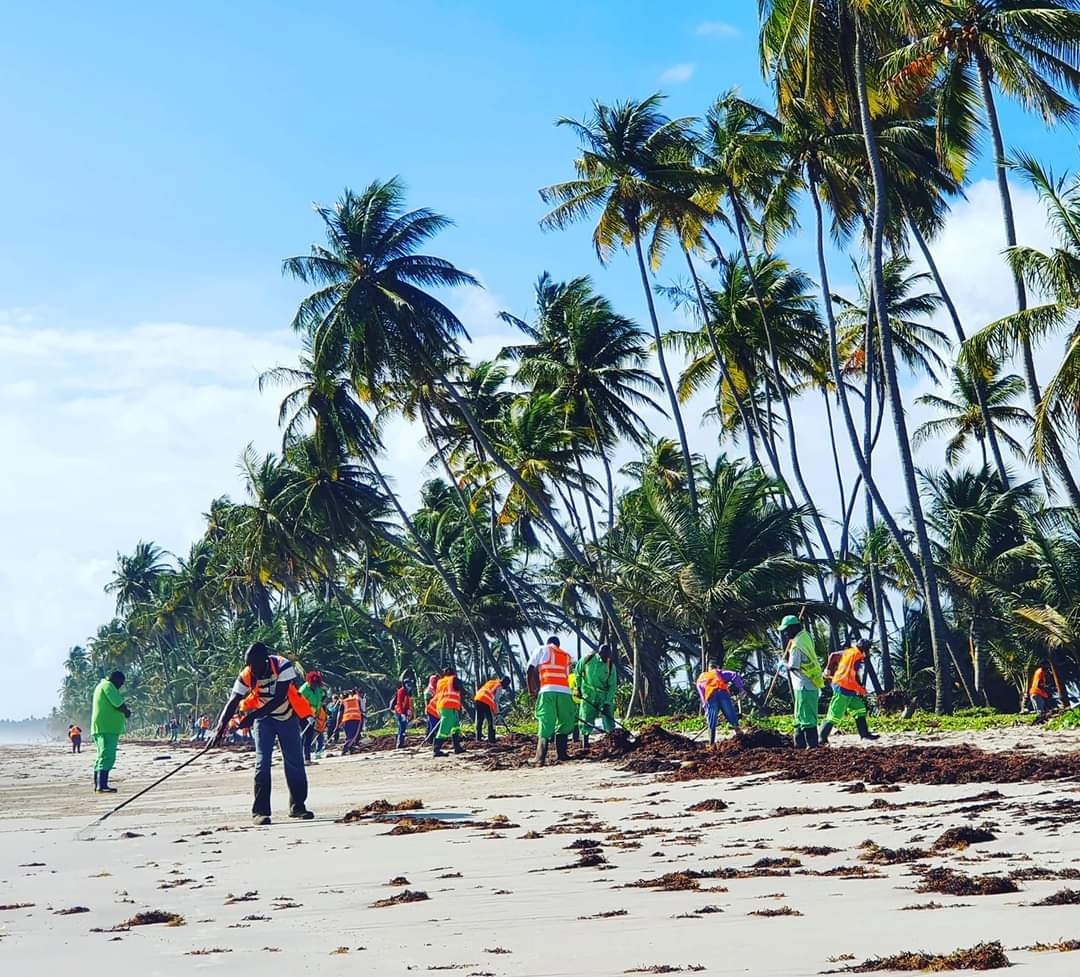
Photo: Cepep.
What comes after oil and gas? The economic pundits and laymen alike preach diversification. But achieving diversification has been challenging.
The usual sectors are listed too: agriculture, tourism, manufacturing. And despite potential, there have been limited discourse on how to create innovative products in these spaces. In fact, T&T has even declined in measures of innovation, ranking an all-time low of 114th among 139 economies in the 2025 Global Innovation Index.
So where do we go from here?
Although creation has been limited in the Schumpeter sense, we are creative. A 2013 study by researchers from George Mason University found that Trinbagonians had creative ideas, but moving from idea to commercialisation was difficult.

Photo: Pan Trinbago.
This is where state policies, that are free of corruption and cronyism, can actively relieve barriers.
But state policies must be creative too. One underlying trend throughout this period of decline is a movement away from a tradition of Caribbean intellectualism—a culture of devising Caribbean solutions for Caribbean problems.
The days of Arthur Lewis’ Industrialisation by Invitation and Labour Surplus theories are gone. Of Lloyd Best’s plantation economy. The structural approaches of Norman Girvan. Our policy frameworks have suffered as a result.
Instead, just like consumption goods, we have developed a tradition of importing ideas and policies. So, we do not create, we do not innovate, we import.
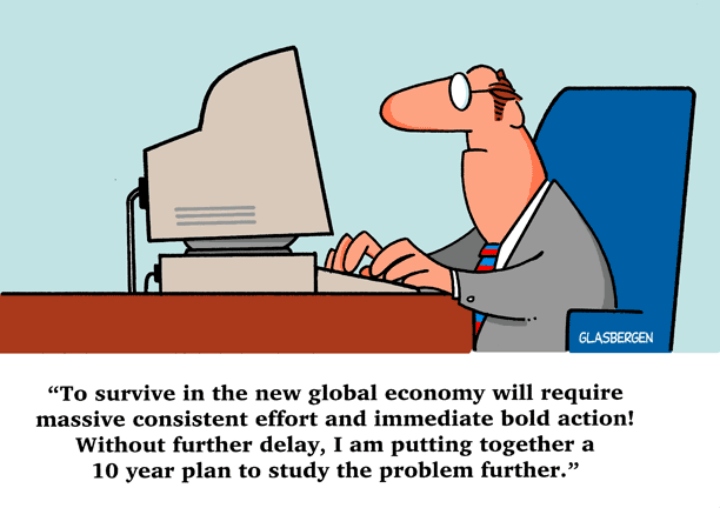
We try to please and become like those in foreign lands. We have become Naipaul’s Mimic Men.
In 1971 ANR Robinson wrote: “An anti-intellectual political and social climate cannot attract intellectuals; one that produces a high turnover in the trained and skilled people is unlikely to attract such people; one that discourages dissent is unlikely to produce a critical faculty or initiative.”
This is where we should begin.

The recent announcement by the government to divest state assets has stimulated some conversations on the role of the state Read more
There is an old adage that says: “a wise man learns from the mistakes of others, while a fool learns Read more
Having just celebrated 64 years of independence, discussions as to whether Trinidad and Tobago is better off since gaining independence Read more

Some years ago, I lived and worked in Sierra Leone. I arrived in the capital, Freetown, just ten years after Read more
A popular quote attributed to Benjamin Franklyn aptly summarises the situation that Trinidad and Tobago finds itself in: “He that Read more

On 30 August 1962, speaking at a youth rally, Dr Eric Williams stated the now famous words: “You carry the Read more

Dr Jamelia Harris is an economist and Assistant Professor at the University of Warwick. She studies and has written on the labour market, public finance and development policy in Africa and the Caribbean. She is a double President’s Medal recipient and holds a PhD from the University of Oxford.
