 Wired868 Wired868 for smart sport news and opinion
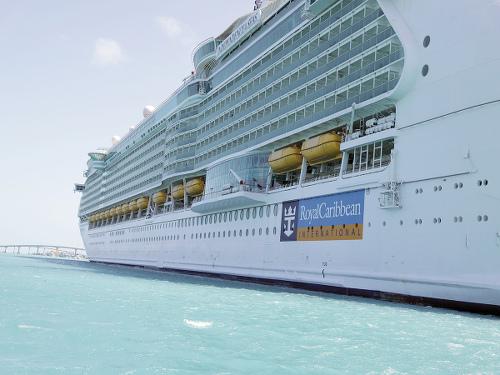
The MV Hondius, an expedition cruise vessel that promised adventure among glaciers, seabirds and remote islands, has become the centre of an international public health investigation after a suspected outbreak of hantavirus left multiple passengers critically ill and at least three dead.
A cruise has become a floating epidemiology lecture. And suddenly, a virus most people have never heard of is making headlines around the world.
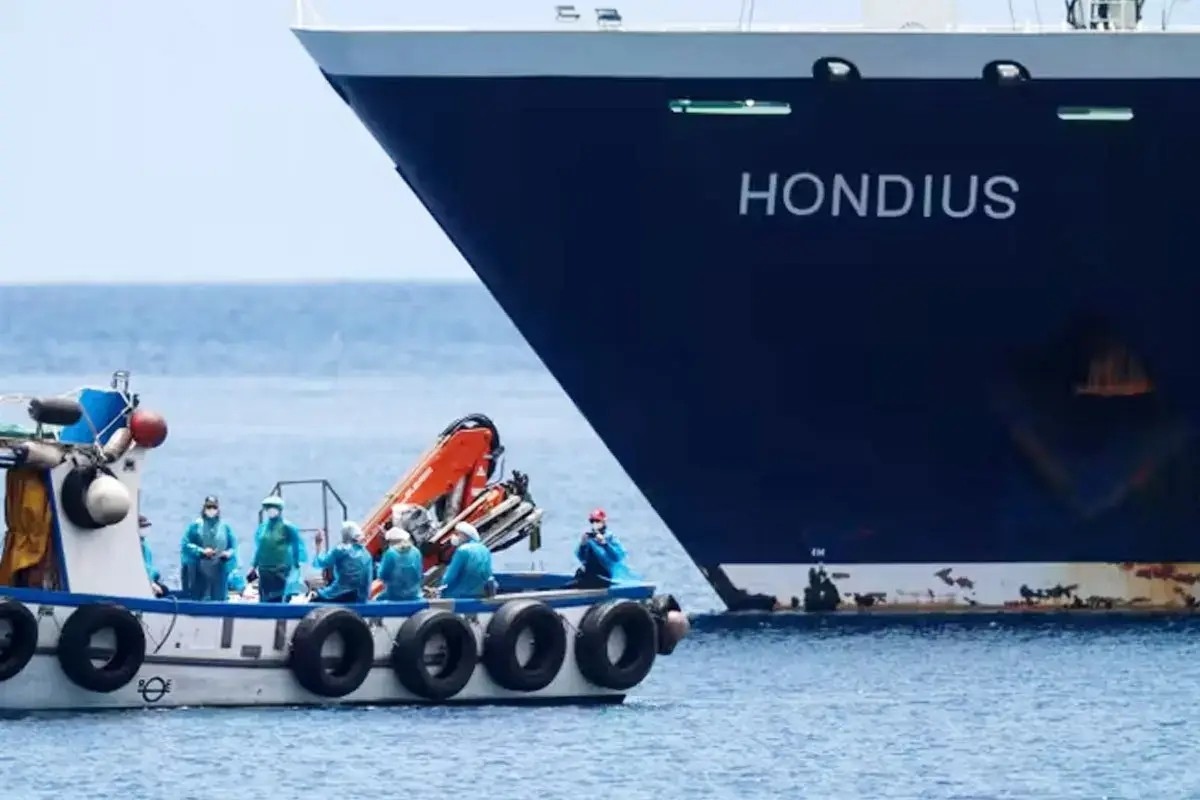
Hantavirus sounds fictional, almost like something invented by a Netflix writer trying too hard. Rare, unpredictable and frighteningly lethal, it belongs to a family of viruses usually spread through contact with infected rodents, particularly their urine, droppings or saliva.
This is not Covid-19. It is not influenza.
It is not something likely to shut down the world.
However, it is dangerous enough to remind us of a truth modern society repeatedly forgets: nature never signed a peace treaty with humanity.
Trust was bruised during Covid-19. Public health authorities now walk a difficult tightrope.
If they speak too cautiously, they are accused of hiding the truth. If they sound too alarmed, they risk fuelling panic, economic disruption and political backlash.
People can tolerate uncertainty far better than they tolerate the feeling that uncertainty is being softened for them. The lesson from Covid-19 was not that authorities should alarm the public unnecessarily. It was that credibility is strongest when honesty arrives early, even when the answers are incomplete.
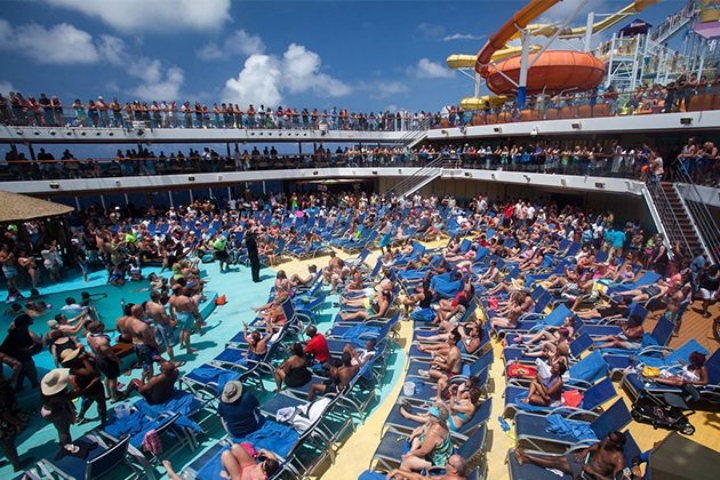
For years, cruise ships have occupied a strange place in public imagination. They represent escape, indulgence and controlled luxury. Floating buffets. Endless cocktails. Midnight entertainment. A place where calories and caution both seem suspended at sea.
Doctors, however, often see something else.
Dense populations in enclosed environments. Shared ventilation. Common dining areas. Constant human interaction.
In infectious disease terms, cruise ships are essentially elegant petri dishes with swimming pools.
Norovirus has tormented passengers for decades. Influenza spreads rapidly in these settings. Legionella has appeared. Even measles has occasionally boarded for the voyage.
Now hantavirus has entered the chat. What makes this outbreak particularly unsettling is the suggestion that limited human-to-human transmission occurred among close contacts aboard the vessel.
People tolerate danger differently when it stays confined to rats and wilderness. Once illness appears capable of moving quietly between humans, anxiety spreads faster than the pathogen itself.
The World Health Organization has been careful to reassure the public that this is not another pandemic scenario. The Andes strain of hantavirus has demonstrated limited person-to-person spread before.
This story is not really about cruise ships.
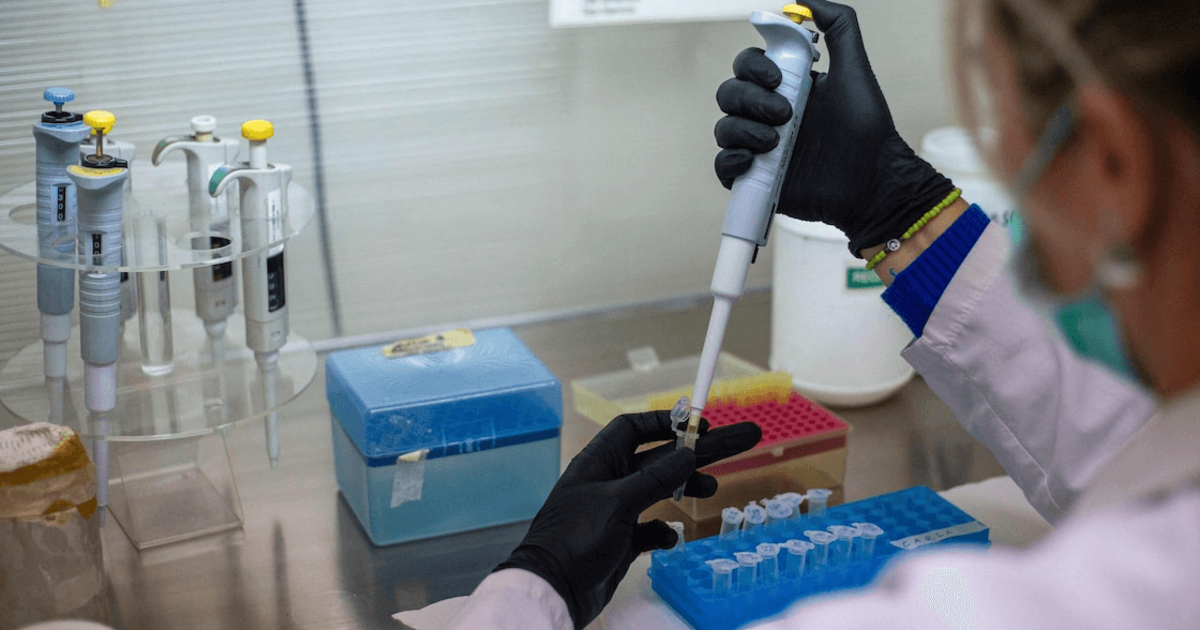
Photo: Prudencia.
It is about how humans continue to collide with the microbial world in ways we barely understand. Most emerging infectious diseases jump from animals to humans. HIV. Ebola. SARS. Covid-19. Monkeypox. Avian influenza. Nipah virus. The list grows steadily longer.
Modern travel simply accelerates the consequences.
A century ago, a remote viral exposure during a wildlife expedition might have remained geographically contained. Today, someone can encounter an infected rodent during birdwatching in Argentina and be sitting in an airport lounge on another continent within hours.
Viruses travel business class now.
Ironically, this outbreak also reveals something psychologically fascinating about modern health fears.
People fear rare diseases intensely while ignoring common ones casually. Hantavirus is terrifying because it is dramatic, exotic and unfamiliar. Meanwhile hypertension, diabetes and obesity continue their slow-motion massacre with barely a fraction of the urgency.
The average person aboard that ship was probably at far greater statistical risk from cardiovascular disease than from hantavirus. Yet no one watches a buffet line with the same alarm reserved for an ambulance boat carrying passengers in hazmat suits.
Humans are poor judges of risk. We fear sharks more than sugar.
Still, hantavirus deserves respect.
Once severe respiratory symptoms develop, mortality rates can approach 40 percent. Patients initially present with fever, muscle aches and fatigue before deteriorating rapidly into respiratory distress, shock and organ failure. There is no miracle antiviral treatment. Care is largely supportive, relying on oxygen, ventilation and intensive monitoring.
There is an enormous logistical exercise involving contact tracing across multiple countries, isolation protocols, flight manifests and hospital coordination. It is a reminder that infectious disease management extends far beyond doctors and hospitals.
Medicine becomes humbler in the face of viruses like this. Infectious diseases expose the strengths and weaknesses of systems with uncomfortable clarity.
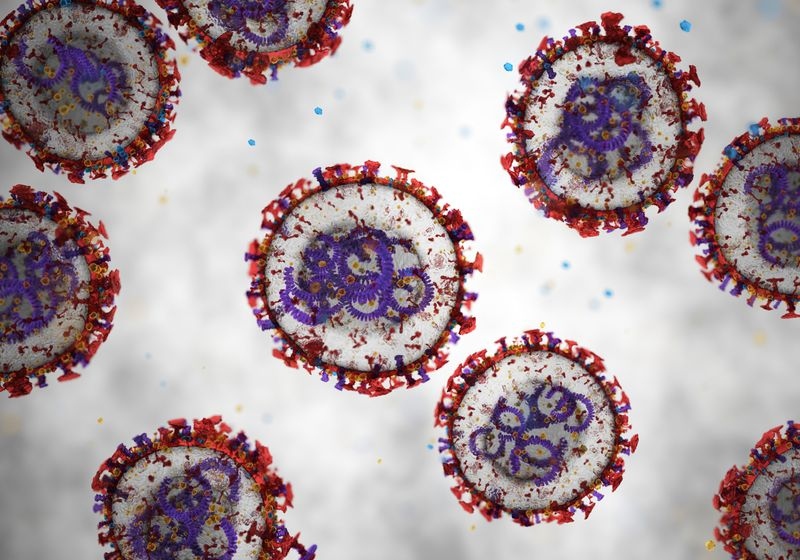
Photo: The-Scientist.
During Covid-19, the world learned that public health infrastructure matters enormously right up until the moment governments stop funding it. Surveillance systems, laboratory capacity and outbreak preparedness sound boring during ordinary times. Suddenly they become priceless during extraordinary ones.
Preparedness is invisible when it works.
That may be the hardest concept for politicians to understand.
Within minutes of any infectious disease story emerging online, conspiracy theories arrive faithfully like seagulls finding chips near a beach chair. Somebody somewhere already believes this outbreak was engineered in a laboratory, spread intentionally or caused by vaccines.
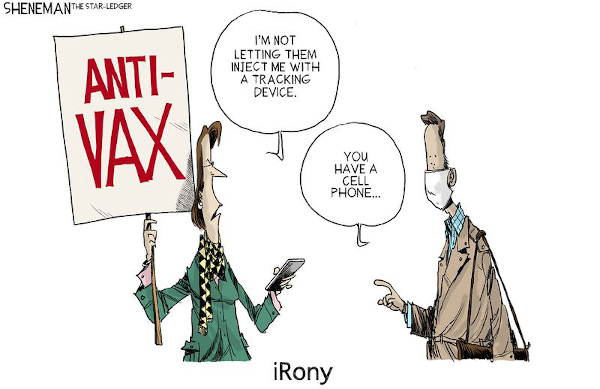
The internet has democratised information and simultaneously vandalised expertise. Good communication matters because panic and misinformation can become secondary epidemics.
Illness aboard a ship carries its own unique psychological cruelty. There is nowhere to leave. No familiar environment. No reassuring return home. Only sea, uncertainty and waiting.
The ancient Greeks believed the sea belonged partly to Poseidon and partly to chaos. Modern medicine, despite all its sophistication, occasionally rediscovers the wisdom of that idea.
A luxury suite does not negotiate immunity. Champagne does not neutralise inflammation. An infinity pool does not grant biological invincibility. The body remains gloriously, stubbornly human.
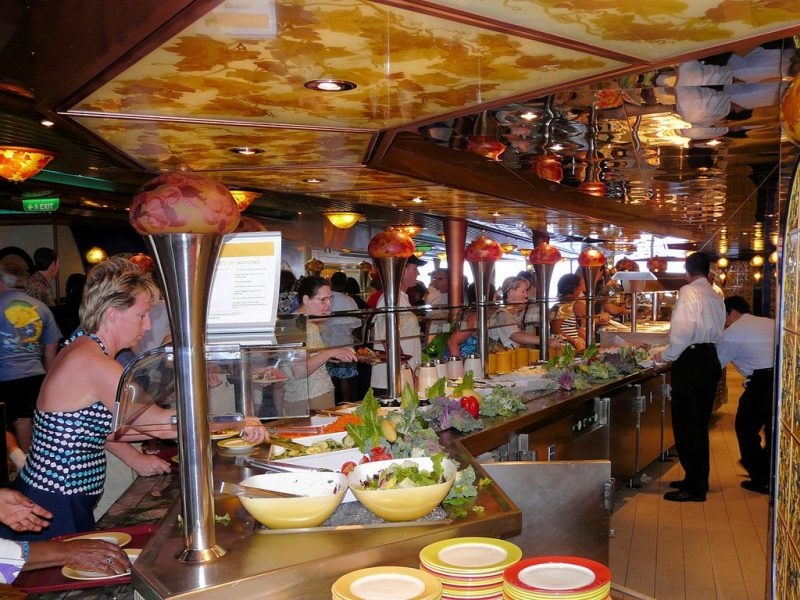
(via The Go To Family.)
Every doctor knows the uneasy space between reassurance and vigilance. Most symptoms are benign. Some are not. The art lies in recognising which whispers matter before they begin to scream.
For now, authorities insist the risk to the wider public remains low. That assessment is likely correct. But the story deserves attention nonetheless.
Not because hantavirus will dominate the world.
Because it reminds us that the microbial world never stopped watching us, even after we stopped paying attention to it.

Mrs M died last year. I remember the vegetables from her husband’s garden (including my first dragonfruit) and the delicacies Read more

Imagine her beside the hospital bed, handbag slipping off one shoulder, phone vibrating with messages from work. Her father is Read more

As always, October looks lovely. There are pink ribbons to look at in the bank while waiting in an awfully Read more

The prescription for healthy living was flawless, if I do say so myself. Grilled fish, fresh vegetables, fruits bursting with Read more
World Suicide Prevention Day is observed annually on 10 September. The international theme for 2024 to 2026 is “Changing the Read more

In the days before the new academic year begins, the quest for books, uniforms and shoes continues. Health is often Read more