 Wired868 Wired868 for smart sport news and opinion
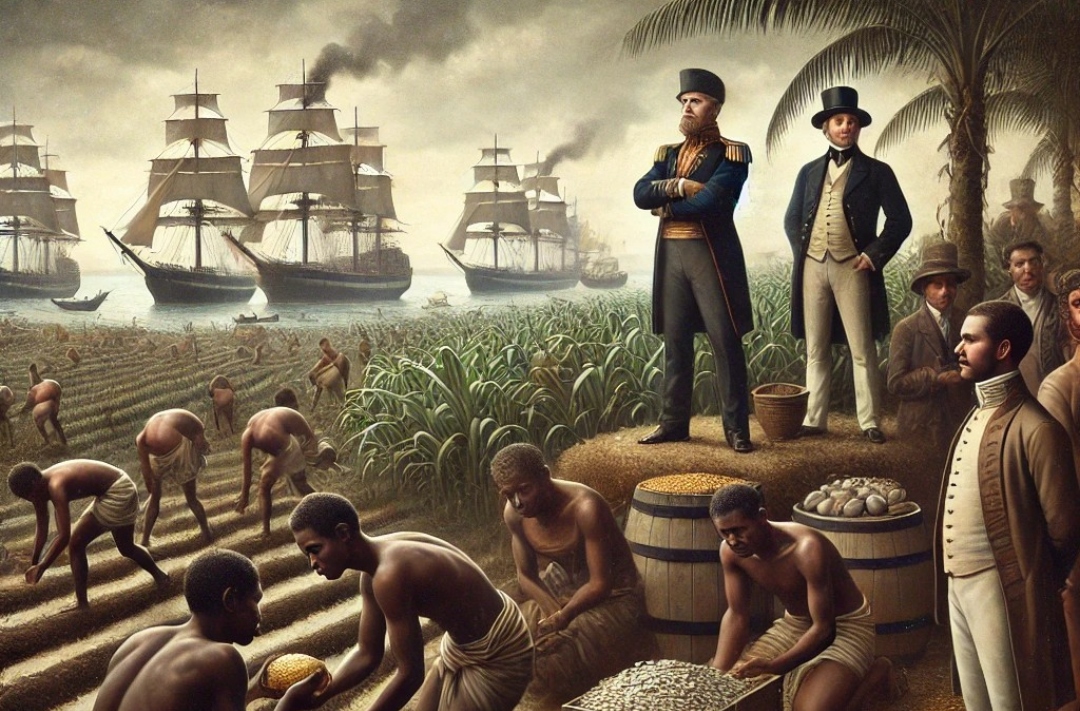
“[…] In Dr Eric Williams’ Capitalism and Slavery, he used historical analysis of a vast number of sources to put forward his seminal thesis: West Indian sugar fuelled Britain’s industrial revolution, and slavery in the British Empire was abolished not because of humanitarian arguments, benevolence or acknowledging the atrocities of the system—but because it was no longer in the economic interest of Britain.
“[…] This begs the question, if economics has been the driver of colonialism and modern-day imperialism, why should one give any weight to newfound interests by some big countries towards ‘human rights’, ‘democracy’, ‘narco-trafficking’ and ‘regional peace’…”
The following guest column, which suggests how Dr Eric Williams the intellectual might view our current geopolitical environment, was submitted to Wired868 by Dr Jamelia Harris, an economist:
(via CNC3.)
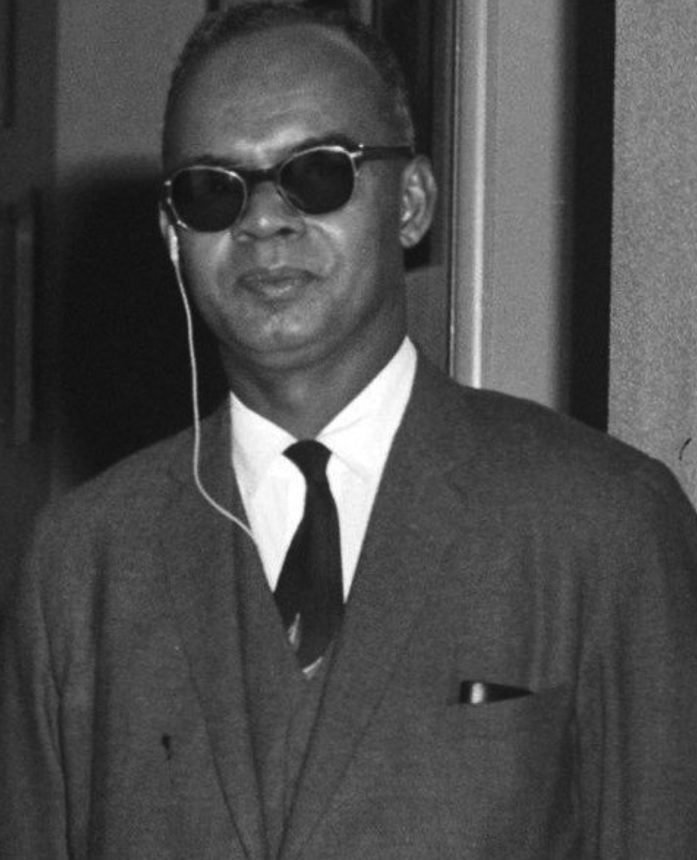
Dr Eric Williams, Trinidad and Tobago’s first Prime Minister died on 29 March 1981. This year marks 45 years since his passing.
Growing up and being educated in T&T up to sixth form, I learnt about the facts of Dr Williams: when and where he was born, the schools he attended, the scholarship he received, his abilities as a footballer, that he was an historian, that he informally renamed and conducted lectures at the “University of Woodford Square”.
I was not taught of the intellectual man and his ideas.

The talks lasted about two weeks and resulted in Independence for Trinidad and Tobago.
Copyright: AP Photo/ Staff/ Laurence Harris.
I came to understand and appreciate Dr Williams as a formidable and respected intellectual while writing my PhD thesis in the UK. In elite academic circles, his work is seen as foundational, and his contribution increasingly recognised—as Western countries and the academy grapple with the decolonisation of history and knowledge.
In T&T, we often reflect on Dr Williams, the politician, which can stimulate much debate. The rest of the world often reflects on Dr Williams, the intellectual, which is the primary focus of this piece.
Dr Williams, the intellectual, left us with many lessons. Three of which are highlighted below.
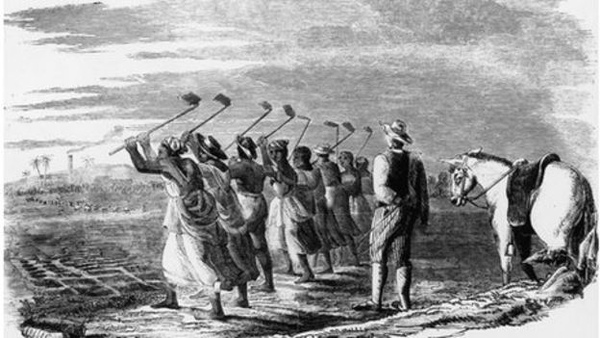
The first lesson is that slavery, colonialism and imperialism of the past, and their subsequent decline were driven by economic factors first and foremost.
In Dr Williams’ Capitalism and Slavery, he used historical analysis of a vast number of sources to put forward his seminal thesis: West Indian sugar fuelled Britain’s industrial revolution, and slavery in the British Empire was abolished not because of humanitarian arguments, benevolence or acknowledging the atrocities of the system—but because it was no longer in the economic interest of Britain.
Dr Williams argued that the profitability of British sugar plantations in the region was already declining before the abolition of slavery. Economics birthed enslavement and ended it—crude, but documented in the data.
Britain, one of the main beneficiaries of slavery, abstained from a UN vote that sought to recognise the transatlantic slave trade as “the gravest crime against humanity”.
Dr Williams’ thesis was seminal because it changed the way the world saw this. And importantly, the arguments are not limited to the enslavement period that Dr Williams studied.
We did not gain independence because the British concluded that self-determination should be a right for Caribbean people (and people of other former colonies). We were granted independence because it became too expensive for the British Empire to have so many colonies after the end of the second World War.
It is no coincidence that India, the largest British colony at the time, was the first major country in the modern developing world to gain independence in 1947.

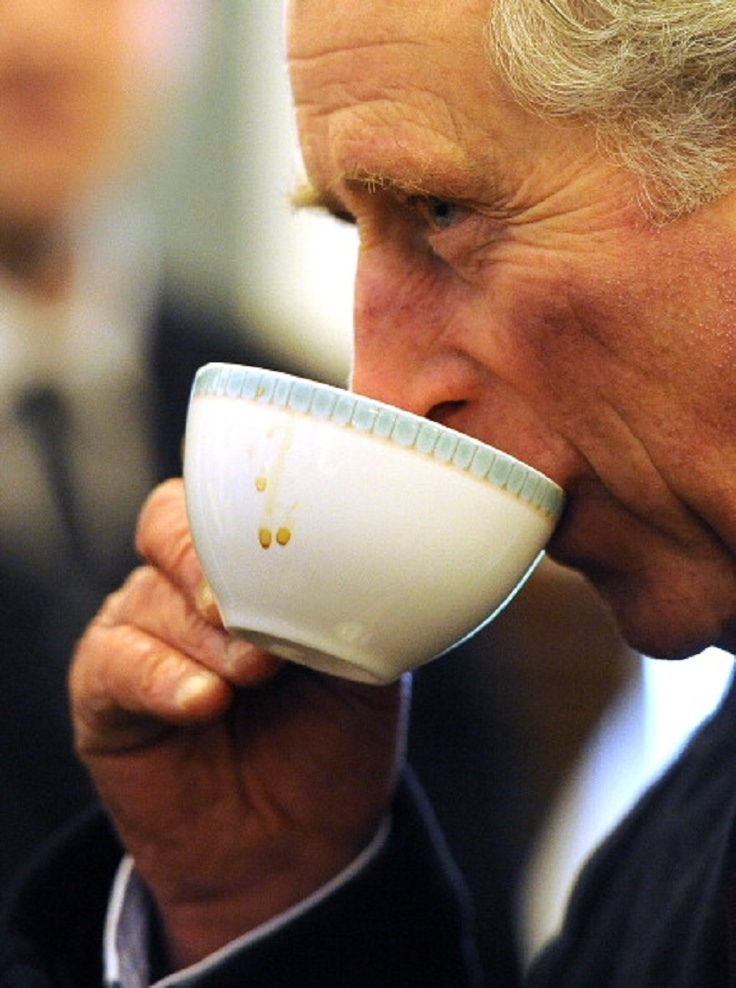
The British habit of adding tea to sugar wasn’t merely a matter of taste: It also helped steer the course of history.
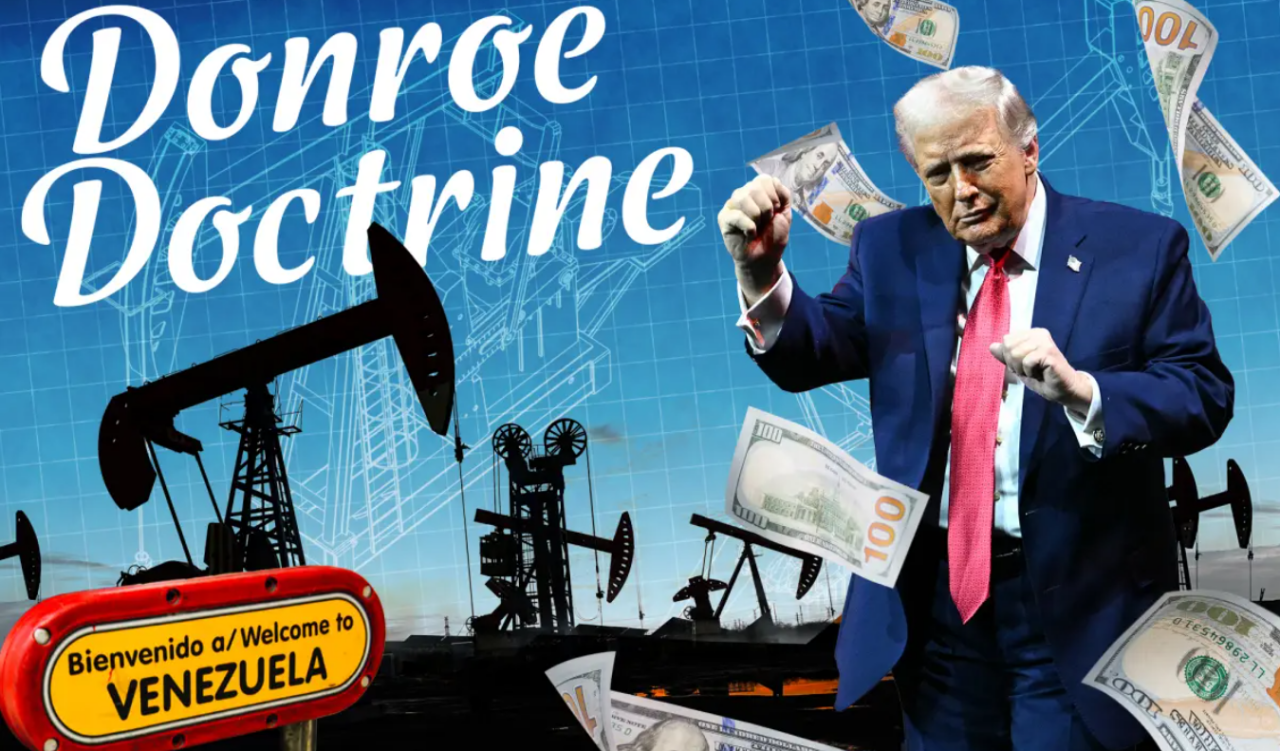
This begs the question, if economics has been the driver of colonialism and modern-day imperialism, why should one give any weight to newfound interests by some big countries towards “human rights”, “democracy”, “narco-trafficking” and “regional peace”.
History, and particularly Dr Williams, teaches us to look beyond these surface level explanations.
The second lesson from Dr Williams is that of regionalism—Caribbean regionalism.
In Dr Williams’ From Columbus to Castro, he emphasised the unique experiences that define our collective history and identity as Caribbean people and established clear arguments for a more integrated Caribbean region, including Cuba and Haiti.
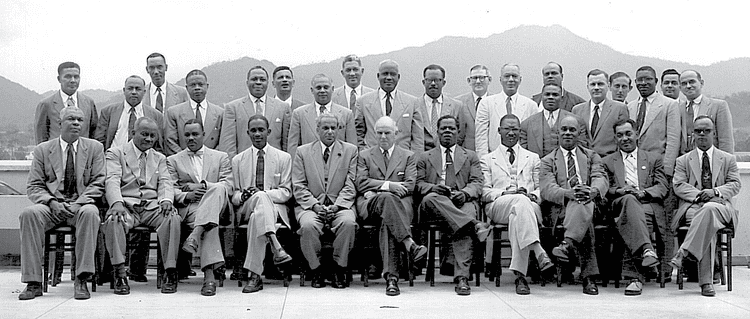
In his address to the First Meeting of the Heads of Government of the Caribbean Commonwealth in July 1963 he stated:
“Small countries like ours encounter great difficulty in establishing their influence in the world dominated by power and regional associations. This general difficulty is aggravated in our case by centuries of subordination to outside control, which has given rise to a view not uncommon outside of the West Indies, that we are satellites by nature and exist only to serve as pawns to outside countries.
“We have therefore, no alternative but to seek, against the background of our common history and traditions, to make common cause against the unfortunate tendency to regard us for all time as hewers of wood and drawers of water for other people.”
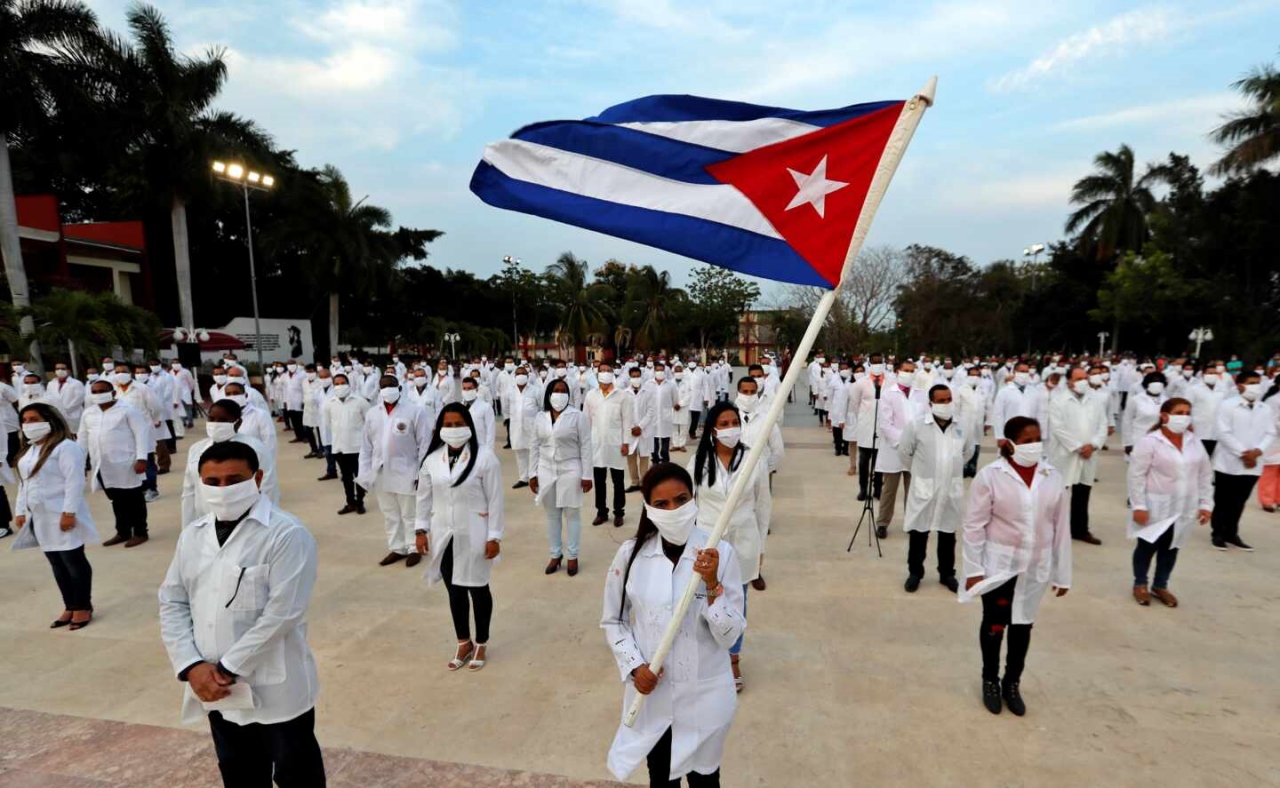
Trinidad and Tobago is among multiple Caribbean countries that also benefitted directly from Cuban medical expertise.
(Copyright EPA-EFE/ Ernesto Mastrascusa.)
Sadly, it seems as though we in T&T have forgotten this crucial lesson given recent behaviours towards Caricom and Cuba. As Sunity Maharaj wrote in her 22 March Sunday Express column, we need to be aware of our complicity in the humanitarian crisis unfolding in Cuba.
Or perhaps we have fallen victim to Dr Williams’ first lesson, where, like the colonisers and imperialists, our concerns are now purely economic.
The issue here is that we are not a large superpower with political, economic and military might. We do not make the rules.
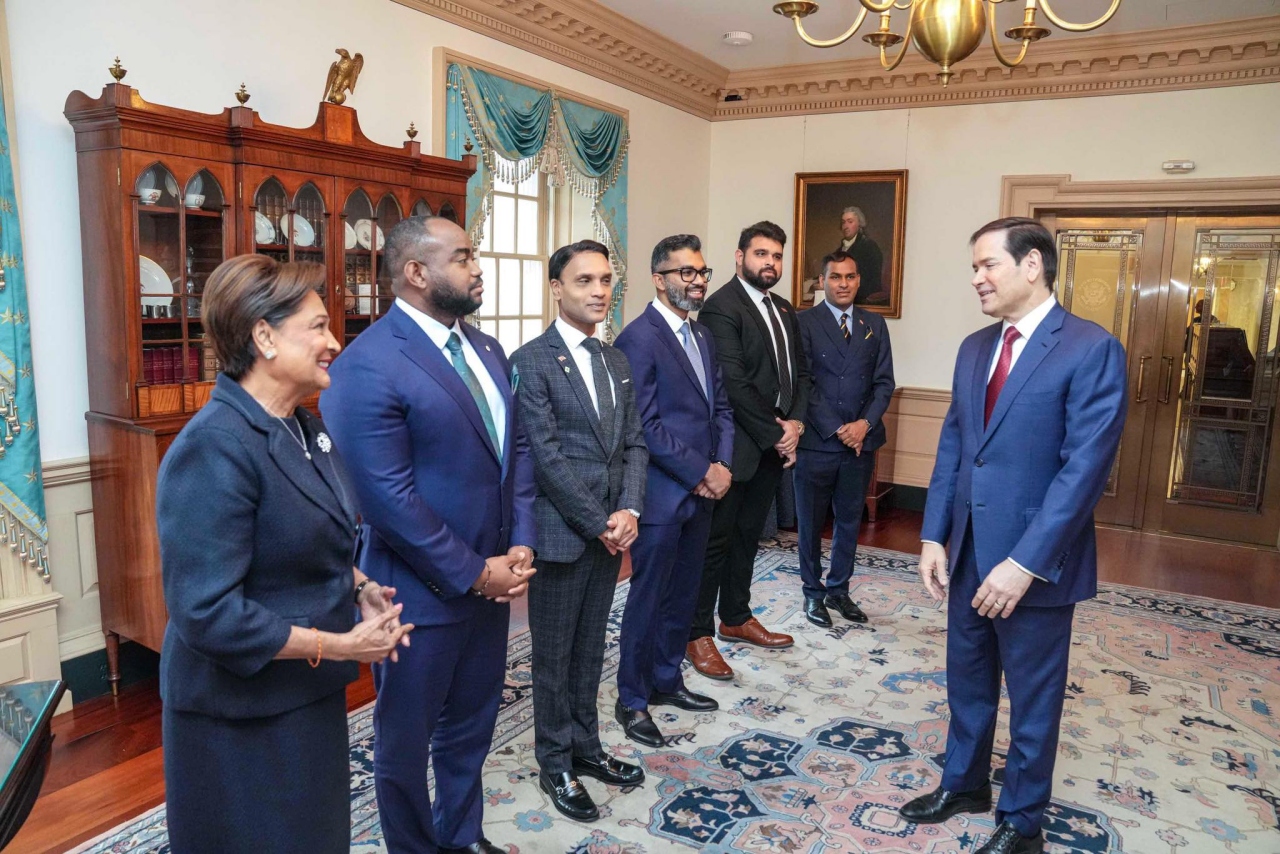
Photo: UNC.
Regionalism gives us a layer of protection when we face the world as a small country. But even still, if we predominantly define ourselves based on economic interests, are we willing to do anything for this?
As Sunity Maharaj wrote: “As a nation, the extent to which we are willing to compromise our core interests in order to win favours cannot be infinite.”
The third lesson from Dr Williams is the promotion of anti-colonial and post-colonial nationalism. Throughout Dr Williams’ scholarship, he challenged the dominant Eurocentric/Western narrative and sought to promote an appreciation of Caribbean history (from a Caribbean perspective) and our Caribbean heritage.
This is perhaps where Dr Williams the intellectual overlapped with Dr Williams the politician.
This third lessons raises several questions. Do we sufficiently challenge those dominant narratives now? Have we emerged as post-colonial in our mindset? Do we adequately embrace our post-colonial regional Caribbean identity?
Maybe if we engaged with Dr Williams’ intellectual ideas and not just the facts of his upbringing, we may get somewhat closer to this goal—even if it is 45 years after his passing.

The recent announcement by the government to divest state assets has stimulated some conversations on the role of the state Read more
There is an old adage that says: “a wise man learns from the mistakes of others, while a fool learns Read more
Having just celebrated 64 years of independence, discussions as to whether Trinidad and Tobago is better off since gaining independence Read more
“[…] To the ‘UNC family’ she offers the old tired hymn: lagoons, cane fields, salt and rice, ponds and springs—the Read more

Some years ago, I lived and worked in Sierra Leone. I arrived in the capital, Freetown, just ten years after Read more

A few years ago, Michal Teja captured hearts and titles with his hit song, DNA. At the time, I was Read more

Want to share your thoughts with Wired868? Email us at editor@wired868.com.
Please keep your letter between 300 to 600 words and be sure to read it over first for typos and punctuation.
We don’t publish anonymously unless there is a good reason, such as an obvious threat of harassment or job loss.
