 Wired868 Wired868 for smart sport news and opinion
David Rudder famously sang in 1996 in The Madman’s Rant: “Somebody clean out the weed real fast. But somebody letting the cocaine pass.”
Nevertheless, none of our leaderships were prepared to acknowledge this reality despite periodic reports of “drug busts”, including some massive ones.
Despite strong editorials and some courageous commentary, the involvement of Trinidad and Tobago in the drug trade remained in the shadows of rumour and gossip about “Mr Big”, about certain murders and under the cover of the darkness of oceans at night.
Suddenly, as a prelude to the events of last weekend in Florida when we joined a military alliance led by the US intended to eradicate drug cartels, our country’s horrible involvement in the drug trade is taken out of the shadows.
Wayne Sturge MP, minister of Defence and a member of the current Cabinet, reportedly gave a description of “the burden of Trinidad and Tobago being a gateway connecting South America to the Caribbean and beyond”. (See Trinidad Express, 6 March 2026.)
Minister Sturge described the burden of “recent times” in which “we found ourselves at the mercy of powerful drug cartels and criminal networks engaged in narco-trafficking, firearms trafficking and human trafficking.”
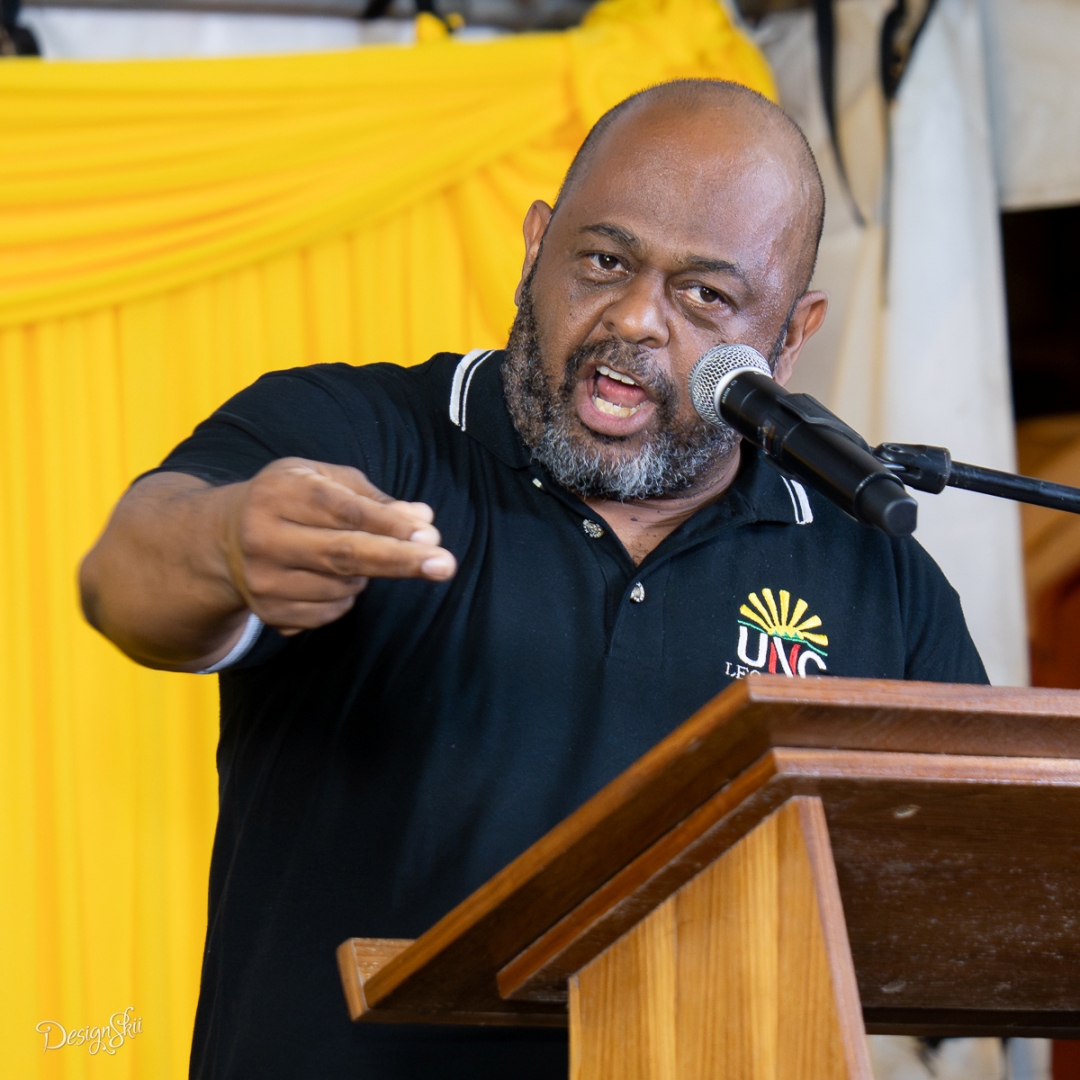
Photo: UNC.
He also acknowledged “the human cost” of the law enforcement officers and “thousands of citizens over the last two decades to violent crime, fueled mainly by the actions of the new narco-terror networks”.
However, our country has been involved in the drug trade for more than merely two decades and the involvement continued despite changes of government at general elections held during that period.
The new alliance may produce results stemming the drug trade but Sturge’s statements constitute a portrayal that is unresponsible (to use Lloyd Best’s term) and must be rejected.
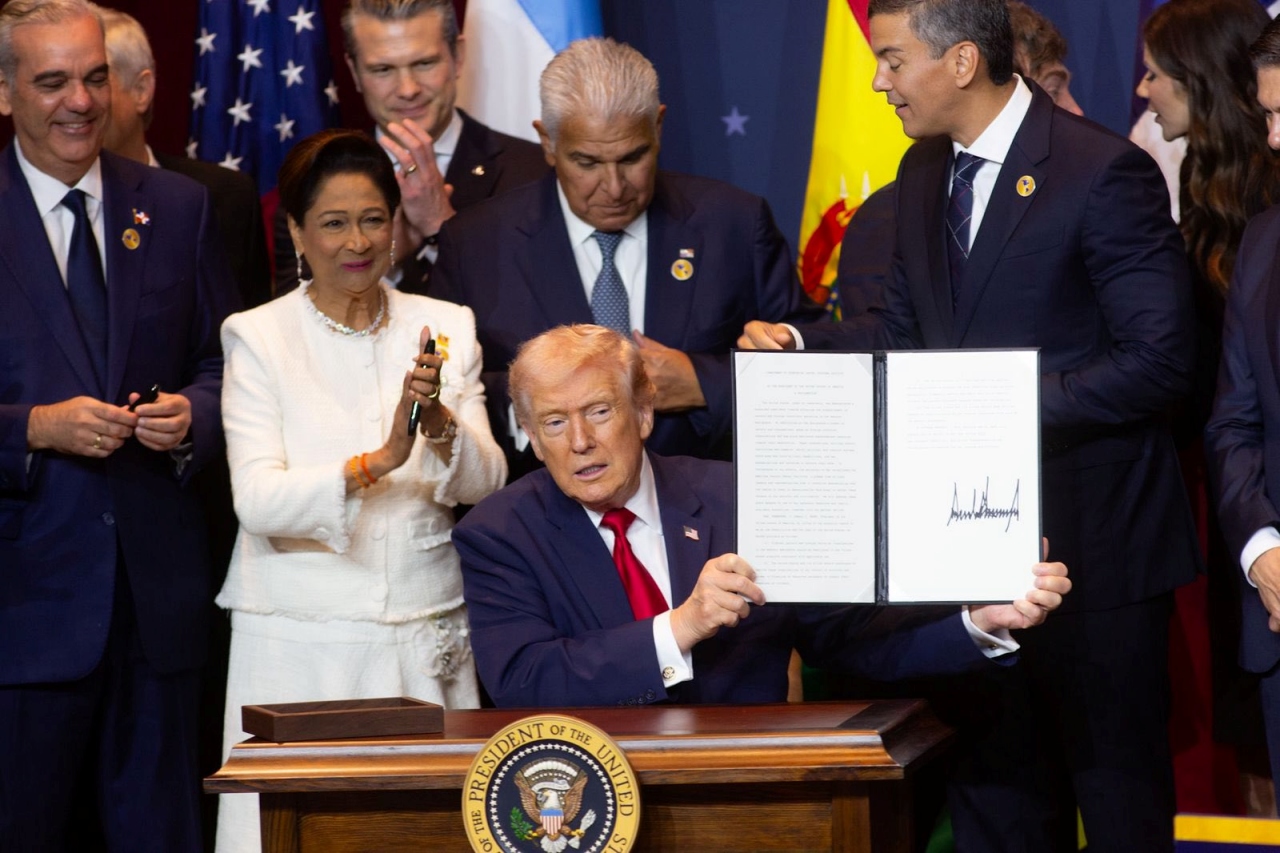
Photo: UNC.
It is necessary, therefore, once again to remind readers that it is the slackness of our rulers and other officials, the indifference of the elites and what is believed to be widespread unchecked corruption that have placed us into the terror of firearms, narco-trafficking and human trafficking.
An outstanding example of the true position of the duration of our country’s involvement in the drug trade and its grip on our institutions came in an Express editorial dated 29 August 2023 headed In the jaws of the drug trade, which stated:
“This trade has been going on for so long—about 50 years—that it is now so deeply embedded in the very fabric of the society that the question of securing the country from its nefarious impacts is not even on the agenda.
“Yet, just considering the infrastructure required to sustain this trade over so many years, and to keep the island as a viable safe harbour along the shipment route, should clue us in to how deep in the grip of the narco-trade our country is.”
The position taken in these columns as long ago as 2003 was this: “We must pressure the government, whoever they are, to take back control of the resources of the state from cronies and pardners, armed or unarmed. That is a political job.
“It is not the job of the police. Their job is to attack, first and with urgency and integrity, the drug trade that underlies the gang murders.
“If any government does not act independently of the criminal element in the society, whether they are grassroots bandits or the ‘devils in disguise’ the regulation of society in the interest of the common good will eventually become impossible.
“The laws of the land will have legal validity but will cease to be effective.”
Stimulated by recent events in the Caribbean Sea and a section of the Pacific Ocean, the movement of fentanyl and cocaine northward to the US from Latin America has been examined in the US media.
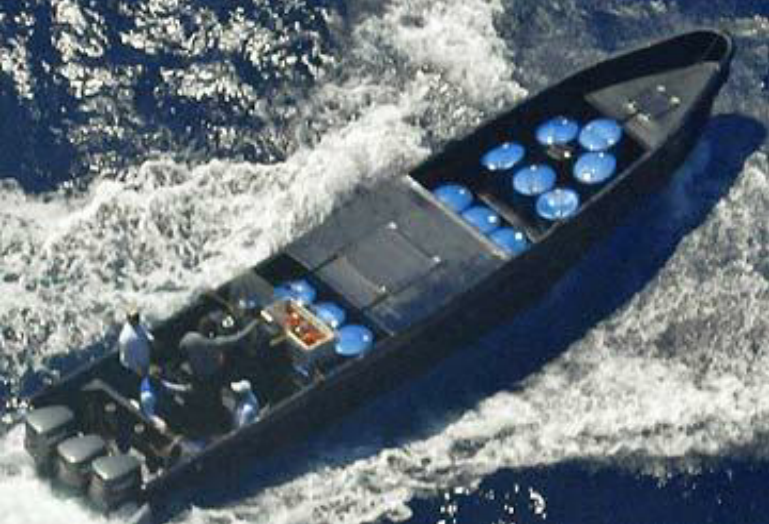
In the course of their reporting, Trinidad and Tobago’s role in the transit of cocaine into Europe has been pointedly described.
Put simply, before we weigh up our entry into the new alliance against the drug cartels, we must own our failure to resist the infiltration of the drug trade into our country when we permitted it to become embedded, and examine whether we can overcome slackness and corruption.
I am not a politician. I’m certainly not a senator. I am just a citizen who pays attention. So, when Read more
Thirteen years have passed since health care workers, Lake Asphalt employees and other workers last received a salary adjustment. In Read more
“[…] To the ‘UNC family’ she offers the old tired hymn: lagoons, cane fields, salt and rice, ponds and springs—the Read more
“[…] Neither African nor Indian communities benefit from this… In cases where division arises unintentionally, accountability must fall on leaders, Read more

A few years ago, Michal Teja captured hearts and titles with his hit song, DNA. At the time, I was Read more

A popular quote attributed to Benjamin Franklyn aptly summarises the situation that Trinidad and Tobago finds itself in: “He that Read more
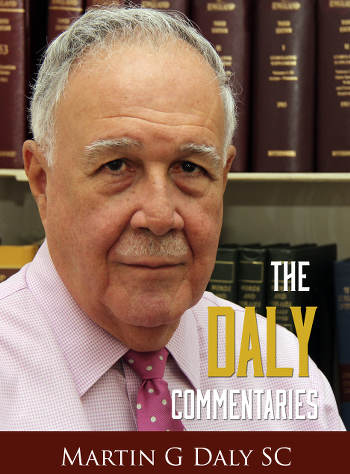
Martin G Daly SC is a prominent attorney-at-law. He is a former Independent Senator and past president of the Law Association of Trinidad and Tobago.
He is chairman of the Pat Bishop Foundation and a steelpan music enthusiast.