 Wired868 Wired868 for smart sport news and opinion
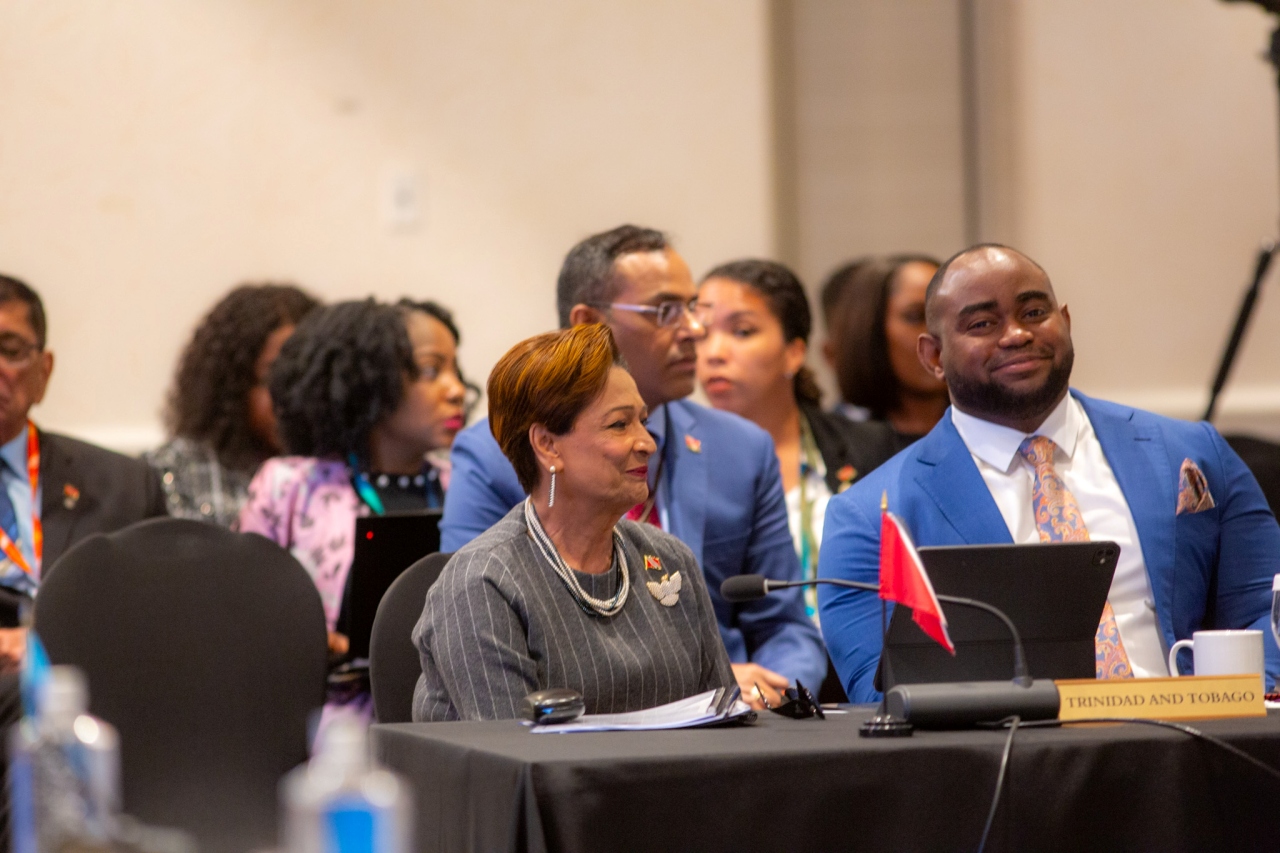
Trinidad and Tobago entered into the Americas Counter Cartel Coalition, which was announced in Doral, Florida, two weeks ago at a gathering called the Shield of the Americas Summit.
This coalition is a new alliance between the US and certain Latin American countries, led by the US, and intended to eradicate drug cartels.
I view this coalition in the context of my assertions last week that we failed to resist the infiltration of the drug trade into our country, permitted it to become embedded and that the current challenge is whether we can overcome the enabling slackness and corruption.
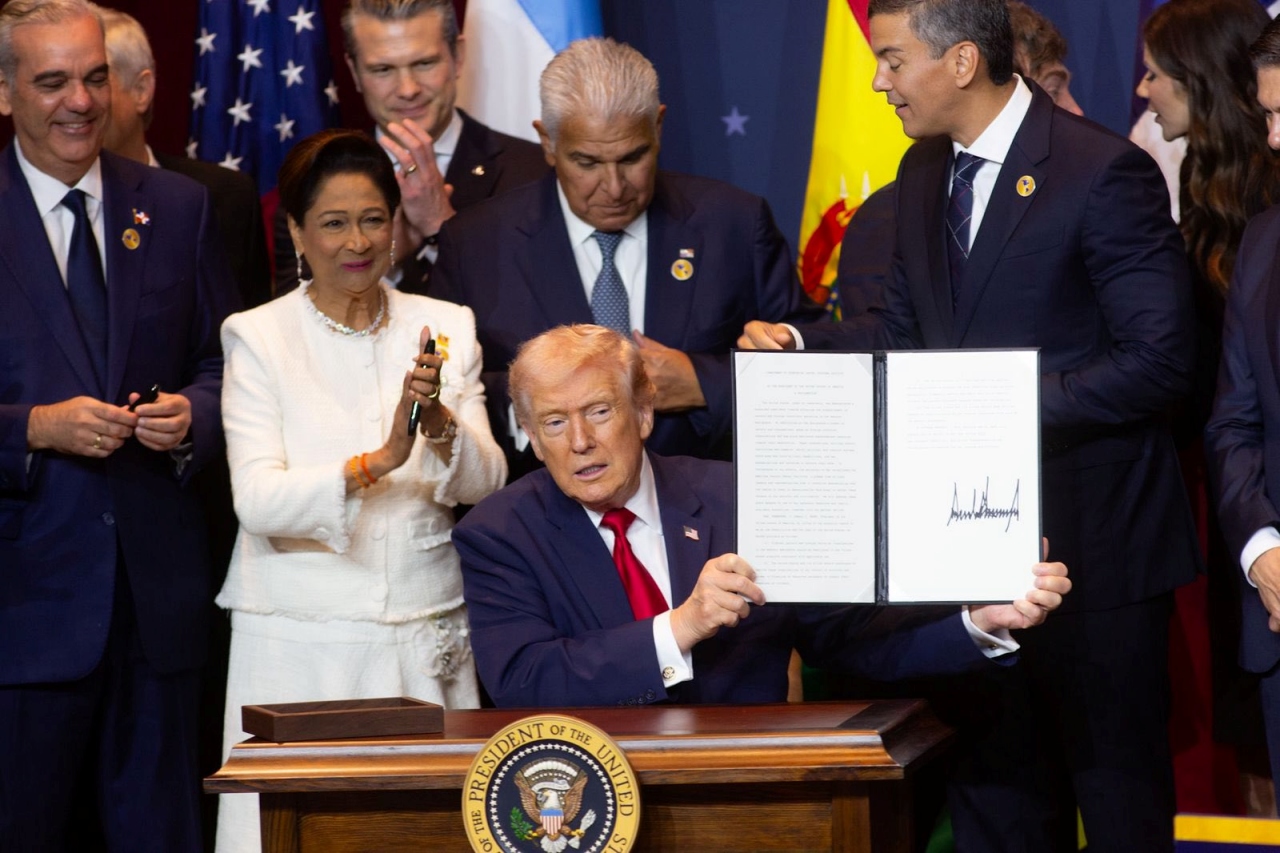
Photo: UNC.
Encouragingly, reference to an opportunity to tackle the corruption in Trinidad and Tobago found focus in the commentary of another commentator, Commander Dr Garvin Heerah, regional security expert, which was reported in the Trinidad Guardian on 13 March 2026.
He sees significant opportunity in the Counter Cartel Coalition, which he refers to as AC3, and he described what assistance to combat the drug trade might be forthcoming—such as, among many other things, “strategic engagement within the coalition” on “border security and migration intelligence” and “intelligence-led border management practices”.
Dr Heerah also advised that “a good intention by our planners” might be “to maximise the tentacles of the AC3 framework and explore countermeasures to pursue and investigate corrupt and rogue officers across national security”.
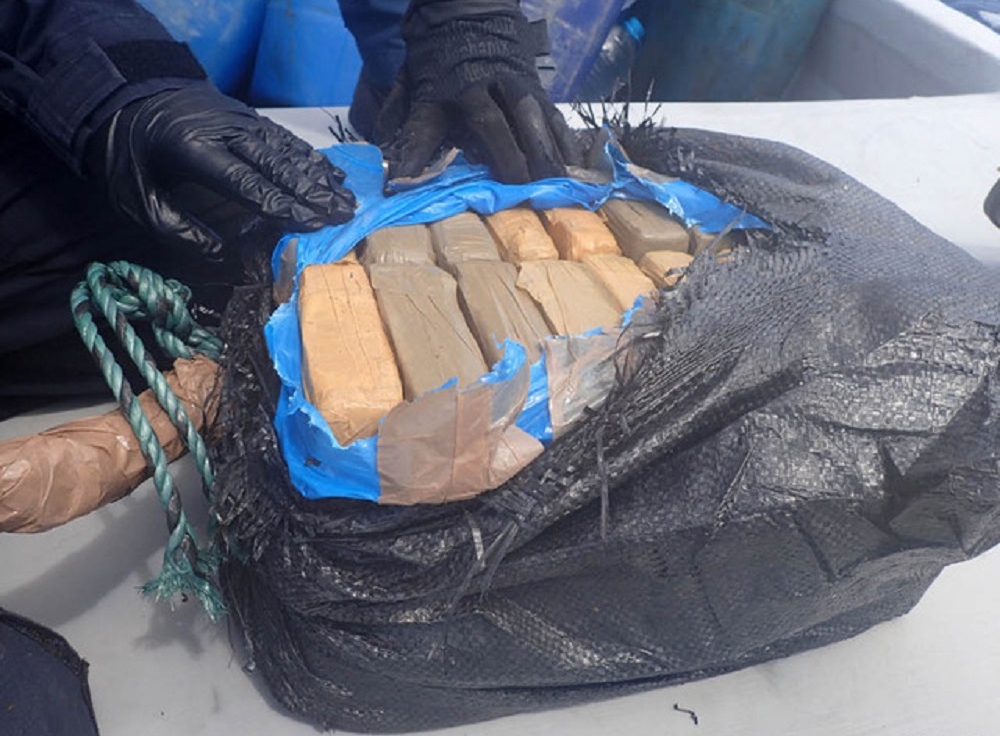
I was particularly struck by that piece of advice because of the similarities between what has been reported about the enabling of the drug trade of Ecuador, once a peaceful country, and what I have described about permitting the drug trade to become embedded in Trinidad and Tobago.
Ecuador has now invited US military help to cope with its drug gangs. See The New York Times (The NYT) 4 March 2026.
Almost two years earlier, on 13 January 2024, The NYT described the situation in Ecuador before and after the current Government there began a fight back operation against the drug trade that was entitled Caso Metastasis, and which included arrests of allegedly complicit law enforcement officials.

(via iStockphoto.)
The NYT quoted Gustavo Flores-Macias, a professor of government and public policy at Cornell University and Latin American specialist, who referred to operation Metastasis and stated that before the operation gang leaders appeared to have reached a state of “equilibrium”, in which “they felt they could operate their lucrative criminal rings, even from behind bars, with the cooperation of the authorities.”
Mr Flores-Macías was quoted further as follows: “Let’s say the gangs are operating under a level of impunity, and let’s say they are fairly happy with it. What Metastasis is doing is it’s disrupting this equilibrium that exists that allows them to do business as usual.”
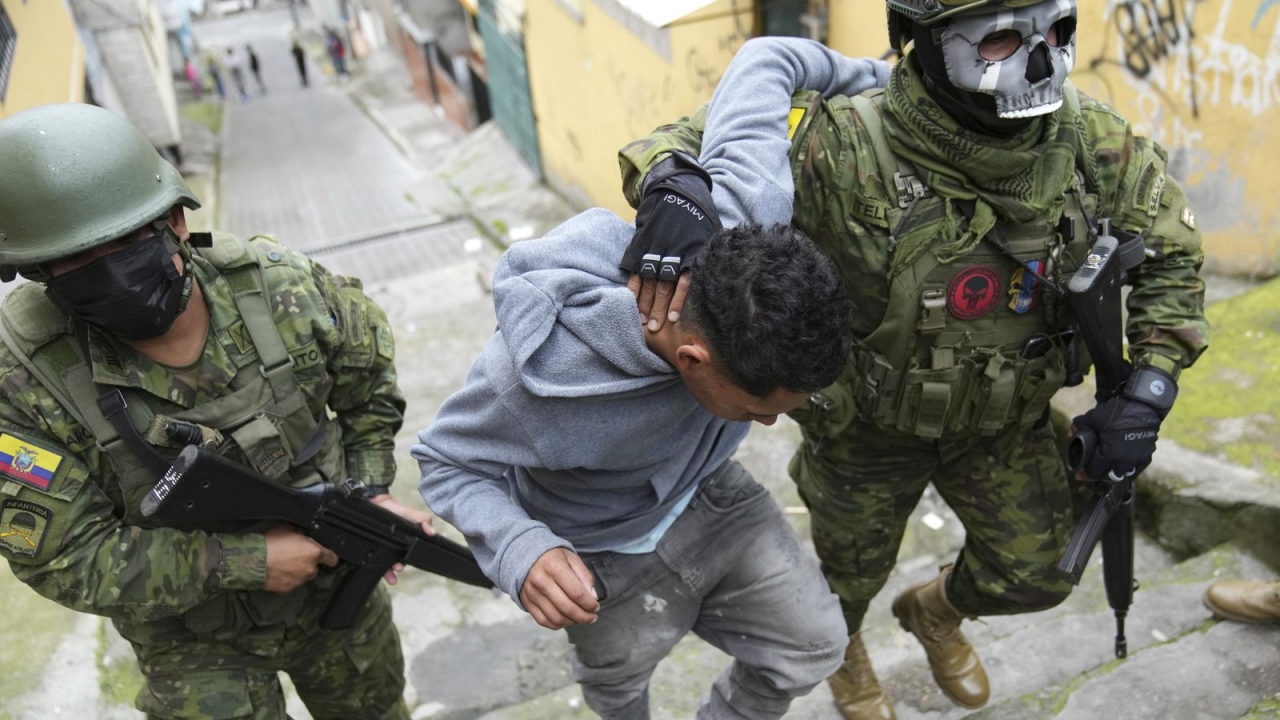
The NYT report concluded with a description of the violent reaction of the criminal underworld of Ecuador, which occurred in January 2024.
(via Sky News.)
On 6 March 2026, there was another thoughtful commentary about the Counter Cartel Coalition preceding that of Dr Heerah. This commentary, despite the commentator’s unease about our Government’s unqualified embrace of the Counter Cartel Coalition, did reference the geo-political reality of Trinidad and Tobago.
I refer to an op-ed piece in Dominica News Online and published elsewhere in the region. In it Professor C Justin Robinson, pro vice-chancellor and principal, The University of the West indies Five Islands Campus, confronted our Prime Minister’s statement “who vex loss”, made to the Caribbean heads of government in Saint Kitts and Nevis.
He stated that “with those three words Prime Minister Kamla Persad-Bissessar distilled a geopolitical moment into a Trinidadian proverb. If you are upset by my choices, that is your problem!”
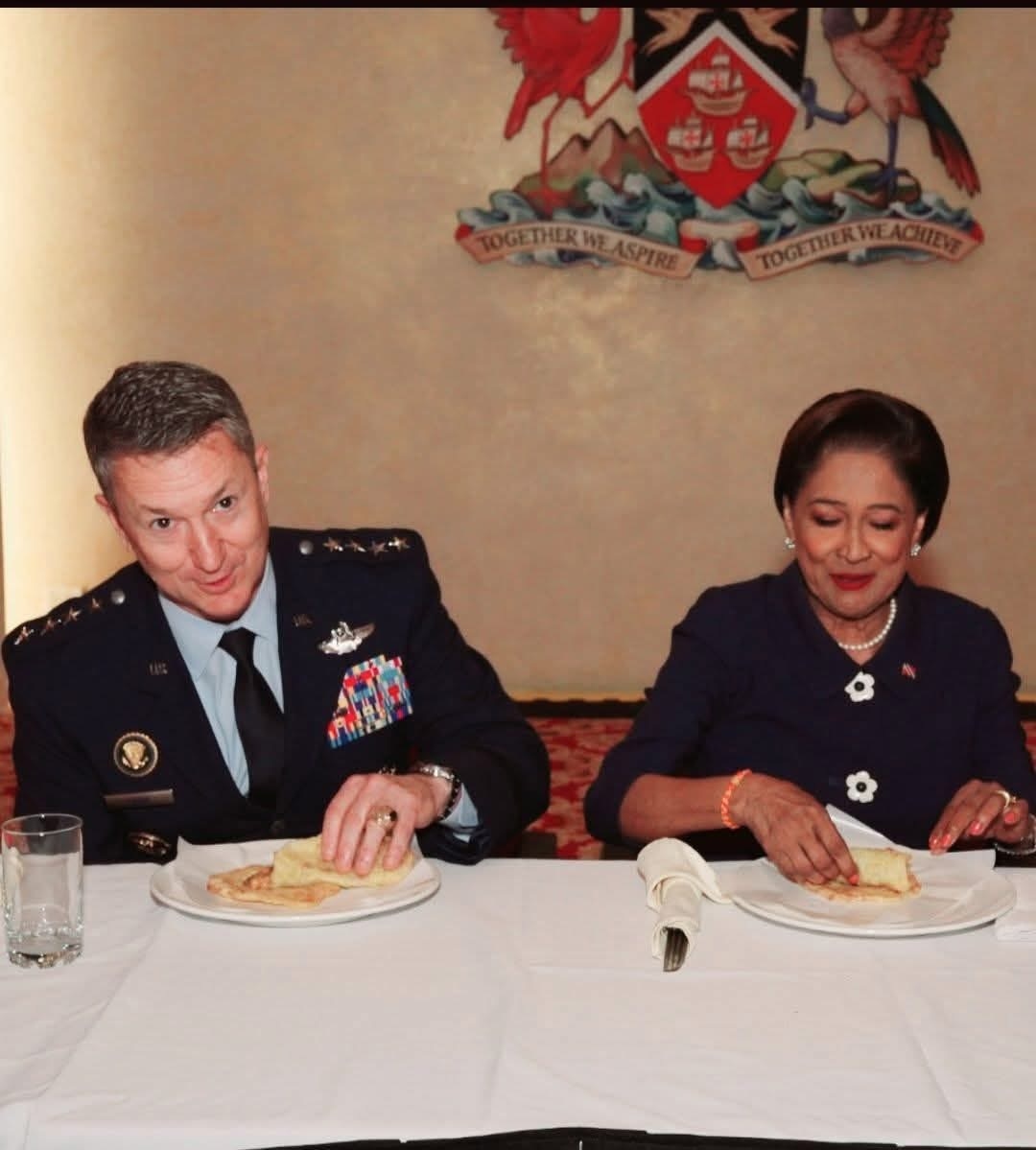
Caine, the chairman of USA’s Joint Chiefs of Staff, is America’s highest-ranking military officer.
Photo: UNC.
Professor Robinson then raised a concern in the form of an exclamation: “Who loss when usefulness to the US expires!”
He concluded: “The shield on offer in Doral protects American interests and, for now, Guyana’s and Trinidad’s immediate economic and security interests. The question for the rest of the Caribbean is whether we are building our own.”
I adopt the commentaries and reports cited and maintain that disrupting the cartels here at home will not be easy, in view of the complicity that I described last Sunday.
It is imperative to have a disruption plan of our own, insulated against the usual corruptible elements.
I am not a politician. I’m certainly not a senator. I am just a citizen who pays attention. So, when Read more
“[…] To the ‘UNC family’ she offers the old tired hymn: lagoons, cane fields, salt and rice, ponds and springs—the Read more
Three thousand dollars a month. That’s the minimum National Insurance pension a citizen receives after a lifetime of work. It’s Read more
The UNC won the 2025 general elections promising to transform Trinidad and Tobago’s economic fortunes, treat workers fairly and address Read more
In light of current general statements about economic diversification, it will not surprise my readers that I will proceed on Read more
This is my penultimate column before I proceed on my break after twenty-four years of writing these weekly columns. As Read more
Martin G Daly SC is a prominent attorney-at-law. He is a former Independent Senator and past president of the Law Association of Trinidad and Tobago.
He is chairman of the Pat Bishop Foundation and a steelpan music enthusiast.