 Wired868 Wired868 for smart sport news and opinion
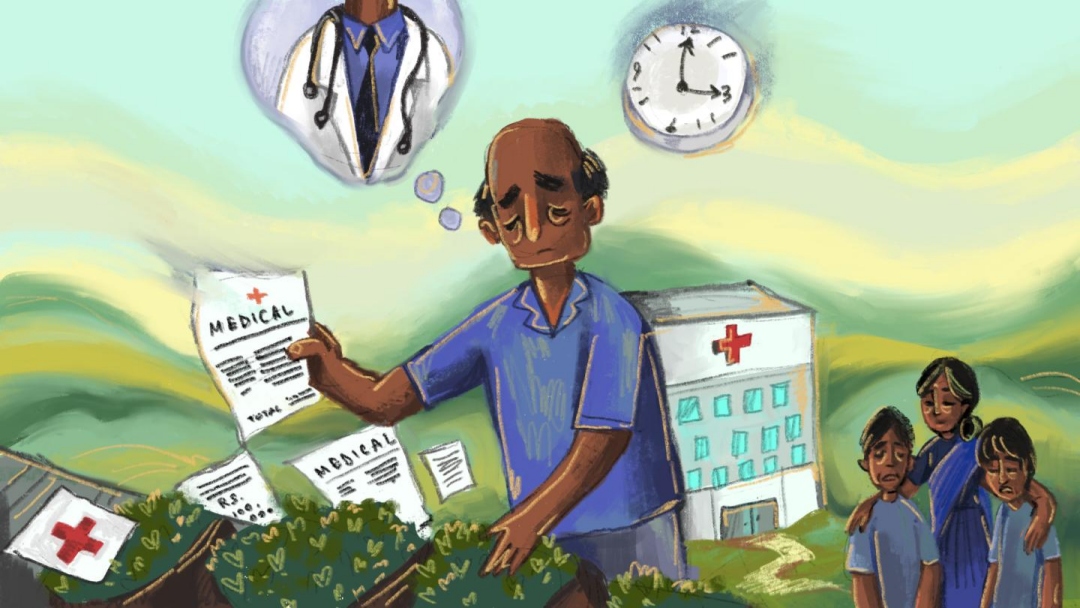
At six o’clock one morning not too long ago, a woman sat quietly outside a public clinic with a numbered card in her hand.
She had arrived before sunrise. Not because she wanted to—because she had to.
Her eyes were failing for months. The headaches were becoming more frequent. Work could not be missed. Transport was uncertain.

It was urgent.
A year ago, I wrote a column called The Emperor’s New Hospital.
The story travelled rather far that week. Satire has a curious way of doing that. It slips quietly through the cracks of polite conversation and lands exactly where truth tends to live.
Some readers laughed. Some did not.
A few became extremely cross, which is usually a reliable sign that it struck reasonably close to the bone.
I must also say this.
To those who read, shared, debated and supported that column: thank you.
In a time when speaking plainly is often mistaken for being difficult, your willingness to engage honestly was both humbling and encouraging.
Public discourse is about the courage to confront uncomfortable truths together.
Yet a year later, something rather awkward remains.
The hospital is still closed.
One would think that a year is a long time in medicine. Diseases progress in months. Tumours grow in weeks. Blood pressure damages arteries silently with each passing day.
Time matters in health.
But time, it seems, behaves very differently when buildings are involved.
Hospitals, in our national experience, exist in a peculiar temporal dimension where months stretch into years and explanations become curiously elastic.
The column borrowed its title from Hans Christian Andersen’s famous tale about a vain ruler parading proudly in clothes that did not exist while everyone around him pretended to admire the fabric.
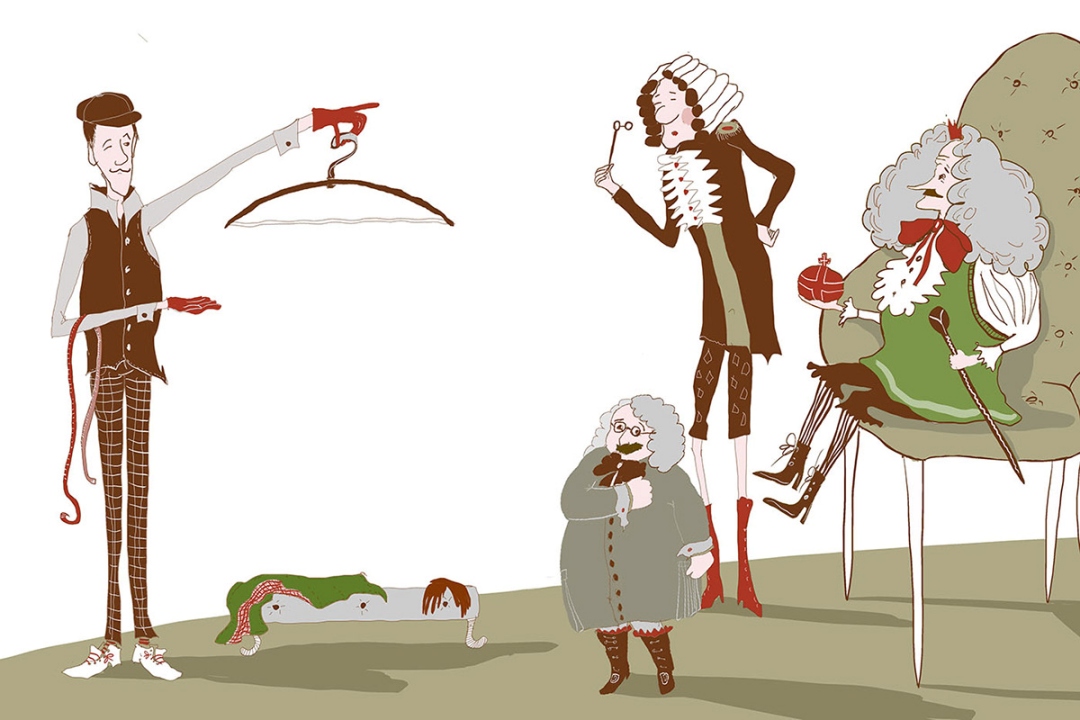
In the story the illusion survives until a child finally says what everyone else is too polite to say.
“The emperor has no clothes.”
A year later the question writes itself.
Has anything changed?
The answer echoes quietly through empty corridors.
The hospital is still closed.
- The government has changed.
- The speeches have changed.
- The colours on the podium have changed.
But the doors remain locked.
A year ago, there were ribbon cuttings. Cameras flashed. Plaques were unveiled with the gravity usually reserved for monuments. Health infrastructure was treated less like a functioning system and more like a stage production.
And the audience, as always, was the public.
Inside a real hospital there are no ribbon cuttings. There are ward rounds at dawn, anxious families in corridors, nurses recalculating medication doses, junior doctors writing notes between emergencies and consultants making decisions that must be correct the first time.
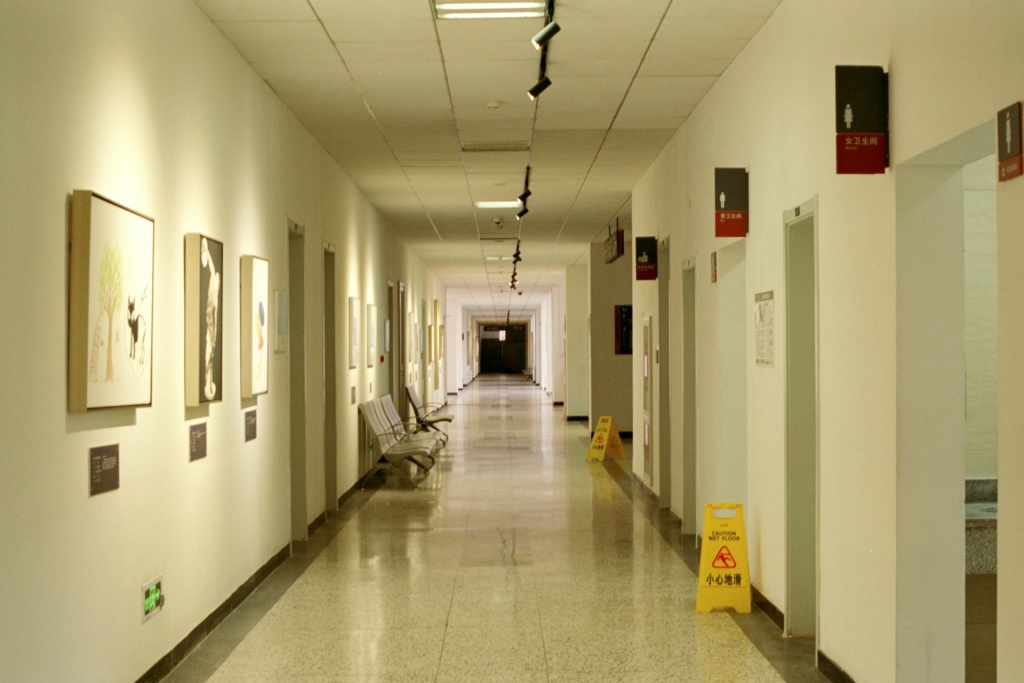
Buildings alone do not deliver healthcare.
- People do.
- Beds do.
- Equipment does.
- Laboratories do.
- Operating theatres do.
- Staffing does.
Without those, a hospital is simply a large and very expensive monument.
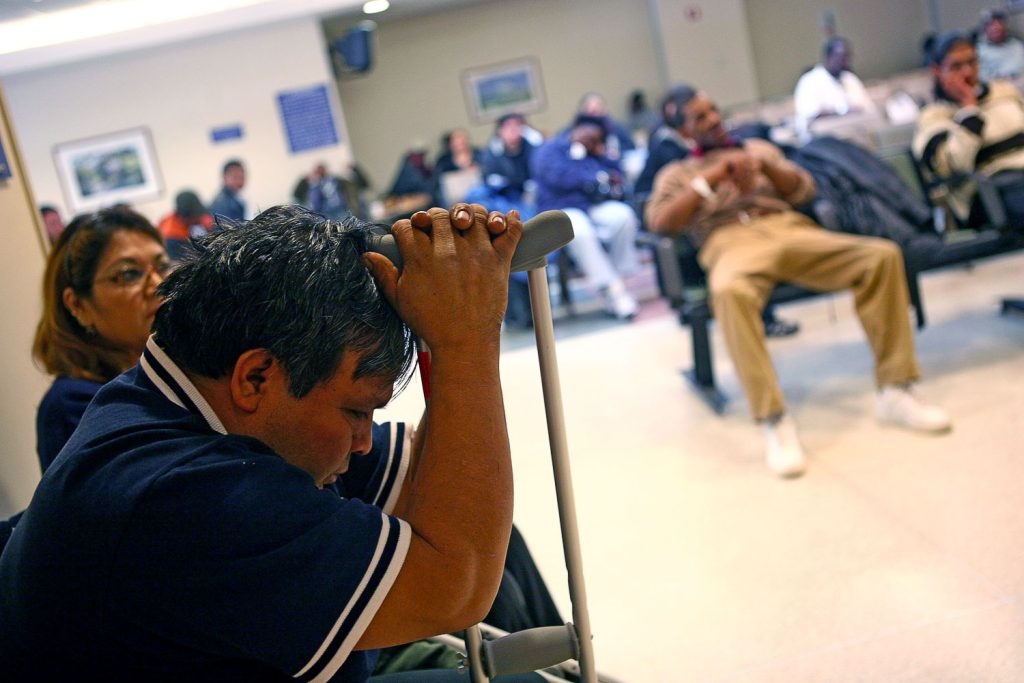
The pressures on the health system remain painfully visible. Clinics are crowded. Waiting lists stretch like queues on a Monday morning. Nurses carry workloads that would exhaust lesser mortals. Junior doctors learn resilience long before they learn sleep.
Patients arrive before sunrise with numbered cards in hand, hoping to be seen before the afternoon heat and the next day’s responsibilities begin.
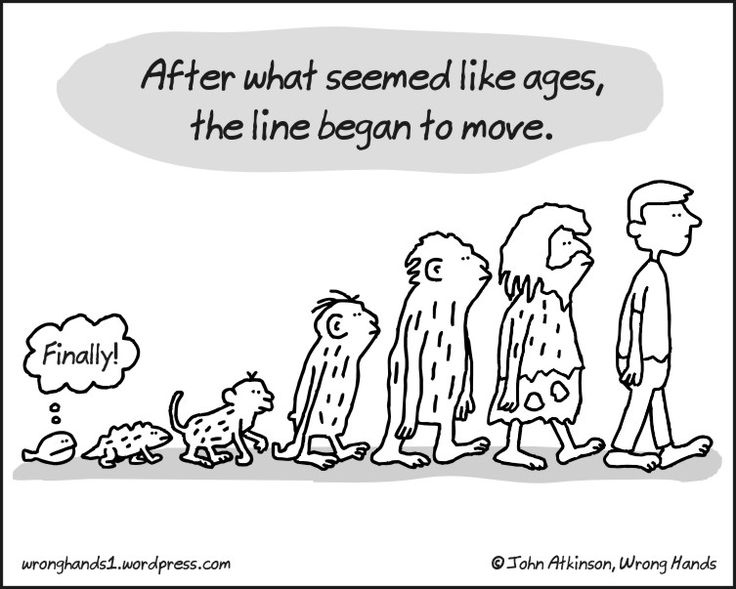
Patients are also arriving younger with diseases that once appeared later in life.
- Diabetes in the forties.
- Hypertension in the thirties.
- Kidney disease before retirement.
In Andersen’s story an entire court conspired in silence. Ministers admired invisible garments. Courtiers praised stitching that was never there. No one wanted to admit they saw nothing.
It took a child to speak plainly.
A year ago, satire tried to do the same.
It said what many people already knew but were reluctant to say aloud: celebrating infrastructure before it serves patients is a strange form of progress.

The irony is that the public understands healthcare far more clearly than political theatre suggests.
Ask any patient what they want from a hospital and the answers are disarmingly simple.
- They want to be seen quickly.
- They want competent care.
- They want a clean bed.
- They want medication that is available.
- They want reassurance when fear arrives at three in the morning.
No one asks for architectural renderings.
Healthcare is measured in outcomes, not in ribbon lengths.

Healthcare reform requires staffing plans, procurement systems, maintenance schedules, laboratory capacity, information technology and management that values competence over ceremony.
It also requires honesty.
Hospitals cannot function without trained personnel. Around the world health systems are discovering that buildings are easier to construct than teams.
You can build walls quickly.
Trust, skill and experience take years.
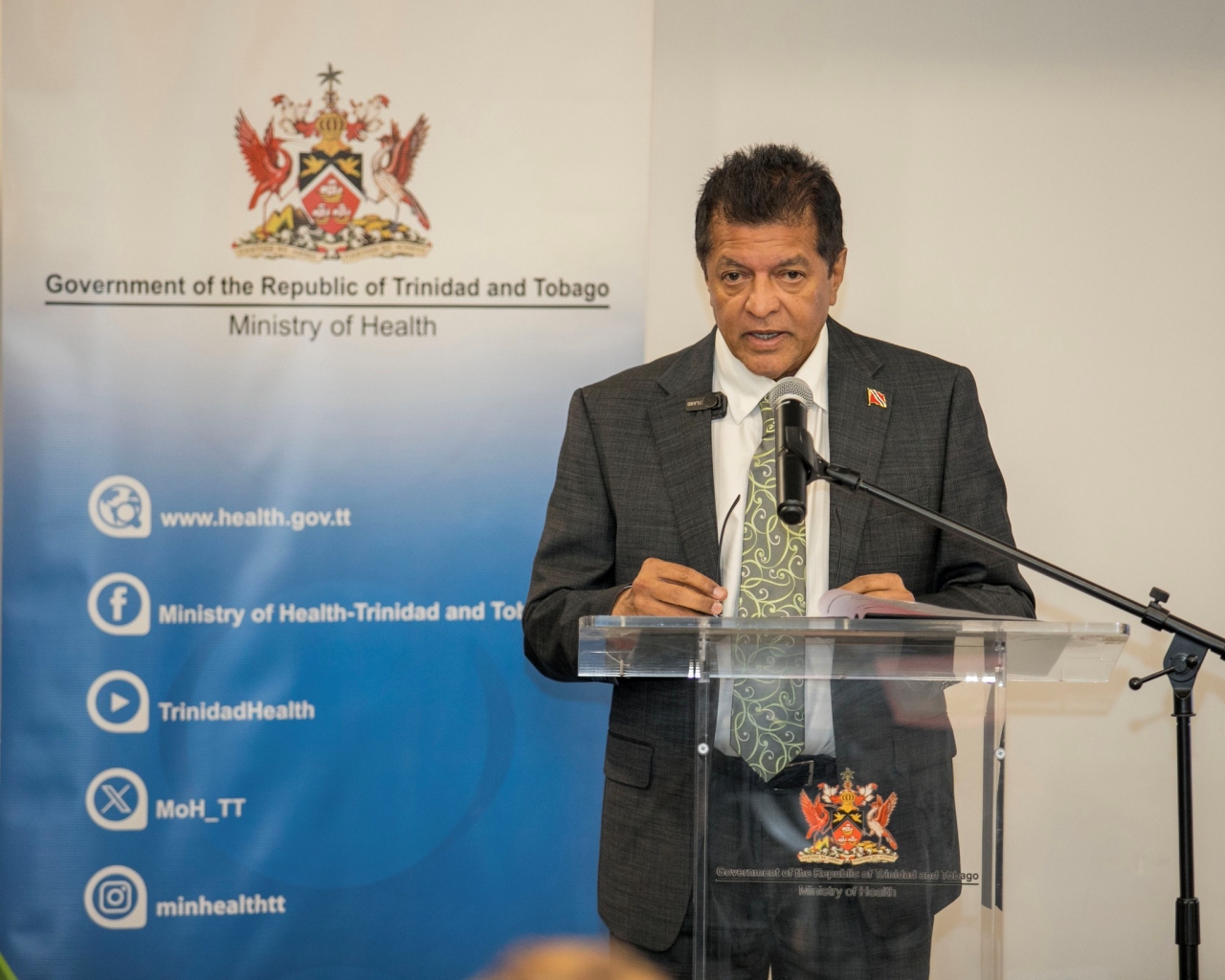
(via Ministry of Health.)
There is another lesson in Andersen’s story.
The emperor was surrounded by people who found it easier to agree than to question.
Systems fail not only because of bad decisions but because of unchallenged ones. The best institutions encourage uncomfortable questions. They reward candour. They welcome expertise even when it complicates the narrative.
Healthcare demands this culture.
Medicine advances because doctors question assumptions. Treatments improve because clinicians ask whether older methods still serve patients. Science itself is organised scepticism.
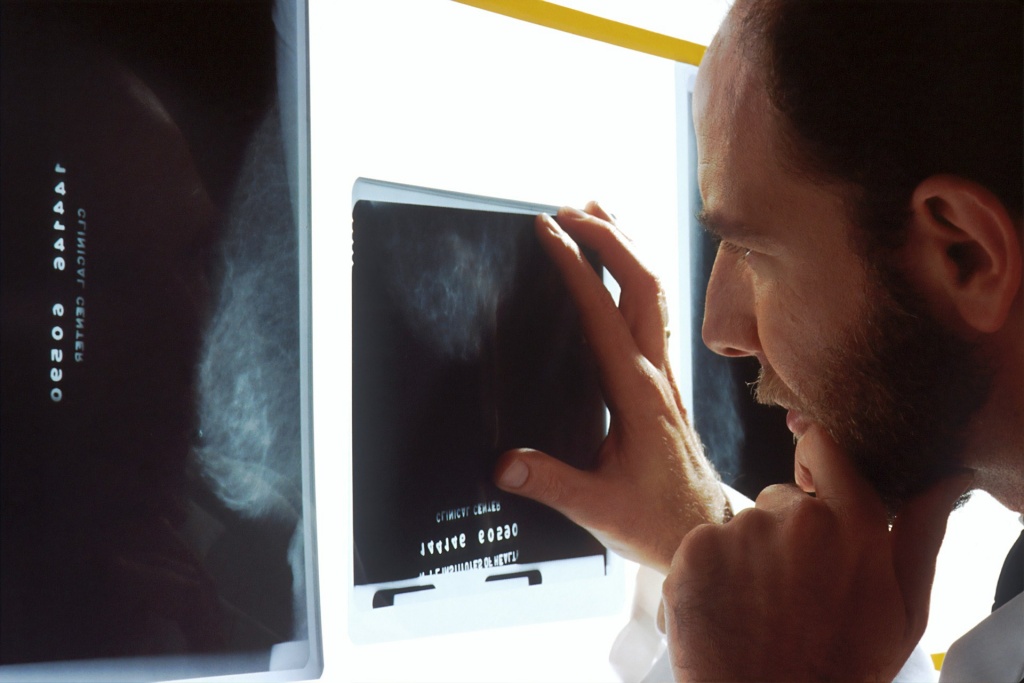
Public policy should aspire to the same discipline.
The public does not care which party opens the doors.
They care that the doors open.
There is also an uncomfortable question that must now be asked, calmly but firmly: how did we arrive here?
Large national projects do not drift quietly into difficulty by accident. Decisions are made. Contracts are signed. Oversight is assigned. Timelines are promised.
Somewhere along that journey, something clearly went wrong.

Accountability matters in medicine. When doctors make serious errors, systems investigate, lessons are learned and responsibility is examined.
Public projects should be no different.
If serious deficiencies later emerged, then the public deserves to understand why. Not for political theatre. Not for blame alone.
But for learning.
Because the same mistakes should not be repeated with the next hospital, the next project or the next generation of public infrastructure. Healthcare systems cannot afford expensive lessons that are never examined.
Transparency is not punishment.
It is prevention.
It would be easy at this point to become cynical. Cynicism, like mould, grows comfortably in environments where expectations repeatedly collide with reality.
What the moment calls for instead is clarity.
The public does not expect perfection from governments. Hospitals everywhere are complex institutions that require careful planning, staffing and organisation.
But the public does expect honesty.

The encouraging truth is that Trinidad and Tobago possesses remarkable healthcare professionals. Doctors, nurses, pharmacists, technicians and support staff continue to deliver care with dedication that often exceeds the resources available to them.
Their work rarely attracts headlines.
If the unopened hospital finally begins treating patients, it will not matter who cuts the ribbon.
The real ceremony will occur quietly.
- A patient will walk through the doors.
- A nurse will prepare a bed.
- A doctor will review a chart.
- A diagnosis will be made.
- A treatment will begin.
That is when a hospital truly opens.
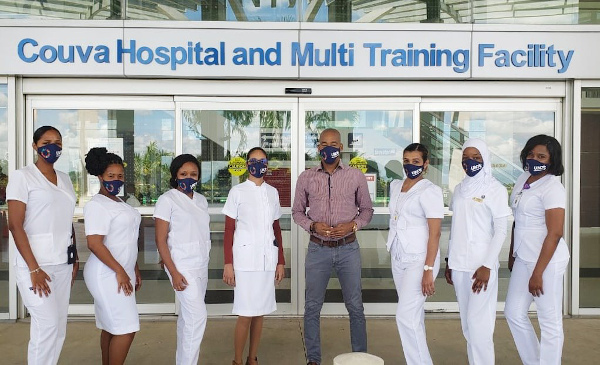
(via NCRHA.)
In Andersen’s tale the illusion ended when someone spoke plainly.
Perhaps the real lesson was never about an emperor at all.
It was about the courage to say what everyone already knows.
A hospital that does not treat patients is not a hospital.
It is a promise that has not yet been kept.
The half-used insulin vial was wrapped in a stained cloth and tucked inside a small purse. She had carried it Read more

Men will discuss chest pain, blood in the urine and constipation with surprising courage. Erectile dysfunction often arrives in a Read more

For thousands of years, humanity has suspected the moon of interfering in almost every department of medicine. Sleeplessness, fever, bleeding, Read more

Coffee and chocolate have spent years in and out of medicine’s good books. One month, coffee is blamed for palpitations, Read more
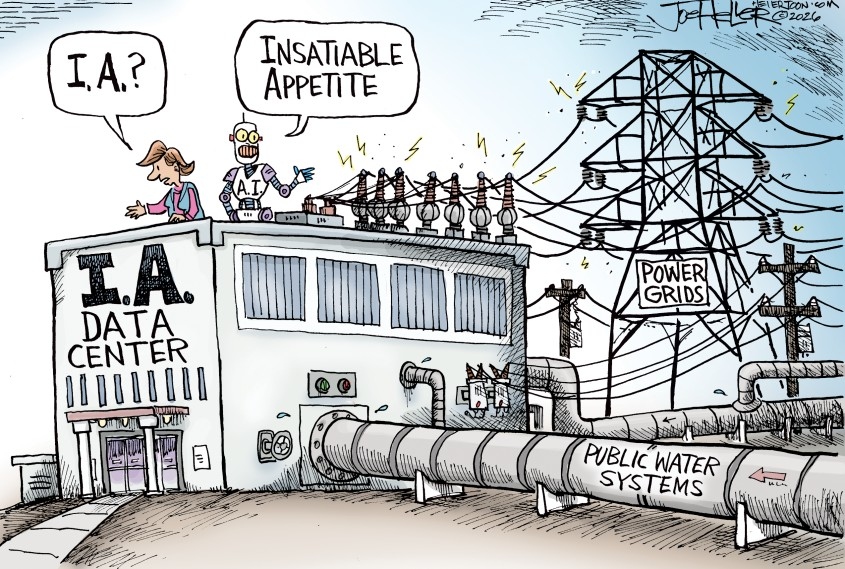
There is a strange irony in the national conversation now unfolding. We are being asked to consider hosting artificial intelligence Read more

The school holidays have arrived. Children wake later. Shoes disappear under beds. Lunch kits are forgotten for a while. Grandparents Read more

I could not agree more. The rush to open a monument with nothing inside does not equate automatically into the facility it is expected to be. We have seen politician do it all the time…ribbon cutting for a Fire Station in Mayaro….not one fire tender procured. That is not a fire station, it is a monument. Opening a building with no equipment or medical staffing and stating it is a hospital has intent but no purpose. Thank you Doctor for putting things into perspective for us.